Have you ever wondered if your cooling rack has a coating? Knowing this can make a big difference in how you use and care for it.
A coated rack can affect everything from cleaning to the types of foods you place on it. If you’re unsure about your cooling rack, this guide will help you spot the signs easily. Keep reading to discover simple ways to tell if your cooling rack has a coating—and why it matters for your kitchen.
Types Of Cooling Rack Coatings
Cooling racks come with different coatings that affect their use and care. Knowing the type of coating helps you handle the rack properly. Some coatings make cleaning easier. Others protect the metal from rust and damage. Here are the common types of coatings on cooling racks.
Non-stick Coatings
Non-stick coatings stop food from sticking to the rack. They look smooth and often have a dark color. These coatings make cleaning simple. You can wash off crumbs without scrubbing hard. Non-stick coatings can wear off after time. Avoid using metal tools on them to keep the coating safe.
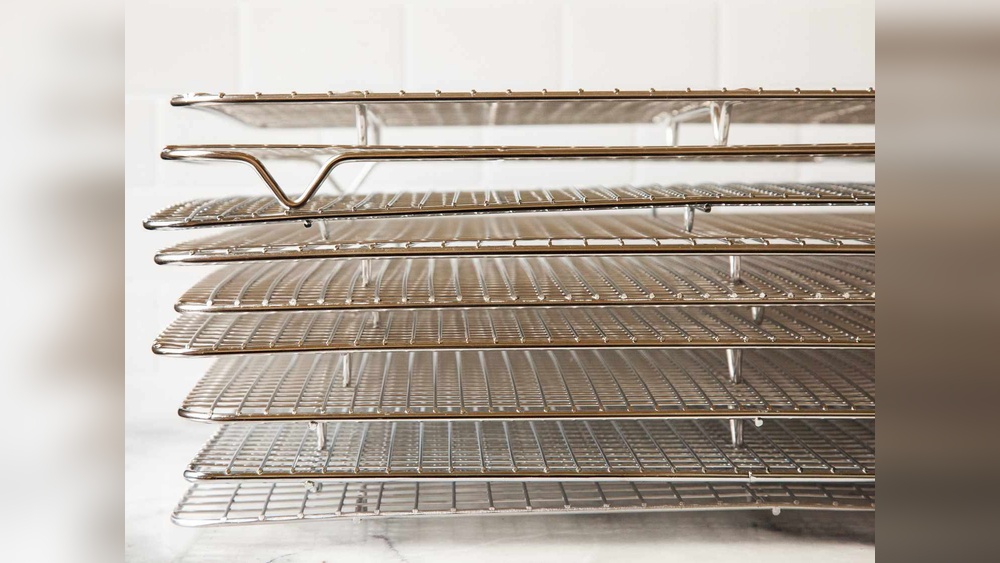
Chrome And Stainless Steel
Chrome and stainless steel racks have no extra coating. They shine with a metal finish. These racks resist rust and last long. They need regular cleaning to avoid food build-up. Stainless steel racks handle heat well. Chrome racks can peel if scratched or used roughly.
Silicone Coatings
Silicone coatings cover cooling racks with a soft layer. They often come in bright colors. This coating keeps food from sticking and adds grip. Silicone is heat resistant and easy to clean. It also protects the metal underneath from rust. Be gentle when washing to keep the silicone layer intact.
:max_bytes(150000):strip_icc()/Web_1500-SEA-Ultra-Cuisine-Wire-Cooling-Racks-Irvin-Lin-Photo-01-8586-974260f82068489498cfe56417d2c264.jpg)
Credit: www.seriouseats.com
Visual Inspection Tips
Visual inspection helps identify if your cooling rack has a coating. It involves a close look at color, texture, and surface condition. This method is easy and quick to do at home. You only need good lighting and a sharp eye to spot key signs.
Look For Color And Texture
Coated cooling racks often have a smooth, shiny surface. The color may be black, white, or gray. Uncoated racks usually show bare metal with a dull or rough finish. A bright or even color suggests a layer of coating. Feel the surface; a coated rack feels smoother than raw metal.
Check For Wear And Peeling
Over time, coatings can wear off or peel. Look closely for small flakes or chips on the rack. Areas with worn coating may look duller or different in color. If you see spots where metal shows through, the rack likely has a coating. Peeling edges or rough patches also indicate a coated surface.
Touch And Feel Test
The touch and feel test is a simple way to check if your cooling rack has a coating. This method uses your sense of touch to find clues about the rack’s surface. By feeling the rack carefully, you can tell if it is plain metal or has a special layer. This test helps you avoid surprises during baking or cleaning.
Smoothness And Stickiness
Run your fingers along the wires of the rack. A coated rack usually feels very smooth. The surface might feel like plastic or have a soft finish. Bare metal often feels rough or slightly grainy. Sometimes, a coated rack can feel sticky if the coating is old or damaged. This stickiness does not happen with plain metal racks.
Weight And Flexibility
Pick up the cooling rack and hold it in your hands. Coated racks often weigh a little more than bare metal racks. The coating adds a thin layer that increases weight. Also, try bending the wires gently. Coated racks may feel less flexible because of the layer on top. Plain metal racks bend more easily without feeling stiff. These small differences help you understand the rack’s surface type.

Credit: www.carawayhome.com
Conducting A Water Test
Conducting a water test helps identify if your cooling rack has a coating. This simple method shows how the surface interacts with water. It reveals clues about the material and any protective layer present. You only need a few drops of water and a close look.
How Water Reacts To Coated Surfaces
Water behaves differently on coated surfaces. It tends to form droplets and stay in place. The coating repels water, stopping it from spreading out. This reaction indicates a non-stick or protective layer on the rack. Plain metal surfaces usually let water spread thin and flat.
Observing Water Beading
Water beading means small round drops gather on the surface. On coated racks, beads form quickly and stay tight. This shows the surface does not absorb water. If water flattens or soaks in, the rack might not have a coating. Watch how long the beads last for more clues.
Using Household Items For Testing
Testing a cooling rack for coating can be simple using items at home. These quick checks help you know if the rack has a protective layer. No need for special tools or chemicals. Just two easy tests you can do in minutes.
Oil Application
Put a small drop of cooking oil on the rack’s surface. Wait a few minutes. See if the oil beads up or spreads out. If it beads, the rack likely has a coating. If it spreads thin, the rack is probably bare metal. Coatings repel oil, so this test shows if one is there.
Scratching With A Knife
Use a dull knife or butter knife to gently scratch a hidden spot. Apply light pressure only. If the surface scratches easily and metal shows, no coating exists. If the scratch is faint or no metal is visible, the rack is coated. Be careful not to damage the rack too much during this test.
Manufacturer Labels And Documentation
Understanding if your cooling rack has a coating is important for care and use. Manufacturer labels and documentation often hold the answer. These resources provide clear details about the materials and finishes used.
Checking the packaging and product manuals can quickly reveal if a coating exists. This section explains how to find this information easily.
Checking Packaging
Start by examining the packaging of your cooling rack. Look for keywords like “non-stick,” “coated,” or “chrome-plated.” Packaging often lists the materials and any special finishes.
Sometimes, the packaging will include care instructions. These tips hint at the presence of coatings, as coated racks need gentle cleaning.
Reviewing Product Manuals
Product manuals provide detailed information about the cooling rack’s materials. Check the sections about maintenance and care for clues about coatings.
Manuals may explain what cleaning products to avoid. This advice usually means the rack has a delicate coating.
When To Replace Your Cooling Rack
Knowing when to replace your cooling rack is important for kitchen safety and baking quality. Over time, racks can wear out or lose their coating. This affects their performance and your food’s safety. Pay attention to the rack’s condition to decide when to get a new one.
Signs Of Coating Damage
Check the rack for scratches or peeling spots. These signs mean the coating is breaking down. Rust spots or discoloration also show damage. A damaged coating can stick to your baked goods. It can make cleaning harder and reduce the rack’s lifespan.
Health And Safety Considerations
A damaged coating might release harmful chemicals into food. This is especially true if the coating flakes off. Using a rack with a broken coating can cause food contamination. It is safer to replace the rack before this happens. Always choose racks with safe, food-grade coatings.
Credit: www.carawayhome.com
Frequently Asked Questions
How Can I Identify If My Cooling Rack Has A Coating?
Look for a smooth, shiny surface or non-stick feel. Coated racks often have a darker or glossy finish compared to bare metal. Check product labels or manufacturer details for coating information.
What Types Of Coatings Are Used On Cooling Racks?
Common coatings include non-stick PTFE, ceramic, and silicone. These coatings prevent food from sticking and make cleaning easier. Each type varies in durability and heat resistance.
Is It Safe To Use A Coated Cooling Rack At High Temperatures?
Most coated racks can handle typical oven temperatures safely. However, some coatings may degrade above 450°F (232°C). Always check manufacturer guidelines to avoid damaging the coating.
How Do I Maintain A Coated Cooling Rack Properly?
Avoid abrasive scrubbers that can damage the coating. Clean with mild soap and a soft sponge. Hand washing extends the life of the coating and keeps it effective.
Conclusion
Knowing if your cooling rack has a coating helps in care and use. Check its surface for shine or texture differences. Coated racks often feel smoother and resist rust better. This small step keeps your baking tools safe and lasting longer.
Always clean your rack gently to protect any coating. Proper care means better cooking results every time. Simple checks save you from surprises later. Now, you can handle your cooling rack with more confidence.
