If you have a bunk bed at home and a toddler running around, safety is probably your top concern. You want your little one to enjoy their space without you worrying every minute.
But how do you make a bunk bed safe for a toddler? It can feel tricky, but with the right steps, you can create a cozy, secure spot your child will love. Keep reading, and you’ll discover simple, effective ways to toddler proof a bunk bed—so you can relax knowing your child is protected.
Choosing The Right Bunk Bed
Choosing the right bunk bed is the first step to keep your toddler safe. The bed must be sturdy and fit your child’s needs. It should also match the room size and safety rules. This helps prevent accidents and gives your child a comfortable space to sleep. Here are key points to consider when selecting a bunk bed for toddlers.
Materials And Build Quality
Choose bunk beds made from strong materials like solid wood or metal. These materials hold up well over time. Avoid beds with thin or weak parts. Check that all joints and screws are tight and secure. A well-built bed reduces the risk of collapse or injury.
Size And Height Considerations
Pick a bunk bed with a lower height for toddlers. A shorter bed means less risk if your child falls. Also, check the size of the mattress to fit the bed frame perfectly. Make sure there is enough space around the bed in the room. This helps avoid bumps and bruises while playing or sleeping.
Safety Certifications To Look For
Look for bunk beds with safety certifications. These show the bed meets safety rules and tests. Certifications from known groups give peace of mind. They ensure the bed has guardrails, strong ladders, and no sharp edges. These features protect your toddler during sleep and play.

Credit: lasoledad.org
Installing Guardrails
Installing guardrails on a bunk bed helps keep toddlers safe during sleep. Guardrails stop children from falling off the bed. Choosing the right guardrail and installing it correctly is very important. This section explains different types of guardrails, how to install them properly, and ways to ensure they stay secure.
Types Of Guardrails
There are several types of guardrails for bunk beds. The most common are full-length and half-length rails. Full-length guardrails cover the entire side of the bed. Half-length rails cover only part of the side, usually near the head and foot. Some guardrails are made of wood, others of metal or plastic. Choose a guardrail that fits the bed and your toddler’s needs.
Proper Installation Techniques
Follow the manufacturer’s instructions carefully for installing guardrails. Use the right tools like screwdrivers or drills. Make sure the guardrail is level and straight. Attach the guardrail firmly to the bed frame. Check that no parts stick out or create gaps. Tighten all screws and bolts securely but avoid overtightening. Double-check the guardrail after installation to ensure stability.
Ensuring Secure Attachment
Secure attachment prevents guardrails from loosening over time. Use locking nuts or washers if available. Test the guardrail by gently pushing and pulling it. The rail should not move or wiggle. Inspect guardrails regularly for wear or damage. Replace any broken parts immediately. Proper attachment keeps toddlers safe and gives parents peace of mind.
Safe Ladder Use
Using the ladder safely is key to toddler-proofing a bunk bed. Toddlers need extra care because they are still learning balance and coordination. The ladder must be easy to hold and climb. It should also stay firmly in place. Teaching children how to climb carefully helps prevent falls.
Ladder Design Options
Choose ladders with wide, flat steps. These provide better footing for small feet. Look for ladders with handrails on both sides. This gives toddlers something to grab while climbing. Avoid ladders with slippery or narrow rungs. Some ladders have a slight angle, making climbing easier. Straight ladders can be harder for toddlers to use safely.
Securing The Ladder
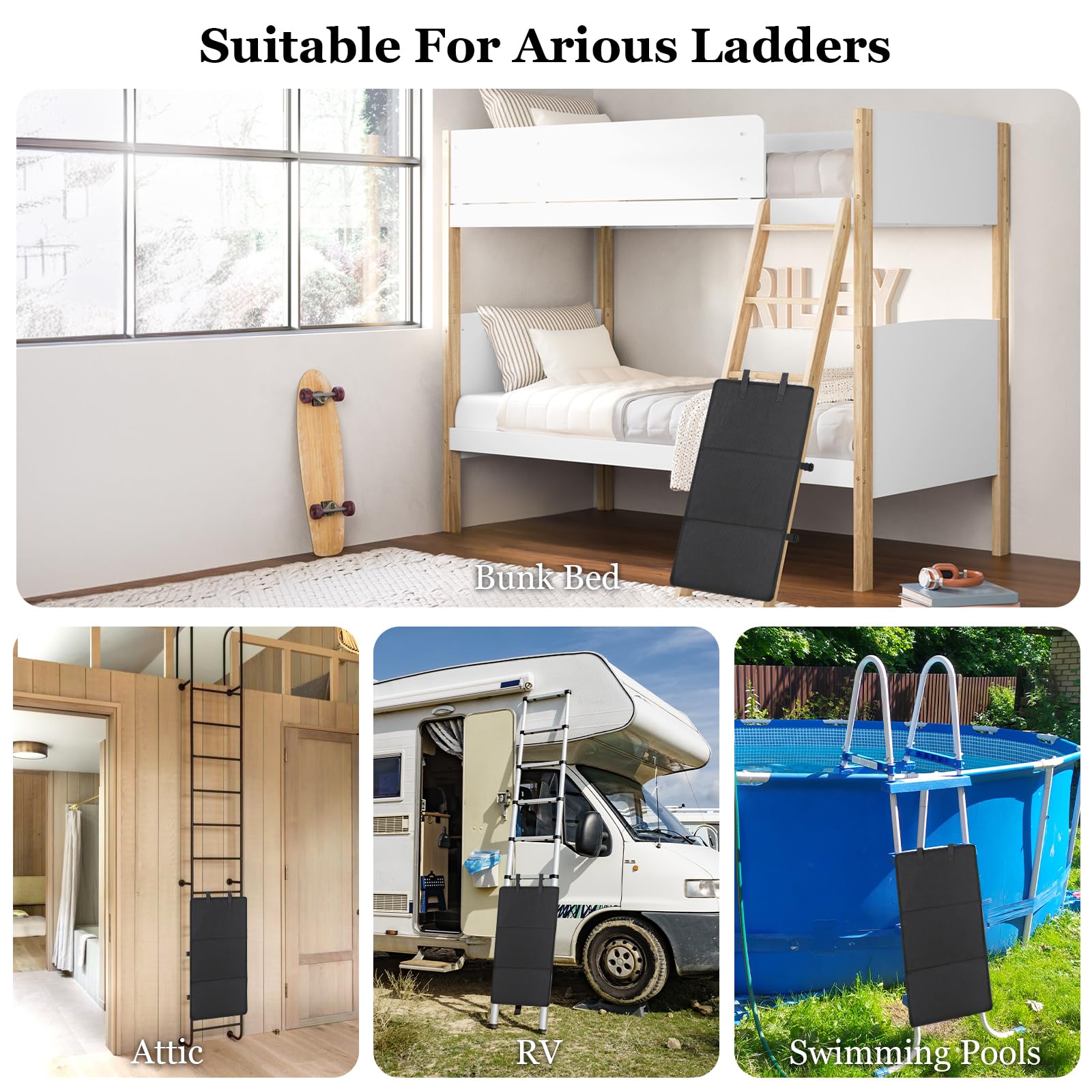
Attach the ladder firmly to the bunk bed frame. Check that it does not wobble or move. Use screws or bolts that match the bed’s design. A loose ladder can cause accidents. Place non-slip pads under ladder feet if needed. Regularly inspect the ladder’s connection to the bed. Tighten any loose parts quickly.
Teaching Safe Climbing Habits
Show toddlers how to hold the handrails while climbing. Teach them to climb one step at a time. Explain the importance of facing the ladder, not climbing from the side. Encourage children to ask for help if they feel unsure. Practice climbing together until they feel confident. Praise careful climbing to reinforce safe habits.
Mattress Selection And Placement
Choosing the right mattress and placing it correctly is key to toddler-proofing a bunk bed. The mattress must fit snugly to avoid any gaps. Proper thickness also keeps the child safe and comfy. This section guides you through mattress size, gap prevention, and thickness rules.
Choosing The Right Mattress Size
Pick a mattress that fits the bunk bed frame exactly. Too small a mattress creates dangerous gaps. Measure the bed frame before buying. Standard twin mattresses usually work for most bunk beds. Avoid mattresses that are too thick or too thin.
Avoiding Gaps And Spaces
Check all sides of the mattress after placing it. No space should exist between the mattress and bed frame. Gaps can trap small limbs and cause injury. Use a firm mattress to keep it in place. Tight fitting mattresses prevent falls and accidents.
Mattress Thickness Guidelines
Choose a mattress that is not too thick or too thin. Ideal thickness is usually 6 to 8 inches for toddlers. Thick mattresses can reduce guardrail effectiveness. Thin mattresses may not provide enough support. Follow the bunk bed manufacturer’s thickness recommendations.
Creating A Safe Surrounding Area
Creating a safe surrounding area around a bunk bed is very important. Toddlers can be curious and quick. A secure space helps prevent accidents and injuries. This area should reduce risks and protect your child from harm. Setting up the right environment makes bedtime safer and more peaceful.
Floor Padding And Rugs
Soft floor padding cushions falls and reduces bumps. Use foam mats or thick rugs near the bunk bed. Avoid thin rugs that slide easily on the floor. Secure rugs with non-slip pads to keep them in place. This padding creates a gentle landing spot if your toddler slips or falls.
Removing Nearby Hazards
Clear the area around the bunk bed from sharp or hard objects. Move toys, furniture, and cords away from the bed. Keep heavy items off shelves near the bunk bed. Remove small objects that could cause choking. Make sure nothing can fall onto the child while sleeping or playing.
Lighting And Visibility
Good lighting helps toddlers see clearly at night. Use soft night lights to avoid harsh brightness. Place lights where they do not shine directly into eyes. Ensure the room is bright enough to spot obstacles. This helps toddlers move safely and feel secure in their space.
Credit: aquacosmetics.com

Credit: myfirstnursery.co.uk
Frequently Asked Questions
How Can I Make A Bunk Bed Safe For Toddlers?
Install guardrails on all sides and secure the ladder firmly. Use a soft rug beneath to cushion falls. Remove heavy items from the top bunk. Regularly check for loose screws or sharp edges to prevent injuries.
What Age Is Appropriate For Toddlers To Use Bunk Beds?
Toddlers under six years old should avoid using bunk beds. Experts recommend children aged six and above for safe bunk bed use. This helps reduce fall risks and ensures better motor skills for climbing.
How Do I Prevent Falls From A Toddler Bunk Bed?
Use sturdy guardrails and ensure the bed is close to the wall. Place a soft carpet or foam mats around the bed’s base. Teach toddlers to use the ladder carefully and supervise their bunk bed use.
Are Bunk Beds Safe For Toddlers To Sleep On?
Bunk beds pose risks for toddlers due to falls and climbing hazards. Safety measures like guardrails and supervision can reduce risks. However, many experts advise waiting until a child is six before using bunk beds.
Conclusion
Toddler proofing a bunk bed keeps your child safe during sleep and play. Use guardrails on all sides to prevent falls. Secure the ladder firmly and teach your toddler to climb carefully. Remove sharp or hard objects nearby to avoid injuries.
Regularly check the bed for loose parts or damage. Safety takes effort but brings peace of mind. Enjoy watching your toddler grow safely in their bunk bed space. Simple steps make a big difference every night.