If you have a bunk bed at home, you probably worry about your child falling off the top bunk. It’s a common concern, and you’re not alone.
Keeping your child safe while they sleep or play on a bunk bed is crucial. But how do you make sure they stay secure without taking away their freedom to enjoy their space? You’ll discover simple, effective ways to protect your child from falls.
These tips are easy to follow and can give you peace of mind every night. Keep reading to learn how to create a safer bunk bed environment for your little one.
Credit: medmattress.com
Choose The Right Bunk Bed
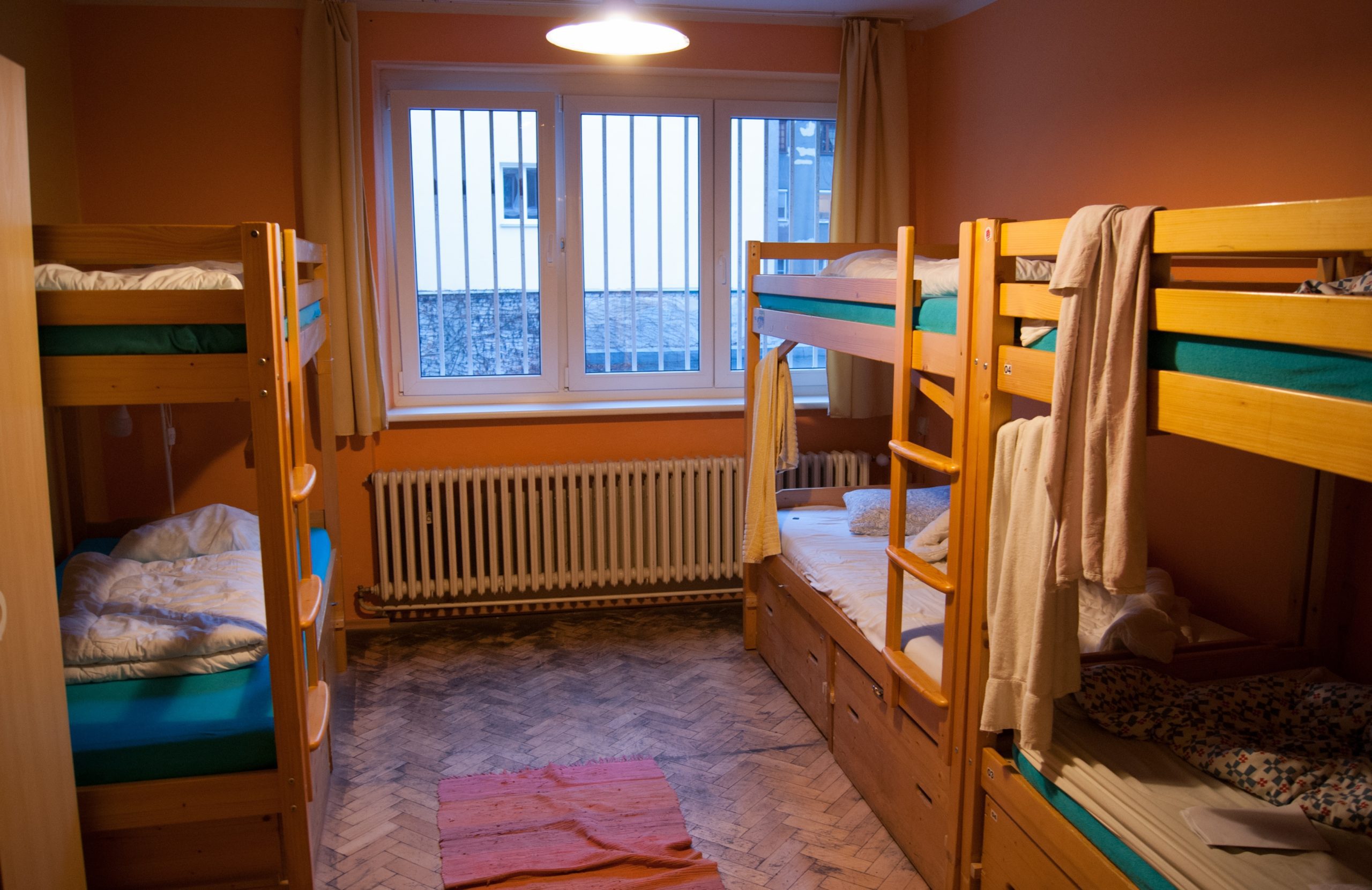
Choosing the right bunk bed is the first step to keep children safe. A good bunk bed fits the room and suits the child’s age and size. It also meets safety rules and standards. This helps prevent falls and accidents.
Consider Bed Size And Height
Select a bunk bed with the right size for your child. A bed too high can be risky for younger kids. Choose a bed height that matches your child’s age and comfort. Make sure the bed fits well in the room. Enough space around the bed helps avoid bumps and falls.
Look For Safety Certifications
Check if the bunk bed has safety certifications. These show the bed meets safety rules. Certified beds have strong guardrails and stable ladders. They use safe materials and sturdy construction. Safety marks give peace of mind and protect your child.
Install Guardrails Properly
Installing guardrails on a bunk bed is a key step to keep children safe. Proper guardrails stop kids from falling during sleep or play. It is important to install them correctly to work well and avoid accidents. This section covers how to install guardrails properly for better safety.
Use Full-length Guardrails
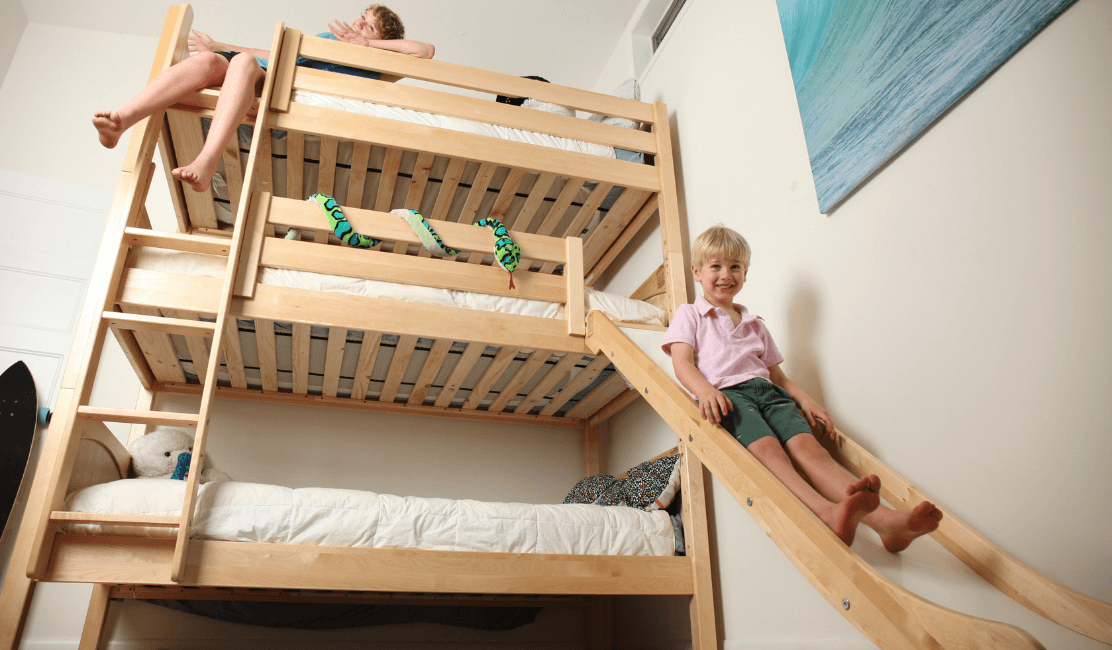
Choose guardrails that cover the full length of the bed. Partial rails leave open spaces where children can slip through. Full-length guardrails create a strong barrier on all sides. This reduces the risk of falling from anywhere on the bed. Always measure the bed and pick guardrails that fit perfectly.
Check For Sturdy Attachment
Secure guardrails tightly to the bed frame. Loose rails can move or fall, causing injury. Use the correct screws and tools to fix the rails firmly. After installation, shake the rails gently to test stability. Tighten any loose parts before letting children use the bed. Regularly check the rails to keep them safe over time.
Create A Safe Climbing Space
Creating a safe climbing space is essential to stop children from falling off bunk beds. A well-designed climbing area helps kids move up and down easily. It reduces the risk of slips and accidents. Parents can make simple changes to improve safety near the bed.
Focus on the climbing tools and the space around them. This keeps children safe and confident while climbing. Clear, secure, and stable climbing spaces make a big difference in preventing falls.
Use Secure Ladders Or Stairs
Choose ladders or stairs that are strong and steady. Attach them firmly to the bunk bed frame. Loose or shaky ladders cause accidents. Check the ladder or stairs regularly for wear and tear. Use wide steps or rungs for better footing. Add non-slip grips to prevent slipping. Handrails on stairs help children hold on safely. These features make climbing safer and easier.
Keep Climbing Area Clear
Remove toys, clothes, or other items near the ladder or stairs. A clear area prevents tripping and falling. Teach children to keep this space clean at all times. Avoid placing furniture or objects close to the bed’s climbing area. This stops children from bumping into things while climbing. A neat, open space around the ladder or stairs adds safety and peace of mind.
Set Clear Safety Rules
Setting clear safety rules helps children understand how to use a bunk bed safely. Rules keep kids aware of risks and guide their behavior. Safety rules reduce accidents and keep everyone calm and secure.
Explain the rules simply. Repeat them often. Make sure children agree and follow them. Consistency is key for safe bunk bed use.
No Rough Play On The Bed
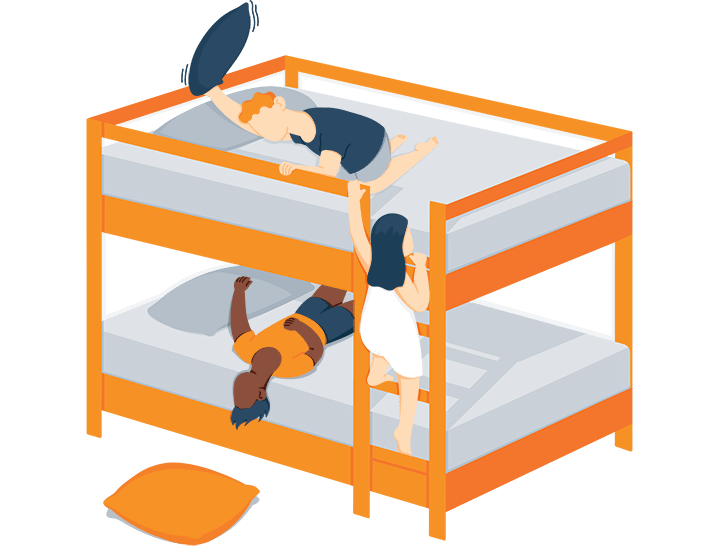
Rough play on a bunk bed is dangerous. Jumping, pushing, or wrestling can cause falls. Tell children the bed is for sleeping and quiet activities only. Gentle use prevents accidents and keeps the bed strong.
Only One Child On Ladder At A Time
Climbing the ladder can be risky with more than one child. One child at a time keeps balance and control. Explain that waiting for their turn is safer. This rule stops crowding and slipping on the ladder.
Add Protective Measures
Adding protective measures helps keep children safe on bunk beds. It lowers the risk of falls and injuries. Simple tools and adjustments create a safer sleeping space. Parents can feel more at ease knowing their child is protected.
Use Bed Bumpers Or Padding
Bed bumpers act as soft barriers along the bed’s edges. They prevent children from rolling off while sleeping. Choose bumpers made from soft, thick materials. Attach them securely to avoid slipping or gaps. Padding cushions sharp edges or hard surfaces too. This reduces the chance of bumps or bruises during play or sleep.
Place Soft Rugs Or Mats Nearby
Soft rugs or mats absorb impact if a child falls. Place them on the floor beside the bunk bed. Look for thick, cushioned mats to provide extra comfort. Rugs also help prevent slips when climbing up or down. Choose non-slip rugs to keep them in place. This small step can reduce injuries from accidental falls significantly.
Regularly Inspect The Bed
Regularly inspecting a bunk bed helps keep children safe. Small problems can turn into big risks. Checking the bed often stops accidents before they happen. It ensures the bed stays strong and steady. Parents should make inspection part of their routine. This simple step protects kids from falls and injuries.
Check For Loose Screws And Parts
Loose screws make the bed unstable. They can cause the bed frame to wobble or break. Use a screwdriver to tighten all screws. Look at bolts, nuts, and connectors too. Pay close attention to the guardrails and ladder. These parts need to be secure to prevent falls. Tightening them keeps the bed safe and steady.
Replace Worn Out Components
Parts can wear out over time. Wood may crack. Metal can rust. These weak spots increase fall risk. Replace any damaged slats, guardrails, or ladder steps. Use parts that fit the bed model exactly. New components keep the structure strong. This step ensures the bed stays safe for children.
Educate Children About Safety
Teaching children about bunk bed safety is very important. Kids must know how to avoid falls and injuries. Clear and simple talks help them understand the dangers. This makes them more careful and aware.
Explain Risks Of Falling
Tell children that falling from a bunk bed can hurt them badly. Explain that bumps and broken bones may happen. Use examples they can picture easily. Help them see why safety matters every night.
Make sure they know the top bunk is higher and riskier. Warn them about running or jumping on the bed. Stress that careless moves can lead to painful accidents.
Encourage Safe Behavior
Teach children to climb up and down slowly. Show them how to hold the ladder firmly. Remind them to stay seated on the top bunk when awake.
Praise them when they follow safety rules. Reward safe actions to build good habits. Encourage asking for help if they feel unsure.
Credit: www.sleepadvisor.org
Credit: www.maxtrixkids.com
Frequently Asked Questions
How Can Guardrails Prevent Bunk Bed Falls?
Guardrails act as barriers, stopping children from rolling off the bed. Install sturdy guardrails on both sides of the top bunk. Ensure they are high enough to provide safety during sleep and play. Regularly check for loose fittings to maintain effectiveness.
What Age Is Safe For Children To Use Bunk Beds?
Children under six years old should avoid using top bunk beds. Younger kids are more prone to falls and injuries. Wait until they can climb safely and understand bunk bed rules. Always supervise younger children around bunk beds to prevent accidents.
How To Make Bunk Beds Safer With Bedding?
Use fitted sheets and avoid bulky blankets on bunk beds. Loose bedding can cause tripping or entanglement hazards. Choose lightweight, breathable bedding that stays secure. Keep pillows and toys away from the edges to reduce fall risks.
Why Is Proper Ladder Use Important For Bunk Bed Safety?
Using the ladder correctly prevents slips and falls when climbing. Teach children to face the ladder and use both hands. Avoid climbing with objects in hand to maintain balance. Ensure the ladder is firmly attached and free of damage.
Conclusion
Keeping children safe on bunk beds takes careful attention and simple steps. Use guardrails and choose beds that fit the child’s age and size. Teach kids to climb safely and avoid rough play on the bed. Check the bed’s stability often and remove any hazards nearby.
Small actions create a safer sleep space. Safety matters most for peaceful nights and happy mornings. Protecting your child from falls is easier than it seems. Just stay alert and follow these easy tips every day.
