
Do you have an old cabinet sitting unused and wondering how to give it new life? Turning that cabinet into a stylish bathroom vanity is easier than you think.
Imagine saving money while adding a unique touch to your bathroom. In this guide, you’ll discover simple steps to transform your old cabinet into a beautiful, functional vanity. Ready to create something special for your space? Keep reading and let’s get started!

Credit: anoregoncottage.com
Choosing The Right Cabinet
Choosing the right cabinet is the first step to create a beautiful bathroom vanity. The cabinet sets the tone for the whole space. It must fit the room well and offer enough storage. Picking a cabinet that matches your bathroom style helps the makeover look natural and fresh.
Assessing Size And Shape
Measure your bathroom space carefully. The cabinet should fit without crowding the room. Think about the shape. A tall, narrow cabinet works well in small rooms. Wide, low cabinets suit bigger bathrooms. Check the door swing and drawer space too. Make sure you can open them easily.
Material Considerations
Bathroom vanities face water and humidity. Choose materials that resist moisture well. Solid wood can warp if not sealed properly. Look for cabinets made with plywood or MDF with waterproof finishes. Metal or plastic cabinets can also work. They last long and need little care.
Styling Ideas
Match the cabinet style with your bathroom decor. For a modern look, pick clean lines and simple colors. Rustic styles work with distressed wood cabinets. Classic bathrooms benefit from painted or stained wood. Think about the cabinet hardware too. Knobs and handles can change the whole look.
Gathering Tools And Supplies
Before starting to turn an old cabinet into a bathroom vanity, gather all necessary tools and supplies. Having everything ready saves time and helps the project run smoothly. Preparation is key to avoid interruptions and mistakes.
Essential Tools
Start with basic tools like a drill, screwdriver, and measuring tape. A saw will help adjust the cabinet size if needed. Sandpaper or an electric sander smooths rough surfaces. Clamps hold pieces firmly during assembly. A level ensures the vanity stays even. Safety gear like gloves and goggles protects you during work.
Paints And Finishes
Choose paint that works well in humid bathroom conditions. Semi-gloss or satin finishes resist moisture and clean easily. Primer helps paint stick better and last longer. Sealers protect wood from water damage. Pick colors that match your bathroom style and brighten the space.
Plumbing Components
Gather plumbing parts like a sink, faucet, and drain assembly. Flexible supply lines connect the faucet to water pipes. P-traps prevent sewer gases from entering the bathroom. Use plumber’s tape to seal pipe joints tightly. Check measurements to fit parts perfectly inside the cabinet.
Preparing The Cabinet
Preparing your old cabinet is the first step to making a beautiful bathroom vanity. A good start helps the whole project go smoothly. This stage focuses on cleaning, fixing, and getting the cabinet ready for its new look.
Cleaning And Sanding
Begin by cleaning the cabinet thoroughly. Use a mild soap and water to remove dirt and grime. Dry it well before moving to sanding. Sanding smooths the surface and helps paint or stain stick better. Use medium-grit sandpaper for rough areas. Follow with fine-grit sandpaper for a smooth finish. Wipe off dust with a damp cloth.
Removing Old Hardware
Take off all handles, knobs, and hinges. Use a screwdriver to avoid damage. Keep the screws if you plan to reuse them. Removing hardware creates a clean surface. It also makes painting or staining easier. Store hardware in a safe place to avoid losing parts.
Repairing Damages
Check the cabinet for cracks, holes, or loose parts. Fill small holes with wood filler. Let it dry fully before sanding smooth. Glue any loose joints or panels. Use clamps to hold pieces while drying. Repairing now prevents problems later. It ensures your vanity stays strong and looks good.

Credit: www.youtube.com
Customizing The Cabinet
Customizing the cabinet is the key step to turn it into a bathroom vanity. This step changes the old cabinet to fit bathroom needs. It also makes the cabinet look fresh and new. Focus on practical changes that fit your sink and storage needs. Each change should help the cabinet work well in the bathroom space.
Cutting Openings For Sink
Measure the sink size carefully. Mark the cabinet top where the sink will go. Use a saw to cut out the marked area. Make sure the cut is smooth and even. Check the sink fits perfectly in the opening. This step allows the sink to sit securely on the cabinet.
Adding Support Structures
Bathroom sinks add weight to the cabinet. Add wooden braces inside for extra support. Attach these supports under the sink area. Use screws to fix them tightly in place. This prevents the cabinet from sagging or breaking. Strong support keeps the vanity safe and stable.
Installing Drawers And Shelves
Add drawers to keep small bathroom items organized. Use easy-slide drawer hardware for smooth opening. Install shelves for towels and toiletries. Adjust shelf height based on your storage needs. Drawers and shelves increase the cabinet’s functionality. They help keep the bathroom tidy and neat.
Painting And Finishing
Painting and finishing breathe new life into your old cabinet. They protect it from moisture and wear in the bathroom. A good paint job also improves the look and style of your vanity. Follow these steps for a smooth, long-lasting finish.
Priming Tips
Start with a clean surface. Sand the cabinet lightly to remove old paint and rough spots. Use a primer made for wood or laminate. Primer helps paint stick better and lasts longer. Apply one or two thin coats. Let each coat dry fully before painting.
Choosing Bathroom-friendly Paints
Select paint that resists water and mold. Semi-gloss or satin finishes work best in bathrooms. These paints clean easily and handle humidity well. Avoid flat or matte paints because they absorb moisture. Use acrylic or enamel paint for stronger protection.
Applying Protective Coatings
After painting, add a clear protective topcoat. Polyurethane or water-based sealers keep the surface safe. Apply thin, even layers with a brush or roller. Allow each layer to dry before adding the next. This step stops water damage and keeps colors bright.
Installing The Vanity
Installing the vanity is an important step in turning an old cabinet into a bathroom vanity. It involves placing the cabinet correctly, connecting the plumbing, and sealing everything to prevent water damage. Careful work here ensures your vanity looks good and lasts long.
Positioning And Securing
Place the cabinet in the desired bathroom spot. Check that it is level using a spirit level. Adjust with shims if needed. Once level, secure the cabinet to the wall using screws. Make sure to find studs for a strong hold. Tighten screws but avoid damaging the cabinet.
Connecting Plumbing
Turn off the water supply before starting. Connect the sink drain to the cabinet’s plumbing. Attach the water supply lines to the faucet carefully. Use plumber’s tape on threaded connections to stop leaks. Test all connections by turning the water back on slowly. Fix any leaks immediately.
Sealing And Caulking
Apply a bead of silicone caulk around the edges of the vanity. Seal where the cabinet meets the wall and countertop. This keeps water from seeping into cracks. Smooth the caulk with a wet finger for a clean finish. Allow the caulk to dry fully before using the sink.
Decorating And Styling
Decorating and styling an old cabinet turned bathroom vanity gives it new life. It adds personality and function to your space. Small details can make a big impact. Focus on elements that brighten and organize. Balance beauty and usefulness for a fresh look.
Adding Mirrors And Lighting
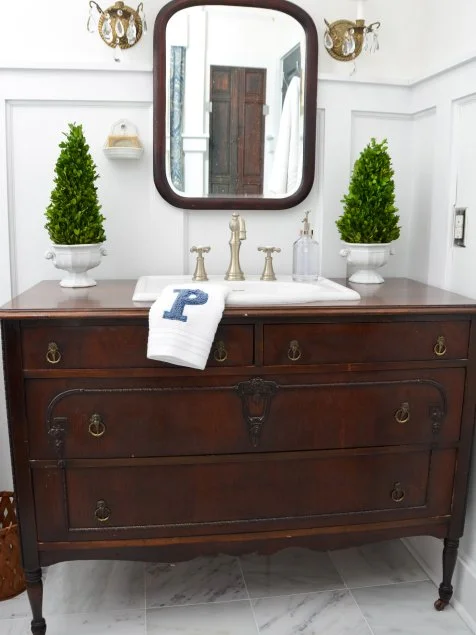
A good mirror is key for any bathroom vanity. Choose one that fits the size and style of your cabinet. Round or square mirrors both work well. Place lighting around the mirror to brighten your face. Wall sconces or LED strips create soft, even light. Proper lighting makes daily tasks easier and the room feel larger.
Accessorizing Vanity
Keep vanity accessories simple and neat. Use trays or small containers to hold items like soap, toothbrushes, and lotions. Pick colors that match or complement your cabinet. Add a small plant or candle for a cozy touch. Avoid clutter to keep the space inviting and tidy.
Maintaining The Finish
Protect your cabinet’s finish to keep it looking fresh. Use a gentle cleaner safe for wood or paint. Wipe up water spills quickly to avoid damage. Apply a clear sealant if the surface feels dry or worn. Regular care extends the life of your vanity and keeps it beautiful.
Credit: www.hgtv.com
Frequently Asked Questions
How Do I Prepare An Old Cabinet For Bathroom Use?
Clean thoroughly and sand the surface to remove old finishes. Repair any damages and apply a waterproof primer before painting.
What Tools Are Needed To Convert A Cabinet Into A Vanity?
Basic tools include a drill, saw, screwdriver, measuring tape, and level. Plumbing tools may be needed for sink installation.
Can I Install A Sink On Any Old Cabinet?
Most cabinets can support a sink if structurally sound. Reinforce the cabinet if necessary to handle the sink’s weight.
How To Waterproof An Old Cabinet For Bathroom Use?
Use waterproof paint or sealant on all surfaces. Focus on edges and joints to prevent water damage and mold growth.
Conclusion
Turning an old cabinet into a bathroom vanity saves money and adds charm. It gives your bathroom a fresh, unique look without much effort. You can customize it to fit your style and space. Small changes, like new paint or handles, make a big difference.
This project suits beginners and DIY lovers alike. Try it out and enjoy your new, stylish vanity every day. Simple steps lead to great results. Why buy new when you can create something special?

