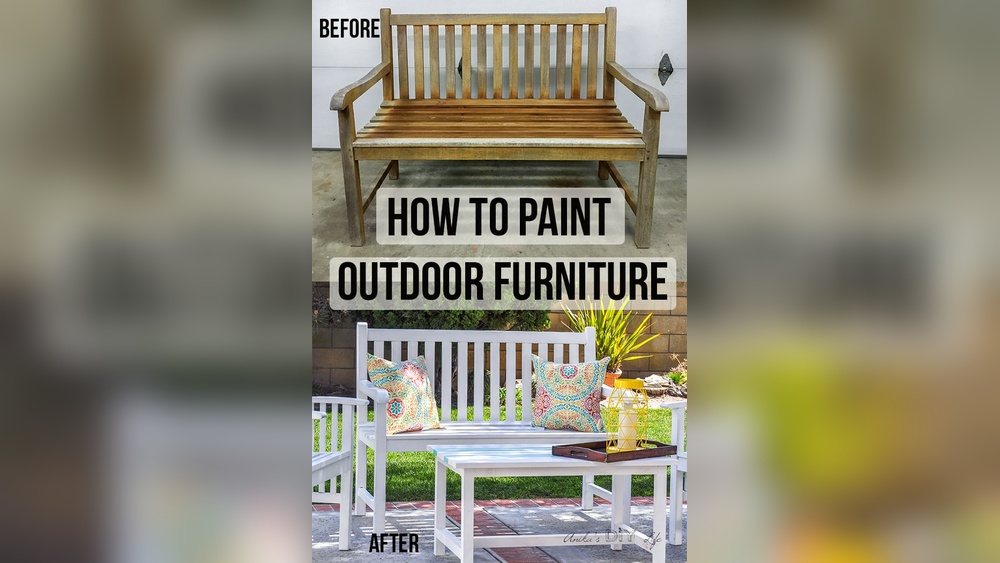
Your outdoor furniture is an important part of your living space, but when the rain starts pouring, your fabric cushions and covers can quickly become soggy and damaged. Wouldn’t it be great if you could protect your furniture and keep it looking fresh all year round?
You’ll discover simple and effective ways to waterproof your outdoor furniture fabric. By the time you finish reading, you’ll have easy tips that save you time, money, and frustration—so your outdoor space stays comfortable and inviting no matter the weather.
Keep reading to learn how to give your furniture the protection it deserves.
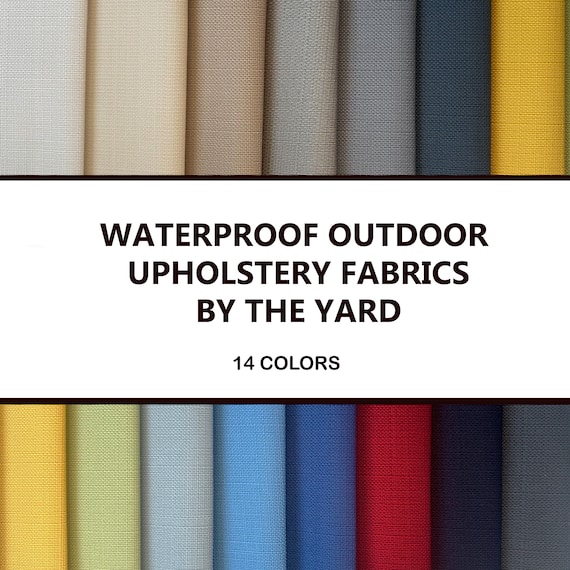
Credit: www.etsy.com
Choosing The Right Fabric
Choosing the right fabric is key to keeping outdoor furniture looking good. The right fabric protects against water and weather. It also adds comfort and style. Picking fabric with the right qualities saves money and effort later.
Focus on fabric type, water resistance, and durability. These factors help find the best fit for outdoor use. Understanding these points makes waterproofing easier and more effective.
Types Of Outdoor Fabrics
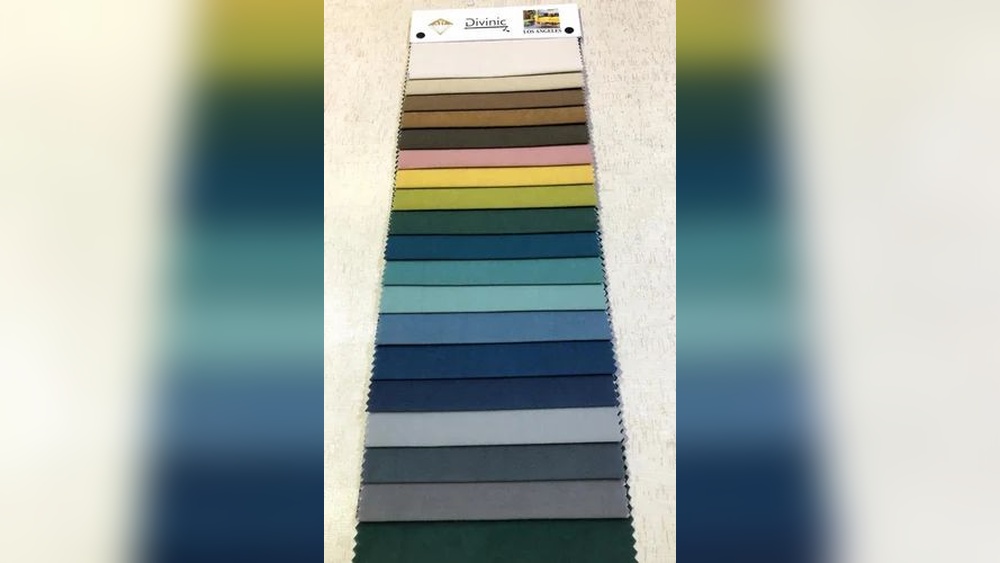
Outdoor fabrics come in many types. Common choices include acrylic, polyester, and olefin. Acrylic fabrics resist fading and feel soft. Polyester fabrics dry quickly and resist wrinkles. Olefin is strong, lightweight, and resists stains. Each type suits different climates and uses. Choose fabric based on where you live and how you use furniture.
Water Resistance Levels
Some fabrics resist water better than others. Water-resistant fabrics stop water but may absorb some. Waterproof fabrics block water completely. Look for fabrics treated with water repellent coatings. These keep furniture dry and clean. Check product labels for water resistance ratings. Higher ratings mean better protection against rain and spills.
Durability Factors
Durability is important for outdoor fabric. Fabrics must handle sun, rain, and wind. Strong fibers resist tearing and wear. UV resistance prevents colors from fading. Mold and mildew resistance keeps fabric fresh. Consider how often furniture is used. Choose fabrics that last long with little care.
Preparing The Fabric
Preparing outdoor furniture fabric is the first step to waterproof it properly. Clean fabric allows waterproof sprays or treatments to work better. Dirt, dust, and stains block the fabric from absorbing the waterproof layer. Also, repairing small damages before waterproofing keeps the fabric strong and durable. Proper drying is key too. Wet or damp fabric will not hold the waterproof coating well. Follow these steps to get your fabric ready for waterproofing.
Cleaning Techniques
Start by brushing off loose dirt and debris. Use a soft brush to avoid damage. Mix mild soap with warm water for cleaning. Use a sponge or cloth to gently scrub the fabric. Avoid harsh chemicals that may weaken the fabric. Rinse thoroughly with clean water to remove soap. Repeat if necessary until the fabric looks clean. Let the fabric air dry completely before moving to the next step.
Drying Methods
After cleaning, dry the fabric in a shaded area. Direct sunlight can fade colors and weaken fibers. Spread the fabric flat or hang it to dry fully. Avoid using a dryer or heat source. Check that the fabric feels dry to the touch. Moisture left inside fabric prevents waterproof treatments from sticking. Make sure no damp spots remain before applying any waterproofing product.
Repairing Damages
Inspect the fabric for small tears or holes. Use fabric glue or patches to fix minor damage. For larger rips, sew the edges carefully. Repairing keeps water from seeping through weak spots. Let repairs dry completely before waterproofing. Damaged fabric will reduce the effectiveness of waterproof coatings. Strong, intact fabric ensures long-lasting protection against rain and moisture.
Waterproofing Products
Waterproofing products protect outdoor furniture fabric from rain and spills. They help keep fabric dry and clean. These products create a barrier that stops water from soaking in. Choosing the right product depends on fabric type and how much use it gets. Some options are easy to apply, while others need more care.
Sprays And Sealants
Sprays and sealants are popular for waterproofing fabric. They come in bottles with spray nozzles for easy use. You just spray a thin layer evenly over the fabric. These products dry quickly and form a protective coat. They work well on cushions, umbrellas, and covers. Many sprays also resist stains and UV rays. Reapply every few months for best results.
Wax-based Solutions
Wax-based solutions offer strong waterproofing for outdoor fabric. They create a thick, waxy layer that repels water. You apply them by rubbing wax directly onto the fabric. Heat from sunlight or a hairdryer helps the wax soak in. Wax products are durable and last a long time. They can change fabric color or texture slightly. Ideal for heavy-duty use and natural fabrics.
Diy Waterproofing Options
DIY waterproofing options use household items to protect fabric. One common method uses beeswax or paraffin wax. Melt the wax and spread it on fabric with a brush. Another way involves mixing water and fabric glue. Apply the mix with a sponge for a water-resistant layer. These methods cost less and work well for small projects. Always test on a small area first.

Credit: www.phifer.com
Application Techniques
Applying waterproofing to outdoor furniture fabric needs care and the right methods. Proper application ensures the fabric stays protected from rain and moisture. This section explains easy ways to apply waterproof sprays or coatings. Follow these steps for best results.
Step-by-step Spray Application
Hold the spray bottle about 6 to 8 inches from the fabric. Spray evenly in a steady motion, covering all areas. Avoid soaking one spot; keep the layer light and uniform. Spray both sides of the fabric for full protection. Let the first coat dry before adding more.
Brushing And Rolling
Use a soft brush or small roller to spread waterproofing liquid. Dip the brush lightly and apply thin layers on the fabric. Brush gently to avoid damaging the fibers. Rolling works well for flat surfaces and large areas. This method helps the liquid soak deep into the fabric.
Multiple Coats And Drying Time
Apply at least two coats for strong waterproofing. Wait 20 to 30 minutes between coats for drying. Check the fabric feels dry and not sticky before next coat. More coats add better protection, but do not overdo it. Let the final coat dry completely before use.
Maintaining Waterproof Fabrics
Maintaining waterproof fabrics on outdoor furniture keeps them durable and looking fresh. These fabrics face sun, rain, dirt, and wear every day. Careful maintenance helps the waterproof layer last longer. It also stops water from soaking through and causing damage.
Regular Cleaning Tips
Clean the fabric often to keep it free from dirt and dust. Use a soft brush or cloth to remove loose debris. Mix mild soap with water for gentle washing. Avoid strong detergents that can harm the waterproof coating. Rinse with clean water and let the fabric dry fully in the sun.
Reapplying Waterproof Coatings
Waterproof coatings wear down over time and need renewal. Choose a spray or liquid waterproofing product made for outdoor fabrics. Test the product on a small area first. Apply evenly and follow the instructions carefully. Allow the fabric to dry completely before using the furniture again.
Storage Recommendations
Store furniture in a dry, shaded place during bad weather or winter. Use breathable covers to protect fabrics from dust and moisture. Avoid plastic covers that trap humidity and cause mold. Remove cushions and fabric parts before storing to keep them fresh. Proper storage extends the life of waterproof fabrics significantly.
Common Mistakes To Avoid
Waterproofing outdoor furniture fabric is not hard, but some common mistakes can ruin the effort. Avoid these errors to make your fabric last longer and stay dry. Simple care steps give better protection and save money.
Learn what to watch out for before you start. Knowing these mistakes helps you get the best results.
Applying On Dirty Fabric
Do not apply waterproof spray on dirty fabric. Dirt and dust block the spray from soaking in. Clean the fabric with mild soap and water first. Let it dry completely before applying the waterproofing. This step helps the spray stick better and work well.
Skipping Test Patches
Always test the spray on a small hidden area first. Some sprays can change the fabric color or texture. Testing avoids ruining the whole piece of fabric. Wait for the test patch to dry. Check for any changes before full application.
Ignoring Manufacturer Guidelines
Read and follow the instructions on the waterproof product. Different fabrics need different sprays and drying times. Not following guidelines can cause poor results or damage. Use the right amount and apply it as the label says.
Enhancing Fabric Longevity
Outdoor furniture fabric faces sun, rain, and dirt every day. These elements wear it down fast. Enhancing fabric longevity keeps your furniture looking new for years. It also saves money by reducing replacements. Simple care steps make a big difference. Follow these tips to protect your fabric and enjoy your outdoor space longer.
Using Protective Covers
Protective covers shield fabric from rain and dust. Use covers made from waterproof material. Cover furniture fully to block moisture and dirt. Remove covers during dry, sunny days to avoid mold. Clean covers regularly to keep them effective. Covers reduce fading caused by sunlight. Store covers in a dry place when not in use.
Positioning Furniture Strategically
Place furniture in shaded areas to reduce sun damage. Avoid spots near sprinklers or water sources. Keep furniture away from harsh winds that carry dirt. Position under trees with minimal sap or falling leaves. Use patios or porches for extra protection. Change furniture location seasonally to prevent constant exposure. Good placement extends fabric life significantly.
Seasonal Care Tips
Clean fabric before storing it for winter. Use mild soap and water to remove dirt. Let fabric dry completely to stop mold growth. Store furniture in a dry, covered area during cold months. Inspect fabric for tears or damage each season. Repair small tears quickly to avoid bigger problems. Regular seasonal care keeps fabric strong and fresh.
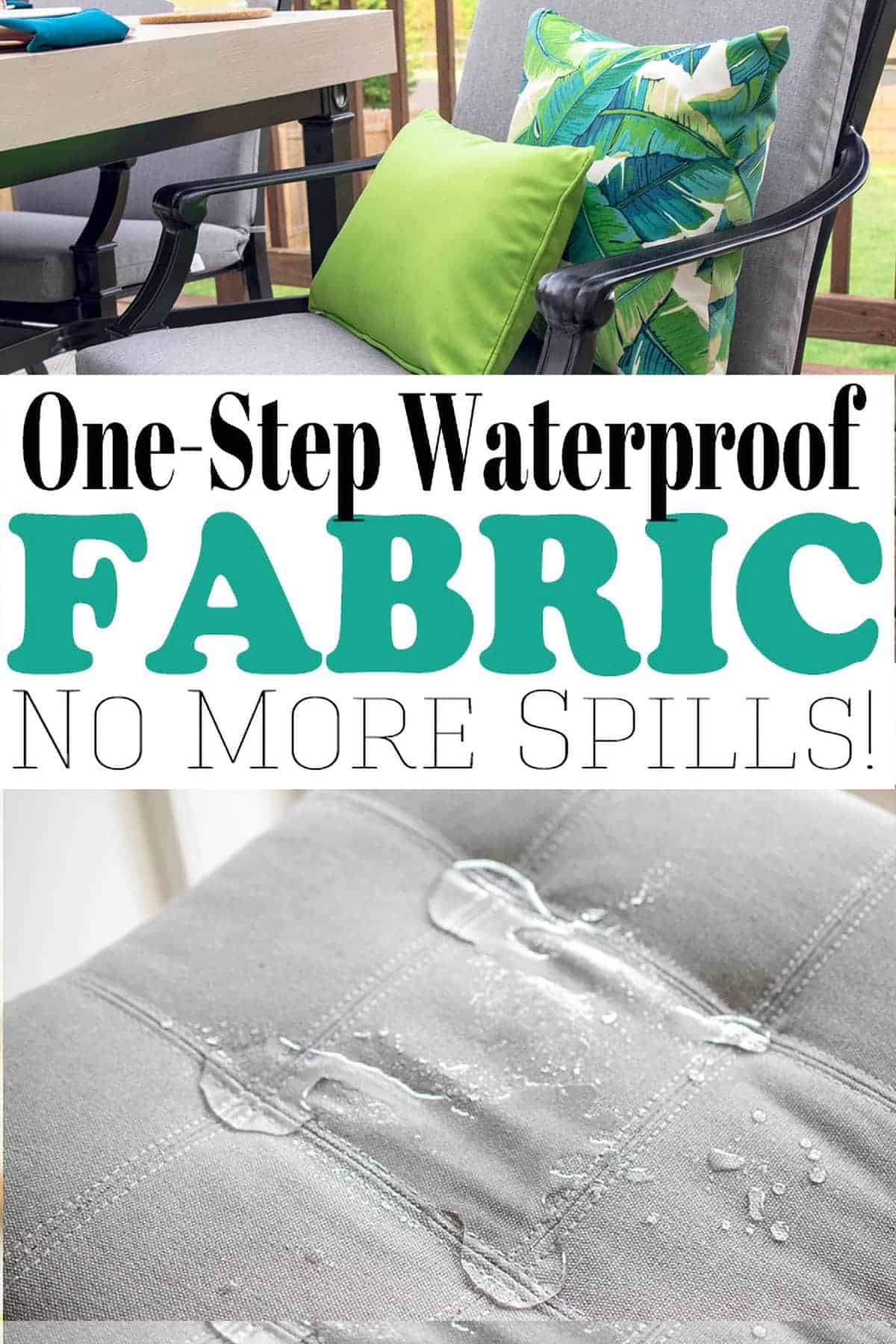
Credit: www.cravingsomecreativity.com
Frequently Asked Questions
How Do I Waterproof Outdoor Furniture Fabric Effectively?
To waterproof outdoor furniture fabric, clean it thoroughly first. Apply a fabric waterproofing spray evenly. Let it dry completely before use. Repeat application every few months for lasting protection against moisture and stains.
What Materials Are Best For Waterproof Outdoor Fabrics?
Synthetic fabrics like polyester and acrylic are best for waterproofing. They resist water naturally and hold waterproof sprays well. Avoid cotton as it absorbs water and dries slowly, making it less ideal for outdoor use.
Can I Waterproof Outdoor Cushions At Home?
Yes, you can waterproof outdoor cushions at home using sprays or waterproofing solutions. Clean cushions, spray evenly, and let them dry. This protects cushions from water damage and mildew, extending their outdoor life.
How Often Should I Reapply Waterproofing On Outdoor Fabric?
Reapply waterproofing every 6 to 12 months, depending on exposure. High sun or rain areas may need more frequent treatment. Regular reapplication maintains fabric’s water resistance and keeps it looking fresh.
Conclusion
Protecting your outdoor furniture fabric extends its life. Applying waterproof spray keeps water from soaking in. Regular cleaning helps maintain fabric quality and appearance. Cover your furniture during heavy rain or snow. Quick action prevents mold and unpleasant odors. Small efforts make a big difference in durability.
Enjoy your outdoor space without worrying about damage. Simple steps ensure your furniture stays fresh and strong. Keep your fabric dry and enjoy outdoor comfort longer.