Are you looking to add a personal touch to your outdoor space? Learning how to weave outdoor furniture can be a rewarding way to create unique, stylish pieces that reflect your taste.
Imagine sitting on a chair you made yourself, crafted with your own hands, bringing comfort and charm to your patio or garden. This guide will walk you through simple steps to start weaving your own outdoor furniture, even if you have no prior experience.
Stick with me, and you’ll discover how easy and satisfying this creative process can be. Ready to transform your outdoor area with beautiful, handmade furniture? Let’s dive in!
Choosing The Right Materials
Choosing the right materials is key for weaving outdoor furniture. The material affects the furniture’s durability, look, and comfort. Outdoor furniture faces sun, rain, and wind. Picking strong and weather-resistant fibers helps your furniture last longer. The feel and style also depend on the material you select.
Natural Vs Synthetic Fibers
Natural fibers come from plants or animals. Examples include rattan, wicker, and bamboo. They offer a warm, classic look. Natural fibers can be less durable outside. They may fade or break with moisture and sun exposure.
Synthetic fibers like resin or plastic are made to resist weather. They often mimic natural fibers but last longer. Synthetic materials resist fading, moisture, and pests. They need less care and stay strong in harsh weather.
Consider where the furniture will be. Natural fibers suit covered areas. Synthetic fibers fit open spaces better. Think about comfort and style too. Both types can create beautiful outdoor furniture.
Tools You’ll Need
Start with basic tools for weaving outdoor furniture. A pair of sharp scissors or snips helps cut fibers cleanly. A weaving needle or shuttle guides the fibers through tight spaces. Use gloves to protect your hands from rough materials.
A measuring tape ensures fibers are the right length. Clamps hold pieces steady while you work. Pliers help pull tight weaves and fix knots. Have a bucket of water nearby to keep natural fibers flexible.
These tools make weaving easier and more precise. The right tools save time and improve your final work. Prepare your workspace with good light and enough space to spread out your materials.
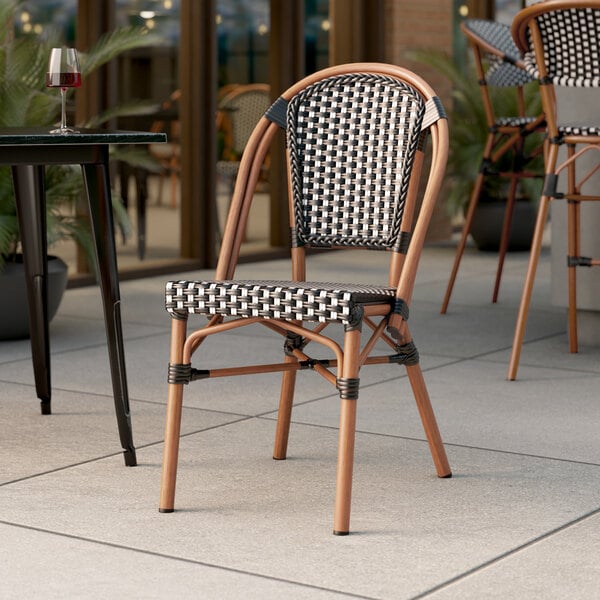
Credit: www.webstaurantstore.com
Preparing Your Workspace
Preparing your workspace is the first step in weaving outdoor furniture. A well-organized space helps you work smoothly and enjoy the process. It also keeps your tools safe and easy to find. Spend some time setting up before you start weaving. This makes the whole task simpler and more fun.
Setting Up A Comfortable Area
Choose a flat, clean surface to work on. A table or a sturdy bench works best. Make sure there is enough light to see your materials clearly. Sit on a comfortable chair to avoid back pain. Keep your workspace free from distractions. This helps you focus on your weaving project. A calm area speeds up your work and improves quality.
Organizing Materials And Tools
Gather all materials before starting. Sort weaving fibers, frames, and needles. Keep similar items together in small containers or trays. Place tools like scissors, pliers, and measuring tape nearby. Check if each tool works properly. Neatly arranged materials save time and reduce stress. You can find what you need quickly and avoid mistakes.
Basic Weaving Techniques
Basic weaving techniques form the foundation of crafting outdoor furniture. These methods create strong, attractive patterns that hold the materials together. Learning simple weaving styles helps you build beautiful and durable pieces. Start with easy patterns that anyone can follow.
Understanding these techniques improves your skill and confidence. It also allows you to customize designs to fit your style. Each method uses different motions and materials. Practicing these basics leads to better results in your projects.
Over-under Pattern
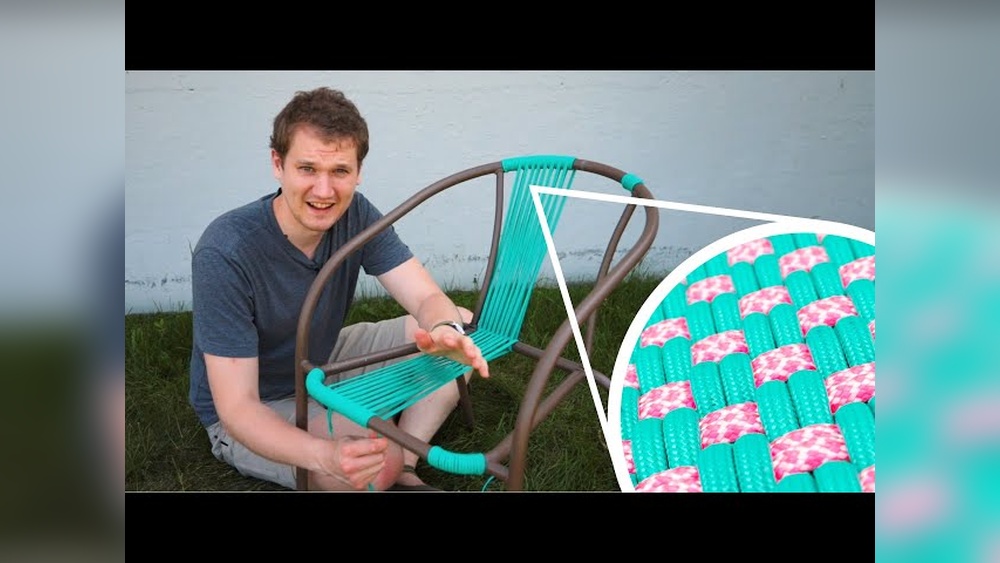
The over-under pattern is the simplest weaving technique. You pass one strand over and then under another. Repeat this pattern to create a tight weave. This method works well for seats and backs of chairs. It gives strong support and neat looks.
Start by placing vertical strands in a frame. Then weave horizontal strands over and under these. Keep the strands tight for a firm surface. This pattern is easy to learn and very useful.
Twining And Wrapping
Twining and wrapping add extra strength to your weaving. Twining means twisting two or more strands around a vertical strand. Wrapping covers the frame edges to hold strands in place. Both techniques protect the furniture from wear.
Use twining to join two strands firmly. Wrap strands around corners to hide sharp edges. These methods improve durability and add a neat finish. Practice twining and wrapping to enhance your weaving projects.

Credit: www.shopterrain.com
Weaving Furniture Frames
Weaving furniture frames is the foundation of sturdy outdoor furniture. It requires careful steps to ensure strength and beauty. The frame holds the shape and supports the weaving material. This section explains how to start and build up the frame properly. Follow these steps to create a strong base and solid sides for your furniture.
Starting The Base
Begin with a strong base made from durable materials like rattan or metal. Cut the frame pieces to the right size. Arrange them in a rectangle or square shape, matching your furniture design. Join the corners tightly using screws or strong adhesive. Check that the frame is level and stable before moving on. The base must hold the weight evenly. A well-built base prevents wobbling later.
Building Up The Sides
Next, add the side supports to the base. Attach vertical pieces at each corner first. These will hold the shape of the furniture. Add horizontal strips between the verticals for extra strength. Keep the frame tight and straight. Make sure all parts fit well without gaps. Strong sides help the woven material stay in place. This step shapes the furniture and prepares it for weaving.
Adding Decorative Elements
Adding decorative elements to outdoor furniture weaving makes your pieces stand out. These elements bring personality and charm to simple designs. They also create a unique look that fits your outdoor space. Small details can change the entire feel of your furniture.
Incorporating Patterns
Patterns bring life to woven furniture. Try weaving stripes, checks, or geometric shapes. Use different weaving techniques to create these effects. Patterns add visual interest and make your furniture more attractive. They help break the monotony of plain weaving. Experiment with simple shapes first. Gradually try more complex designs as you get confident.
Using Color And Texture
Color changes the mood of your furniture. Choose colors that match your outdoor setting. Bright colors add energy, while soft tones create calmness. Mix smooth and rough textures for a rich feel. Use different materials like rope, fabric, or natural fibers. Texture and color together enhance the furniture’s appeal. They make each piece unique and inviting.
Finishing Touches
Finishing touches give your woven outdoor furniture a polished, durable look. These final steps protect your work and improve its style. Paying close attention helps your furniture last longer outdoors.
Securing Loose Ends
Loose ends can make your furniture look messy and weaken its structure. Tuck or trim any extra weaving strands carefully. Use small knots or glue for extra hold. Check all sides to ensure every strand stays in place. Neat edges keep the weave tight and strong.
Applying Protective Coatings
Protective coatings guard your furniture against sun, rain, and dirt. Choose a clear varnish or outdoor sealant for best results. Apply thin, even layers with a brush. Let each coat dry before adding another. Coatings prevent damage and keep colors bright longer. Regularly reapply to maintain protection.
Maintenance Tips
Proper maintenance keeps your woven outdoor furniture looking fresh and strong. Regular care stops wear and damage early. Simple steps protect your investment and extend its life.
Cleaning Your Furniture
Start by removing loose dirt with a soft brush. Use a mild soap mixed with water for cleaning. Gently scrub the weave with a soft cloth or sponge. Rinse with clean water to remove soap. Let the furniture dry completely in the shade. Avoid harsh chemicals that can damage fibers. Clean your furniture every few weeks to keep it neat.
Repairing Minor Damages
Check the weave for small breaks or loose strands. Fix minor damages quickly to stop them from worsening. Use clear glue designed for outdoor use on loose ends. Press strands back into place and hold until dry. Replace broken strands with matching material if possible. Tighten any loose parts to keep structure firm. Regular checks help catch problems early and keep furniture sturdy.
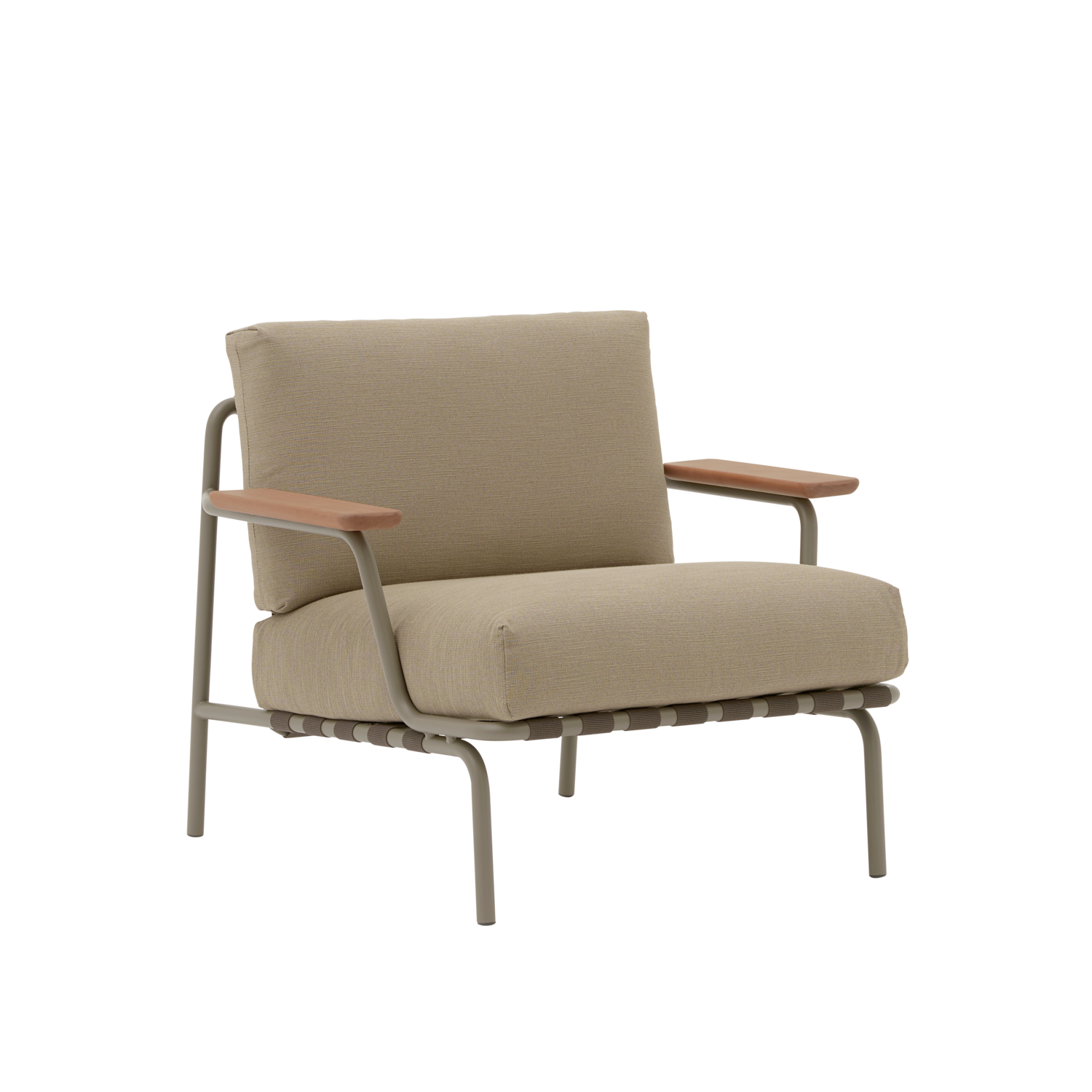
Credit: www.muuto.com
Frequently Asked Questions
What Materials Are Best For Weaving Outdoor Furniture?
Synthetic rattan, resin wicker, and weather-resistant fibers are ideal. These materials withstand sun, rain, and humidity without fading or breaking. They ensure durability and low maintenance, perfect for outdoor use.
How Do I Prepare Materials For Weaving Outdoor Furniture?
Clean and dry all weaving materials before starting. Cut fibers to uniform lengths for consistency. Soak natural fibers to increase flexibility and prevent breakage during weaving.
What Weaving Techniques Suit Outdoor Furniture Best?
Common techniques include basket weave, twill weave, and plain weave. These patterns provide strength and aesthetic appeal. Choose a technique based on furniture shape and desired durability.
How Can I Protect Woven Outdoor Furniture From Weather?
Apply UV-resistant spray or sealant to protect fibers from sun damage. Cover furniture during heavy rain or extreme weather. Regular cleaning removes dirt and prevents mold growth.
Conclusion
Weaving outdoor furniture takes patience and practice. Start with simple patterns and work your way up. Use strong, weather-resistant materials for best results. Take your time to keep the weave tight and even. Enjoy the process as you create something useful and beautiful.
With effort, your furniture will last through many seasons. Try different styles to find what suits your space. Keep learning, and your skills will improve over time. Making outdoor furniture by hand feels rewarding and fun. Give it a try and see what you can make!