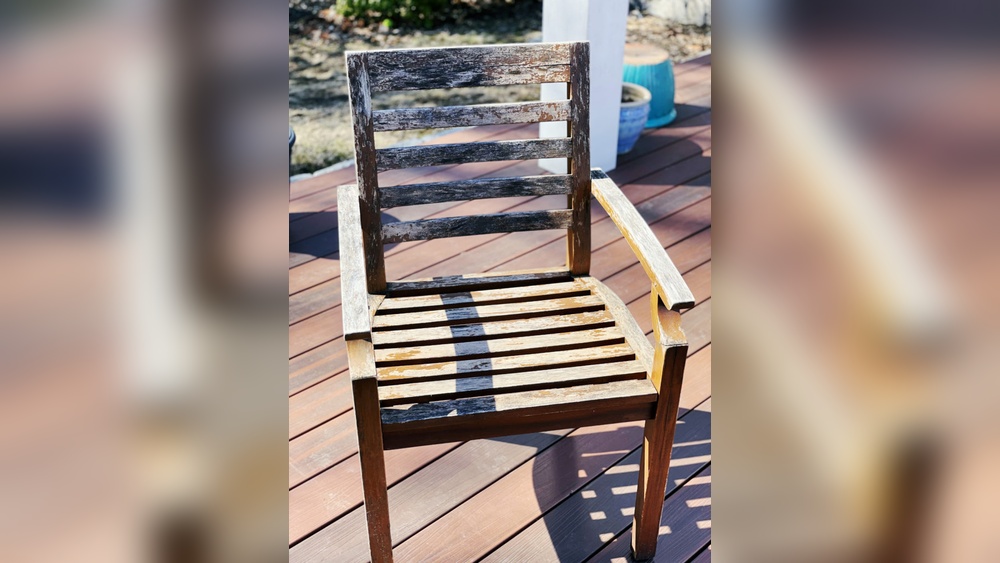
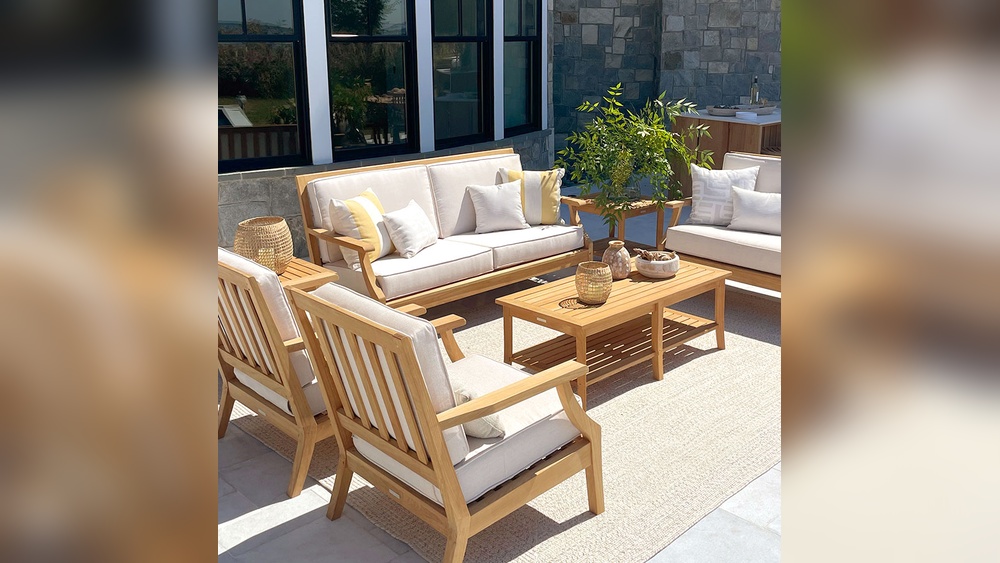
Are you thinking about choosing acacia wood for your outdoor furniture? It’s a popular option because of its rich color and natural beauty.
But before you bring it home, you might wonder: is acacia really good for outdoor use? You want furniture that not only looks great but also stands up to the weather and lasts over time. You’ll discover the real strengths and weaknesses of acacia wood for outdoor furniture.
You’ll learn how it handles rain, sun, and wear—and what maintenance it needs to keep looking its best. By the end, you’ll know if acacia is the right choice for your patio or garden setup. Let’s dive in and uncover the truth about acacia wood outside.
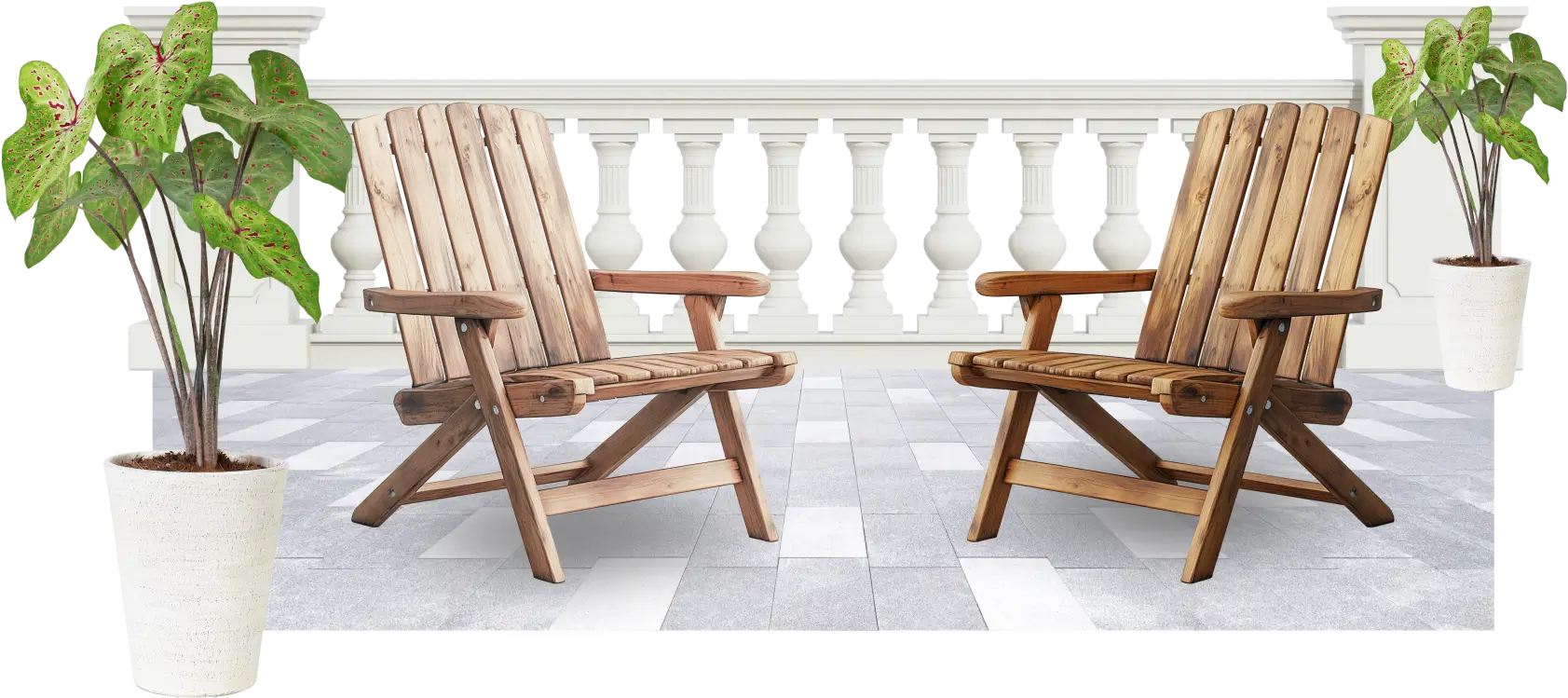
Credit: grillio.com
Acacia Wood Features
Acacia wood stands out as a popular choice for outdoor furniture. Its unique features make it suitable for various weather conditions. Understanding these characteristics helps in deciding if acacia fits your outdoor needs.
This section explores the key features of acacia wood that affect its performance and appearance outdoors.
Water Resistance
Acacia wood has natural oils that provide some water resistance. It can handle light rain and humidity better than many woods. Despite this, it is not fully waterproof. Prolonged exposure to moisture may cause swelling or warping. Treating the wood with sealants improves its water resistance. Regular maintenance helps prevent water damage and extends the wood’s life.
Hardness And Weight
Acacia is a hardwood, offering good durability and strength. It resists dents and scratches better than softwoods. This makes it suitable for outdoor furniture that faces daily use. Acacia wood is relatively heavy, which adds stability to furniture pieces. However, its weight can make moving furniture harder. The wood’s hardness also means it requires proper tools for cutting and shaping.
Appearance And Color
Acacia wood features a rich, warm color with natural grain patterns. Shades range from light amber to deep reddish-brown. Its attractive look fits well with many outdoor styles. Over time, the color may fade due to sun exposure. Applying UV-protectant finishes helps preserve its vibrant appearance. The wood’s smooth texture adds to its aesthetic appeal.
Durability Factors
Durability plays a key role in choosing the right wood for outdoor furniture. Acacia wood offers a natural beauty but its ability to withstand outdoor conditions depends on certain factors. Understanding these durability factors helps in deciding if acacia is suitable for your outdoor use. Below are the main aspects that affect acacia wood’s durability outdoors.
Moisture And Humidity Impact
Acacia wood is water-resistant but not fully waterproof. Constant exposure to moisture can cause the wood to swell or warp. High humidity levels increase the risk of mold and mildew growth. Treating the wood with sealants helps reduce damage from water. Regular maintenance is essential to keep moisture from weakening the furniture.
Temperature Effects
Extreme temperatures affect acacia wood’s stability. Heat can cause the wood to dry out and crack. Cold weather may lead to shrinking and warping. Direct sunlight can fade the wood’s natural color over time. Using protective covers or placing furniture in shaded areas helps extend its lifespan.
Scratch And Dent Resistance
Acacia is a hardwood, which makes it fairly resistant to scratches and dents. Heavy or sharp objects can still leave marks on the surface. Frequent use may gradually wear down the finish. Applying protective coatings can improve scratch resistance. Careful handling helps maintain the wood’s smooth appearance.
Maintenance Needs
Acacia wood offers a warm, natural look for outdoor furniture but needs regular care. Proper maintenance keeps it strong and beautiful for years. Without attention, acacia can fade, crack, or warp due to weather changes. Understanding its maintenance needs helps you enjoy your furniture longer.
Cleaning Techniques
Clean acacia furniture gently with a soft cloth. Use mild soap mixed with water for dirt or stains. Avoid harsh chemicals or ammonia cleaners. These can dry out the wood and cause damage. Rinse with clean water and dry thoroughly after cleaning. Regular cleaning prevents buildup and keeps the wood fresh.
Oiling And Sealing
Apply oil to nourish the wood and prevent drying. Use oils made for hardwoods like teak or linseed oil. Oiling should be done every few months or when the wood looks dry. After oiling, consider sealing the wood with a clear outdoor sealant. Sealing locks moisture out and protects against cracks and splits.
Uv Protection
Sunlight can cause acacia wood to fade and lose color. Use a UV-protective finish to shield the wood from harmful rays. Reapply UV protection yearly or as needed. Cover furniture or move it to shaded areas when possible. Protecting from UV rays keeps the wood looking vibrant and new.
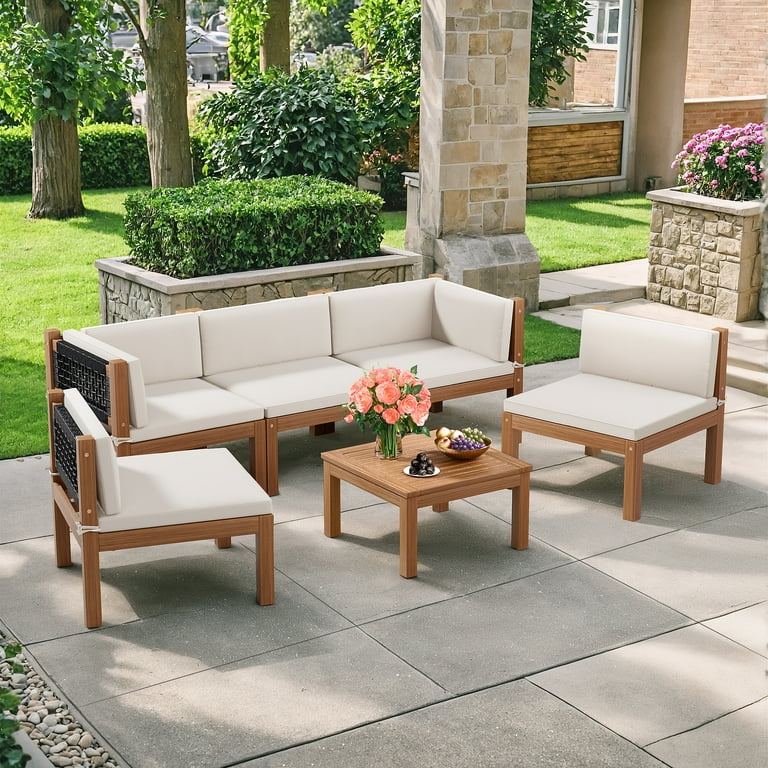
Credit: www.walmart.com
Health And Safety
Choosing acacia for outdoor furniture involves understanding its health and safety aspects. This wood has unique properties that affect its safe use in home environments. Knowing these details helps protect your family and maintain furniture quality.
Toxicity Concerns
Some acacia species contain natural chemicals that can irritate the skin. These toxins may cause allergic reactions in sensitive people. Handling raw acacia wood requires gloves and protective clothing. Finished furniture usually poses no toxicity risk. Avoid sanding or cutting acacia indoors without proper ventilation. Proper sealing of the wood reduces contact with any harmful compounds.
Dust And Respiratory Risks
Sanding or cutting acacia wood creates fine dust particles. Breathing this dust can harm your lungs and airways. Use a dust mask or respirator during these activities. Work outside or in well-ventilated areas to limit dust exposure. Keep children and pets away from woodworking zones. Regular cleaning of workspaces reduces airborne dust levels. Taking these steps ensures safer handling of acacia wood.
Comparing Acacia To Other Woods
Choosing the right wood for outdoor furniture is important. Acacia is one option among many. Comparing acacia to other woods helps understand its strengths and weaknesses. This guide looks at acacia alongside popular alternatives. It highlights key differences to help you decide.
Wood type affects durability, appearance, and cost. Each wood offers unique benefits for outdoor use. Knowing these details ensures you pick furniture that lasts and looks good.
Acacia Vs Teak
Teak is famous for outdoor furniture due to natural oils. These oils protect it from rain and insects. Acacia also has some resistance but less than teak. Teak weathers well and needs less care over time.
Acacia furniture requires regular oiling and sealing. Without this, it can crack or warp in wet weather. Teak holds its shape better in harsh climates. Both woods are strong and heavy. Acacia offers a rich, warm color, while teak has a golden hue that ages gracefully.
Cost And Quality Variations
Acacia is usually less expensive than teak. This makes it a budget-friendly choice for many buyers. Quality varies more in acacia because of different species and sources. Some acacia wood may have knots or uneven grains.
Teak tends to have more consistent quality. Its long growth period and controlled harvesting add to the price. Acacia furniture may need more maintenance to keep its look. Teak’s natural durability can save money on repairs over time.
Practical Tips For Outdoor Use
Acacia wood offers a natural beauty that suits outdoor furniture well. To keep it looking great and lasting long, practical care is essential. This section shares easy tips for using acacia furniture outside.
Placement And Shelter
Place acacia furniture in shaded or partially covered areas. Avoid direct sunlight to prevent fading and cracking. A covered patio or under an awning works well. Keep it away from puddles or damp ground to reduce moisture damage. Using furniture covers during bad weather helps protect the wood.
Seasonal Care
Clean the furniture regularly with a soft cloth and mild soap. Avoid harsh chemicals that dry out the wood. Apply a suitable oil or sealant once every few months. This prevents the wood from drying and cracking. In winter, store furniture indoors or cover it tightly to avoid frost damage.
Handling And Moving
Acacia wood can be heavy and needs careful handling. Lift furniture instead of dragging it to prevent scratches. Use two people for large pieces to avoid drops or damage. Regularly check for loose joints or screws and tighten them to keep the furniture stable.
Style And Design Options
Acacia wood offers a wide range of style and design options for outdoor furniture. Its natural grain and warm tones create a welcoming feel in any outdoor space. The versatility of acacia allows it to fit both classic and modern settings. This wood adapts well to different furniture types, finishes, and custom designs, making it a popular choice for outdoor living areas.
Furniture Types
Acacia wood suits many outdoor furniture styles. Common pieces include dining sets, benches, chairs, and coffee tables. Its strength supports sturdy frames for loungers and daybeds. Garden benches and swing seats made from acacia add charm. The wood’s natural look blends with metal or wicker elements.
Finish Choices
Acacia wood accepts various finishes to enhance its appearance. Clear sealants highlight the wood’s grain and color. Stains add richness or change hues without hiding texture. Matte and glossy varnishes protect the surface from weather damage. Oil finishes keep the wood nourished and prevent drying out. Each finish type affects the furniture’s look and durability.
Customization Possibilities
Acacia wood allows creative customization for outdoor furniture. Carved details add personality and style. Painted designs brighten up plain surfaces. Different wood cuts show varied grain patterns for unique looks. Combining acacia with other materials creates contrast and interest. Custom sizes and shapes fit specific spaces or needs. This wood adapts well to personal tastes and outdoor themes.
Credit: www.reddit.com
Frequently Asked Questions
Can Acacia Wood Be Left Outside In The Rain?
Acacia wood resists water but is not waterproof. Treat and seal it before rain exposure. Regular maintenance prevents warping and damage.
What Is The Downside Of Acacia Wood?
Acacia wood can warp or crack from moisture and temperature changes. It requires frequent maintenance and can be heavy. Scratches are common, and sanding may release toxic dust, posing health risks. Quality varies by species, affecting durability and cost.
How Long Does Acacia Wood Last Outside?
Acacia wood lasts 5 to 10 years outdoors with proper treatment and maintenance. Untreated wood may warp or crack sooner. Regular sealing protects it from moisture and UV damage.
Is Acacia Wood Okay For Outdoor Furniture?
Acacia wood suits outdoor furniture but needs regular sealing to resist moisture and sun damage. It requires frequent maintenance to prevent warping and fading. Acacia is durable yet sensitive to weather changes, so treat it properly for long-lasting use outdoors.
Conclusion
Acacia wood offers a natural, warm look for outdoor furniture. It resists water better than many woods but needs care. Treat it well to avoid damage from rain and sun. Regular cleaning and oiling keep it strong and beautiful. Be mindful of its weight and possible scratches.
Choose quality wood and handle sanding safely. Acacia suits outdoor use if you maintain it properly. It blends style with nature for your outdoor space.