Choosing the right wood for your outdoor furniture can make all the difference in comfort, style, and durability. You might be wondering whether acacia or teak is better for your patio or garden setup.
Both woods have unique qualities that can affect how your furniture looks and lasts over time. You’ll discover the key differences between acacia and teak, so you can make an informed choice that fits your needs and budget. Keep reading to find out which wood will truly transform your outdoor space.
Wood Characteristics
Choosing wood for outdoor furniture means knowing its basic traits. Wood characteristics affect beauty, strength, and lifespan. Acacia and teak differ in these areas. Understanding these differences helps in picking the right wood.
Grain And Texture
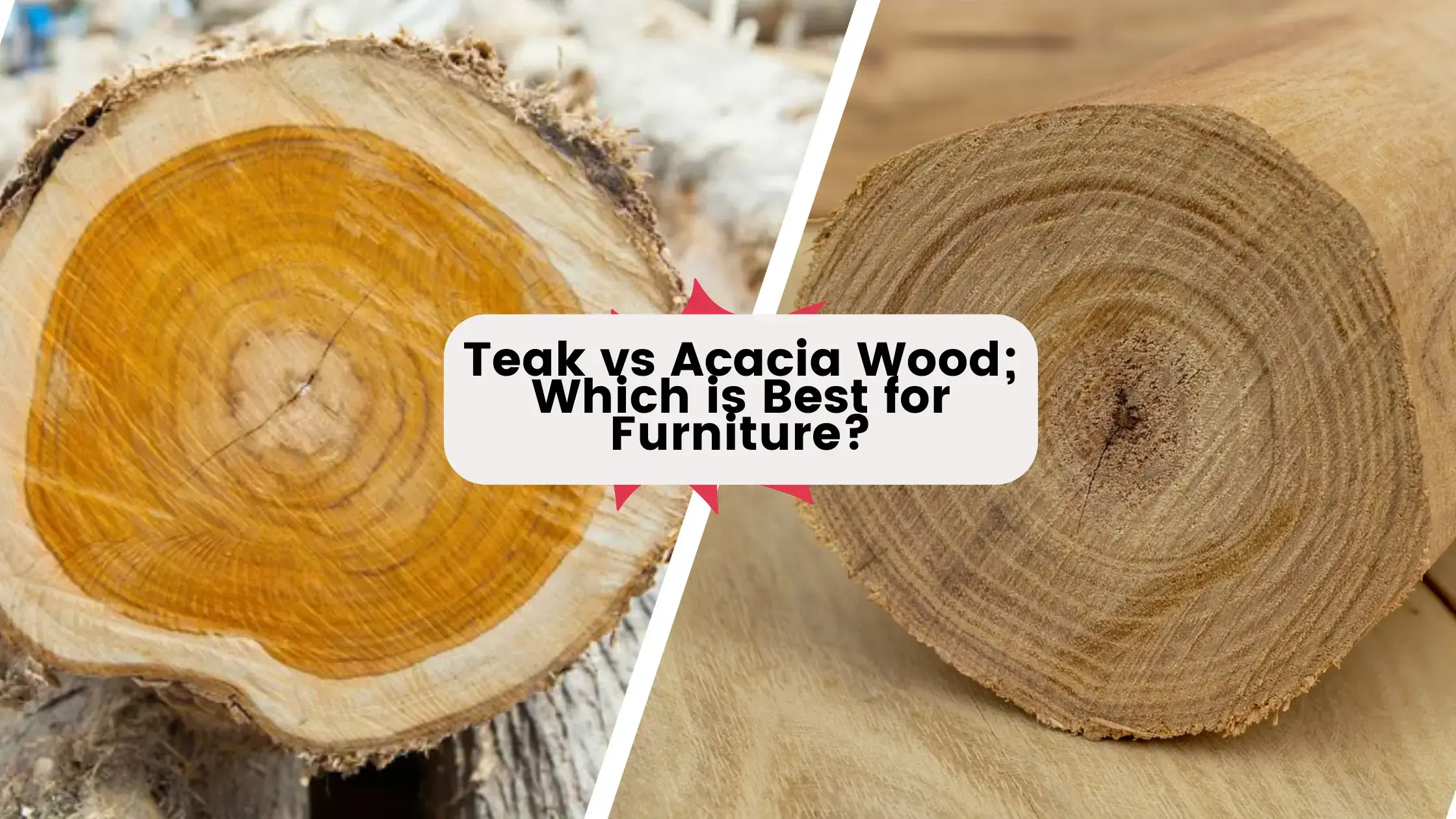
Acacia has a coarse and uneven grain. It shows natural knots and swirls. This gives a rustic and lively look. Teak has a straight and smooth grain. Its texture feels even and soft. Both woods bring unique styles to outdoor spaces.
Color Variations
Acacia ranges from light amber to rich brown. Colors can change with exposure to sun and rain. Teak starts with golden brown tones. Over time, it weathers to a silver-gray shade. Each wood ages differently but looks attractive.
Durability
Acacia is tough and resists wear well. It handles moisture but may need treatment. Teak is highly durable and natural oil protects it. It resists water, bugs, and decay strongly. Both woods last long, but teak performs better outdoors.

Credit: thepopular.co.uk
Weather Resistance
Choosing the right wood for outdoor furniture means thinking about weather resistance. Furniture faces rain, sun, and bugs every day. Both acacia and teak offer strong protection but differ in some ways.
Water Resistance
Teak is well known for its natural oils. These oils keep water out and stop the wood from swelling or cracking. Acacia is also water-resistant but less so than teak. It may need more treatment to stay protected in wet conditions.
Uv Protection
Sunlight can fade and damage wood over time. Teak has a natural ability to resist UV rays. It keeps its color longer with less fading. Acacia can fade faster under strong sun. Regular sealing helps protect acacia from sun damage.
Pest Resistance
Insects and pests can harm outdoor furniture. Teak’s natural oils make it hard for bugs to eat the wood. Acacia is tougher but can attract pests if untreated. Treating acacia with insect repellent extends its life outdoors.
Maintenance Needs
Outdoor furniture must endure sun, rain, and dust. Maintenance needs differ between acacia and teak. Knowing how to care for each wood helps keep furniture strong and good-looking. Regular care can extend the life of your outdoor pieces.
Cleaning Tips
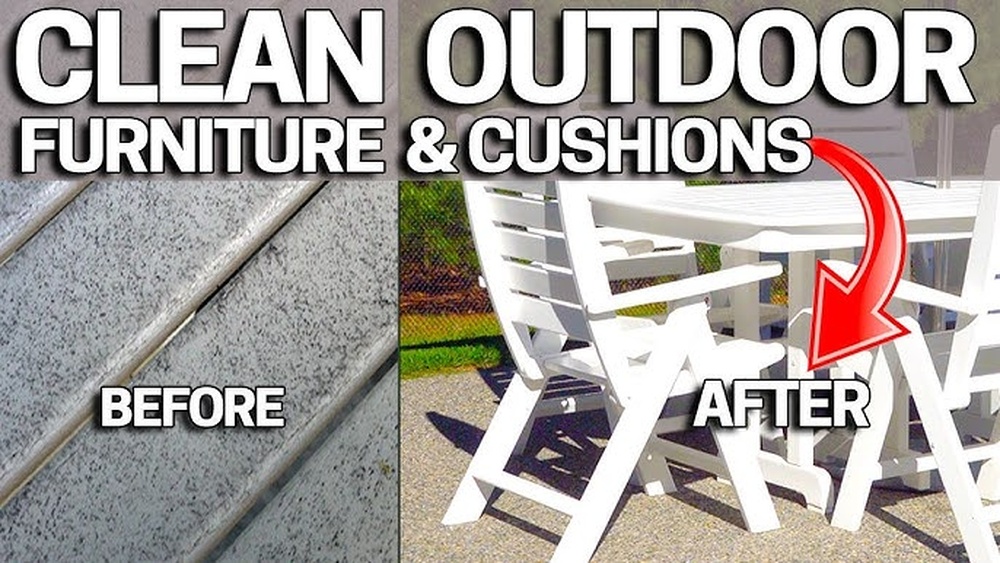
Acacia furniture needs gentle cleaning with mild soap and water. Avoid harsh chemicals that can damage the wood. Use a soft brush to remove dirt and debris. Rinse well and dry with a cloth to prevent water stains.
Teak is more resistant to weather but still needs cleaning. Use a teak cleaner or mild soap and water. Scrub lightly to remove dirt and mildew. Dry teak furniture thoroughly to keep it looking fresh.
Refinishing Frequency
Acacia requires more frequent refinishing to keep its color and protect it from cracking. Sand the surface lightly and apply a wood oil or sealant every six months. This prevents fading and keeps the wood strong.
Teak has natural oils that protect it longer. Refinishing is needed about once a year or less. Clean the surface, then apply teak oil or a clear finish to restore its warm tone and shield it from damage.
Longevity With Care
Acacia furniture lasts well if cleaned and refinished often. Proper care prevents warping and cracking under sun and rain. Expect several years of use with good maintenance.
Teak is highly durable and can last decades outdoors. With basic cleaning and occasional oiling, it resists rot and insects. Well-maintained teak furniture remains strong and beautiful for many years.
Environmental Impact
Choosing wood for outdoor furniture means thinking about the environment. Both acacia and teak have different effects on nature. Knowing their environmental impact helps make better choices. This section explains key factors about their sustainability.
Sustainability Factors
Acacia grows fast and can be harvested quickly. It helps reduce pressure on slow-growing trees. Teak grows slower and takes longer to mature. This means teak needs more time before it can be used. Fast growth in acacia means less deforestation risk. Teak forests are often older and more valuable for wildlife. Both woods have pros and cons in sustainability.
Harvesting Practices
Acacia is often grown on plantations for furniture wood. Plantations can be managed to protect natural forests. Teak is sometimes harvested from natural forests. Unsustainable teak logging can harm forest ecosystems. Responsible harvesting means cutting trees without damaging the forest. Acacia plantations can be replanted quickly after harvest. Teak requires careful management to avoid overharvesting.
Eco-friendly Certifications
Look for eco-friendly labels when buying wood furniture. Certifications like FSC show the wood comes from well-managed forests. Both acacia and teak can have FSC certification. This ensures the wood is harvested responsibly. Certified wood supports forest conservation and fair labor. Choosing certified wood reduces environmental harm. It also supports sustainable forestry practices worldwide.
Cost Comparison
Cost plays a big role when choosing wood for outdoor furniture. Both acacia and teak have different price points. Knowing the cost differences helps you pick the best option for your budget. Let’s break down the costs into initial price, long-term investment, and value for money.
Initial Price
Acacia furniture usually costs less than teak. This wood is easier to find and grows faster. Teak is rare and takes many years to mature. That makes teak more expensive at first. If you want a budget-friendly choice, acacia fits better.
Long-term Investment
Teak lasts longer outside without much care. Its natural oils protect it from water and insects. Acacia needs more maintenance to stay strong. Over time, teak may save money on repairs and replacements. Acacia might cost more in upkeep and early wear.
Value For Money
Acacia offers good quality for a lower price. It suits those who want style without high costs. Teak gives excellent durability and beauty but at a higher price. If you want furniture that lasts many years, teak provides better value.

Credit: jardina.com
Design And Style
Design and style play a big role in choosing wood for outdoor furniture. Both acacia and teak offer unique looks and feel. They can shape the mood and charm of your outdoor space. Let’s explore how each wood ranks in design and style.
Aesthetic Appeal
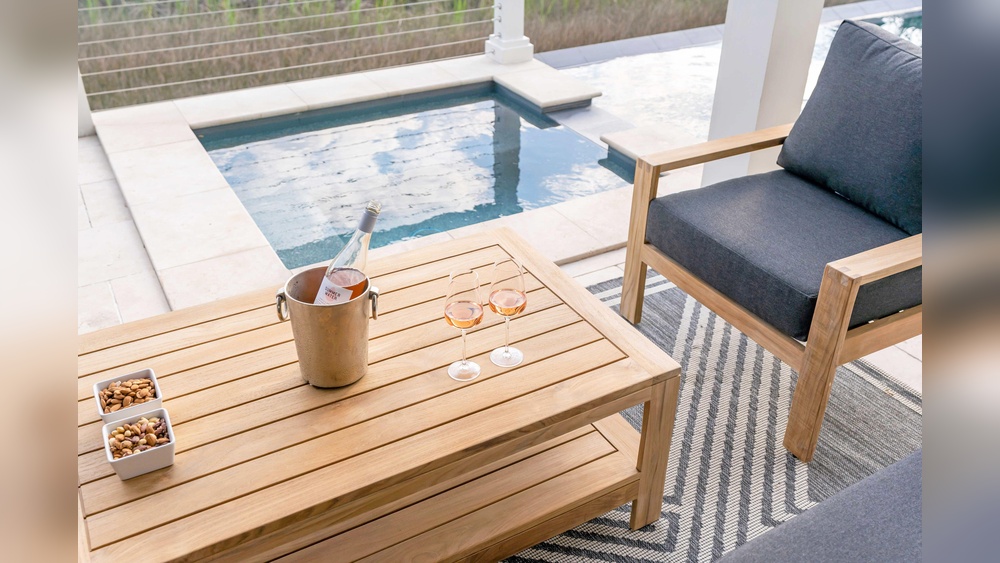
Teak has a rich, warm color that ages beautifully. Its natural oils keep the wood looking smooth and shiny. Acacia shows a more varied pattern with darker grains. It has a rustic, natural look that fits many outdoor themes. Both woods bring a timeless beauty to furniture.
Versatility In Design
Acacia adapts well to many styles, from modern to classic. Its grain and color can fit casual or formal settings. Teak shines in elegant and minimalist designs. It offers a clean, polished appearance. Both woods suit different outdoor furniture shapes and sizes.
Customization Options
Acacia accepts stains and paints easily, allowing color changes. It can be carved or shaped with less risk of cracking. Teak needs less finishing but can be oiled for a richer tone. Both can be tailored to fit your personal style and outdoor needs.
Best Uses
Choosing the right wood for outdoor furniture depends on its best uses. Both acacia and teak offer unique benefits. Each wood type suits different furniture and outdoor settings. Understanding their ideal uses helps make the right choice.
Ideal Furniture Types
Teak works well for high-end outdoor pieces. It is perfect for dining tables, benches, and lounge chairs. Its smooth finish adds a classic look to any garden.
Acacia is great for casual furniture. It fits well with picnic tables, stools, and small side tables. Its natural grain adds a warm, rustic feel.
Suitable Outdoor Conditions
Teak thrives in wet and humid climates. It resists water and pests without much maintenance. It can handle rain and sun exposure very well.
Acacia suits dry or moderate climates. It needs regular oiling to stay strong. It is less resistant to heavy rain but durable under sun.
User Preferences
People who want low upkeep prefer teak. It lasts long and stays beautiful with little care. Users who enjoy a natural wood look often choose acacia.
Those on a budget find acacia affordable. It offers good durability and style at a lower price. Teak buyers focus on long-term investment and elegance.
Expert Tips
Choosing between acacia and teak for outdoor furniture can be tricky. Both have strong points. Experts share tips to help make the best choice. These tips cover wood selection, care, and lasting strength.
Choosing The Right Wood
Acacia is affordable and has a warm color. It suits many outdoor styles. Teak is pricier but resists water and insects well. It has a rich, golden tone that ages nicely. Pick wood that fits your budget and style.
Maintenance Hacks
Clean both woods regularly with mild soap and water. Avoid harsh chemicals that can damage the surface. Use teak oil on teak to keep its shine. For acacia, apply a wood sealer to protect it from rain and sun.
Maximizing Durability
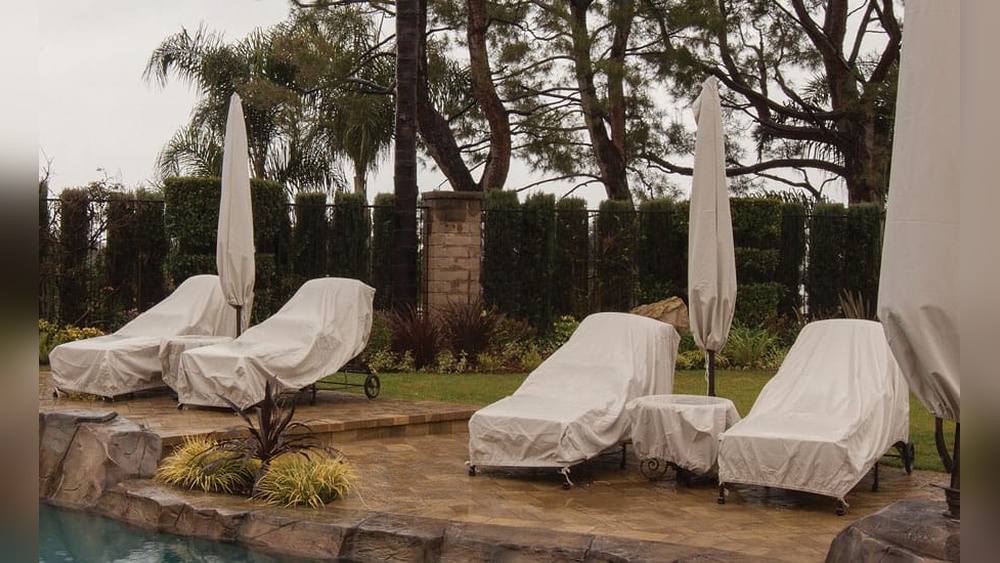
Place furniture in shaded areas to reduce sun damage. Cover furniture during heavy rain or winter months. Tighten screws and check joints every few months. Store cushions indoors to prevent mold and fading.
Credit: surenspace.com
Frequently Asked Questions
Which Wood Lasts Longer, Acacia Or Teak?
Teak wood generally lasts longer due to its natural oils and dense grain. Acacia is durable but requires more maintenance to resist weathering outdoors.
Is Acacia Or Teak More Weather-resistant?
Teak is more weather-resistant because of its natural oils that repel water and pests. Acacia needs regular sealing to maintain its resistance.
Which Wood Is More Affordable For Outdoor Furniture?
Acacia is usually more affordable than teak, making it a budget-friendly option. Teak’s higher cost reflects its durability and premium quality.
How Do Maintenance Needs Differ Between Acacia And Teak?
Teak requires minimal maintenance, needing occasional oiling. Acacia needs more frequent sealing and cleaning to prevent cracking and fading outdoors.
Conclusion
Both acacia and teak offer strong choices for outdoor furniture. Acacia is affordable and has a warm, rich color. Teak lasts longer and resists water very well. Consider your budget and how much care you want to give. Think about the style and feel you prefer.
Both woods bring natural beauty to your outdoor space. Choose the one that fits your needs best. Either way, your furniture will look great and serve you well.