Are you wondering if covering your outdoor furniture with waterproof covers is really worth it? You’ve invested in pieces that make your outdoor space comfortable and stylish.
But weather, dirt, and wear can quickly take a toll. Should you protect your furniture with waterproof covers, or is it better to leave them exposed? This article will help you make the right choice for your furniture’s longevity and your peace of mind.
Keep reading to find out what really works and why it matters to you.
Credit: www.wayfair.com
Benefits Of Waterproof Covers
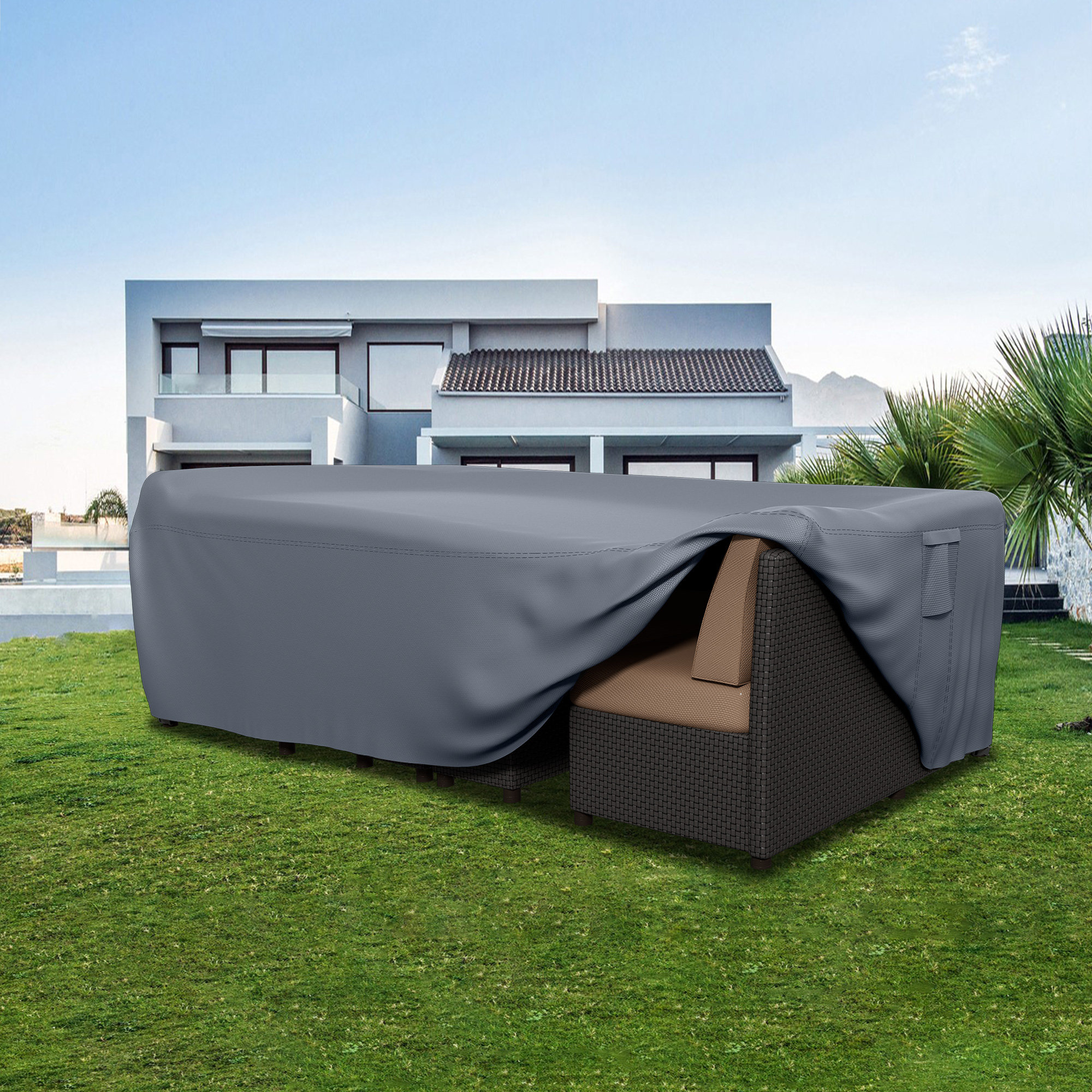
Waterproof covers add many benefits to outdoor furniture. They help keep your furniture safe and last longer. Covers block water, dirt, and sun damage. This keeps your outdoor space clean and inviting. Using waterproof covers is a smart choice for every home.
Protection Against Rain And Moisture
Rain and moisture can cause wood to swell and metal to rust. Waterproof covers stop water from reaching your furniture. This prevents mold and mildew growth. Your furniture stays dry and strong. No more worrying about rainy days ruining your setup.
Preventing Uv Damage
Sunlight can fade colors and weaken materials. Waterproof covers shield furniture from harmful UV rays. This keeps colors bright and materials firm. Your furniture looks newer for longer. Sun protection is key to maintaining a fresh outdoor look.
Reducing Dirt And Debris Accumulation
Leaves, dust, and dirt can pile up on outdoor furniture. Covers act as a barrier, blocking debris from settling. Cleaning becomes easier and less frequent. Your furniture stays neat without extra effort. A cover saves time and keeps the area tidy.
Drawbacks Of Using Waterproof Covers
Waterproof covers seem like a perfect solution to protect outdoor furniture. They keep rain and dirt away. But they also have some drawbacks that people often miss. These covers can sometimes cause more harm than good. Understanding these downsides helps you make a better choice for your furniture care.
Potential For Mold And Mildew
Waterproof covers trap moisture under the fabric. This creates a damp space where mold and mildew grow easily. Mold can damage the furniture and create bad smells. It also affects the air quality around your outdoor area. Regularly removing the cover helps, but moisture buildup is still a risk.
Trapping Heat And Moisture
These covers do not allow air to flow freely. Heat builds up under the cover on sunny days. Moisture from rain or humidity gets trapped too. This combination can cause the furniture material to weaken or warp. Over time, the trapped heat and moisture reduce the furniture’s lifespan.
Wear And Tear On Furniture Surfaces
Waterproof covers can rub against the furniture surface. Wind causes the cover to move, creating friction. This constant rubbing wears down paint and finishes. It can also scratch delicate surfaces like wood or metal. Using covers without soft linings increases the chance of surface damage.
When To Use Waterproof Covers
Knowing when to use waterproof covers can protect your outdoor furniture from damage. These covers act as a shield against water and moisture. Using them at the right time helps keep your furniture in good shape for years.
During Heavy Rainfall Or Snow
Heavy rain or snow can soak your furniture quickly. Water can cause rust, mold, and wood decay. Waterproof covers stop water from reaching the furniture. Use covers during storms to keep everything dry and safe.
Long-term Storage Periods
Storing furniture for many months needs extra care. Dust, dirt, and moisture can build up over time. Waterproof covers protect against these elements. They keep your furniture clean and dry during storage.
Unoccupied Outdoor Spaces
Furniture left unused outside faces many risks. Sun, wind, and rain can wear it down. Waterproof covers offer a strong barrier. Cover furniture in empty spaces to preserve its quality and look.

Credit: www.amazon.com
Alternatives To Waterproof Covers
Waterproof covers protect outdoor furniture from rain and dirt. Yet, they are not the only way to keep furniture safe. Some options offer better air flow and prevent moisture build-up. These alternatives help furniture last longer without trapping humidity.
Using Breathable Furniture Covers
Breathable covers allow air to flow through the fabric. This stops moisture from getting trapped under the cover. It also reduces the chance of mold and mildew. These covers protect against dust and light rain. They are lighter and easier to handle than waterproof ones.
Applying Protective Sealants
Protective sealants add a shield to wood and metal surfaces. They block water and sun damage. Sealants keep furniture looking fresh for a longer time. You need to reapply them every season or year. This method works well with natural materials like wood and wicker.
Storing Furniture Indoors
Storing furniture indoors offers the best protection. It keeps furniture safe from harsh weather and pests. Use a garage, shed, or basement if possible. This method avoids the need for covers or treatments. Make sure the storage place is dry and clean.
Choosing The Right Cover Material
Choosing the right cover material for outdoor furniture is important. It protects your furniture from rain, sun, and dust. The material affects how well the cover works and how long it lasts. Picking a suitable cover helps keep your furniture safe and looking good.
Breathability Vs. Waterproofing
Breathable covers allow air to pass through. This stops moisture from building up under the cover. Moisture can cause mold and mildew. Waterproof covers block water completely. They keep rain and snow off your furniture. But waterproof covers can trap moisture inside. A balance between breathability and waterproofing is best. This keeps furniture dry and prevents damage.
Durability And Uv Resistance
Outdoor covers face sun, wind, and rain every day. Strong materials last longer and protect better. UV resistance stops the cover from fading and breaking. Look for covers made from heavy-duty polyester or vinyl. These materials resist tearing and sun damage. Durable covers save money by needing fewer replacements.
Ease Of Use And Maintenance
Choose covers that are easy to put on and take off. Lightweight covers are simpler to handle. Look for covers with straps or elastic edges for a tight fit. Washable covers make cleaning simple. Regular cleaning keeps covers fresh and extends their life. Easy care helps you protect your furniture better.
Expert Tips For Covering Outdoor Furniture
Covering outdoor furniture protects it from rain, dust, and sun damage. Using waterproof covers helps keep furniture dry and clean. Proper use of covers extends the life of your furniture. Follow these expert tips for best results.
Ensuring Proper Fit And Ventilation
Choose covers that fit your furniture well. Too loose covers can blow away in wind. Too tight covers may trap moisture. Look for covers with ventilation panels. These panels stop mold and mildew growth. Proper airflow keeps furniture fresh and dry.
Regular Cleaning And Cover Maintenance
Clean covers regularly to remove dirt and debris. Use mild soap and water for cleaning. Avoid harsh chemicals that may damage the cover. Let covers dry completely before placing them back. Check for tears or holes and repair them fast. Clean covers last longer and protect better.
Timing Cover Application And Removal
Cover furniture before bad weather or long periods of no use. Remove covers during sunny, dry days to air out furniture. Avoid leaving covers on wet furniture as it traps moisture. Proper timing prevents mold and keeps furniture in good shape.
Credit: figleafcushioncovers.com
Frequently Asked Questions
Is It Necessary To Cover Outdoor Furniture With Waterproof Material?
Covering outdoor furniture with waterproof material protects it from rain, moisture, and UV damage. This prolongs furniture life and maintains its appearance. Waterproof covers prevent mold, rust, and fading, keeping furniture in good condition during harsh weather.
Can Waterproof Covers Damage Outdoor Furniture?
Properly fitted waterproof covers do not damage furniture. However, tight or ill-fitting covers can trap moisture, causing mildew. It’s important to use breathable, high-quality covers to avoid condensation and protect furniture surfaces from scratches or discoloration.
How Often Should Outdoor Furniture Covers Be Cleaned?
Outdoor furniture covers should be cleaned every few months or after heavy use. Regular cleaning prevents dirt buildup and mold growth. Use mild soap and water, then air dry covers completely before reusing to ensure maximum protection and longevity.
Are Waterproof Covers Better Than Waterproof Furniture Treatments?
Waterproof covers provide immediate, physical protection against weather. Waterproof treatments penetrate furniture surfaces to repel water but may wear off. Combining both methods offers the best protection, enhancing durability and maintaining furniture quality for longer periods.
Conclusion
Covering outdoor furniture with waterproof covers helps protect it from rain and dirt. It keeps furniture dry and clean for longer use. Covers also prevent fading caused by sun damage. Still, good airflow is important to avoid mold. Choose breathable, well-fitting covers for best results.
Protecting your furniture saves money on repairs and replacements. Simple steps make your outdoor space look nice year-round. Think about weather and how often you use the furniture. Covering is a smart way to keep your furniture safe and fresh.