
Choosing the right varnish for your outdoor furniture can feel tricky. You want something that protects your pieces from sun, rain, and wear—but also keeps them looking great.
Using the wrong varnish might cause peeling, fading, or damage over time. You’ll discover exactly which varnish suits your outdoor furniture best. By the end, you’ll know how to keep your furniture safe, beautiful, and ready for every season. Keep reading to find the perfect finish for your outdoor space!
Types Of Outdoor Varnish
Choosing the right varnish is key for protecting outdoor furniture. Different types of varnish offer unique benefits. Each type reacts differently to weather and wear. Knowing these varnishes helps you pick the best one for your needs.
Oil-based Varnish
Oil-based varnish is thick and durable. It soaks deep into the wood, offering strong protection. It resists water and sunlight well. It takes longer to dry but creates a hard, long-lasting finish. This varnish gives a warm, rich color to wood.
Water-based Varnish
Water-based varnish dries fast and has low odor. It keeps the wood’s natural color clear and bright. This varnish is easy to clean with soap and water. It is less harmful to the environment. It is a good choice for light-colored wood.
Spar Varnish
Spar varnish is made for outdoor use. It is flexible and expands with wood changes. This varnish protects well from sun, rain, and wind. It resists cracking and peeling over time. Spar varnish keeps wood safe in tough weather.
Polyurethane Varnish
Polyurethane varnish is strong and tough. It forms a hard shell over the wood surface. This varnish resists scratches and stains easily. It works well for high-use furniture. Polyurethane can be oil-based or water-based for different finishes.
:max_bytes(150000):strip_icc()/280-Finishing-Outdoor-Projects-2000-e39d1c27f6334cf082054b38903f75cb.jpg)
Credit: www.woodmagazine.com
Factors To Consider
Choosing the right varnish for outdoor furniture needs care. Different varnishes protect wood in different ways. Knowing key factors helps you pick the best one. These factors keep your furniture safe and looking good for years.
Weather Resistance
Outdoor furniture faces rain, wind, and cold. Varnish must stop water from soaking in. It should also resist cracking in cold weather. Good weather resistance keeps wood strong and dry. This stops rotting and swelling over time.
Uv Protection
The sun’s rays can fade and damage wood. Some varnishes block harmful UV rays. This helps keep color and wood texture fresh. UV protection also stops wood from turning gray. Choose varnish with strong UV blockers for long life.
Durability
Outdoor furniture gets heavy use and wear. Varnish should stand up to scratches and bumps. A durable varnish lasts longer without peeling or cracking. This saves time and money on repairs. Look for varnish made for tough outdoor use.
Drying Time
Quick drying varnish lets you finish faster. It helps avoid dust and bugs sticking to wet surfaces. Some varnishes need many hours or days to dry. Pick one with drying time that fits your schedule. This makes your project smoother and easier.
Best Varnish For Different Wood Types
Choosing the best varnish depends on the type of wood used in outdoor furniture. Different woods have unique properties and needs. Using the right varnish protects the wood from weather and wear. It also keeps the furniture looking fresh and new for longer. Here, we explore the best varnish options for popular outdoor woods like teak, cedar, pine, and eucalyptus.
Teak
Teak is a dense, oily wood that resists water well. Use a spar varnish or marine varnish for teak. These varnishes allow the wood to breathe and handle moisture. They also protect teak’s natural oils and golden color. Avoid thick varnishes that can peel off teak’s smooth surface.
Cedar
Cedar has natural oils that fight rot and insects. Use a water-based varnish to keep cedar’s reddish tone bright. This varnish dries fast and resists cracking. It also offers good UV protection to prevent fading. Avoid oil-based varnishes that may darken cedar too much.
Pine
Pine is softer and absorbs moisture easily. Use a polyurethane varnish with UV blockers for pine furniture. It creates a hard, protective layer against sun and rain. Choose a clear finish to keep pine’s light, natural look. Apply multiple thin coats for best results.
Eucalyptus
Eucalyptus is strong but can dry out and crack. Use an exterior varnish with flexible properties for eucalyptus. This type moves with the wood during weather changes. It also protects against mildew and water damage. Reapply varnish every year for lasting protection.
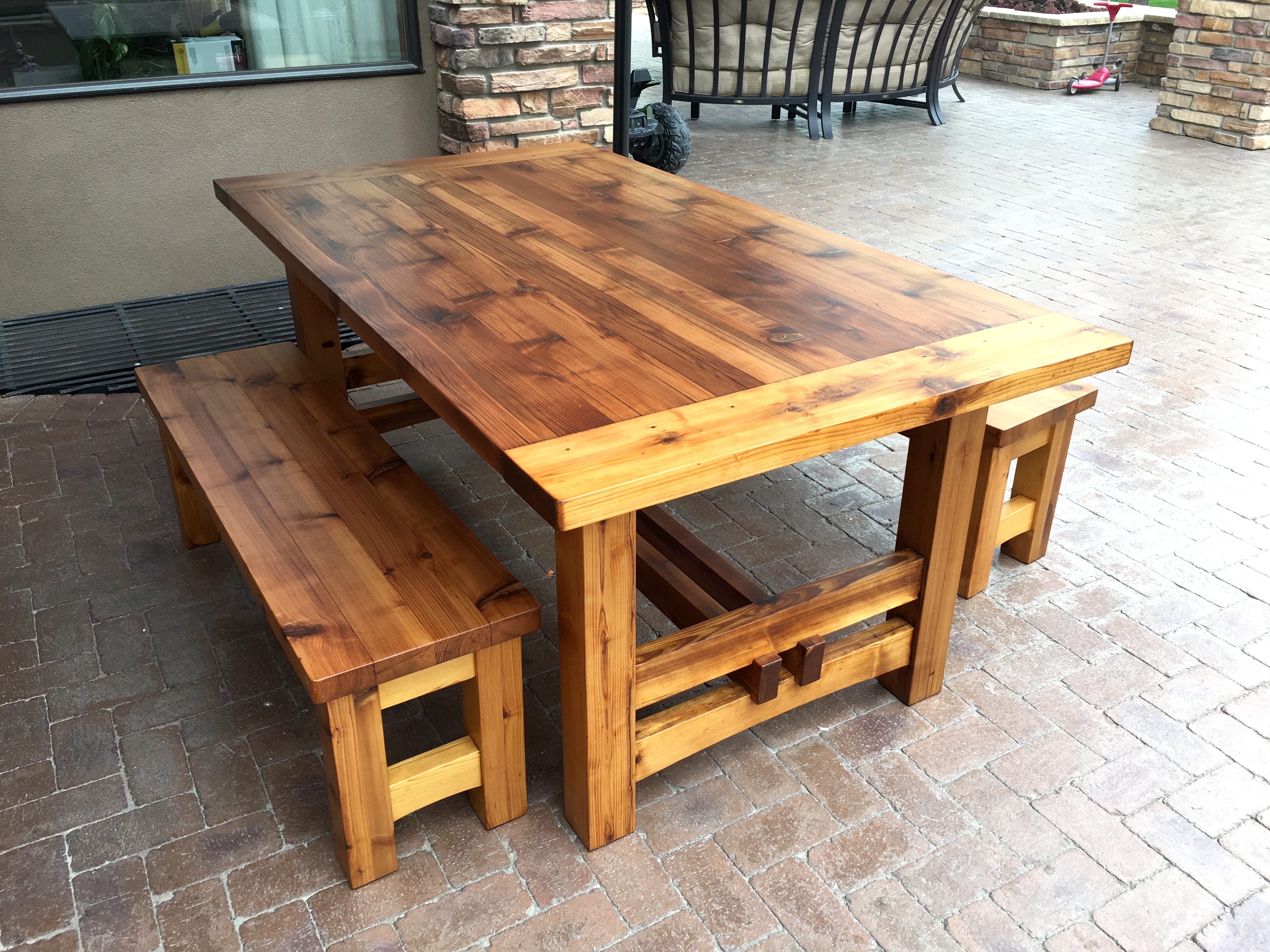
Credit: thewoodwhisperer.com
Application Tips
Applying varnish to outdoor furniture needs care and the right steps. Proper application protects wood from sun, rain, and wear. It also keeps the furniture looking fresh for years. Follow these key tips for a smooth and lasting finish.
Surface Preparation
Start by cleaning the furniture well. Remove dirt, dust, and old paint or varnish. Sand the surface lightly to make it smooth. Use fine-grit sandpaper for best results. Wipe off dust with a damp cloth. Let the wood dry fully before varnishing.
Number Of Coats
Apply at least two coats of varnish for good protection. Thin coats work better than thick ones. Let each coat dry completely before applying the next. This prevents peeling and bubbles. More coats may be needed for rough or old wood.
Tools And Techniques
Use a good quality brush or foam applicator. Apply varnish in long, even strokes along the wood grain. Avoid over-brushing to stop streaks and bubbles. Work in a shaded area to help varnish dry evenly. Keep tools clean for a smooth finish.
Maintenance
Check your furniture regularly for signs of wear. Clean it gently with mild soap and water. Reapply varnish every 1-2 years to keep protection strong. Store furniture under cover during harsh weather. This extends the life of the varnish and wood.
Common Mistakes To Avoid
Choosing the right varnish for outdoor furniture is important. Avoiding common mistakes helps your furniture last longer. These errors can cause peeling, cracking, or fading. Learn what to avoid for a smooth, durable finish.
Applying In Humid Conditions
Varnish does not dry well in humid weather. Moisture slows the drying process. This can cause a sticky or uneven finish. Always check the weather before applying varnish. Choose a dry day with low humidity.
Skipping Sanding
Sanding is key for good varnish adhesion. It creates a rough surface for the varnish to grip. Skipping sanding makes the varnish peel easily. Lightly sand the furniture before each coat. Clean dust off before varnishing.
Using Indoor Varnish Outdoors
Indoor varnish does not protect against weather well. It can crack or wear off quickly outside. Outdoor varnish has special ingredients to resist sun and rain. Always pick varnish labeled for outdoor use. This keeps your furniture safe and beautiful.
Comparing Popular Brands
Choosing the right varnish for outdoor furniture can be tricky. Many brands offer different benefits and protection levels. Comparing popular brands helps you pick the best option for your needs.
Each brand has unique features. These features affect durability, finish, and ease of use. Understanding these differences can save time and money.
Brand A Features
Brand A provides strong weather resistance. It protects wood from rain and sun damage. This varnish dries quickly, saving time during application. It also offers a clear, glossy finish that enhances wood beauty. Brand A is easy to apply with a brush or spray.
Brand B Features
Brand B focuses on long-lasting protection. It contains UV blockers that prevent fading. This varnish is thicker, offering extra durability. It resists cracking and peeling for years. Brand B works well on all types of wood.
Brand C Features
Brand C is known for its eco-friendly formula. It has low odor and low VOCs. This varnish is ideal for people sensitive to strong smells. Brand C creates a smooth, satin finish. It also provides good water resistance and protects against mildew.

Credit: www.axminstertools.com
Frequently Asked Questions
What Type Of Varnish Is Best For Outdoor Furniture?
Spar urethane varnish is ideal for outdoor furniture. It offers excellent water resistance and UV protection. This varnish remains flexible to withstand weather changes. It prevents cracking and peeling, ensuring long-lasting durability.
How Often Should Outdoor Furniture Be Varnished?
Outdoor furniture should be varnished every 1 to 2 years. Regular maintenance protects the wood from moisture and sun damage. Inspect the finish yearly to check for wear. Reapply varnish when the surface looks dull or worn.
Can I Use Indoor Varnish On Outdoor Furniture?
Indoor varnish is not recommended for outdoor furniture. It lacks UV protection and water resistance needed outdoors. Using indoor varnish may cause peeling and damage quickly. Always choose varnishes specifically formulated for outdoor use.
Is Oil-based Or Water-based Varnish Better Outdoors?
Oil-based varnish provides stronger water resistance and durability outdoors. Water-based varnish dries faster and has low odor but less protection. For harsh weather, oil-based varnish is more reliable. Consider environmental factors when choosing between the two.
Conclusion
Choosing the right varnish protects outdoor furniture well. It keeps wood safe from sun and rain damage. Water-resistant varnishes last longer and need less care. Clear varnishes show the wood’s natural beauty. Always apply varnish in thin, even layers. Let each layer dry fully before adding the next.
This helps the finish stay strong and smooth. Regular maintenance keeps furniture looking fresh and new. A good varnish choice saves money and time in the long run. Protect your outdoor furniture, and enjoy it for years.


