Are you thinking about bringing your wicker indoor furniture outside? You might love the look and comfort it offers inside your home, but is it really a good fit for your outdoor space?
Before you move that cozy chair or stylish sofa to your patio, it’s important to know how wicker holds up against the elements. You’ll discover the truth about using wicker indoor furniture outdoors, so you can make the best choice for your space and enjoy it for years to come.
Keep reading to find out if your wicker pieces can handle the great outdoors or if you should think twice.

Credit: www.mcgeeandco.com
Wicker Furniture Types
Wicker furniture comes in different types. Each type has unique features. Knowing these types helps decide if wicker suits outdoor use.
Natural Wicker
Natural wicker is made from plant materials like rattan, bamboo, or willow. It looks warm and cozy indoors. It feels light and comfortable.
Natural wicker is not very strong against rain or sun. It can fade, crack, or break if left outside for long. It needs special care and protection to last outdoors.
Synthetic Wicker
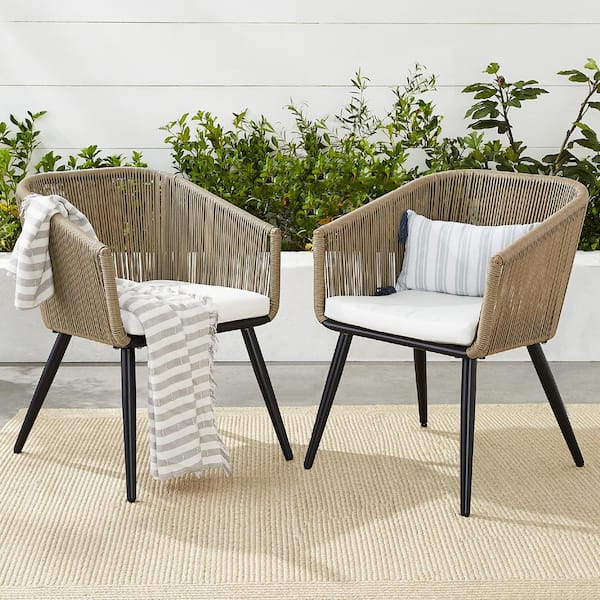
Synthetic wicker is made from plastic materials like resin or vinyl. It mimics the look of natural wicker but is more durable. It handles rain, sun, and humidity well.
Synthetic wicker requires less care and cleans easily. It stays strong and colorfast even outside. This type suits outdoor spaces better than natural wicker.
Credit: www.homedepot.com
Durability Factors
Durability is key when choosing wicker furniture for outdoor use. Understanding the factors that affect its strength helps you decide if indoor wicker suits your outdoor space. Some wicker types handle outdoor conditions better than others. Knowing what to expect keeps your furniture looking good longer.
Weather Resistance
Wicker made for indoors often lacks strong weather resistance. Rain, wind, and temperature changes can damage it quickly. Natural wicker absorbs water and can crack or warp. Synthetic wicker resists weather better but still needs care. Look for furniture designed to handle outdoor climates.
Uv Protection
Sunlight fades colors and weakens wicker fibers. Indoor wicker usually has little or no UV protection. Prolonged sun exposure causes brittleness and breaks. Outdoor wicker includes UV-resistant coatings to stay vibrant. This protection extends furniture life and keeps it attractive.
Moisture Impact
Moisture is a major threat to wicker indoors. Natural wicker absorbs water and grows mold or mildew. It can rot over time if left damp. Synthetic wicker handles moisture better and dries faster. Proper care and quick drying reduce damage from moisture.
Maintenance Tips
Wicker indoor furniture can look great outdoors, but it needs care to last long. Proper maintenance keeps it strong and beautiful. This section covers simple tips to clean, store, and repair your wicker furniture. Follow these steps to protect your investment.
Cleaning Methods
Dust your wicker furniture often using a soft brush or cloth. Use a vacuum with a brush attachment to remove dirt from crevices. For deeper cleaning, mix mild soap with warm water. Dip a soft cloth or sponge into the solution and gently wipe the furniture. Avoid soaking the wicker as water can damage it. Let the furniture dry in a shaded, well-ventilated area. Do not use harsh chemicals or abrasive cleaners. They can weaken the fibers.
Storage Recommendations
Store wicker furniture indoors during bad weather or winter months. Keep it in a dry place to prevent mold and mildew. Cover it with a breathable fabric cover to protect from dust and sunlight. Avoid plastic covers, as they trap moisture. Move furniture away from direct sunlight to stop fading. Elevate pieces off the ground to prevent water damage. Proper storage extends the life of your wicker furniture.
Repair Techniques
Check your wicker furniture regularly for loose strands or broken fibers. Use wood glue to fix small breaks or loose ends. Apply glue carefully and press strands back into place. For larger damage, consider using a wicker repair kit available online. Tighten any loose screws or bolts to keep the structure firm. Sand rough edges gently with fine sandpaper. Repairing early stops further damage and maintains appearance.
Design And Comfort
Design and comfort play important roles in choosing wicker furniture for outdoor use. This furniture style offers a unique blend of visual charm and cozy seating. Understanding these factors helps in deciding if indoor wicker suits outdoor spaces.
Aesthetic Appeal
Wicker furniture brings a natural, warm look to any setting. Its woven texture adds depth and character. The light, airy design fits well with garden and patio themes. Many colors and finishes match various outdoor decors. It creates a welcoming, stylish atmosphere.
Comfort Levels
Indoor wicker furniture is often softer and more cushioned. It provides good back support and a relaxing seat. Outdoor use may require special cushions that resist moisture. Comfort depends on cushion quality and frame design. Proper padding enhances long hours of enjoyment.
Versatility In Spaces
Wicker furniture adapts easily to different outdoor areas. It suits patios, balconies, and covered porches. Lightweight pieces can be moved to follow the sun or shade. Its design complements both casual and formal settings. This versatility makes wicker a popular choice for many homes.
Cost Considerations
Cost is a key factor when deciding if wicker indoor furniture suits outdoor use. It affects your budget and satisfaction with the purchase. Understanding price differences and long-term value helps in making a smart choice.
Price Comparison
Indoor wicker furniture usually costs less than outdoor versions. The materials are lighter and less durable. Outdoor wicker furniture uses stronger, weather-resistant materials. These factors make outdoor pieces pricier but built to last.
Prices vary widely based on design and brand. Indoor pieces may look similar but lack protection. This can lead to damage outdoors, costing more in repairs or replacement.
Long-term Value
Outdoor wicker furniture offers better value over time. It resists sun, rain, and temperature changes. This durability reduces the need to replace furniture often.
Indoor wicker furniture outdoors may wear out fast. Costs add up with repairs or buying new sets. Investing in outdoor-specific wicker saves money and effort later.

Credit: www.wickerliving.com
Expert Recommendations
Experts share clear advice on using indoor wicker furniture outdoors. Their tips help protect your investment and keep furniture looking great. Understanding the best ways to use indoor wicker outside avoids common problems. Expert advice guides you in choosing the right furniture for your space.
Best Uses For Indoor Wicker Outdoors
Indoor wicker can work outdoors in covered areas. Places like porches or sunrooms protect it from rain and sun. Avoid placing indoor wicker furniture in direct sunlight or wet conditions. Use cushions that dry quickly to prevent mold. Bringing indoor wicker furniture inside during bad weather extends its life. Regular cleaning with a soft brush removes dirt and dust. These steps help maintain indoor wicker’s beauty outdoors.
Alternative Outdoor Materials
Materials like synthetic wicker or resin are better for open outdoor use. They resist water and UV rays without damage. Metal and treated wood also work well outside. These materials need less care and last longer in harsh weather. Choose outdoor-specific furniture for places with heavy rain or sun. This choice saves time and money on repairs or replacement. Consider your climate and space before buying furniture.
Frequently Asked Questions
Is Wicker Indoor Furniture Suitable For Outdoor Use?
Wicker indoor furniture can be used outdoors temporarily. However, it lacks weather resistance and may deteriorate quickly if exposed to rain or sun. For long-term outdoor use, consider specially treated or synthetic wicker designed to withstand outdoor conditions.
How Durable Is Indoor Wicker Furniture Outside?
Indoor wicker furniture is less durable outside. It can fade, crack, or weaken due to moisture and UV rays. Regular exposure to outdoor elements shortens its lifespan compared to outdoor-specific wicker furniture made with weatherproof materials.
Can I Protect Indoor Wicker Furniture For Outdoor Use?
Yes, you can protect indoor wicker furniture outdoors by using waterproof covers and placing it in shaded areas. Applying sealants may help but won’t fully prevent damage from prolonged exposure to rain and sunlight.
What Are The Risks Of Using Indoor Wicker Furniture Outdoors?
Using indoor wicker furniture outdoors risks material damage, mold growth, and fading. It is not designed to handle moisture or UV exposure, leading to structural weakness and a shorter usable life.
Conclusion
Wicker indoor furniture can work outside with care and caution. It may not last long in harsh weather. Protect it from rain and strong sun. Use covers or keep it in shaded spots. Regular cleaning helps maintain its look and strength.
Choose indoor wicker only for mild climates or covered patios. For better durability, outdoor-specific wicker suits rough weather best. Think about where and how you plan to use it. Wicker’s charm and comfort make it tempting, but care is key.


