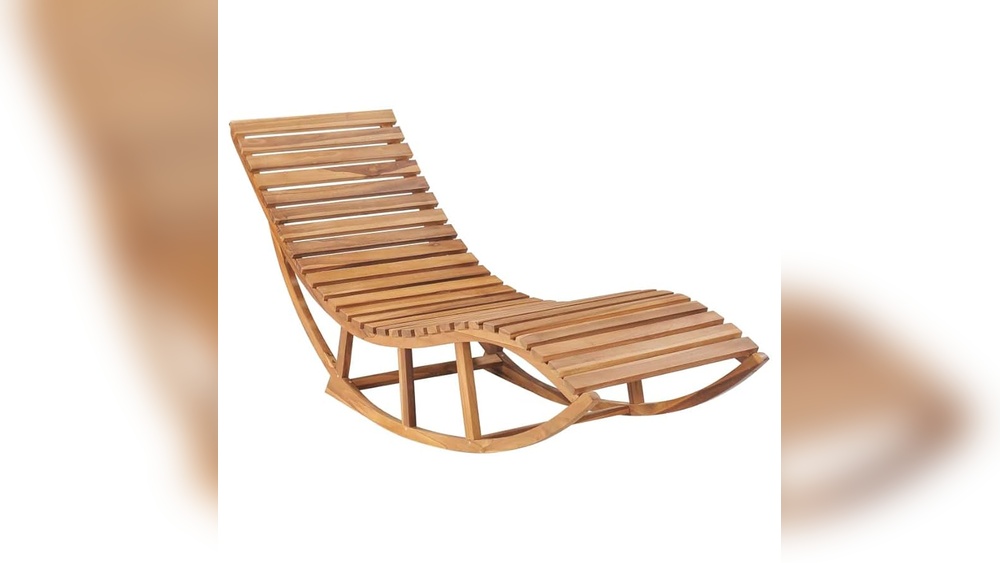
Are you wondering if wood furniture is the right choice for your outdoor space? You want something that looks great, lasts long, and feels comfortable.
But is wood really a good fit for outdoor furniture? This question matters because your outdoor area deserves furniture that can handle weather changes and still keep its charm. Keep reading to discover the truth about wood furniture outdoors and find out if it’s the perfect match for your backyard, patio, or garden.
Your ideal outdoor setup might be closer than you think!
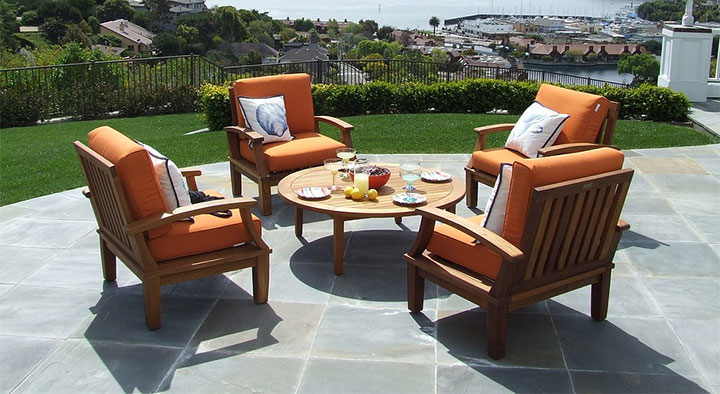
Credit: mindfuldesignconsulting.com
Types Of Wood Used Outdoors
Wood is a popular choice for outdoor furniture. It adds warmth and natural beauty. Different types of wood handle outdoor conditions in various ways. Some woods resist weather and insects better. Others need treatment to last longer outside.
Understanding wood types helps you choose the best option. This section explains the main types used outdoors.
Hardwoods Vs Softwoods
Hardwoods come from broad-leaf trees. They are dense and strong. Examples include oak and teak. Hardwoods usually last longer outside. Softwoods come from pine and fir trees. They grow faster but are less dense. Softwoods often need treatment to resist damage. Both types can work well outdoors with care.
Popular Outdoor Wood Varieties
Teak is highly durable and weather-resistant. It contains natural oils that repel water. Cedar smells nice and resists insects. Redwoods resist rot and decay well. Pine is affordable but less durable. It needs protection from moisture and bugs. Choosing the right wood depends on climate and budget.
Treated Vs Untreated Wood
Treated wood has chemicals that protect against rot and insects. It lasts longer in damp conditions. Untreated wood is natural but can decay faster. It may need paint or sealant for protection. Always check if the wood is safe for outdoor use. Treated wood often costs more but saves maintenance time.
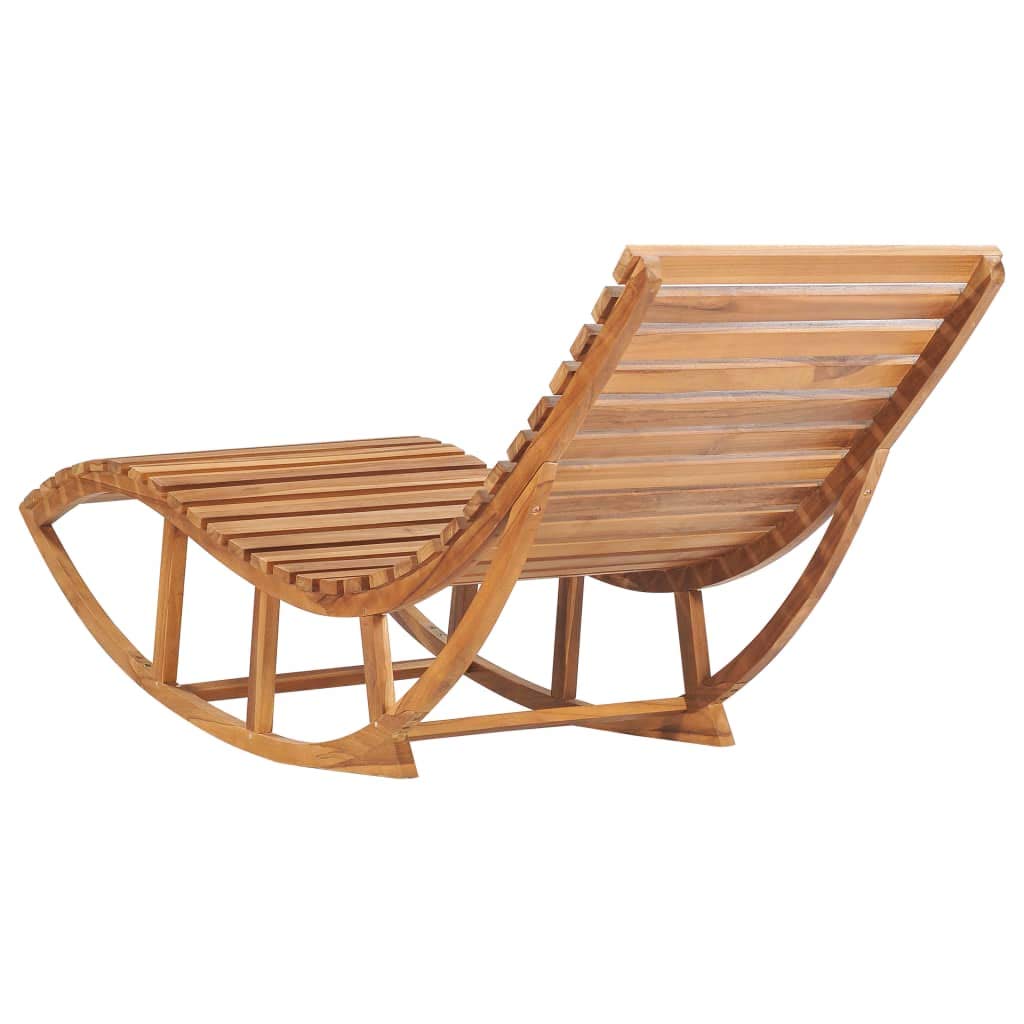
Credit: www.amazon.com
Durability Factors For Wood Furniture
Wood furniture is a popular choice for outdoor spaces. Its natural look adds warmth and style. Durability is key for outdoor wood pieces. Several factors affect how long wood furniture lasts outside.
Understanding these durability factors helps you choose the right wood. It also guides proper care to keep furniture strong and beautiful.
Weather Resistance
Wood faces sun, rain, wind, and cold outside. Some woods handle these changes better than others. Hardwoods like teak and cedar resist fading and cracking. Their oils protect wood fibers from damage. Treated wood also fights wear from weather. Proper finishes create barriers against sun and moisture. Good weather resistance means longer life for outdoor furniture.
Moisture And Rot Protection
Water can harm wood by causing swelling and rot. Wood that absorbs water weakens and breaks down faster. Certain woods resist water better, like redwood and cypress. Applying sealants prevents water from soaking in. Keeping furniture dry and clean stops mold and decay. Proper moisture control is vital for lasting wood furniture.
Insect And Pest Resistance
Insects like termites destroy wood by eating it inside. Some woods naturally repel bugs, such as teak and cedar. Chemical treatments add extra protection against pests. Regular inspection finds early signs of insect damage. Quick action helps save wood from serious harm. Insect resistance ensures your outdoor furniture stays safe and strong.
Maintenance Tips For Longevity
Wood outdoor furniture needs care to last long. Proper maintenance keeps it strong and good-looking. Simple steps protect wood from sun, rain, and wear. Follow these tips to enjoy your furniture for years.
Cleaning And Sealing
Clean wood furniture regularly to remove dirt and dust. Use a soft brush or cloth with mild soap and water. Avoid harsh chemicals that can damage the wood surface.
After cleaning, apply a sealant to protect wood from moisture. Choose a sealant made for outdoor wood. This layer stops water from soaking in and causing cracks or rot.
Storage During Harsh Weather
Store wood furniture in a dry place during heavy rain or snow. Cover it with waterproof covers if indoor storage is unavailable. This prevents water damage and mold growth.
Remove cushions and store them separately. Keep furniture off cold, wet ground to avoid wood swelling or warping. Proper storage extends furniture life significantly.
Repairing And Refinishing
Check furniture for cracks, splinters, or loose parts. Fix small damages quickly to stop problems from growing. Sand rough spots to smooth the surface before refinishing.
Refinish wood furniture every few years. Use outdoor wood paint or stain to restore color and add protection. This keeps furniture looking fresh and strong over time.
Comparing Wood To Other Outdoor Materials
Choosing the right material for outdoor furniture is important. Wood stands out for its natural beauty and warmth. Comparing wood with other materials helps you decide what fits your space and style best.
Each material has unique features. Some are stronger, some need less care, and some last longer in harsh weather. Knowing these differences makes buying easier.
Wood Vs Metal Furniture
Wood offers a classic and cozy look. It feels warm and inviting. Metal looks modern and sleek. It can be painted in many colors.
Metal is very strong. It resists wind and heavy use well. Wood can scratch and dent easier but can be fixed.
Wood needs sealing or oiling to stay good outside. Metal may rust if not coated well. Some metals resist rust naturally.
Wood Vs Plastic And Resin
Plastic and resin furniture is very light. It moves easily around the yard. Wood is heavier and more stable.
Plastic is low maintenance. It does not need painting or sealing. Wood requires regular care to avoid damage.
Plastic can fade in sun and look cheap. Wood keeps a rich, natural look but may crack over time.
Pros And Cons Of Each Material
Wood feels natural and looks beautiful. It can last long with care. It can be costly and needs regular upkeep.
Metal is durable and strong. It suits modern styles well. It may get hot in sun and can rust without care.
Plastic and resin are easy to clean and light. They are budget-friendly but may not look as nice. They can break in cold weather.
Choosing The Right Wood Furniture For Outdoors
Choosing the right wood furniture for outdoors requires careful thought. Wood types vary in durability and look. The climate impacts how wood weathers. Style matters for matching your space. Budget affects your options and furniture lifespan. These factors guide you to the best choice for outdoor wood furniture.
Assessing Your Climate
Climate plays a big role in wood furniture choice. Humid areas can cause wood to swell or rot. Dry climates may crack some wood types. Rain and snow demand water-resistant wood. Consider how much sun exposure the furniture gets. Some woods handle moisture better than others. Choose wood that fits your local weather conditions.
Design And Style Considerations
Your outdoor space style impacts wood furniture choice. Look for wood with colors and grains that suit your decor. Some woods have a rich, dark finish. Others offer a lighter, natural look. Think about the furniture’s shape and size. Pick designs that fit your outdoor area well. Balance function with aesthetic appeal.
Budget And Longevity
Wood furniture prices vary widely. Hardwoods like teak and mahogany cost more but last longer. Softwoods are cheaper but may need more care. Factor in maintenance costs over time. Investing in durable wood saves money in the long run. Decide on a budget that matches your quality needs.

Credit: www.dreamstime.com
Frequently Asked Questions
Is Wood Furniture Suitable For Outdoor Use?
Wood furniture can be suitable for outdoor use if it is properly treated. Hardwoods like teak and cedar resist moisture and insects. Regular maintenance with sealants and finishes protects wood from weather damage. Untreated wood is prone to warping and rotting outdoors.
What Types Of Wood Are Best For Outdoor Furniture?
Teak, cedar, redwood, and eucalyptus are ideal for outdoor furniture. These woods naturally resist moisture, decay, and insect damage. They require less maintenance compared to softwoods. Choosing durable wood extends the lifespan of outdoor furniture significantly.
How To Maintain Wood Outdoor Furniture?
Clean wood furniture regularly with mild soap and water. Apply protective sealants or oils annually to prevent drying and cracking. Cover furniture during harsh weather or store it indoors. Proper maintenance enhances durability and keeps wood furniture looking fresh outdoors.
Can Untreated Wood Be Used Outdoors?
Untreated wood is not recommended for outdoor furniture. It absorbs moisture quickly, leading to warping and rot. Insects can also damage untreated wood. Always treat wood with a protective finish before using it outdoors.
Conclusion
Wood furniture can be a great choice for outdoor spaces. It brings natural beauty and warmth to any garden or patio. Proper care helps wood last longer outside. Regular cleaning and sealing protect it from weather damage. Choose wood types like teak or cedar for better durability.
They handle rain and sun well. Wood furniture fits many styles, from classic to modern. It offers comfort and strength in one. With simple upkeep, wood outdoor furniture stays attractive for years. A smart, natural option for your outdoor living area.

