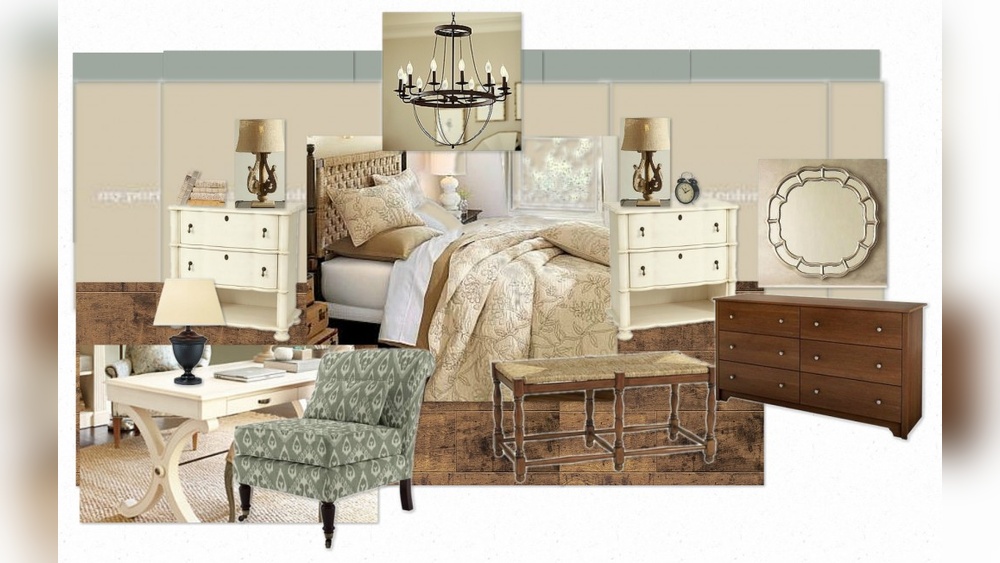
When you step into your bedroom, you want it to feel like a true retreat—comfortable, stylish, and uniquely yours. But here’s a question that might be holding you back: should all the furniture in your bedroom match perfectly?
Maybe you’re torn between buying a full matching set for a clean look or mixing different pieces to add personality. The truth is, there’s no one-size-fits-all answer. What matters most is how your space feels to you. You’ll discover smart ways to create a bedroom that’s both harmonious and interesting, whether you choose matching furniture or a mix of styles.
Ready to transform your room into a place you love? Let’s dive in.
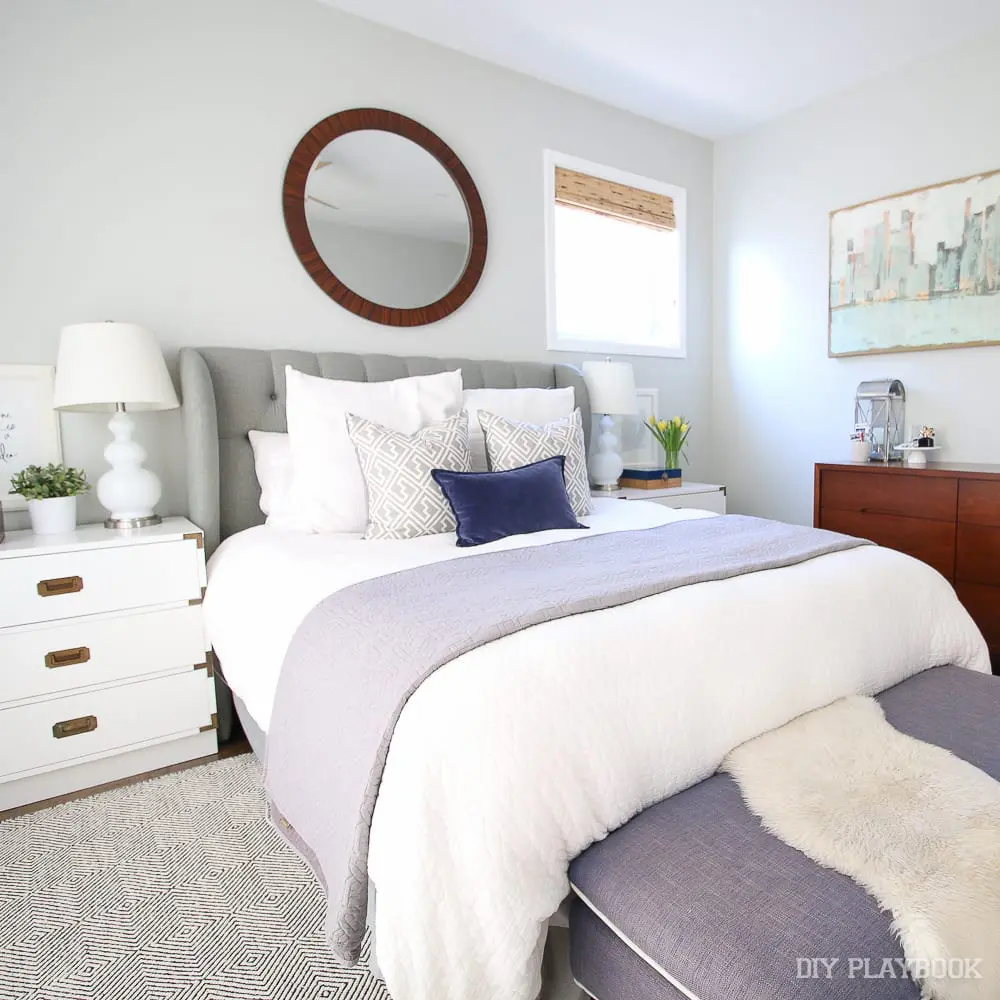
Credit: thediyplaybook.com
Matching Vs Mixing Furniture
Deciding whether bedroom furniture should match or mix depends on your style and the room’s mood. Matching furniture creates a uniform look that feels calm and organized. Mixing different styles adds personality and a modern twist. Both approaches have their strengths. Understanding these can help you choose the best look for your bedroom.
Pros Of Matching Sets
Matching sets offer a clean and harmonious appearance. They make the room feel balanced and put-together. It is easier to decorate around a matching set because the style is consistent. Matching furniture often fits well in traditional or formal bedroom designs. These sets can also be easier to buy, as they come packaged as a group. The uniform look can help smaller rooms feel less cluttered.
Benefits Of Mixing Styles
Mixing furniture styles adds character and uniqueness to a bedroom. It allows for more creativity and personal expression. You can combine old and new pieces for a layered, interesting look. Mixing helps avoid the “cookie-cutter” feel of matching sets. It also lets you use favorite pieces without replacing everything. This style works well in casual and eclectic spaces.
When To Choose Matching
Choose matching furniture for a neat and classic bedroom feel. It suits small spaces that need visual order and calmness. Matching sets work well if you prefer simple decorating. They fit formal or traditional design themes best. When buying new furniture all at once, matching is often easier. It creates a sense of unity that some people find relaxing.
Creating Cohesion
Creating cohesion in a bedroom means making all furniture look like they belong together. It helps the room feel calm and well put together. You do not need every piece to match exactly. Focus on common elements that connect the items visually.
Using smart design choices, you can mix different styles and still have a unified space. The goal is to balance variety with harmony. Here are key ways to create cohesion.
Using Color Palettes
Choose a color palette that runs throughout the furniture. This does not mean every piece must be the same color. Instead, pick shades that complement each other. Soft neutrals or a few bold accents work well. Colors tie furniture together without making the room dull.
For example, a navy bed frame pairs nicely with cream dressers. Add pillows or rugs in similar tones. This creates a smooth flow across the bedroom.
Unifying Materials
Materials help link furniture styles. Wood, metal, and fabric come in many finishes. Select one main material or finish to repeat in different pieces. This makes the collection feel intentional.
A room with oak nightstands and a walnut dresser can work if the wood tones are close. Or mix metal legs with a metal bed frame. The texture and color of materials build cohesion.
Repeating Design Details
Look for small design features that can appear more than once. This could be drawer handles, leg shapes, or patterns on fabrics. Repeating these details connects furniture visually.
For instance, use brass knobs on a bedside table and dresser. Or choose chairs with similar curved legs. These subtle matches bring balance and harmony.
Balancing Scale And Proportion
Balancing scale and proportion in bedroom furniture creates a harmonious and inviting space. It helps avoid rooms that feel crowded or empty. Proper scale ensures furniture fits well within the room’s dimensions. Proportion keeps each piece visually balanced with others.
This balance is key whether furniture matches or varies in style. Matching sets are easier to balance. Mixed pieces require more attention to size and shape. The right balance makes the room comfortable and pleasing to the eye.
Sizing Headboards And Nightstands
Headboards and nightstands must suit the bed’s size. A large headboard with a tiny bed looks overwhelming. Small nightstands beside a king-size bed seem lost. Choose headboards that align with mattress width for a neat look.
Nightstands should be proportional to the bed height. They need to be easy to reach from the bed. A good rule is nightstands about the same height as the mattress or slightly lower. This creates a smooth flow and functional space.
Avoiding Visual Imbalance
Visual imbalance happens when one piece dominates the room. Large furniture with small items nearby creates tension. Spread out furniture sizes for an even feel. Mix large and small pieces carefully to keep harmony.
Use color and material to unify different sizes. A dark small table may balance a light large dresser. Keep sight lines clear and avoid clutter. This helps the room feel calm and well-arranged.

Credit: woodysfurniturestores.com
Playing With Texture And Contrast
Playing with texture and contrast brings life to any bedroom. It creates depth and interest without needing every piece to match exactly. Combining different textures and materials can make your space feel warm and inviting. Contrast helps highlight unique furniture pieces and adds personality to the room.
Combining Wood, Metal, And Fabric
Mixing wood, metal, and fabric adds variety to your bedroom design. Wood brings warmth and natural beauty. Metal offers a sleek, modern touch. Fabric softens the space with comfort and color. Together, these materials create a balanced look that feels both stylish and cozy.
Try pairing a wooden bed frame with metal nightstands. Add fabric cushions or a soft rug to complete the feel. This mix avoids monotony and keeps the room visually appealing.
Mixing Traditional And Modern Pieces
Blending traditional and modern furniture creates a unique style. Traditional pieces add charm and history. Modern furniture gives a fresh, clean look. Combining these styles makes the bedroom feel personal and well-curated.
For example, place a vintage dresser with a sleek, modern chair. This contrast highlights each piece and adds character. The key is balance. Avoid overcrowding with too many styles at once.
Incorporating Vintage Elements
Vintage furniture adds a story to your bedroom. These pieces often have rich textures and unique details. Using vintage items creates contrast with newer furniture. It makes the room feel layered and interesting.
Try adding an antique mirror or a retro bedside table. These pieces bring charm and warmth. Mixing vintage with modern or traditional furniture creates a timeless look.
Common Bedroom Furniture Mistakes
Choosing furniture for a bedroom involves more than just picking pretty pieces. Many people make simple mistakes that affect both comfort and style. These common errors can spoil the room’s look and feel. Understanding these pitfalls helps create a balanced and inviting bedroom.
Incorrect Bedside Table Height
One frequent mistake is choosing the wrong height for bedside tables. Tables that are too tall or too short make reaching for items difficult. The ideal height aligns with the top of the mattress. This alignment ensures easy access to lamps, books, or phones. Poor height choice can cause discomfort and disrupt the room’s harmony.
Overly Matchy Or Eclectic Looks
Some bedrooms appear too “matchy” with identical furniture everywhere. This can feel dull and lack personality. On the other hand, mixing too many styles creates a chaotic look. A balanced approach works best. Select a few pieces that share colors or materials to unify the room. Avoid extremes to keep a cozy and stylish space.

Credit: marissacalhome.com
Tips For Unique Bedroom Style
Creating a unique bedroom style means moving beyond matching furniture sets. Mixing pieces brings personality and charm to your space. This approach lets you express yourself and enjoy a room that feels truly yours.
Focus on balance and harmony to avoid a cluttered look. Use simple ideas to combine different elements smoothly. The following tips will help you design a bedroom that stands out for its style and comfort.
Adding Personal Touches
Include items that reflect your interests and memories. Family photos, artwork, or handmade crafts add warmth and character. These personal touches make the bedroom feel inviting and unique.
Soft textiles like cushions or throws in favorite colors also enhance your space. Choose patterns and textures that complement your furniture for a cozy effect.
Breaking Up Matching Sets
Use different furniture styles or colors to break the uniform look. Replace one or two pieces from a set with alternatives that bring contrast. This technique creates visual interest and depth.
For example, pair a vintage dresser with a modern bed frame. Mixing wood tones or materials works well if you keep a consistent color palette.
Using Statement Pieces
Select one bold furniture item as a focal point. A colorful armchair or an ornate headboard can draw attention. Statement pieces add personality and style to any bedroom.
Keep the rest of the furniture simple and neutral. This balance ensures the standout piece shines without overwhelming the room.
Frequently Asked Questions
Should All Furniture In The Bedroom Match?
Bedroom furniture does not have to match. Mixing styles and colors creates a unique, balanced, and visually appealing space. Use common colors, materials, or design details to unify pieces and maintain cohesion while adding personality and depth to your bedroom.
What Are Common Bedside Table Mistakes?
Common bedside table mistakes include choosing the wrong height, overcrowding with items, ignoring style balance, and neglecting proper lighting.
What Is The 2/3 Rule Furniture?
The 2/3 rule in furniture suggests arranging two larger pieces and one smaller piece together. This balance creates visual harmony and an inviting space. It helps avoid overcrowding while maintaining functionality and style in any room layout.
Can You Have Different Colors Of Furniture In A Bedroom?
Yes, you can use different furniture colors in a bedroom. Ensure cohesion by unifying colors, materials, or styles. Balance size and mix textures to create a harmonious, unique space without clashing.
Conclusion
Bedroom furniture does not have to all match to look good. Mixing pieces can create a unique, cozy feel. Focus on common colors, styles, or materials to keep balance. Avoid pairing very big and very small furniture close together. Use different textures to add depth and interest.
This way, your bedroom feels personal and inviting. Choose what makes you comfortable and happy in your space. A well-mixed room can be both stylish and relaxing.

