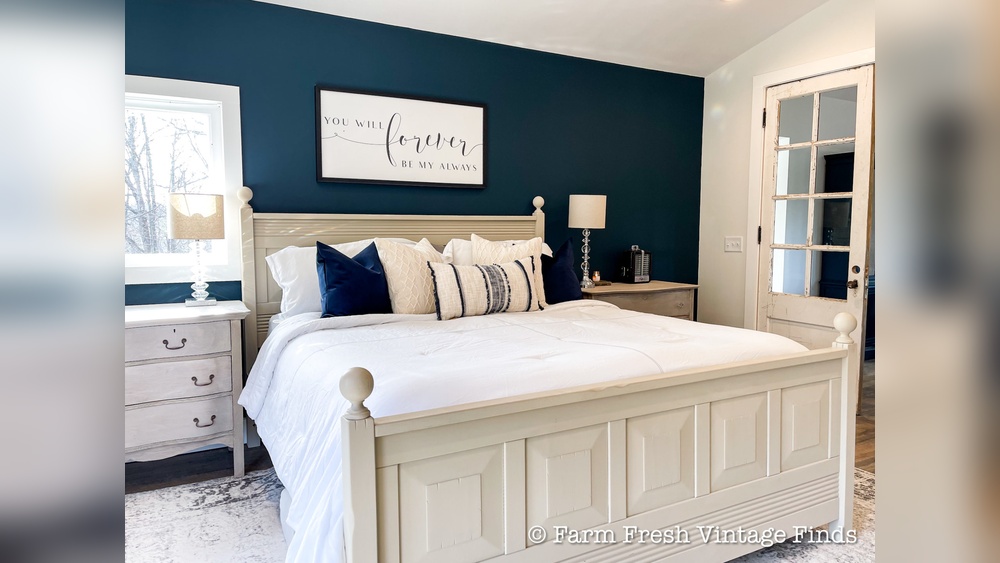
Are you staring at your bedroom furniture wondering, “What color should I paint it?” Choosing the right shade can change everything—from the mood of your space to how relaxed you feel at the end of the day. The color you pick isn’t just about style; it influences your comfort, your energy, and even your sleep.
Whether you want a calm retreat, a cozy nook, or a fresh modern vibe, the perfect color is waiting for you. Keep reading to discover simple, smart ideas that will help you transform your bedroom furniture into the centerpiece of your dream room.
Your perfect color choice is closer than you think!
Calming Color Choices
Choosing calming colors for your bedroom furniture can transform the space into a peaceful retreat. Soft tones help reduce stress and create a soothing environment. These colors work well for relaxing after a long day. They also blend nicely with different bedroom styles and decor.
Soft Blues For Tranquility
Soft blues bring calmness and peace to your room. This color reminds the mind of the sky and water. It helps lower anxiety and promotes restful sleep. Light blue furniture pairs well with white or natural wood accents. It also brightens the room without feeling too bold.
Pale Greens For Serenity
Pale greens offer a gentle, natural feel. This shade connects you with nature and growth. It creates balance and a fresh atmosphere in the bedroom. Pale green furniture works great with creams and soft browns. This color soothes the eyes and helps create a quiet space.
Light Neutrals For Balance
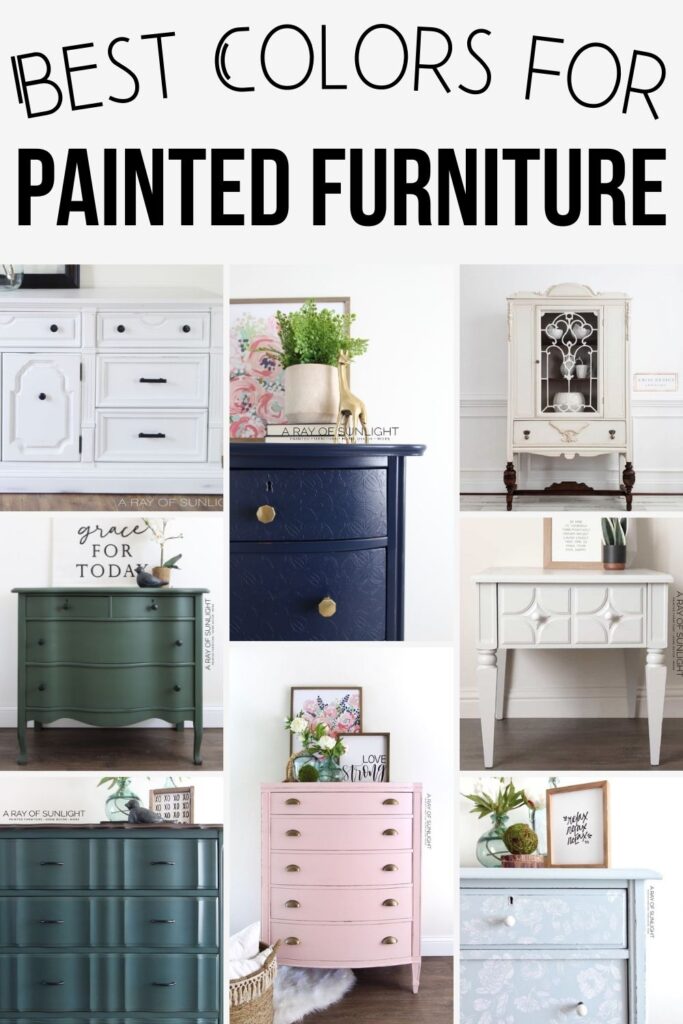
Light neutrals like soft gray, beige, or off-white bring balance and calm. These colors serve as a perfect backdrop for colorful accents. Neutral furniture allows flexibility in changing your room’s style. It also makes the bedroom feel clean, open, and inviting. These shades blend well with almost any decor theme.
Credit: arayofsunlight.com
Timeless Whites
White bedroom furniture offers a timeless charm that never fades. It brings brightness and a fresh feel to any space. White pieces create a clean, open atmosphere that feels calm and inviting.
Choosing white furniture means choosing a look that suits many styles. It works well with both traditional and modern designs. White also makes small rooms look larger and more airy.
Classic Clean Look
White furniture gives your bedroom a neat and tidy appearance. The color reflects light, making the room feel brighter. It also hides dust and scratches better than darker colors.
This classic look pairs well with light walls and soft bedding. White pieces keep the space simple yet elegant. They create a peaceful place to relax and sleep.
Styling Versatility
White furniture matches almost any color scheme or decor. You can add bold colors through pillows, rugs, or curtains. This makes it easy to change your room’s look without buying new furniture.
White also blends with natural wood tones and metal accents. It allows you to mix different textures and styles with ease. This flexibility keeps your bedroom fresh and stylish over time.
Warm And Romantic Tones
Warm and romantic tones bring a cozy and inviting feel to bedroom furniture. These colors create a soothing space perfect for relaxation. They add charm and softness without overwhelming the room. Choosing warm shades can make your bedroom feel more personal and comforting.
Warm colors work well with various styles, from classic to modern. They help create a peaceful retreat that feels both stylish and welcoming. Below are some popular warm and romantic options to consider for your bedroom furniture.
Dark Wood Finishes
Dark wood finishes add richness and depth to bedroom furniture. Shades like mahogany, walnut, and cherry bring a natural warmth. These finishes give a classic and timeless look. They also create a cozy atmosphere ideal for restful nights. Dark woods pair well with soft bedding and warm lighting.
Muted And Soft Pinks
Muted and soft pinks bring a gentle and romantic touch. These shades are subtle but add warmth and charm. Pink tones work well on dressers, nightstands, or bed frames. They brighten the room without being too bold. Soft pink furniture creates a calming and loving space.
Navy Blue Drama
Navy blue adds drama and elegance to bedroom furniture. This dark, rich color feels intimate and cozy. Navy works well as an accent on furniture pieces like headboards or chests. It pairs beautifully with warm metallics and light neutrals. Navy blue furniture creates a bold yet inviting look.
Modern And Flexible Palettes
Choosing the right color for your bedroom furniture can set the tone for the entire room. Modern and flexible palettes offer versatile options that suit many styles. These colors help create a calm, welcoming space while allowing easy updates with decor changes. They blend well with different textures, patterns, and accent colors.
Bright Whites
Bright white furniture gives a clean and fresh look. It makes the room feel larger and more open. White works well with almost any color, adding brightness and simplicity. It suits modern, minimalist, and even classic decor styles. White furniture also allows you to change bedding or wall colors without clashing.
Elegant Light Grays
Light gray is a soft, neutral color that adds sophistication. It creates a calm and balanced atmosphere in the bedroom. Gray pairs nicely with pastels, bold colors, or metallic accents. This color hides dust better than white and still keeps the room bright. Light gray furniture fits well in contemporary and traditional settings.
Modern Dark Wood
Dark wood tones bring warmth and a classic feel to the bedroom. They create a cozy and inviting environment. Dark finishes work well with light walls and soft textiles for contrast. This palette suits rustic, modern, and transitional furniture styles. Dark wood furniture adds depth and richness without overpowering the space.
Mixing Furniture Colors
Mixing furniture colors in your bedroom can bring life and personality to the space. It breaks the monotony and creates a unique look. You can combine different shades to reflect your style and mood.
Choosing the right mix helps balance the room and makes it visually appealing. Small changes in color can dramatically affect the atmosphere. Careful planning ensures harmony between all elements in the bedroom.
Combining Light And Dark Pieces
Mixing light and dark furniture adds depth to your bedroom design. Light pieces brighten the room and make it feel open. Dark furniture adds richness and a sense of coziness. Balance the two by placing dark pieces near light walls or vice versa. This contrast creates visual interest without overwhelming the space.
Matching With Bedroom Walls
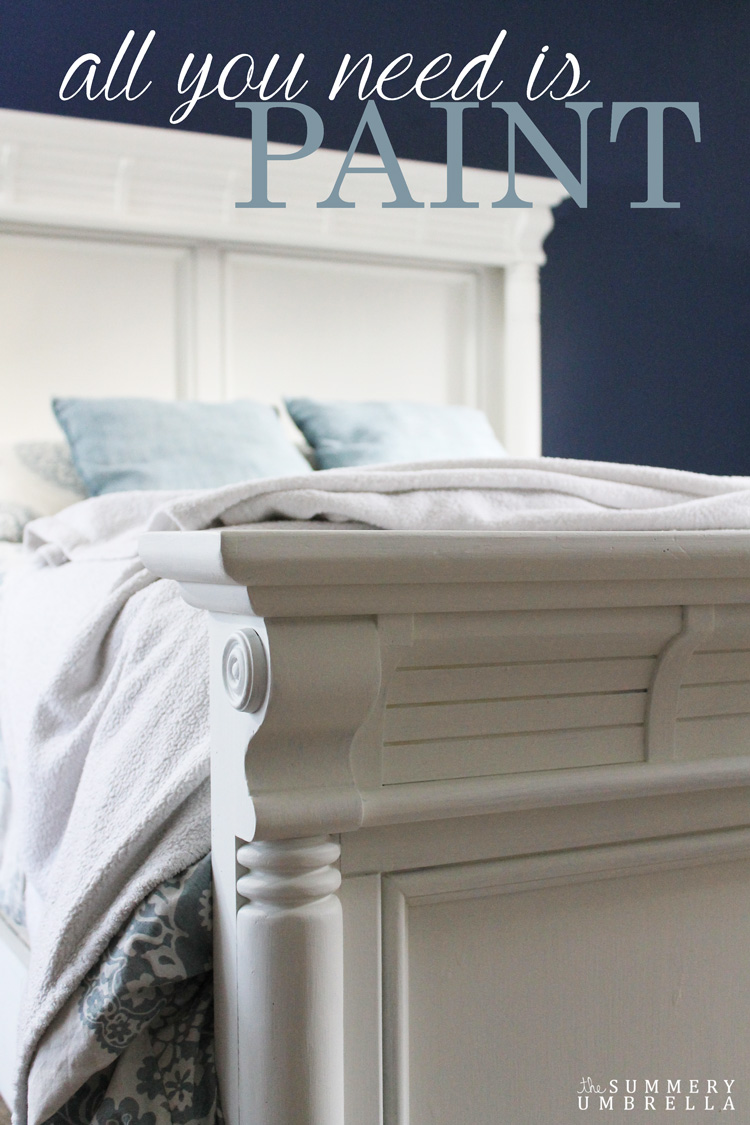
Furniture color should complement your bedroom walls for a unified look. Soft wall colors pair well with bold furniture shades. Neutral walls allow for more colorful furniture choices. Consider painting furniture a shade lighter or darker than the walls. This creates a subtle, cohesive effect and ties the room together.
Coordinating With Living Room Furniture
Coordinate bedroom furniture colors with living room pieces for a smooth flow. Using similar tones helps connect different spaces in your home. Choose a common color theme or accent to link the rooms. This approach creates harmony and makes your home feel well-planned. Avoid stark differences that may break the visual flow.
Credit: thesummeryumbrella.com
Color Psychology In Bedrooms
Choosing the right color for your bedroom furniture impacts how you feel each day. Color psychology studies how colors affect mood and behavior. In bedrooms, color influences relaxation, energy, and comfort. Understanding these effects helps you pick colors that support restful sleep and peaceful moments.
Mood Effects Of Different Colors
Colors trigger emotions and can change your mood instantly. Soft blues bring calmness and lower stress. Pale greens promote peace and a natural feel. Light neutrals like beige and soft gray create balance without distraction. Darker colors such as navy or rich browns add warmth and coziness. Bright colors can energize but may disturb sleep.
Creating Relaxing Environments
Relaxation is key in a bedroom. Use colors that soothe your mind and body. Light blues and greens calm nerves and help you unwind. Whites and off-whites give a clean, fresh look that feels open. Choose muted tones that reduce visual noise. These colors help prepare your mind for rest and improve sleep quality.
Avoiding Overwhelming Shades
Too much color can feel stressful or chaotic. Bright reds, intense yellows, or neon shades may cause restlessness. Avoid painting large furniture pieces in bold colors. Instead, use soft, muted hues to keep the space peaceful. Balance strong colors with neutral walls or bedding. This way, your bedroom stays inviting and restful.
Tips For Painting Furniture
Painting bedroom furniture breathes new life into your space. Simple changes transform the look and feel of your room. Follow key tips to achieve a smooth and lasting finish. Proper steps ensure your furniture looks great for years.
Choosing The Right Paint Type
Use paint made for furniture. Look for durable options like acrylic or latex. Chalk paint is popular for a matte, vintage look. Oil-based paints offer a hard finish but need more drying time. Satin and semi-gloss finishes resist stains and are easy to clean.
Preparing Surfaces Properly
Clean the furniture well before painting. Remove dirt, grease, and old wax. Sand the surface lightly to help paint stick. Fill any cracks or holes with wood filler. Remove dust with a tack cloth for a smooth base.
Finishing Techniques For Durability
Apply a primer for better adhesion and color. Use thin, even coats of paint. Let each coat dry fully before the next. Seal with a clear topcoat like polyurethane for protection. This prevents chips and scratches, keeping furniture fresh.

Credit: www.janyljusupjan.com
Trending Furniture Colors
Choosing the right color for bedroom furniture sets the tone for the entire room. Trending furniture colors blend comfort and style. They reflect local tastes, historical influences, and modern design trends. These colors help create spaces that feel inviting and fresh.
Exploring popular hues in different regions and styles can guide your decision. Vintage-inspired palettes bring charm and character. Contemporary colors offer a sleek and updated look. Each approach has unique colors that stand out today.
Popular Hues In Austin, Texas
Austin’s vibrant culture influences its furniture color trends. Earthy tones like warm terracotta and sage green are common. These shades reflect the city’s connection to nature and art. Soft creams and sandy beiges also appear often. They complement Austin’s sunny, laid-back vibe well.
Bright accent colors such as turquoise or coral add energy to rooms. Many locals prefer colors that mix rustic charm with modern freshness. This blend creates a cozy yet lively bedroom atmosphere.
Inspiration From Vintage Finds
Vintage furniture inspires many color choices today. Classic shades like muted teal, dusty rose, and mustard yellow are popular. These colors bring warmth and nostalgia to a bedroom. They pair well with distressed wood finishes and antique details.
Soft pastels from mid-century furniture also influence trends. Pale blues, soft pinks, and creamy whites create a gentle, inviting space. These hues make the bedroom feel timeless and personal.
Contemporary Style Ideas
Modern bedroom furniture often features bold, clean colors. Charcoal gray and matte black add a sleek, sophisticated touch. Cool tones like navy blue or emerald green create depth and calmness.
Neutral shades such as light gray or taupe remain popular for their versatility. They act as a subtle backdrop for brighter accent pieces. Minimalist designs often use monochrome palettes to keep spaces simple and elegant.
Frequently Asked Questions
What Color Is Best For Bedroom Furniture?
Soft blues, pale greens, and light neutrals like gray or off-white best create a calming bedroom atmosphere. White offers timeless versatility. Dark woods add warmth and classic charm. Navy and muted pinks bring romance or drama. Choose colors based on your desired mood and style.
What Color Can I Paint My Bedroom Furniture?
Paint bedroom furniture in soft blues, pale greens, light neutrals, or white for calmness. Dark woods, navy, and muted pinks add warmth and romance. Choose colors that match your desired mood and room style.
What Is The 60 30 10 Color Rule For Bedrooms?
The 60-30-10 color rule balances bedroom colors: 60% dominant wall color, 30% secondary furniture or bedding, 10% accent decor for contrast. This creates harmony and visual interest, making the space inviting and stylish.
Should Furniture Be Darker Or Lighter Than Walls?
Furniture should generally be darker than walls to create contrast and depth. Lighter furniture works well with dark walls for balance. Choose based on room size and mood; darker furniture adds warmth, while lighter pieces make spaces feel airy and open.
Conclusion
Choosing the right color for your bedroom furniture sets the room’s mood. Soft blues, pale greens, and light neutrals create calm and peace. White adds timeless style and fits many decors. Dark woods bring warmth and a classic feel. Navy or muted pinks offer a cozy, romantic touch.
Think about the atmosphere you want before picking your shade. Your furniture color can make your bedroom feel just right. Take your time and enjoy the process of making your space your own.
