Are you wondering whether you should cover your outdoor furniture? It’s a simple question, but the answer can make a big difference in how long your furniture lasts and how good it looks.
Leaving your furniture exposed might seem easier, but harsh weather, dirt, and sun can cause damage over time. On the other hand, covering it might feel like extra work or cost. You’ll discover the real benefits and potential downsides of covering your outdoor furniture.
By the end, you’ll know exactly what choice will protect your investment and keep your outdoor space looking great year-round. Keep reading to make the smartest decision for your furniture!
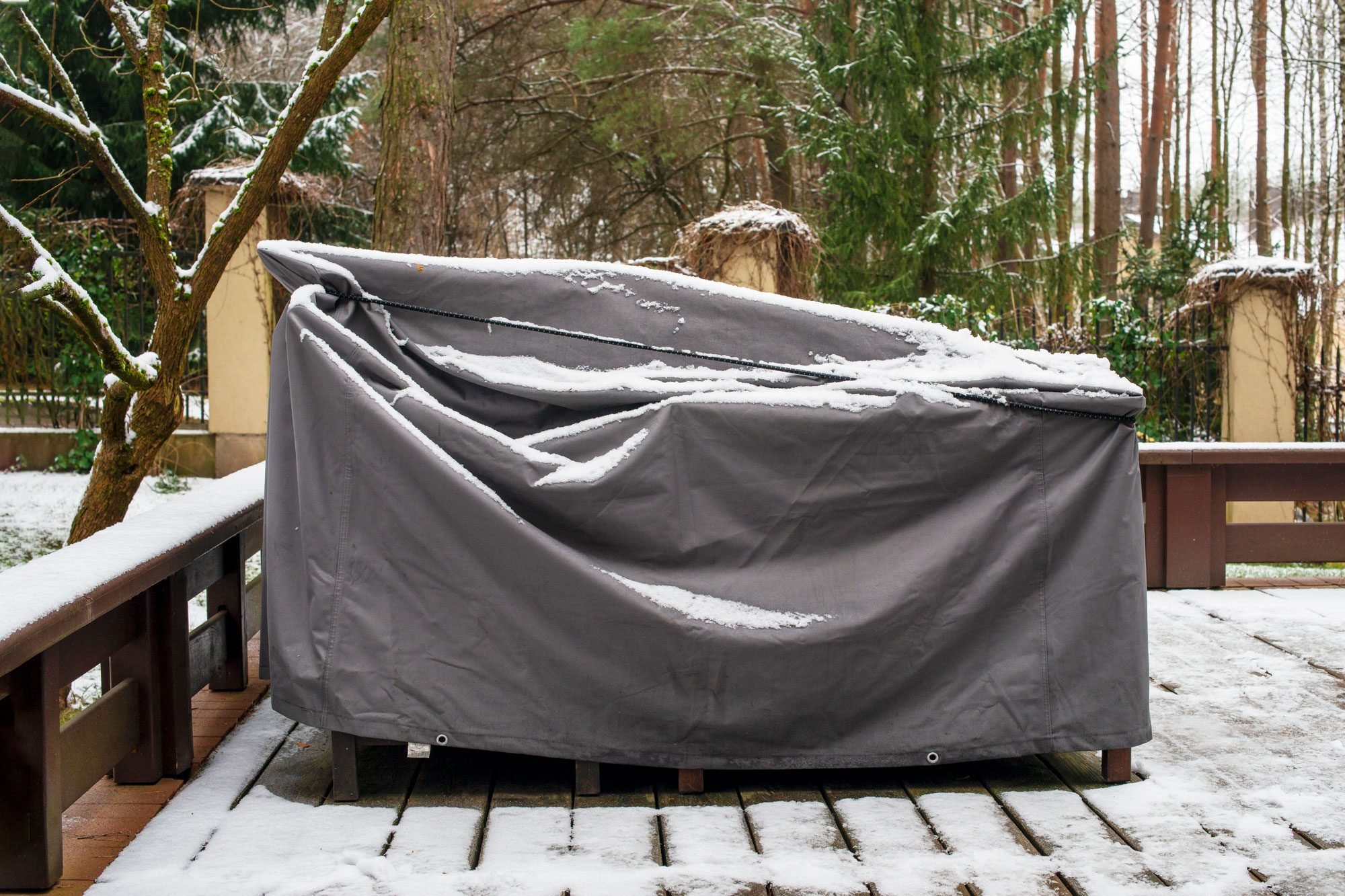
Credit: www.familyhandyman.com
Benefits Of Covering Outdoor Furniture
Covering outdoor furniture offers many important benefits. It helps keep your furniture in good shape for a long time. Protecting your furniture is a smart step for any outdoor space. Covers guard against many common problems that can happen outside. This section explains why covering your outdoor furniture matters.
Shielding From Weather Damage
Rain, snow, and harsh sun can hurt outdoor furniture. Water can cause wood to rot or metal to rust. Strong sunlight can make materials crack and weaken. Covers act as a barrier, stopping water and sun from reaching your furniture. This protection keeps the furniture strong and usable longer.
Preventing Fading And Discoloration
Bright sunlight can fade colors on cushions and fabrics. This makes your furniture look old and worn out. Covers block harmful UV rays that cause fading. Keeping colors bright and fresh makes your furniture look newer. It saves money by reducing the need to replace items often.
Reducing Dirt And Debris Buildup
Leaves, dust, and dirt can quickly dirty outdoor furniture. Cleaning frequently takes time and effort. Covers stop dirt and debris from settling on the furniture surface. This keeps your furniture cleaner and ready to use. Less cleaning means more time to enjoy your outdoor space.
:max_bytes(150000):strip_icc()/spr-otk-fj-outdoor-patio-furniture-covers-waterproof-uv-resistant-anti-fading-cover-x-large-round-table-chairs-set-dburreson-13-d5f0f236a2d34497bb8f72b8b5fd51bc.jpeg)
Credit: www.thespruce.com
Types Of Outdoor Furniture Covers
Choosing the right cover for outdoor furniture protects it from dirt, rain, and sun damage. Different types of covers offer various levels of protection and features. Understanding the options helps you pick the best cover for your needs.
Material Options
Covers come in many materials. Polyester is common because it resists water and tears. Vinyl covers are waterproof but can trap heat. Canvas is strong and breathable but less water-resistant. Consider where you live and the weather your furniture faces.
Size And Fit Considerations
Proper fit keeps covers secure during wind and rain. Choose covers that match your furniture size closely. Too large covers flap in the wind. Too small covers leave parts exposed. Adjustable straps or elastic hems help hold covers tight.
Features To Look For
Look for covers with UV protection to prevent fading. Ventilation panels reduce moisture build-up and mold. Easy-to-use straps or buckles make securing covers quick. Some covers fold compactly for easy storage when not used.
When To Use Covers
Knowing when to cover outdoor furniture helps protect it and extend its life. Covers shield your furniture from damage caused by sun, rain, dirt, and cold. Using covers at the right times keeps your outdoor space looking fresh and clean.
Seasonal Protection
Cover furniture during seasons with heavy sun or rain. Strong sunlight can fade colors and weaken materials. Rain can cause rust or mold on some furniture types. Covers act as a barrier against these seasonal effects.
During Harsh Weather
Use covers before storms, heavy wind, or snow. Harsh weather can cause scratches, dents, or breakage. Covers keep debris and moisture from damaging your pieces. They provide extra care during unpredictable weather.
Storage Periods
Cover furniture when not in use for a long time. Dust and dirt settle quickly without protection. Covers keep insects and animals away. They maintain furniture condition during off-seasons or long breaks.

Credit: www.amazon.com
Covering Tips For Different Furniture Materials
Different materials need different care when covering outdoor furniture. Using the right cover protects your furniture and keeps it looking good. Covers stop dirt, rain, and sun from damaging surfaces. Choose covers that fit well and breathe. Tight covers trap moisture and cause mold. Loose covers let dust and rain inside. Here are tips for various furniture types.
Wooden Furniture
Wood needs covers that breathe to avoid mold. Use waterproof covers with ventilation flaps. Remove cushions before covering. Check for cracks or loose parts. Cover only when furniture is dry. Avoid plastic sheets that trap moisture. Store wood furniture in shade if possible.
Metal Furniture
Metal furniture resists weather but can rust. Use covers made from waterproof fabric. Make sure covers fit snugly to block rain. Wipe metal clean before covering. Remove any water spots to stop rust. Check covers often for tears or holes. Fix small rust spots before covering.
Wicker And Rattan Furniture
Wicker and rattan need gentle care. Use covers that allow air flow. Avoid heavy plastic covers that trap moisture. Keep furniture dry before covering. Clean dust and dirt regularly. Store cushions separately in a dry place. Check covers for damage and replace if needed.
Plastic Furniture
Plastic is easy to care for but needs cover protection. Use lightweight, waterproof covers. Make sure covers do not trap heat. Clean furniture before covering. Avoid covers that cause static and attract dust. Store plastic furniture in shade to prevent fading. Check covers for holes often.
Maintaining Furniture While Covered
Covering outdoor furniture protects it from rain, sun, and dirt. It helps keep the furniture looking new for longer. But covering alone is not enough. Proper care while the furniture is covered is important. This keeps the furniture in good shape and stops damage.
Ventilation And Moisture Control
Good airflow prevents moisture buildup under covers. Moisture can cause mold, mildew, and rust. Use covers with vents or leave small gaps for air. Check under the cover often to feel for dampness. Dry furniture before covering it to avoid trapped moisture.
Regular Cleaning
Clean furniture before putting on the cover. Dirt and debris can cause stains and damage over time. Wipe down surfaces with a soft cloth and mild soap. Remove leaves and dirt from under the cover regularly. This keeps the furniture fresh and extends its life.
Checking For Wear And Tear
Look for signs of damage under the cover often. Check cushions, frames, and joints for cracks or rust. Early detection allows quick repairs before problems grow. Replace covers if they become torn or faded. Proper checks keep furniture safe and usable longer.
Alternative Protection Methods
Protecting outdoor furniture is important for keeping it looking good and lasting longer. Covering is one option, but there are other ways to protect your furniture from weather and wear. These alternative methods can help you maintain your outdoor pieces without always using covers.
Using Furniture Oils And Sealants
Furniture oils and sealants keep wood from drying and cracking. They create a barrier against moisture and sun damage. Applying these treatments regularly helps wood stay strong and look fresh. Choose oils made for outdoor furniture to get the best protection.
Storing Indoors
Storing furniture indoors protects it from harsh weather. Moving pieces inside during bad weather reduces exposure to rain, wind, and sun. If you have limited space, store cushions and smaller items indoors. This simple step can extend the life of your furniture.
Using Protective Paints Or Coatings
Protective paints and coatings add a tough layer to furniture surfaces. They stop water from soaking in and guard against fading. Look for paints designed for outdoor use. These coatings keep furniture looking new and shield it from damage.
Frequently Asked Questions
Should I Cover Outdoor Furniture In Winter?
Yes, covering outdoor furniture in winter protects it from snow, ice, and moisture. It prevents damage and prolongs the furniture’s life.
What Types Of Covers Are Best For Outdoor Furniture?
Use waterproof, breathable covers made of durable materials like polyester or vinyl. These protect furniture while preventing mold and mildew buildup.
Can I Leave Outdoor Furniture Uncovered Year-round?
Leaving furniture uncovered exposes it to sun, rain, and dirt, causing wear and fading. Covering is recommended to maintain appearance and durability.
How Often Should I Clean Furniture Covers?
Clean covers every few months or after heavy dirt exposure. Regular washing prevents mold, stains, and extends the cover’s lifespan.
Conclusion
Covering outdoor furniture helps protect it from weather damage. It keeps furniture clean and extends its life. Covers block rain, sun, dust, and dirt. They also prevent fading and rust. Choosing the right cover matters for good protection. Remember to remove covers sometimes to avoid moisture build-up.
Clean and dry furniture before covering it. This small step saves money on repairs or replacements. Overall, covering outdoor furniture is a smart, simple way to keep it looking nice longer. Worth doing for any outdoor space.


