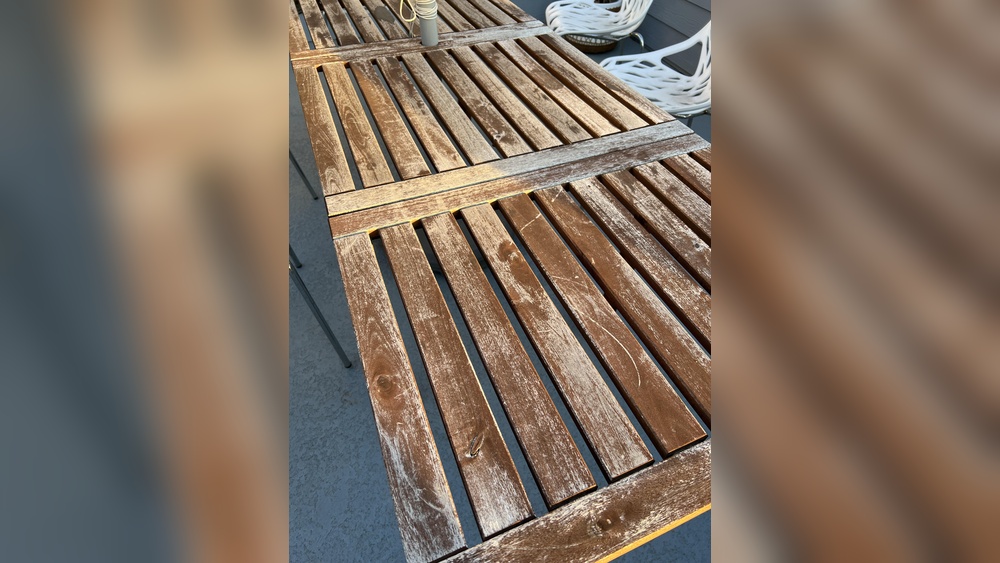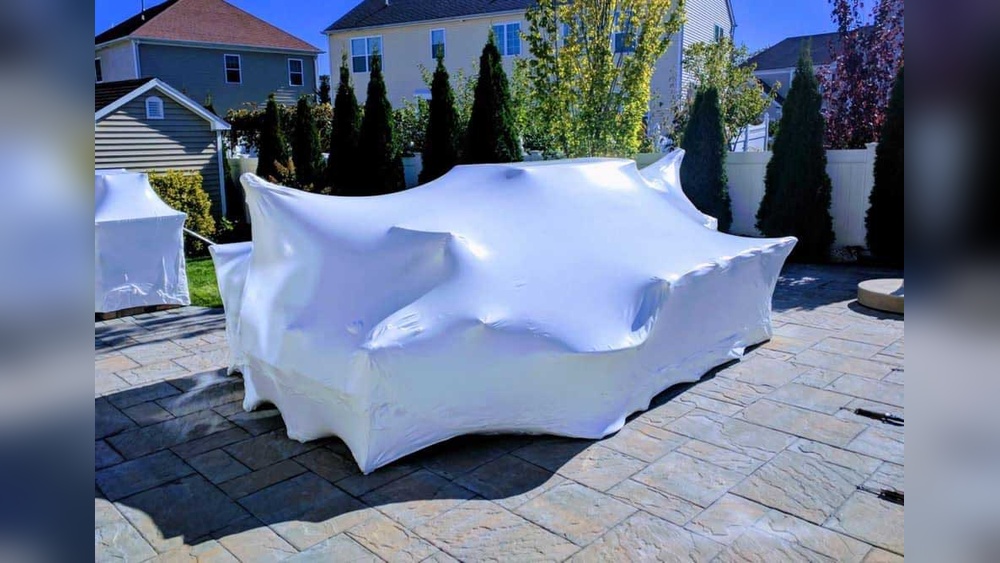
Are you wondering if shrink wrapping your outdoor furniture is the right choice for you? When the seasons change and harsh weather approaches, protecting your investment becomes a top priority.
But is shrink wrapping really the best way to keep your furniture safe and in great shape? You’ll discover the pros and cons of shrink wrapping, what it means for your furniture’s lifespan, and whether it’s worth the effort and cost.
Keep reading—you might find the simple solution that saves you time, money, and headaches down the road.
Benefits Of Shrink Wrapping
Shrink wrapping outdoor furniture offers many advantages. It protects your items during harsh seasons and extends their lifespan. This method creates a tight barrier, keeping your furniture safe and clean. Below, explore key benefits of shrink wrapping.
Weather Resistance
Shrink wrap shields furniture from rain, snow, and wind. It stops moisture from seeping into wood and metal. This protection prevents rust, warping, and cracking. Your furniture stays dry and intact all winter long.
Dust And Dirt Prevention
The wrap acts as a strong cover against dust and dirt. It keeps surfaces clean and free from grime. No need for frequent cleaning after bad weather. Your furniture looks fresh and ready to use anytime.
Pest Protection
Shrink wrap blocks insects and small animals from reaching your furniture. It prevents nests and damage caused by pests. This keeps cushions and fabrics safe from bites and stains. You avoid costly repairs or replacements.
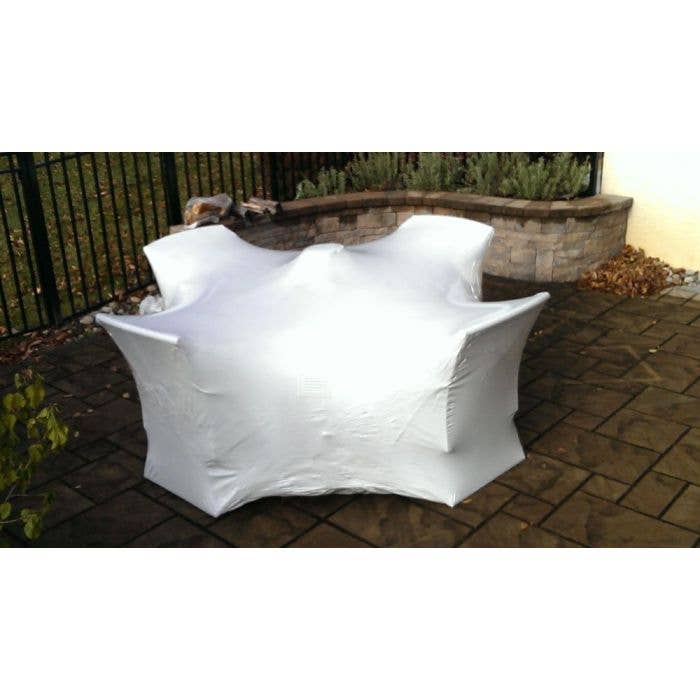
Credit: mrshrinkwrap.com
Materials Suitable For Shrink Wrapping
Shrink wrapping outdoor furniture protects it from rain, dust, and snow. Choosing the right materials is key. Not all shrink wrap films work well for all furniture types. Some materials handle cold weather better. Others stretch and fit tighter around different shapes. Understanding the materials helps you pick the best option.
Types Of Shrink Wrap Films
Polyethylene is the most common film type. It is clear and strong. It protects against moisture and UV rays. Polyolefin films offer higher clarity and durability. They resist tears and cold weather well. PVC shrink wrap is thick and tough. It works best for heavy-duty protection but costs more. Choose a film type based on your climate and furniture.
Choosing The Right Thickness
Thickness affects strength and stretch. Thin films (around 4 mil) suit small or light furniture. Medium thickness (6 to 8 mil) fits most outdoor sets. Thick films (10 mil or more) protect large or heavy items. Thicker wrap resists punctures and cold cracking. Pick a thickness that matches your furniture size and weather conditions.
Tools Needed For Wrapping
You need a heat gun to shrink the wrap tightly. A sharp knife helps trim excess film. Gloves protect your hands from heat and cuts. Tape or straps hold the wrap in place before shrinking. A ladder or step stool might be useful for tall furniture. Gather these tools before starting for smooth wrapping.
Preparing Furniture Before Wrapping
Preparing your outdoor furniture before shrink wrapping is important. It helps protect your furniture better during storage. Proper preparation keeps dirt and moisture away. It also prevents damage from cold or pests. Taking time to prepare extends the life of your furniture. Follow these simple steps to get ready.
Cleaning And Drying
Start by cleaning your furniture thoroughly. Remove dirt, dust, and leaves. Use mild soap and water for best results. Dry the furniture completely before wrapping. Moisture can cause mold and rust inside the wrap. Make sure no wet spots remain on cushions or frames.
Disassembling Parts
Take apart any removable pieces. This includes legs, cushions, or table leaves. Disassembling makes the wrap fit better. It also prevents pressure on fragile parts. Store small pieces safely to avoid losing them. Label parts to make reassembly easier later.
Using Protective Covers
Use soft covers or blankets on delicate areas. This adds an extra layer of protection under the shrink wrap. Covers prevent scratches and dents during wrapping and storage. Choose breathable materials to avoid trapping moisture. Ensure covers fit well and stay in place.

Credit: fj-outdoors.com
Step-by-step Shrink Wrapping Process
Shrink wrapping outdoor furniture protects it from rain, snow, and dirt. The process keeps your furniture safe during off-seasons. It also prevents damage and extends the life of your pieces. Follow these simple steps to shrink wrap your furniture properly.
Measuring And Cutting Film
First, measure your furniture’s height, width, and length. Add extra inches for overlap and coverage. Cut the shrink wrap film to this size. Use a sharp utility knife or scissors. Make sure the film is large enough to cover all sides.
Securing The Wrap
Place the film over the furniture carefully. Pull the film tight but avoid tearing. Use strong tape or straps to hold the film in place. Secure the bottom edges to prevent wind from lifting the wrap. Check that all parts of the furniture are fully covered.
Applying Heat Safely
Use a heat gun to shrink the film slowly. Keep the heat source moving to avoid burning the film. Hold it a few inches away from the surface. The film will tighten and form a snug seal. Stop heating once the wrap is smooth and secure. Always wear gloves and work in a well-ventilated area.
Alternatives To Shrink Wrapping
Shrink wrapping is one way to protect outdoor furniture. Many people want other choices. Alternatives can also keep your furniture safe and clean. These options might suit your needs better.
Furniture Covers
Furniture covers are made to fit different types of outdoor furniture. They protect against rain, dirt, and sun damage. Most covers are easy to put on and take off. Choose covers made from strong, water-resistant materials. This helps keep your furniture dry and clean all year.
Storage Options
Storing furniture indoors is a good way to protect it. A garage, shed, or basement works well. Storing furniture keeps it safe from weather and pests. If indoor space is limited, consider stacking or folding pieces. Use furniture pads or blankets to avoid scratches during storage.
Seasonal Maintenance Tips
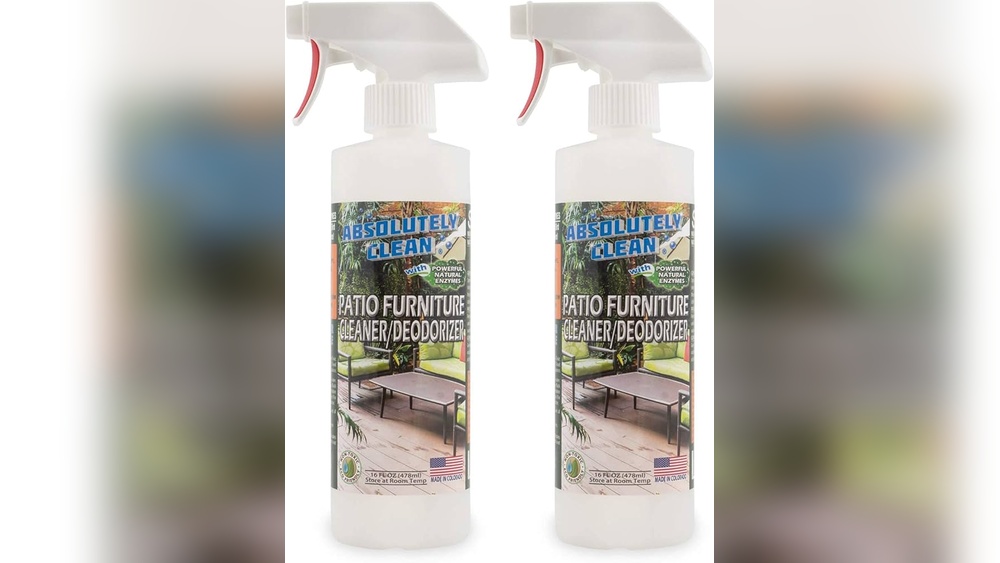
Regular maintenance helps furniture last longer. Clean furniture before storing it or covering it. Remove dirt, leaves, and dust with a soft brush or cloth. Apply protective sprays for wood or metal pieces. Check for damage and fix it quickly to prevent bigger problems.
.png)
Credit: pooldoctorsi.com
Common Mistakes To Avoid
Shrink wrapping outdoor furniture can protect it during harsh weather. Yet, many people make mistakes that cause damage instead. Avoiding these common errors keeps your furniture safe and in good shape.
Trapping Moisture
Moisture trapped inside the wrap causes mold and mildew. Wet furniture under plastic wrap will rot faster. Always ensure the furniture is dry before wrapping. Use a breathable cover or add small openings for moisture to escape.
Overheating The Wrap
Shrink wrap can get very hot under the sun. Heat can warp or damage furniture materials. Avoid wrapping furniture in direct sunlight for long periods. Choose a shaded area or wrap during cooler times of the day.
Ignoring Ventilation
Lack of ventilation causes condensation inside the wrap. This wet environment harms wood and metal parts. Create small vents or leave gaps for air flow. Proper air circulation stops moisture build-up and extends furniture life.
Frequently Asked Questions
What Is Shrink Wrapping For Outdoor Furniture?
Shrink wrapping involves tightly covering furniture with plastic film. It protects against moisture, dirt, and UV damage during storage or harsh weather.
Does Shrink Wrapping Prevent Outdoor Furniture Damage?
Yes, shrink wrap creates a protective barrier that reduces exposure to rain, snow, and dust. This helps extend furniture lifespan and maintain appearance.
Can Shrink Wrapping Cause Mold On Outdoor Furniture?
If moisture is trapped inside, shrink wrap can lead to mold growth. Proper drying before wrapping and ventilation helps prevent this issue.
How Long Can Outdoor Furniture Stay Shrink Wrapped?
Furniture can be safely shrink wrapped for several months. However, regular checks are needed to avoid moisture buildup or material degradation.
Conclusion
Shrink wrapping outdoor furniture protects it from weather damage. It keeps dirt, rain, and snow away. This helps furniture last longer and stay clean. Yet, proper wrapping is important to avoid moisture buildup. Choose good-quality wrap and check for air flow.
Consider your climate and storage space before deciding. Shrink wrap can save time on cleaning next season. A simple step to guard your investment. Worth thinking about for long-term care.