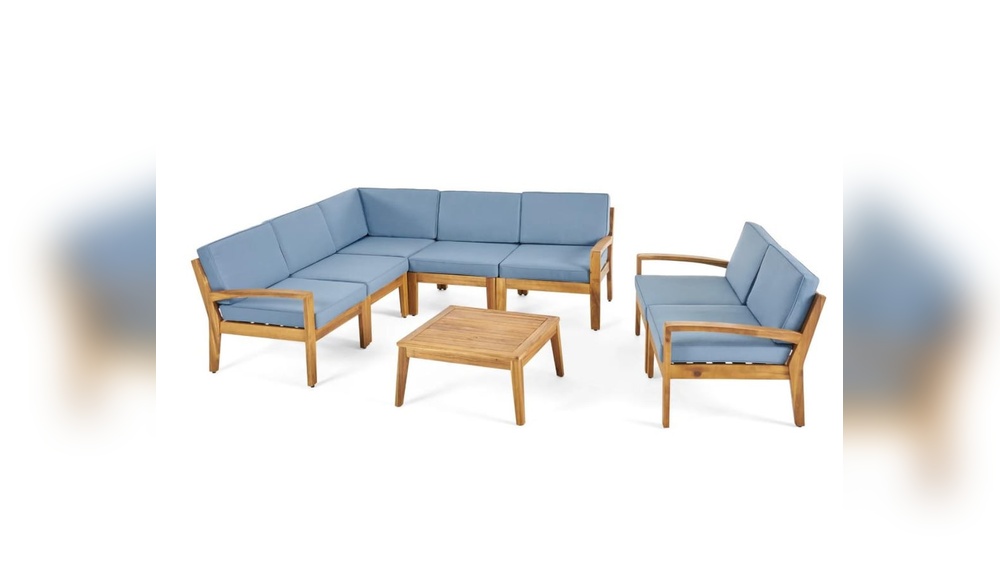
You’ve invested in beautiful outdoor acacia furniture, and you want to keep it looking great for years. But here’s the question: should you oil it?
The right care can make your furniture last longer, stay stronger, and look stunning. On the other hand, the wrong choice might damage the wood or cause extra work. If you want to protect your investment and enjoy your outdoor space without worry, keep reading.
This guide will help you decide if oiling your acacia furniture is the best move for you.
Credit: www.homedepot.com
Benefits Of Oiling Acacia Furniture
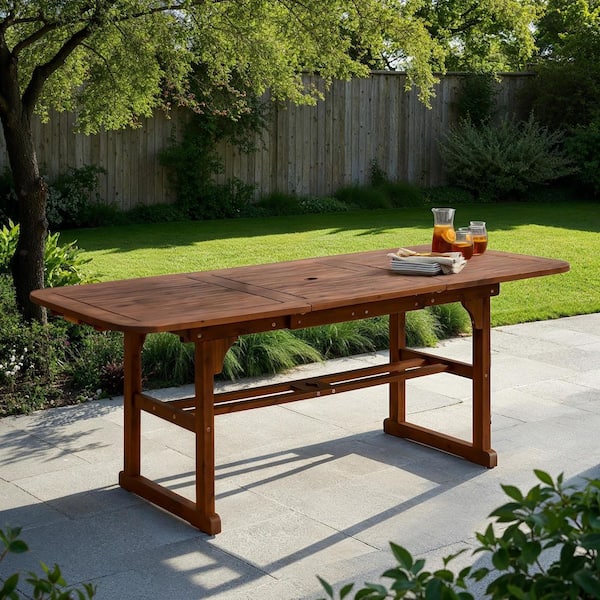
Oiling acacia furniture brings many benefits that keep it beautiful and strong. This simple step helps maintain the wood’s natural look and extends its life. Regular oiling protects the furniture from outdoor elements and daily wear.
Below are key benefits of oiling your outdoor acacia furniture that make it a smart care choice.
Enhancing Natural Grain
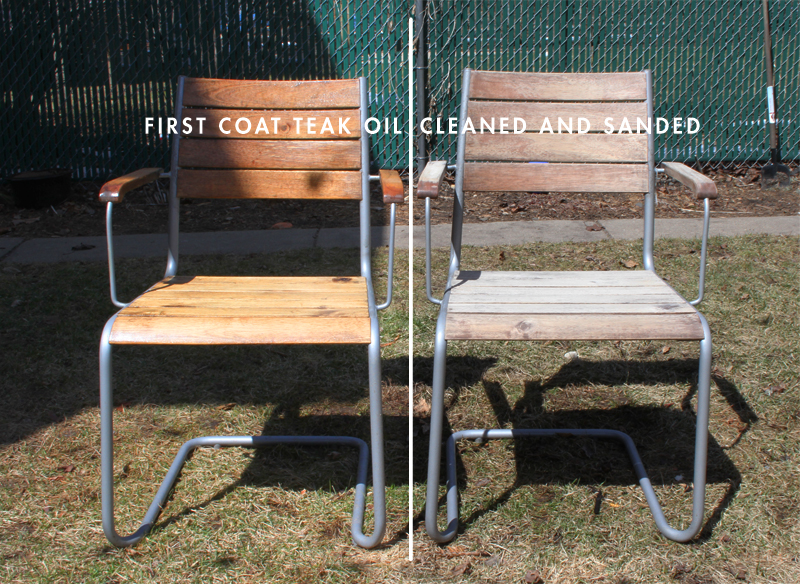
Oiling highlights the rich patterns in acacia wood. It deepens the color and makes the grain stand out. This natural shine gives the furniture a fresh and polished look. The wood appears more vibrant and warm, creating a cozy outdoor space.
Protecting Against Weather
Outdoor furniture faces sun, rain, and wind. Oiling forms a protective layer that shields the wood. It prevents water from soaking in and reduces damage from UV rays. This barrier helps keep the furniture strong and durable for many seasons.
Preventing Cracks And Splits
Dry wood can crack and split over time. Applying oil keeps the wood moist and flexible. This reduces the chance of damage caused by changes in temperature and humidity. Well-oiled furniture stays smooth and comfortable to use.
When To Oil Your Furniture
Knowing when to oil your outdoor acacia furniture helps keep it strong and beautiful. Oiling protects the wood from weather damage and brings out its natural color. Doing this at the right time ensures your furniture lasts longer and looks fresh.
Seasonal Timing
Spring and early summer are the best times to oil acacia furniture. The weather is warm and dry, helping the oil soak in well. Avoid oiling in cold or rainy weather because the oil will not absorb properly. Repeat the process every year to keep the wood healthy.
Signs Your Furniture Needs Oiling
Look for signs like dull or faded wood color. If the surface feels dry or rough, it needs oiling. Cracks or small splits also show the wood is losing moisture. Oiling at these signs can prevent more damage and keep your furniture smooth.
Choosing The Right Oil
Choosing the right oil for outdoor acacia furniture is very important. The oil protects the wood from weather damage and keeps it looking good. Using the wrong oil can cause the wood to crack or fade. The best oil should soak in well and keep the wood healthy. It also needs to dry quickly and not leave a sticky surface. Here is a guide to help select the best oil for acacia furniture.
Types Of Oils Suitable For Acacia
Teak oil is a popular choice for acacia wood. It penetrates deeply and protects against water and sun. Danish oil is another option. It is a mix of oil and varnish, offering both protection and a shiny finish. Linseed oil is natural and easy to apply. It helps to keep the wood nourished but may take longer to dry. Avoid using oils that contain harsh chemicals or silicone. These can damage the wood over time.
Eco-friendly Options
Natural oils are better for the environment and your health. Tung oil is a good eco-friendly choice. It comes from the tung tree and creates a strong, water-resistant finish. Walnut oil is also safe and non-toxic. These oils do not release harmful fumes. They allow the wood to breathe and maintain its natural look. Choosing eco-friendly oils helps protect nature and your outdoor space.
Credit: simplifythechaos.com
Step-by-step Oiling Process
Oiling your outdoor acacia furniture helps protect it from weather damage. It also keeps the wood looking fresh and rich. Follow this simple step-by-step oiling process to care for your furniture properly.
Preparing The Surface
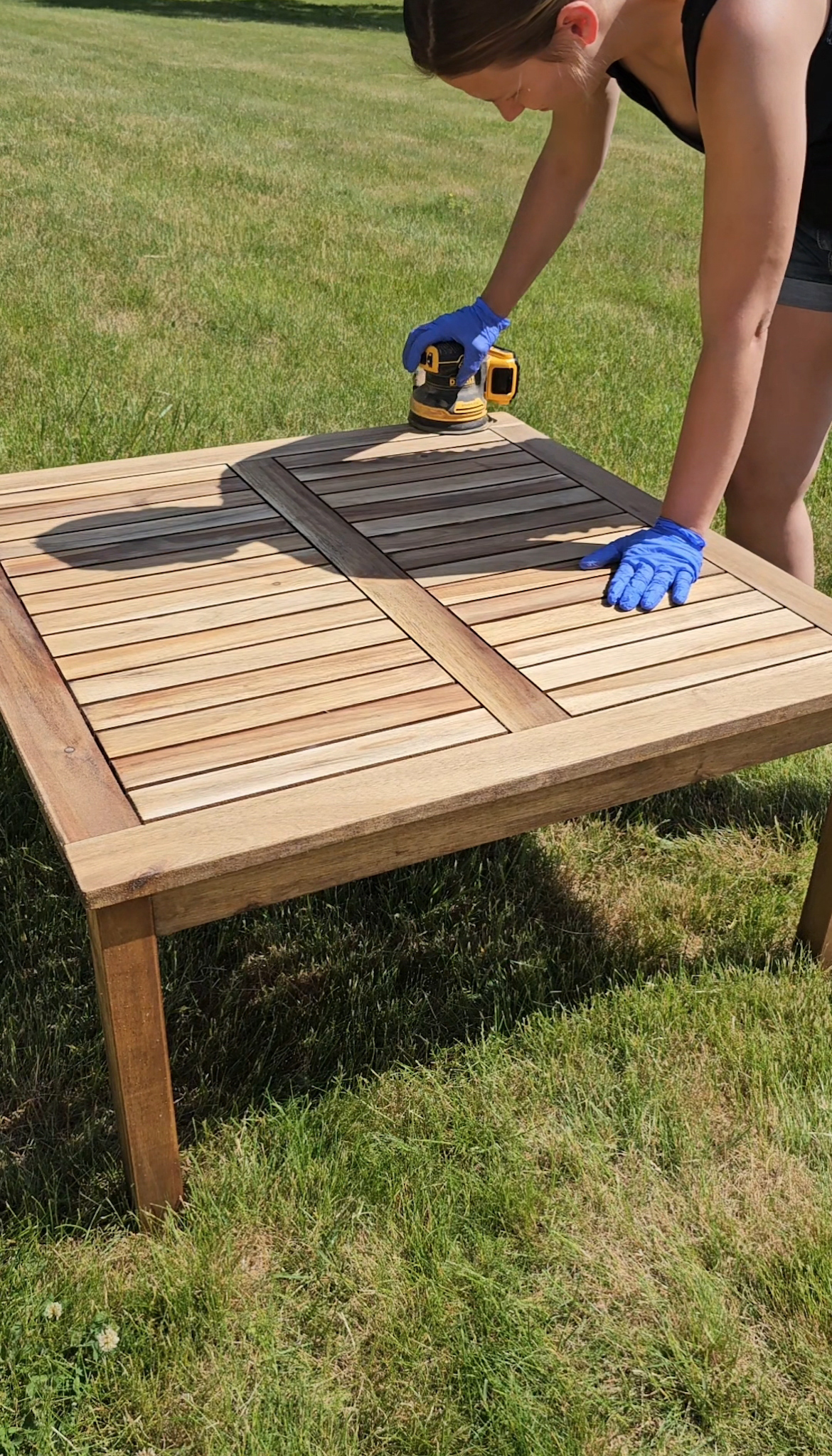
Start by cleaning the furniture well. Remove dirt, dust, and old finishes using a soft brush or cloth. Light sanding helps the oil soak in better. Use fine-grit sandpaper and sand gently along the wood grain. Wipe the surface with a damp cloth to clear away dust. Let the furniture dry completely before oiling.
Applying The Oil
Choose a quality oil made for outdoor wood. Use a clean, soft cloth or a brush to apply the oil. Work in small sections and apply evenly. Follow the wood grain to avoid streaks. Let the oil sit for 15 to 20 minutes. Wipe off any extra oil with a dry cloth to prevent sticky spots.
Drying And Maintenance
Allow the furniture to dry in a shaded, well-ventilated area. Drying may take several hours or overnight. Repeat oiling every few months to keep the wood protected. Check the furniture regularly for cracks or dryness. Clean and oil again as needed to extend its life.
Common Mistakes To Avoid
Oiling outdoor acacia furniture helps protect it from the weather. Yet, many make mistakes that harm the wood instead of helping it. Avoiding these errors keeps your furniture strong and looking good for years. Let’s explore the common mistakes you should watch out for.
Over-oiling
Applying too much oil is a common problem. The wood can become sticky and attract dirt. Excess oil may also prevent the wood from drying properly. Use only a thin layer and let it soak in fully before adding more. Remember, less is often more with oiling.
Ignoring Surface Preparation
Skipping surface preparation leads to poor oil absorption. Dirt, dust, and old finishes block the oil from soaking in. Clean the furniture thoroughly before oiling. Sand rough spots lightly to open the wood pores. Proper preparation makes oiling effective and improves the wood’s look.
Alternative Care Methods
Oiling is one way to care for outdoor Acacia furniture. Yet, other methods can protect and maintain its beauty without oil. These alternative care methods keep your furniture strong and looking good for years. They help prevent damage from sun, rain, and dirt.
Using Sealants
Sealants form a protective layer on the wood surface. They stop water from soaking into the wood. This prevents swelling and cracking. Sealants also reduce fading caused by sunlight. Applying sealants once a year helps maintain the wood’s natural color. Choose a sealant made for hardwood furniture. Clean the furniture well before applying the sealant. Use a brush or cloth for even coverage.
Regular Cleaning Tips
Regular cleaning removes dirt and dust that can damage wood. Use a soft brush or cloth to wipe the surface. Mild soap mixed with water works best for cleaning. Avoid harsh chemicals that may harm the wood finish. Rinse with clean water and dry the furniture after cleaning. Clean your Acacia furniture every few weeks during use. This simple care keeps the wood fresh and extends its life.
Credit: www.deucecitieshenhouse.com
Frequently Asked Questions
Should I Oil Outdoor Acacia Furniture Regularly?
Oiling outdoor acacia furniture helps maintain its natural beauty and durability. It protects wood from drying, cracking, and weather damage. Regular oiling, about twice a year, keeps the wood hydrated and enhances its resistance to moisture and UV rays. This extends the furniture’s lifespan.
What Type Of Oil Is Best For Acacia Wood?
Teak oil or linseed oil is ideal for acacia wood. These oils penetrate deeply and protect the wood from weathering. Avoid using water-based or synthetic oils as they may not provide lasting protection. Always choose natural oils designed for hardwood furniture.
Can I Skip Oiling Acacia Outdoor Furniture?
Skipping oiling may cause your acacia furniture to fade and crack. Without oil, the wood loses moisture and becomes vulnerable to sun and rain damage. To preserve its strength and appearance, regular oiling is essential, especially in harsh weather conditions.
How Often Should I Oil My Acacia Outdoor Furniture?
Oiling acacia furniture twice a year is recommended. For harsh climates, increase oiling frequency to every three months. This routine keeps the wood nourished and protected against environmental stress, preventing premature aging and maintaining a rich color.
Conclusion
Oiling outdoor acacia furniture helps protect it from sun and rain. It keeps the wood looking fresh and strong for longer. Regular oiling stops cracks and fading caused by weather. This simple step saves money on repairs or replacements. You don’t need special skills or tools to oil your furniture.
Just clean it, apply oil, and let it dry. A little care goes a long way in keeping your furniture beautiful. Choose oiling to enjoy your acacia pieces year after year.


