Are you wondering when your little one is ready to make the big switch from a crib to a toddler bed? It’s a big step for both you and your baby, filled with excitement and a bit of uncertainty.
Knowing the right age to make this move can help keep your child safe and comfortable while making bedtime smoother for everyone. You’ll discover the signs to look for, the ideal age range, and practical tips to make the transition easy and stress-free.
Keep reading to find out exactly when your baby can start sleeping in a toddler bed—and how to make it a positive experience for your whole family.
Credit: annainthehouse.com
Signs Baby Is Ready
Knowing when your baby is ready to move to a toddler bed helps keep them safe. Watch for clear signs before making the switch. These signs show your child is growing and needs more space and freedom during sleep.
Climbing Out Of Crib
Babies who climb out of their crib risk falling and hurting themselves. This behavior shows they want more freedom to move around. Moving to a toddler bed with low rails can prevent injuries and give safer access.
Increased Mobility
When babies start walking or moving more, the crib feels small. They want to explore and get up easily. A toddler bed helps them get in and out without help, encouraging independence.
Sleep Patterns Change
Changes in sleep habits can signal readiness. Babies may wake up more or resist naps. A toddler bed lets them find comfort and settle on their own. It supports better sleep and less fussiness at night.
Typical Age Range
Choosing the right time for a baby to move into a toddler bed is important. This change helps your child feel safe and comfortable. It also supports their growth and independence. The typical age range for this transition varies but usually falls between certain months and years.
Parents often wonder when to make this switch. Understanding common ages and factors can guide you in making the best choice. Each child is unique, so timing may differ.
Common Transition Ages
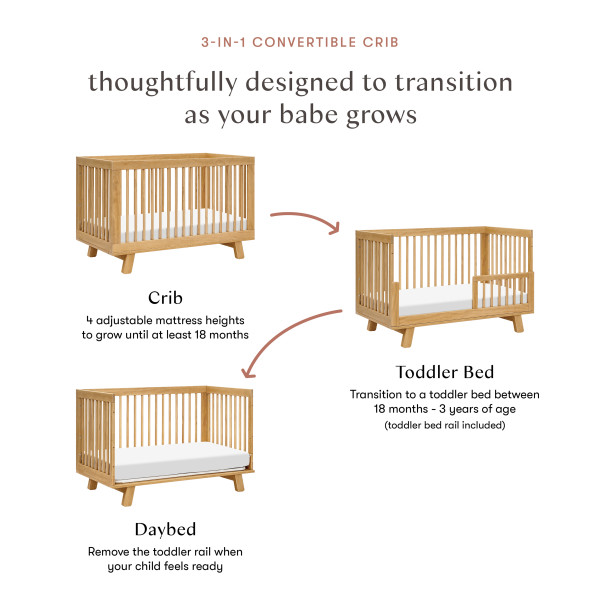
Most toddlers move to a toddler bed between 18 months and 3 years old. Some start closer to 2 years. Others may wait until 3 or even 4 years. This range depends on the child’s readiness and safety needs.
Many parents switch when the child climbs out of a crib. This can be a sign they need more space. Some change beds when the child shows interest in a bigger bed. It often happens around the second birthday.
Factors Influencing Timing
Physical growth is a key factor. When the child outgrows the crib, a toddler bed is needed. Safety is another important point. Climbing out of the crib can be dangerous.
Emotional readiness also matters. Some children feel excited about a new bed. Others may feel scared or unsure. Watch your child’s behavior and comfort level closely. Family routines and space at home can influence timing too.
Safety Considerations
Safety is the top priority when moving a baby to a toddler bed. Toddlers explore and move more during sleep. This raises the risk of falls and injuries. Parents must prepare the sleep area carefully. A safe environment helps toddlers adjust well and sleep soundly.
Bed Placement Tips
Place the toddler bed away from windows and doors. Keep it clear of cords and blinds. Position the bed near the wall to prevent rolling off. Avoid high or uneven floors nearby. This reduces risks and creates a secure space for your child.
Guardrails And Barriers
Use guardrails on both sides of the toddler bed. They stop your child from falling out during sleep. Make sure rails are sturdy and fit the bed well. Check for gaps that can trap fingers or limbs. Proper barriers provide peace of mind for parents.
Room Childproofing
Childproof the entire room, not just the bed area. Cover electrical outlets with safety plugs. Secure furniture to the walls to prevent tipping. Remove small objects that can cause choking. Use door locks or gates to limit access to unsafe areas.
Choosing The Right Toddler Bed
Choosing the right toddler bed is an important step for your child’s comfort and safety. The right bed helps them sleep well and feel secure. There are many options available, so it is important to know what to consider before buying. Think about size, materials, and budget. Each factor plays a role in finding the best fit for your little one.
Size And Design Options
Size matters for toddler beds. They should be big enough for your child to sleep comfortably. At the same time, they should fit well in the room. Many toddler beds come in standard sizes that work for most kids. Look for designs with low frames and guardrails. These help prevent falls and make it easy for your child to get in and out of bed. Choose a design that matches your child’s taste and the room’s style.
Materials And Durability
Strong materials make a toddler bed last longer. Wood is popular because it is sturdy and safe. Some beds use metal or plastic, which can also be good choices. Check that the paint or finish is non-toxic and safe for children. Durability means the bed can handle jumping and moving. Choose beds with solid construction to keep your child safe for years.
Budget-friendly Choices
Finding a good toddler bed does not mean spending too much. Many affordable options offer safety and comfort. Look for sales or second-hand beds in good condition. Simple designs often cost less but still work well. Remember, the bed should be safe and comfortable first. A budget-friendly choice can still meet all your child’s needs.
Making The Transition Smooth
Switching your baby to a toddler bed is an exciting step. It can also feel a bit tricky. A smooth transition helps your child feel safe and happy in the new bed. Small steps and patience make a big difference.
Establishing A Routine
Set a clear bedtime routine before using the toddler bed. Bath time, story time, and a cuddle help signal sleep. Keep the routine the same every night. Predictability gives your child comfort and security. A calm routine reduces bedtime struggles and fussiness.
Involving Your Child
Let your child help choose the bed or bedding. This gives them a sense of control and pride. Talk about the new bed positively. Show excitement and praise small steps. Involvement makes the change feel special and less scary.
Dealing With Resistance
Expect some worries or protests at first. Stay calm and patient during resistance. Offer gentle reassurance and repeat the routine. Avoid returning to the crib too quickly. Praise your child for trying and staying in bed. Consistency helps build new habits over time.
Common Challenges
Moving a baby to a toddler bed brings many changes. Parents often face challenges during this transition. Understanding these common problems helps in handling them better. It also makes the process smoother for both child and parent.
Nighttime Fears
Toddlers may feel scared in a new bed. The open space can seem big and strange. Shadows and noises might cause fear. This can lead to crying or calling for parents. Comfort items like a favorite toy help ease worries. Staying calm and patient is very important.
Returning To Crib
Some toddlers want to go back to the crib. It feels safer and more familiar. This can cause confusion and frustration. Parents should be firm but gentle. Explaining the new bed as a big-kid step helps. Consistency in bedtime routines supports the change.
Sleep Regression
Sleep patterns may get worse for a short time. Toddlers might wake up more at night. They can resist going to sleep or get restless. This is normal and often temporary. Keeping a calm bedtime routine helps the child adjust. Patience and support will improve sleep over time.
When To Consult A Pediatrician
Deciding when to move your baby to a toddler bed is a big step. Sometimes, questions about your child’s sleep or behavior arise. Talking with a pediatrician can help you make the best choice. Pediatricians can guide you based on your child’s health and development.
Sleep Issues
Sleep problems might signal it is not the right time for a toddler bed. Frequent waking or trouble falling asleep can be signs. Nightmares or anxiety about sleeping alone also matter. A doctor can check if these issues need special care. They may suggest ways to improve sleep before the move.
Developmental Concerns
Development plays a key role in changing beds. Some babies need more time to grow motor skills. Walking or climbing abilities affect safety in a toddler bed. A pediatrician can assess if your child is ready. They watch for delays or other concerns that need attention.
Credit: babyletto.com

Credit: casakids.com
Frequently Asked Questions
At What Age Do Babies Typically Transition To A Toddler Bed?
Most babies transition to a toddler bed between 18 months and 3 years old. This varies based on the child’s readiness and safety considerations.
How To Know When A Baby Is Ready For A Toddler Bed?
Signs include climbing out of the crib, showing interest in a bed, and following simple instructions safely.
Is It Safe To Move A Baby To A Toddler Bed Early?
Moving too early can risk falls or unsafe sleeping habits. Wait until the child is physically and emotionally ready.
What Are The Benefits Of Using A Toddler Bed?
Toddler beds offer more space and independence, promoting better sleep habits and easing the crib-to-bed transition.
Conclusion
Choosing the right time for a toddler bed is important. Most babies switch between 18 months and 3 years. Watch your child’s growth and behavior for clues. Safety and comfort matter most during this change. A toddler bed helps your child feel independent.
Keep routines steady to ease the transition. Every child is different. Trust your instincts and your child’s needs. This way, bedtime stays safe and happy.