Are you wondering when your little one is ready to move out of their crib and into a twin bed? It’s a big step for both you and your toddler, filled with excitement and a few worries.
You want to make sure your child is safe, comfortable, and ready for this change. But how do you know the right age to make the switch? You’ll discover the key signs to look for, expert tips to make the transition smooth, and answers to the most common questions parents have.
Keep reading to find out exactly when your toddler can start sleeping in a twin bed—and how to make it a positive experience for your whole family.
When Toddlers Transition To Twin Beds
Transitioning a toddler to a twin bed is a big step for both parents and children. This change marks growing independence and can improve sleep quality. Choosing the right time helps make the switch smooth and safe. Watch your child closely for signs of readiness.
Understanding when toddlers are ready to move to a twin bed helps parents prepare the room and set routines. Each child is unique, so timing varies. Knowing what to expect eases any worries and ensures a positive experience.
Signs Your Child Is Ready
Your toddler may try climbing out of their crib. They might show curiosity about bigger beds. Staying dry at night is a good sign. Your child may ask to sleep in a “big kid” bed. They can follow simple bedtime rules. These signs suggest readiness for a twin bed.
Typical Age Range
Most toddlers move to a twin bed between 18 months and 3 years. Some may switch earlier or later. Safety and comfort matter more than age. Watch your child’s behavior and needs closely. The right age varies by each family’s situation.

Credit: busytoddler.com
Safety Considerations For Twin Beds
Choosing a twin bed for a toddler requires careful thought about safety. Toddlers are active and curious. Their new sleeping space must protect them from harm. Parents should focus on key safety areas to create a secure environment. These include the bed frame, mattress, and fall prevention measures. Safe choices help toddlers sleep well and parents rest easy.
Bed Frame And Mattress Safety
Choose a sturdy bed frame with no sharp edges. Smooth surfaces reduce the risk of cuts or scrapes. The frame should not have gaps where a child’s fingers or limbs can get stuck. Use a mattress that fits the frame snugly. A mattress that slides or leaves spaces can cause accidents. Select a mattress made of safe, non-toxic materials. Avoid overly soft mattresses that can cause suffocation risks. Check for certifications that confirm mattress safety standards.
Preventing Falls And Injuries
Toddlers often move a lot during sleep. Guardrails on the sides of the bed help prevent falls. The rails should be high enough to stop rolling out but low enough for easy exit. Place the bed away from windows or furniture that can be climbed. Keep the floor clear of toys and clutter near the bed. Use a soft rug or carpet below the bed for cushioning. Teach toddlers to climb in and out safely to reduce accidents. Regularly inspect the bed and rails for loose parts or damage.
Choosing The Right Twin Bed For Toddlers
Choosing the right twin bed for toddlers is an important step. The bed must feel safe and comfortable. Toddlers need space to move while sleeping. Parents want a bed that lasts through growth. Picking a twin bed with the right features helps achieve this.
Size And Comfort
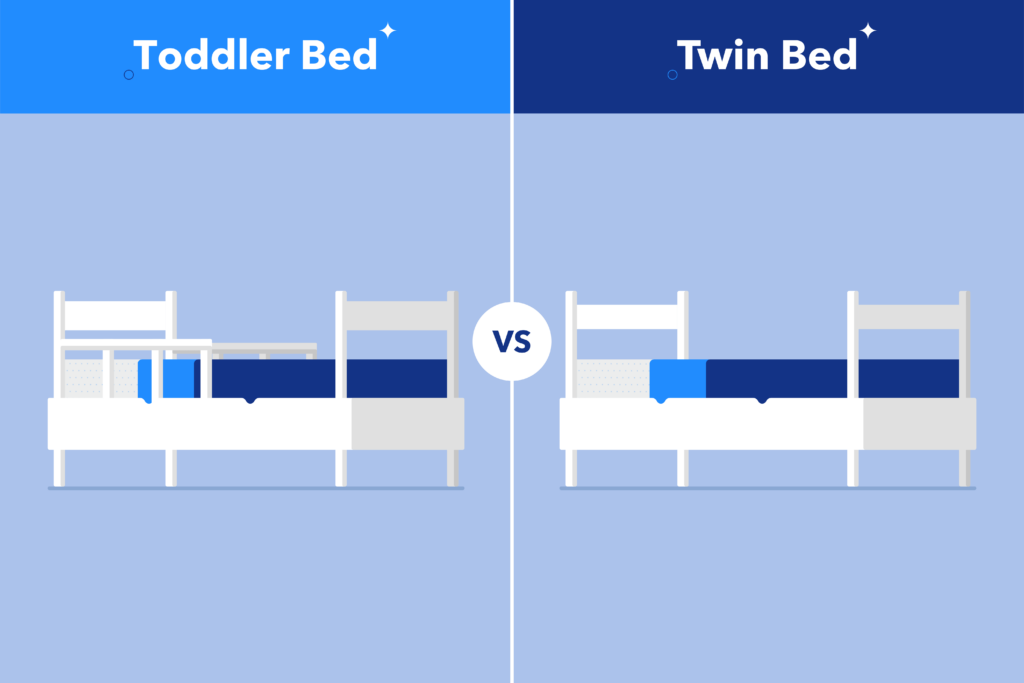
Twin beds offer enough space for most toddlers. The standard size is 38 by 75 inches. It gives room to stretch and turn at night. Look for beds with low height to avoid falls. A soft mattress with good support is key. Comfort improves sleep quality and helps toddlers rest well.
Materials And Design
Choose beds made from non-toxic materials. Solid wood frames are strong and long-lasting. Avoid beds with sharp edges or loose parts. Rounded corners reduce injury risks. Designs with safety rails keep toddlers secure. Simple and sturdy designs suit young children best.
Tips For A Smooth Bed Transition
Moving a toddler to a twin bed can feel like a big step. It takes patience and care to make this change easy for your child. A smooth transition helps your toddler feel safe and excited about the new bed. Using simple tips can make bedtime calm and happy.
Focus on creating good habits and making the bed a fun place. Small changes can build comfort and trust. This helps your toddler sleep well and enjoy bedtime more.
Establishing A Bedtime Routine
Start a bedtime routine that stays the same every night. This could include a bath, storytime, and quiet music. A routine tells your child it is time to sleep. Keep the routine short and calm to avoid stress.
Consistency makes your toddler feel secure. They learn what to expect and feel ready to rest. Avoid screens or loud noises before bed. This helps your child relax and fall asleep faster.
Making The Bed Inviting
Let your toddler choose a favorite blanket or pillow. Bright colors and soft textures can make the bed cozy. Adding a small stuffed animal can also bring comfort.
Keep the bed area tidy and safe. Remove toys or objects that might distract your child. A neat, inviting bed helps your toddler want to lie down and sleep.
Common Challenges And Solutions
Moving a toddler to a twin bed brings common challenges. Parents often worry about safety and comfort. Toddlers face new feelings and habits with this change. Recognizing these issues helps parents find smart solutions. This section covers two main challenges: separation anxiety and nighttime wandering.
Separation Anxiety
Toddlers may feel scared sleeping alone in a big bed. They miss the close space of a crib. This fear can cause crying or refusal to sleep. Parents can ease this by creating a cozy bedtime routine. Soft toys or a nightlight offer comfort. Gentle words and calm hugs help toddlers feel safe. Consistency in bedtime makes the child more confident.
Nighttime Wandering
Some toddlers get up and walk around at night. This can be risky without supervision. To prevent wandering, use baby gates or door alarms. Teach the child that the bed is a safe zone. Setting clear rules helps toddlers understand bedtime limits. A nightlight guides them back to bed if they wake up. Patience is key during this adjustment period.
Credit: twinstrust.org
Expert Recommendations And Advice
Choosing the right bed for a toddler is important for their safety and comfort. Experts offer clear advice on when a child can move to a twin bed. Their guidance helps parents make safe decisions that support healthy sleep habits.
Pediatrician Insights
Pediatricians recommend waiting until the child is at least 2 to 3 years old. At this age, most toddlers can safely use a twin bed without risk of falling out. The child should also be able to climb in and out of bed independently.
Check that the bed has guardrails to prevent accidents. Pediatricians stress the importance of a firm mattress that fits the bed frame well. This reduces the risk of suffocation or injury during sleep.
Ensure the toddler’s room is childproofed. Remove sharp objects and keep dangerous items out of reach. The sleeping space should feel safe and cozy to encourage better rest.
Child Sleep Specialist Tips
Sleep specialists suggest transitioning to a twin bed when the toddler shows signs of outgrowing the crib. This includes climbing out of the crib or feeling cramped. Moving too early can cause anxiety and disrupt sleep.
Introduce the twin bed gradually. Let the toddler nap in it first before using it overnight. This helps build comfort and trust with the new sleeping arrangement.
Keep a consistent bedtime routine to support the change. A calm routine signals safety and helps the child settle quickly. Specialists recommend using soft lighting and familiar toys to ease the transition.
Credit: amerisleep.com
Frequently Asked Questions
At What Age Is A Twin Bed Suitable For Toddlers?
Toddlers around 18 to 24 months can transition to a twin bed. This depends on their size and readiness for a bigger bed. Always ensure the toddler feels comfortable and safe.
How To Know If My Toddler Is Ready For A Twin Bed?
Look for signs like climbing out of a crib or needing more sleep space. Your toddler should be able to get in and out of bed safely. Safety and comfort are key indicators.
Are Twin Beds Safe For Toddlers?
Yes, twin beds are safe when equipped with guardrails to prevent falls. Use a low bed frame and keep the sleeping area clutter-free. Safety accessories enhance protection for toddlers.
What Are The Benefits Of A Twin Bed For Toddlers?
Twin beds offer more space for growing toddlers and help build independence. They encourage better sleep habits and are a long-term investment. These beds fit well in most children’s rooms.
Conclusion
Toddlers usually sleep in a twin bed around age two or three. This change helps them feel more grown-up and comfortable. Safety matters most, so choose a bed with guardrails. Make sure the room is child-friendly and cozy. Watch your child’s habits and needs closely.
Every child is different, so trust your instincts. A twin bed can offer more space and better sleep. This small step supports your toddler’s growth and independence. Keep their comfort and safety as top priorities always.