Are you wondering when your child is ready to switch to a bunk bed? Choosing the right age is important for your child’s safety and comfort.
You want to make sure they can climb up and down safely and sleep soundly through the night. You’ll discover the best age to introduce a bunk bed, along with helpful tips to keep your little one safe. Keep reading to find out how to make this exciting change smooth and worry-free for your family.
Age Recommendations For Bunk Beds
Choosing the right age for a child to start using a bunk bed is important for safety and comfort. Parents need clear guidelines to make the best decision. This section covers age recommendations and key factors to consider. It also shares advice from pediatricians to help you decide.
Minimum Age Guidelines
Experts suggest children under six should avoid the top bunk. Falls can cause serious injuries for young kids. Many safety groups recommend the bottom bunk for children younger than six. Some manufacturers set six years as the minimum age for the top bunk. Always check the bed’s instructions for age limits.
Factors Influencing Readiness
Every child develops differently. Balance, coordination, and fear of heights matter. A child who climbs well and listens to safety rules may be ready earlier. Consider the child’s ability to get in and out safely. The bedroom layout also affects safety. Sturdy ladders and guardrails are essential.
Pediatrician Advice
Doctors often advise waiting until the child is at least six. They emphasize preventing falls during sleep. Pediatricians recommend teaching children how to use bunk beds safely. Discuss any concerns about your child’s physical or emotional readiness with a healthcare provider. Their advice can guide your decision.
Safety Hazards To Watch For
Bunk beds can be fun and save space. But they also have risks. Parents must watch for safety hazards before letting a child use one. Understanding these dangers helps protect children from accidents. Safety checks are vital.
Fall Risks
Falls are the most common danger with bunk beds. The top bunk is high off the ground. Children can fall while climbing up or down. They can also roll out while sleeping. Guardrails help, but they must be strong and tall. Make sure the bed is close to the wall for extra safety.
Entrapment Dangers
Entrapment happens when a child gets stuck between the bed parts. Spaces between rails or slats can trap arms or legs. The gaps should be small enough to prevent this. Check for loose or broken parts that create holes. Never let a child play under the bed unsupervised.
Climbing Injuries
Climbing up and down the ladder can cause injuries. Slippery or unstable ladders increase the risk. Teach children to use the ladder carefully. Use ladders with wide, non-slip steps. Avoid letting young children climb without help or supervision. Keep the ladder secure at all times.
Selecting The Right Bunk Bed
Selecting the right bunk bed is important for your child’s safety and comfort. The bed must suit their age, size, and sleeping habits. A good bunk bed can last for years and provide fun and space-saving benefits. Several factors help you choose the best one for your child’s room.
Pay attention to materials, safety features, and weight limits. These elements ensure the bed is sturdy and safe to use. Taking time to check these details helps avoid accidents and keeps your child happy.
Materials And Build Quality
Choose bunk beds made from strong materials like solid wood or metal. These materials last longer and hold weight better. Avoid beds with cheap particle board or flimsy parts. Look for smooth finishes and rounded edges. They prevent splinters and injuries. Good build quality means the bed will stay stable and safe over time.
Guardrails And Ladder Design
Guardrails protect your child from falling out of the top bunk. They should be high enough and cover all open sides. The ladder should be sturdy and easy to climb. Wide steps with non-slip surfaces reduce slipping risks. Check if the ladder fits the bed well and does not wobble. These features make the bunk bed safer for young children.
Weight Limits
Every bunk bed has a weight limit for the top and bottom bunks. Follow these limits strictly to avoid accidents. The weight limit depends on materials and build. Make sure your child’s weight fits the allowed range. Consider future growth too. Knowing weight limits helps keep the bed strong and safe during use.

Credit: www.customkidsfurniture.com
Safe Installation Practices
Safe installation is key to making bunk beds secure for children. Proper setup lowers injury risks and gives parents peace of mind. Every part of the bed needs careful attention to keep it stable and safe. Follow these simple steps to ensure your child’s bunk bed is installed correctly and safely.
Securing The Bed Frame
Check that all screws and bolts are tight. Use tools to secure every joint firmly. A loose frame can cause accidents. Place the bed against a wall for extra support. Test the bed by shaking it gently to confirm stability. Tighten parts again if needed.
Proper Ladder Placement
Position the ladder where your child can climb safely. It should be easy to reach and steady to hold. Make sure the ladder is fixed securely to the bed frame. Avoid placing it near windows or sharp corners. Teach your child how to use the ladder carefully.
Room Layout Considerations
Place the bunk bed in a clear, open area. Avoid spots near heaters or electrical outlets. Keep enough space around the bed for safe movement. Use soft rugs or mats under the bed to cushion falls. Check that lighting is good for climbing up and down.
Supervision And Rules
Supervision and rules are key when children start using a bunk bed. These beds are fun but can be risky without proper care. Parents must guide children to stay safe and avoid accidents. Clear rules help children understand what is allowed and what is not.
Setting Clear Boundaries
Tell your child which parts of the bunk bed they can use. Explain that jumping or rough play is not safe. Set limits on who can climb the top bunk and when it is okay to do so. Make sure your child knows to always use the ladder carefully.
Monitoring Usage
Check on your child regularly while they use the bunk bed. Watch for signs of unsafe behavior or tiredness. Keep the room well-lit to avoid falls at night. Adjust rules as your child grows and becomes more responsible.
Emergency Preparedness
Teach your child how to get down quickly if needed. Keep a flashlight nearby for power outages. Have a plan for what to do in case of a fall. Make sure your child knows how to call for help if they feel unsafe.
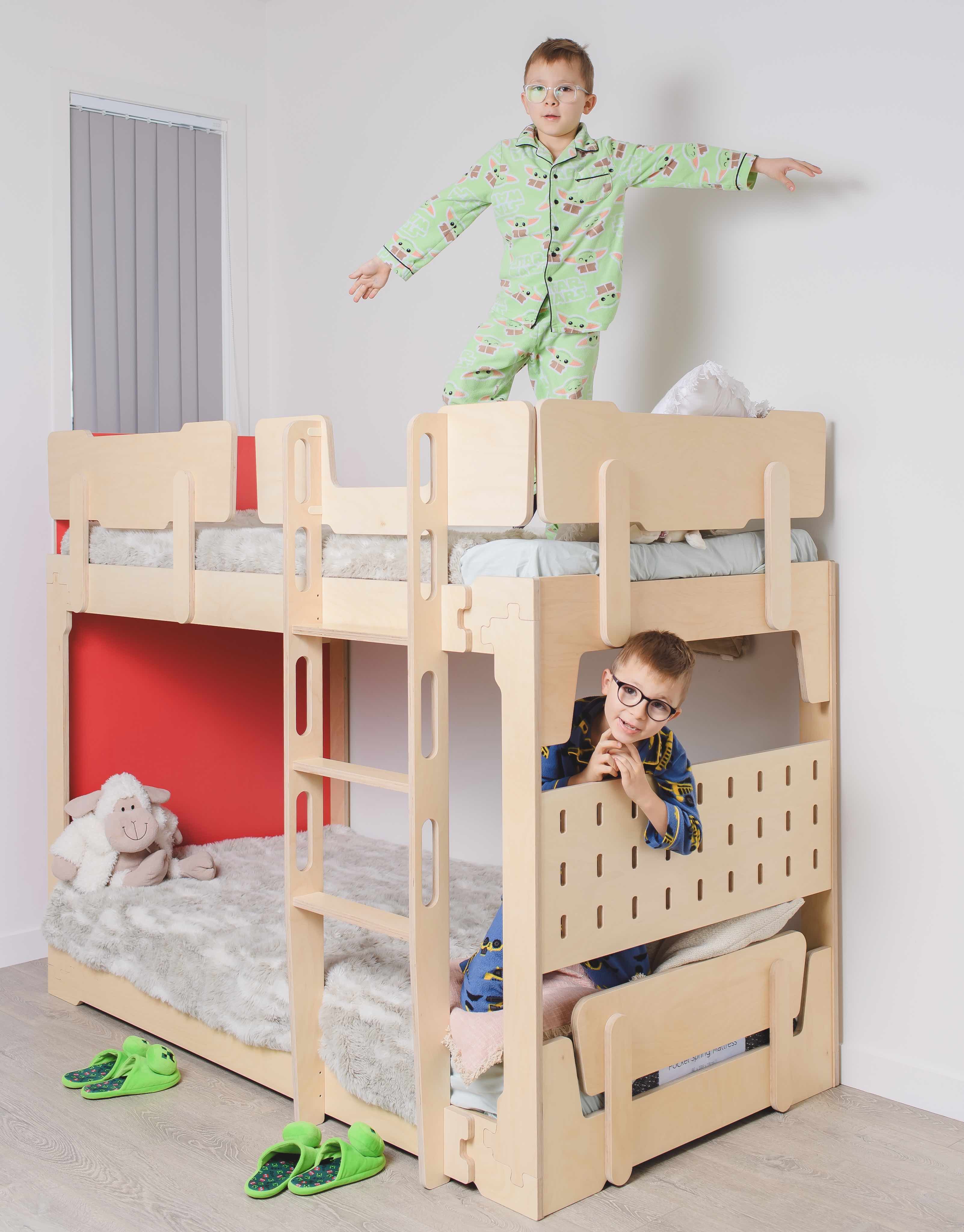
Credit: kitsmart.co.nz
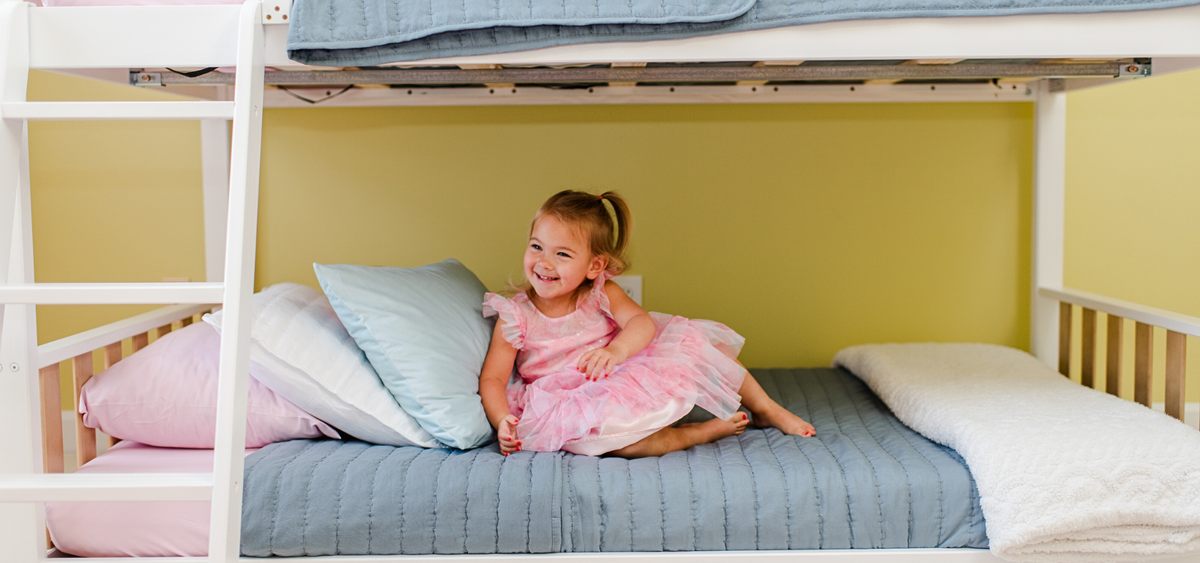
Credit: maxandlily.com
Frequently Asked Questions
What Is The Recommended Age For A Child To Use A Bunk Bed?
Most experts recommend children be at least 6 years old before using a bunk bed. This age ensures better safety awareness and physical coordination. Younger children may struggle with climbing and risk falling, so waiting until age 6 reduces injury risks.
Why Are Bunk Beds Not Safe For Toddlers?
Toddlers lack the motor skills and judgment to safely climb bunk beds. They are prone to falls, which can cause serious injuries. Guardrails might not fully protect them, so it’s safer to avoid bunk beds for children under 6 years old.
How Can Parents Ensure Bunk Bed Safety For Kids?
Parents should install guardrails on both sides of the top bunk and ensure a sturdy ladder. Regularly check the bed’s stability and teach children safe climbing habits. Always follow manufacturer guidelines and never allow rough play on the bunk bed.
Can Children Under 6 Use Bunk Beds With Supervision?
Even with supervision, children under 6 are generally not recommended to use bunk beds. Their lack of physical coordination increases fall risk. Supervision helps but does not fully mitigate dangers, so it’s best to wait until they are older.
Conclusion
Children can safely use bunk beds around six years old. At this age, they understand safety rules better. Always choose sturdy beds with guardrails. Teach kids to climb carefully and avoid rough play. Keep the room well-lit to prevent accidents.
Regularly check the bed for any loose parts. Remember, safety comes first when picking a bunk bed. This way, your child enjoys fun and safe sleep every night.
