Are you wondering when the right time is to switch your little one to a toddler bed? It’s a big step that can feel confusing and even a bit scary.
You want to keep your child safe and comfortable, but you also want to encourage their growing independence. Knowing the right age to make this change can save you from sleepless nights and worries. You’ll discover clear signs and expert tips to help you decide exactly when your child is ready for a toddler bed.
Keep reading to make this transition smooth and stress-free for both you and your toddler.
Signs Your Toddler Is Ready
Knowing when your toddler is ready for a toddler bed helps make the transition smooth. Each child grows and changes at their own pace. Watching for signs can guide your decision. These signs fall into three main groups: physical growth, behavior, and safety.
Physical Growth Indicators
Your toddler may be ready if they have outgrown the crib. Legs might stick out over the crib’s edge. They might try to climb out of the crib. This shows they need more space and freedom. Toddlers usually grow fast between 18 and 30 months.
Behavioral Changes
Some toddlers show interest in a big bed. They might ask to sleep in a “big kid” bed. Your child might resist naps or bedtime in the crib. They may also show more independence. These changes suggest readiness for a toddler bed.
Safety Considerations
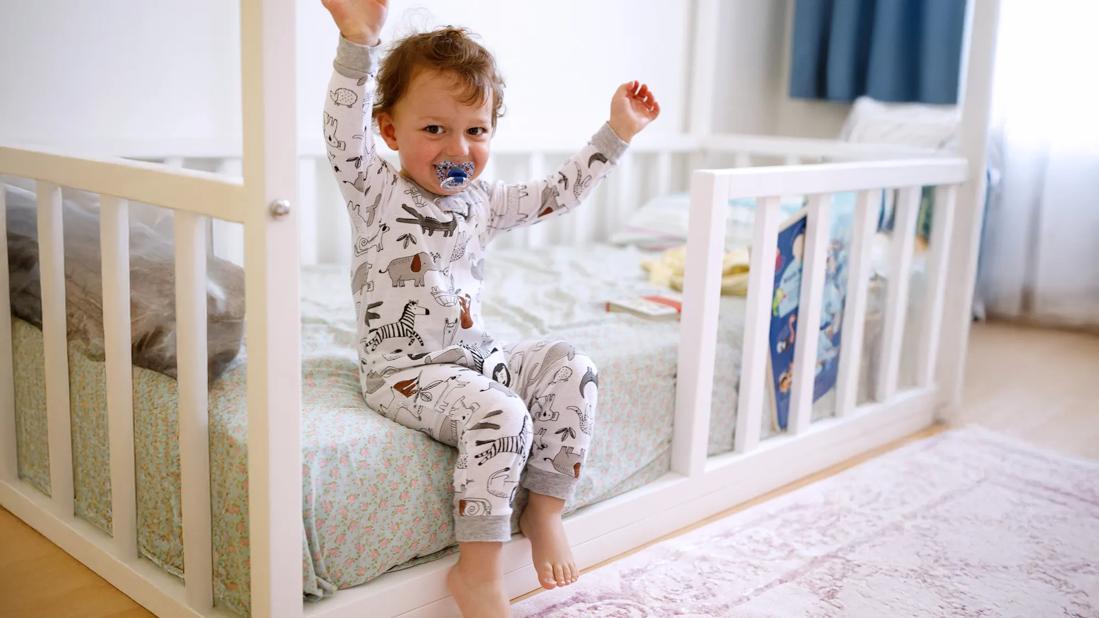
Safety is key when switching to a toddler bed. If your child climbs out of the crib, it can be dangerous. A toddler bed lowers the risk of falls. Make sure the bed has guardrails. Check the room for hazards since toddlers can get out easily.
Credit: health.clevelandclinic.org
Ideal Age Range For Transition
Choosing the right time to move your child to a toddler bed matters. This change helps your child feel safe and comfortable while sleeping. Knowing the ideal age range for transition makes the process smoother for both of you.
Common Age Milestones
Most children switch to a toddler bed between 18 months and 3 years old. This is when many start climbing out of their cribs. They also begin to enjoy more independence. At this age, kids grow taller and need more space to sleep. Many parents notice their toddlers asking to sleep in a “big kid” bed.
Variations By Child Development
Each child develops differently. Some may be ready before 18 months, while others need more time. Factors like physical growth, emotional readiness, and motor skills affect the timing. Watch for signs like climbing out of the crib or showing fear of small spaces. Trust your child’s pace and comfort level during this change.
Choosing The Right Toddler Bed
Choosing the right toddler bed is an important step for your child’s comfort and safety. It helps your child feel secure and excited about sleeping in their own bed. Picking the perfect bed also makes the transition from crib to bed easier.
Many factors play a role in selecting the best toddler bed. Size and design matter for fitting in the room and matching your child’s taste. Safety features protect your child during sleep and play. Let’s explore these key points.
Size And Design Options
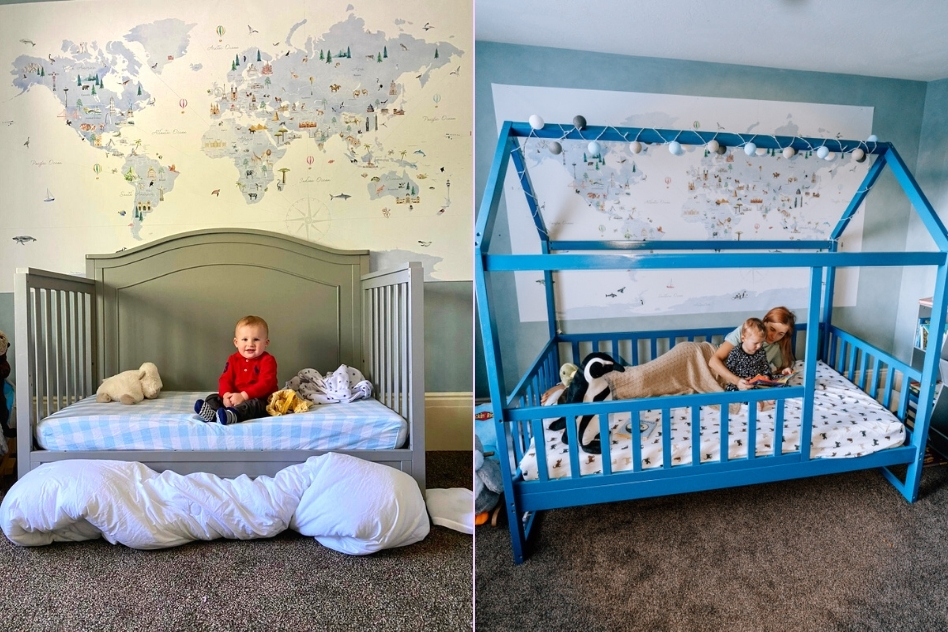
Toddler beds come in different sizes. Most fit a standard crib mattress. This size is familiar to your child and saves money.
Design choices include colors, themes, and shapes. Some beds have fun prints like animals or cars. Others have simple, classic looks. Choose a design that matches your child’s personality and room decor.
Low beds are best for toddlers. They help your child get in and out easily. Some beds also include guardrails to prevent falls.
Safety Features To Look For
Safety is the top priority when picking a toddler bed. Guardrails on both sides stop your child from rolling out.
Check that the bed frame has no sharp edges or splinters. Rounded corners are safer for little ones.
Look for sturdy construction. The bed should not wobble or tip easily. Using non-toxic paints and finishes protects your child’s health.
Make sure the mattress fits snugly. Gaps between mattress and frame can be dangerous. Verify all parts meet safety standards for toddler furniture.
Credit: annainthehouse.com
Preparing Your Toddler For The Move
Preparing your toddler for the move to a toddler bed is an important step. It helps your child feel safe and ready for this big change. Making the transition smooth can improve sleep and reduce anxiety. Focus on comfort and routine to support your toddler through this phase.
Creating A Comfortable Sleep Environment
Choose a toddler bed that feels cozy and safe. Add your child’s favorite blankets or stuffed animals. Keep the room at a comfortable temperature. Use soft lighting to create a calm space. Remove any sharp or dangerous objects from the room. This helps your toddler relax and sleep better.
Establishing A Bedtime Routine
Start a simple, calming bedtime routine. Include activities like a warm bath or reading a story. Stick to the same time each night for going to bed. Avoid screen time before sleep. A routine helps your toddler know what to expect. It makes bedtime feel familiar and comforting.
Managing Challenges During Transition
Moving your child to a toddler bed is a big step. It brings new feelings and changes in your child’s routine. Some children feel unsure or scared at first. These feelings can cause challenges. Managing these challenges helps your child feel safe and comfortable. It also helps parents stay calm and positive during the change.
Handling Resistance And Anxiety
Children may resist leaving their crib. The crib feels safe and familiar. They might cry or want to go back. Stay patient and calm. Offer comfort and reassurance often. Use a favorite blanket or toy for security. Talk gently about the new bed being fun. Create a bedtime routine that feels safe. Reading a story or singing a song helps. Give praise for small steps of progress. Avoid rushing the process. Let your child adjust at their own pace.
Dealing With Nighttime Wandering
Some toddlers may get out of bed at night. This can worry parents. It happens because kids explore or feel restless. Use gates or locks to keep them safe. Make the room cozy and inviting. Use a nightlight to ease fear of darkness. Check on your child calmly if they wander. Guide them back to bed without fuss. Keep a consistent bedtime routine to reduce wandering. Patience and calmness help your child settle quickly.
Credit: health.clevelandclinic.org
When To Move On From A Toddler Bed
Knowing when to move on from a toddler bed helps your child sleep safely and comfortably. Toddler beds suit children who have outgrown their cribs but are not yet ready for a big bed. The right time to change depends on your child’s growth and behavior. Watch for signs that show your child needs a bigger bed.
Signs Your Child Needs A Bigger Bed
Your child starts to feel cramped or uncomfortable in the toddler bed. If their feet hang off the edge, it is a clear sign. Climbing out often or wanting to sleep elsewhere also shows the bed is too small. Growing taller or heavier than the bed’s limit means it’s time to upgrade. If your child wakes up tired or restless, the bed might not support them well. Safety concerns arise if your child climbs out and falls more than usual.
Options After The Toddler Bed Stage
Once your child outgrows the toddler bed, a twin or full-size bed is a good choice. These beds offer more space and comfort for growing kids. Some parents choose beds with guardrails for extra safety. Loft beds or bunk beds work for older children who like fun sleeping spaces. A mattress on the floor also suits children afraid of falling. Choose a bed that fits your child’s needs and your room size.
Frequently Asked Questions
What Age Is Best For A Toddler Bed Transition?
Most children transition to a toddler bed between 18 months and 3 years old. It depends on their size and readiness.
How Do I Know If My Child Is Ready?
Look for climbing out of a crib or showing interest in a bigger bed. Safety and comfort matter most.
When Should I Stop Using A Toddler Bed?
Typically, kids outgrow toddler beds by ages 5 to 6. Switch when your child exceeds the bed’s weight or size limits.
Are Toddler Beds Safer Than Cribs?
Toddler beds are designed for young children and are generally safe. Use guardrails to prevent falls for added safety.
Conclusion
Choosing the right age for a toddler bed helps your child feel safe. Most kids switch between 18 months and 3 years old. Watch your child’s behavior and size for signs of readiness. A toddler bed offers more freedom than a crib.
It supports growing independence and better sleep habits. Keep the room safe and comfortable during this change. Every child is different, so trust your instincts. This step helps your toddler grow happily and confidently.