Are you wondering when your little one will outgrow their toddler bed? You’re not alone.
Every parent asks this question as they watch their child grow faster than expected. Knowing the right time to make the switch can save you stress and help your child feel comfortable and secure. You’ll discover the signs that show your child is ready to move on, and practical tips to make the transition smooth for both of you.
Keep reading to find out exactly what age kids grow out of toddler beds and how to handle this important milestone with confidence.
Credit: health.clevelandclinic.org
Typical Toddler Bed Age Range
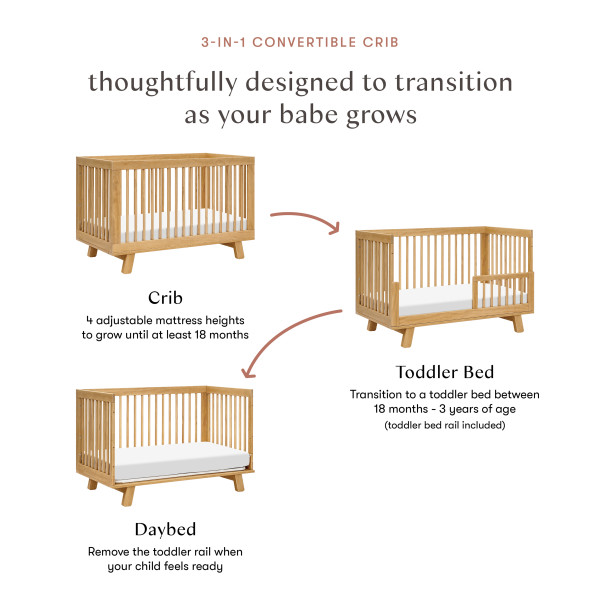
Toddler beds serve as a bridge between cribs and regular beds. They offer a safe and comfortable space for young children. Understanding the typical age range helps parents plan the next sleep transition.
Most children start using a toddler bed around 18 months to 3 years old. This stage allows them to gain independence while staying safe during sleep. Yet, the age to move out of a toddler bed varies widely.
Starting Age For Toddler Beds
Many toddlers switch from a crib to a toddler bed between 18 months and 2 years. This change often happens when the child shows signs of climbing out of the crib. Parents also consider the child’s size and mobility.
Ending Age For Toddler Beds
Children usually grow out of toddler beds by ages 4 to 5 years. Around this age, kids become too big for the small bed. They also start needing a bed that supports their growing bodies better.
Factors Affecting Toddler Bed Duration
Each child is different. Some stay in toddler beds longer due to comfort or safety. Others move on quickly because they grow tall or want more space. Parent preferences and room setup also play roles.
Credit: babyletto.com
Physical Growth Indicators
Physical growth plays a big role in deciding when a child should move out of a toddler bed. Watching these changes can help parents know the right time for a bigger bed. Kids grow fast, and their needs change with their size and strength.
Parents can look for clear signs in their child’s body that show they might need a bigger bed. These signs help keep children safe and comfortable during sleep. Understanding these indicators is important for every parent.
Height And Length
One key sign is your child’s height. Most toddler beds fit children up to about 40 inches tall. When your child starts to outgrow this length, it may be time to switch. A bed too small can make sleep uncomfortable.
Weight Limit
Each toddler bed has a weight limit. Check the manufacturer’s guide to see the maximum weight allowed. If your child is near or over this limit, a bigger bed is safer. A sturdy bed supports your child’s growing body.
Movement And Space
Kids who move a lot in their sleep need more space. If your child often kicks the bed rails or feels cramped, it is a sign. A larger bed lets them turn and stretch easily at night.
Comfort And Safety
Physical growth affects comfort and safety in a toddler bed. A bed that is too small can cause discomfort or risk falls. Choosing the right size bed helps your child sleep well and stay safe.
Sleep Behavior Changes
Toddlers usually move out of their toddler bed between ages 3 and 5. Sleep habits change as kids grow and need more space. Parents often notice these shifts before switching to a bigger bed.
Changes In Sleep Patterns
As children grow, their sleep needs change. Toddlers often nap during the day. By age three or four, naps may decrease or stop. Nighttime sleep usually becomes longer and more consistent.
Older kids may resist bedtime more than toddlers. They might wake up more at night. Some start to have vivid dreams or nightmares. These changes can affect how long they stay in a toddler bed.
Development Of Independence
At certain ages, kids want to feel more independent. They may want a “big kid” bed to show they are growing up. This desire can change their sleep habits. Moving out of a toddler bed can feel like a big step for them.
Independence also means they may want to get in and out of bed by themselves. A toddler bed with rails might feel too small or confining. This behavior signals readiness for a larger bed and more freedom.
Impact Of Sleep Environment
The bed itself affects how children sleep. Toddler beds are cozy but small. As kids grow, they need more space to move comfortably. A cramped bed can lead to restless sleep or waking up often.
Sometimes, kids outgrow the toddler bed because their body size changes. A bigger bed helps them stretch and sleep better. Changing the sleep environment can improve overall sleep quality for growing children.
Safety Concerns To Consider
Choosing the right time for your child to move out of a toddler bed involves thinking about safety. Toddlers need beds that protect them from falls and injuries. Parents should watch for signs that their child may outgrow the toddler bed’s safety features.
Safety concerns are very important during this transition. The bed should keep your child secure while they sleep. It should also fit their size and sleep habits. Understanding these safety points helps prevent accidents and keeps your child comfortable.
Height And Weight Limits
Toddler beds have height and weight limits. These limits help ensure the bed supports your child safely. Exceeding these limits can cause the bed to break or become unstable. Check the manufacturer’s guidelines to see if your child still fits within these limits.
Bed Rail Protection
Most toddler beds have rails to stop kids from falling out. As children grow, these rails may no longer protect them well. If your child starts climbing over the rails, the bed might be unsafe. Look for gaps where your child could slip through or get stuck.
Bed Stability And Durability
A stable bed prevents tipping and wobbling. Toddlers who move a lot need a firm bed frame. Loose parts or weak joints can cause accidents. Regularly check the bed for any signs of wear or damage.
Children’s sleep habits can affect safety. Some toddlers begin to move a lot in sleep or try to climb out. These actions increase the risk of falls. Monitor your child’s sleep to decide if the toddler bed remains safe.
Signs Of Readiness For A Big Kid Bed
Moving from a toddler bed to a big kid bed is a big step. It means your child is growing and gaining independence. Watching for signs of readiness helps make this change smooth and safe.
Not all kids are ready at the same age. Some may be ready at two and a half, while others might need more time. Paying attention to your child’s behavior and skills is key.
Climbing Out Of The Toddler Bed
One clear sign is when your child starts climbing out of the toddler bed. This can be dangerous and shows they might need a bigger, safer bed. It also means they want more freedom to move around.
Showing Interest In A Big Kid Bed
Your child may ask about a bigger bed or show excitement for the change. This interest is a good sign they are ready emotionally. They want to feel grown-up and take part in the decision.
Sleeping Through The Night
Consistent sleep is important. If your child sleeps through the night without waking or needing help, they might handle a bigger bed well. It means they can stay in bed safely until morning.
Using The Bathroom Independently
Being able to use the bathroom alone at night helps. It means your child can get up safely without your help. This skill supports moving to a big kid bed, which is usually higher off the ground.
Understanding Safety Rules
Your child should understand basic safety rules. For example, staying in bed until morning and not jumping off. This shows they have the maturity to use a big kid bed responsibly.

Credit: www.whattoexpect.com
Transition Tips For Parents
Moving your child from a toddler bed to a bigger bed can be a big change. It needs care and patience. This transition affects sleep, comfort, and safety. Parents play a key role in making it smooth.
Here are some easy tips to help your child feel safe and happy during this change.
Make The New Bed Inviting
Let your child pick new bedding or a favorite blanket. This creates excitement. Add soft pillows and stuffed animals for comfort. A cozy bed feels special and safe.
Keep A Consistent Bedtime Routine
Stick to the same bedtime routine every night. This helps your child know what to expect. Reading a story or singing a lullaby calms and prepares them for sleep.
Use Positive Words And Praise
Talk about the “big kid” bed in a happy way. Praise your child for trying the new bed. Positive words build confidence and reduce fear.
Place The Bed In A Familiar Spot
Put the new bed where the toddler bed was. Familiar surroundings ease the change. Avoid moving the bed to a new room right away.
Ensure Safety Measures Are In Place
Use bed rails if needed to prevent falls. Check that the bed is low to the ground. Remove hard or sharp objects nearby for safety.
Frequently Asked Questions
At What Age Do Kids Typically Leave Toddler Beds?
Most children transition from toddler beds between ages 3 and 5. This varies based on their size and readiness for a bigger bed. Parents should watch for signs like climbing out or feeling cramped to know when to switch.
How To Know When My Child Is Ready For A Big Bed?
Look for signs like outgrowing the toddler bed or wanting more space. If your child climbs out frequently or feels uncomfortable, it’s time to upgrade to a twin or full-size bed.
What Are Signs A Toddler Bed Is Too Small?
Signs include your child’s feet hanging off the edge or difficulty moving comfortably. If your toddler starts climbing out or seems cramped, it’s a clear indicator to consider a bigger bed.
Is It Safe For Kids To Stay In Toddler Beds Too Long?
Staying too long in a toddler bed can pose safety risks like climbing injuries. It’s best to transition once your child shows signs of outgrowing the bed to ensure comfort and safety.
Conclusion
Most kids leave their toddler bed by age five or six. Every child grows at their own pace. Watch for signs like climbing out or needing more space. Comfort and safety matter most in this change. Transition smoothly by involving your child in the process.
This helps them feel secure and excited. Remember, this step is just part of growing up. Keep routines steady to ease the adjustment. Your child will soon enjoy their new bed. Stay patient and supportive through this milestone.