Are you wondering when your little one is ready to move from a crib to a toddler bed? Choosing the right age for this big step can feel tricky.
You want to keep your child safe, comfortable, and happy. But how do you know the perfect time to make the switch? You’ll discover clear signs to watch for and expert tips to help you decide. By the end, you’ll feel confident about giving your toddler the best start in their new bed.
Keep reading to learn what age truly fits your child’s needs.
Signs Your Toddler Is Ready
Knowing when to move your toddler to a bed is important for their comfort and safety. Some clear signs show your child is ready to leave the crib behind. Watch for changes in size, movement, and sleep habits. These clues help you decide the right time for a toddler bed.
Outgrowing The Crib
Your toddler may be too big for the crib if they start to feel cramped. Legs or arms might hang over the sides. They might try to climb out, which can be unsafe. When your child outgrows the crib, it is time to think about a bigger bed.
Physical Development
Growing muscles and better balance help toddlers get in and out of bed easily. If your child can climb safely, they might be ready for a bed. Stronger legs and arms mean they can handle the change well. Physical skills are a good sign of readiness.
Sleep Patterns
Changes in sleep can show your toddler is ready for a bed. They may wake up more often or move around a lot at night. A toddler bed gives them more space to turn and stretch. Sleep that is restless in the crib might improve with a new bed.
Common Age Ranges For Transition
Choosing the right time to switch your child to a toddler bed can feel tricky. Many parents want to know the best age for this change. Understanding common age ranges helps make the transition smooth. It also helps keep your child safe and comfortable.
Typical Age Window
Most children move to a toddler bed between 18 months and 3 years. This range suits many toddlers as they start to outgrow cribs. At this stage, kids gain more mobility and want to explore their space. Parents often notice signs like climbing out of the crib or showing interest in a bigger bed.
Variations By Child
Every child grows and develops differently. Some children may be ready earlier or later than others. Factors like physical growth and emotional readiness matter. A child who feels secure in their crib might stay longer. Others eager for independence may want a toddler bed sooner.
Cultural Differences
Culture affects when toddlers move to new beds. In some cultures, children sleep with parents longer and stay in cribs. Other cultures encourage early independence and use toddler beds earlier. Family traditions and living arrangements also shape these choices. Respecting these differences helps parents decide what fits best.
Benefits Of Toddler Beds
Toddler beds bring many benefits to young children and their parents. They offer a smooth change from a crib to a regular bed. This step helps toddlers feel safe and happy in their new sleeping space. Toddler beds are designed to meet kids’ needs, making bedtime easier and more fun. They also support a child’s growth and independence in many ways.
Safety Features
Toddler beds have low frames to prevent big falls. Many have side rails that keep children from rolling out. These beds use safe materials without sharp edges. The design helps parents feel calm about their child’s sleep. It also stops accidents that can happen in bigger beds.
Encouraging Independence
A toddler bed lets children get in and out by themselves. This freedom builds confidence and a sense of control. Kids learn to manage their own bedtime routines. It helps them grow more responsible every day. Independence in sleep also improves their overall development.
Comfort And Familiarity
Toddler beds often use the same mattress as the crib. This keeps the child’s sleeping surface familiar and cozy. Kids feel more secure in a bed that looks like their crib. Comfort helps them fall asleep faster and sleep better. A smooth transition reduces bedtime anxiety for children.

Credit: busywood.com
Potential Challenges To Consider
Moving a toddler to a new bed is a big step for both kids and parents. It can bring challenges that affect safety and sleep quality. Being aware of these issues helps parents prepare and make the transition smoother. Here are some common challenges to keep in mind.
Risk Of Falling
Toddler beds are low to the ground but do not have high rails like cribs. This increases the chance of your child falling out during sleep. Falls can cause minor injuries or disturb your toddler’s rest. Placing a soft rug or mattress on the floor next to the bed can reduce harm.
Sleep Disruptions
Changing from a crib to a bed can disrupt your child’s sleep pattern. Toddlers may feel unsure in the new space and wake up more often. They might also get out of bed and wander around. Setting clear rules and comforting routines help ease these disruptions.
Adjusting To New Routines
New beds often require new bedtime routines. Toddlers need time to get used to these changes. Consistency is key. Parents should keep bedtime and wake-up times steady. Reading a book or singing a song can signal it is time to sleep.
Tips For A Smooth Transition
Moving your child to a toddler bed is a big step. It needs care and planning. A smooth transition helps your child feel safe and happy. The right approach makes bedtime easier for both of you. Here are some tips to help you through this change.
Involving Your Child
Let your child join the process. Let them pick their new bed or bedding. This gives them a sense of control. Talk about the new bed in a fun way. Read books about toddler beds together. Celebrate this new step with excitement. This helps reduce fear and builds interest.
Creating A Cozy Sleep Space
Make the bed inviting and warm. Use soft blankets and favorite stuffed toys. Keep the room calm and quiet at bedtime. Use a nightlight if your child feels scared. A comfy place helps your child relax. This makes falling asleep easier and quicker.
Maintaining Consistent Bedtime
Stick to the same bedtime routine every night. Brush teeth, read a story, and say goodnight. Consistency gives your child a clear signal to sleep. Avoid screen time before bed to keep calm. A steady routine helps your child adjust faster. It builds good sleep habits for the future.
Safety Guidelines For Toddler Beds
Choosing a toddler bed is an exciting step for both parents and children. Safety is the top priority during this transition. Proper safety guidelines help prevent accidents and ensure a comfortable sleep for toddlers. This section covers important safety tips for toddler beds.
Choosing The Right Bed
Select a bed with low height to reduce fall risk. Look for sturdy frames made from solid materials. Avoid beds with sharp edges or loose parts. Ensure the mattress fits snugly without gaps. The bed should support your child’s weight well.
Using Bed Rails
Bed rails help keep toddlers from rolling out. Use rails that attach securely to the bed. They should cover the full length of the bed side. Check for gaps where a child’s limbs could get stuck. Remove rails once your child can safely get in and out.
Room Safety Measures
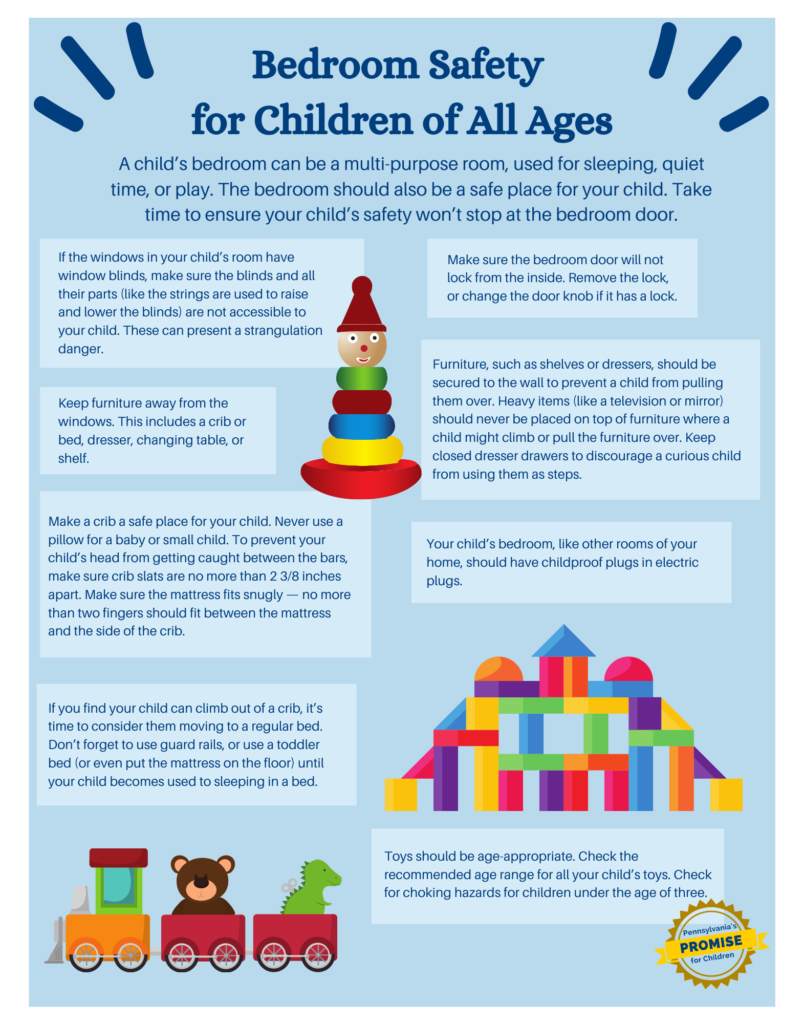
Place the bed away from windows and cords. Secure furniture to the wall to avoid tipping. Use cordless window coverings to prevent strangulation. Keep small toys and choking hazards out of reach. Ensure the floor near the bed is clear of clutter.
When To Delay The Move
Deciding the right time to move your child to a toddler bed can be tricky. Sometimes waiting longer is better for your child’s comfort and safety. Knowing when to delay the move helps avoid stress for both you and your toddler. Watch your child’s behavior and sleep patterns closely. Also, consider how ready you feel to handle this change.
Behavioral Signs
Some toddlers show they are not ready by acting clingy or scared. They may want to stay in their crib or cry a lot. These signs suggest your child needs more time in the crib. Pushing the move too soon can cause anxiety and disrupt their routine. Wait until your toddler feels safe and calm about the change.
Sleep Issues
Moving too early can cause sleep problems. Your child might wake often or resist bedtime. Nightmares or restlessness may increase after the move. If sleep quality drops, consider postponing the transition. A stable sleep routine is important for your toddler’s growth and mood.
Parental Readiness
You need to feel prepared for the move too. A toddler bed requires more supervision and safety checks. If you feel unsure or overwhelmed, wait. Preparing the room and setting clear rules helps the process. Your calm and confidence will help your toddler adjust better.
Credit: papromiseforchildren.com

Credit: busytoddler.com
Frequently Asked Questions
What Is The Ideal Age For A Toddler Bed Transition?
Most children transition to a toddler bed between 18 months and 3 years. This range depends on the child’s size and readiness to climb in and out safely.
How To Know If My Child Is Ready For A Toddler Bed?
Look for signs like climbing out of a crib or showing interest in a bed. Safety awareness and ability to follow basic instructions also indicate readiness.
Can A Toddler Bed Improve Sleep Quality?
Yes, a toddler bed offers more freedom and comfort, which can enhance sleep. It helps children feel grown-up, promoting better sleep habits and independence.
When Should You Stop Using A Toddler Bed?
Children typically outgrow toddler beds by age 5 or when they exceed the bed’s weight or size limits. Moving to a twin bed is the next step.
Conclusion
Choosing the right age for a toddler bed depends on your child’s growth. Most kids move between 18 months and 3 years old. Watch for signs like climbing out of the crib or wanting more space. Safety matters, so pick a bed with guardrails.
Changing beds is a big step for toddlers. It helps them feel grown-up and sleep better. Trust your child’s readiness more than age alone. This way, you create a safe and happy sleep space.