Are you wondering when your little one is ready to make the big switch from a crib to a toddler bed? This change is a big step for both you and your child.
Choosing the right age can make bedtime smoother and safer. You’ll discover clear signs to watch for and expert tips to help you know exactly when your baby is ready. Keep reading to find out how to make this transition comfortable and exciting for your family.
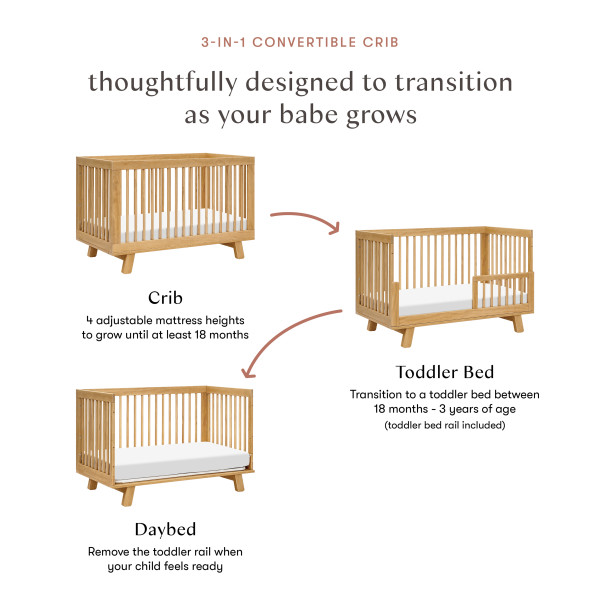
Credit: babyletto.com
Signs Baby Is Ready
Knowing when a baby is ready for a toddler bed helps make the change smooth. Watch for clear signs that show your child is prepared. These signs often mean your baby needs more space and freedom.
Climbing Out Of Crib
One strong sign is when a baby starts climbing out of the crib. This can be unsafe and shows they want more freedom. Climbing means the crib no longer fits their growing energy and skills.
Showing Interest In Toddler Bed
Babies may show interest in a toddler bed by asking about it or wanting to sit in it. This curiosity shows they are ready for a new sleeping space. Interest helps with a smooth transition.
Physical Growth Milestones
Physical changes like growing taller or heavier can make the crib too small. When babies outgrow the crib, they need a bigger bed. Check if your baby’s feet touch the crib’s edges or if they look cramped.

Credit: casakids.com
Ideal Age Range
Choosing the right time for a baby to move into a toddler bed is important. The ideal age range helps parents plan the change smoothly. It depends on many factors like safety, comfort, and the child’s readiness. Understanding this range can make the transition easier for both baby and parents.
Typical Age For Transition
Most children move to a toddler bed between 18 months and 3 years old. Many start around 2 years old. This is when they grow too big for a crib. They also begin to understand how to climb in and out safely. This age range suits most kids’ physical and emotional needs.
Variations Among Children
Every child is different. Some may be ready before 18 months, while others might stay in a crib longer. Factors like mobility, behavior, and comfort affect this timing. Parents should watch their child’s cues. A child who climbs out of the crib too often might need a bed sooner. Others may feel safer in a crib a bit longer.
Choosing The Right Toddler Bed
Choosing the right toddler bed is an important step for your child’s comfort and safety. A good bed helps your toddler sleep well and feel secure. It also makes the transition from a crib easier. Consider factors that keep your child safe and comfortable every night.
Safety Features To Look For
Safety is the top priority when picking a toddler bed. Look for beds with guardrails to prevent falls. Make sure the bed frame is sturdy and made of non-toxic materials. Check for smooth edges and no sharp corners. Avoid beds with small parts that can come loose. The mattress should fit snugly without gaps. This prevents your child from getting stuck or hurt.
Size And Comfort Considerations
Choose a bed size that fits your child’s room and grows with them. A toddler bed should be low to the ground for easy access. The mattress should be soft but supportive for a good night’s sleep. Breathable bedding materials help keep your child comfortable. Consider a bed that can later convert to a small bed for older kids. Comfort helps your child feel safe and sleep better.
Making The Transition Smooth
Moving a baby to a toddler bed can feel like a big step for both parents and children. Making this change smooth helps your child feel safe and secure. A calm and steady approach helps your toddler adjust better to their new bed. Small changes create big comfort during this transition.
Establishing A Bedtime Routine
Create a consistent bedtime routine to signal sleep time. Start with calming activities like reading a book or soft music. Keep the routine short and simple. Doing the same steps every night helps your toddler understand what comes next. This predictability reduces anxiety and encourages better sleep.
Using Comfort Objects
Comfort objects like a favorite blanket or stuffed toy bring security. Let your toddler choose their comfort item for the new bed. These objects offer familiarity in a new space. Holding a soft toy or blanket helps children feel calm and safe at bedtime.
Room Setup Tips
Arrange the room to feel cozy and inviting. Use soft lighting, like a nightlight, to ease fear of the dark. Keep toys and books within easy reach to encourage independence. Make sure the bed is easy to get in and out of. A welcoming room helps your toddler relax and sleep well.
Common Challenges
Moving a baby to a toddler bed brings many changes. It can be exciting but also challenging. Parents often face common problems during this transition. Knowing these issues helps prepare and handle them calmly. Below are some typical challenges parents meet.
Resistance To Change
Many toddlers do not like leaving their crib. The crib feels safe and familiar. A new bed seems strange and scary. Toddlers may refuse to sleep there at first. They might cry or try to climb out. This resistance is normal and shows they need time.
Nighttime Wandering
Toddlers can get out of bed and walk around. They may explore the room or come to parents’ bed. This wandering can worry parents and disrupt sleep. Setting clear rules and a safe room help reduce this problem. Locks on doors or gates might be needed.
Handling Setbacks
Sometimes, toddlers return to old habits like bedwetting or needing help to sleep. These setbacks can be frustrating. Patience and consistency are important. Praise small successes. Keep a calm attitude to help toddlers feel secure and confident.
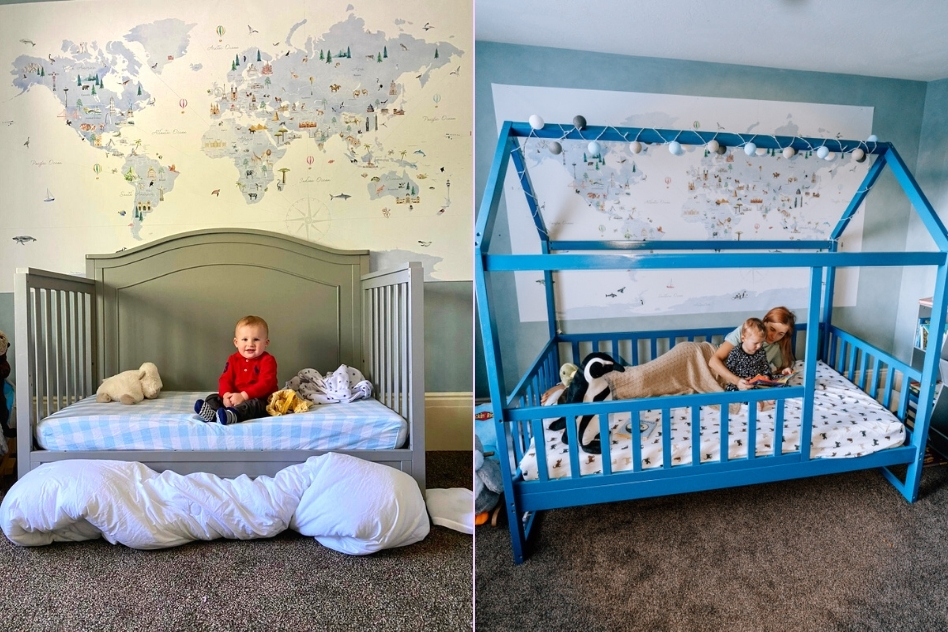
Credit: annainthehouse.com
Expert Recommendations
Experts offer clear advice on the right time to move a baby to a toddler bed. This change depends on the child’s growth, safety, and comfort. Listening to professionals helps parents make wise choices for their little ones.
Pediatrician Advice
Pediatricians suggest switching to a toddler bed between 18 months and 3 years old. They watch for signs like climbing out of the crib or needing more space. Safety is a top concern, so they recommend a bed with guardrails. Pediatricians also say to keep the child’s sleep routine steady during the change.
Sleep Specialist Tips
Sleep specialists focus on how the move affects rest quality. They suggest waiting until the child sleeps well through the night in a crib. Specialists advise making the new bed inviting with familiar blankets or toys. They stress patience and consistency to help the child adjust smoothly.
Frequently Asked Questions
At What Age Is It Best To Switch To A Toddler Bed?
Most children transition to a toddler bed between 18 months and 3 years. This depends on their readiness and safety needs. Signs include climbing out of the crib or showing interest in a bigger bed. Always consider the child’s comfort and safety first.
How Do I Know My Baby Is Ready For A Toddler Bed?
Look for signs like climbing out of the crib or expressing interest in a bed. If your child starts to resist the crib or outgrows it physically, it’s time. Readiness also includes following simple instructions and feeling secure in a new sleeping space.
What Safety Features Should A Toddler Bed Have?
A toddler bed should have guardrails to prevent falls. It must be low to the ground and sturdy. Avoid beds with sharp edges or loose parts. Ensure the mattress fits snugly to avoid gaps that could trap your child.
Can A Toddler Bed Help Improve My Child’s Sleep?
Yes, a toddler bed can improve sleep by providing more space and comfort. It helps children feel more independent and secure. Transitioning at the right age reduces sleep disturbances caused by discomfort or safety concerns.
Conclusion
Choosing the right age for a toddler bed depends on your child’s growth and safety. Most kids switch between 18 months and 3 years old. Watch for signs like climbing out of the crib or needing more space. A toddler bed helps them feel more independent and comfortable.
Always keep safety in mind during the transition. Every child is different, so trust your instincts. This change marks a new step in your little one’s journey. Enjoy this exciting time together.