Are you wondering when your child is ready to move from a crib to a toddler bed? Knowing the right age can make bedtime smoother and safer for both you and your little one.
Choosing the perfect time helps your child feel comfortable and secure while giving you peace of mind. You’ll discover the signs to watch for and the best age range to make this important transition. Keep reading to find out how to make your child’s bedtime routine easier and more restful for everyone.
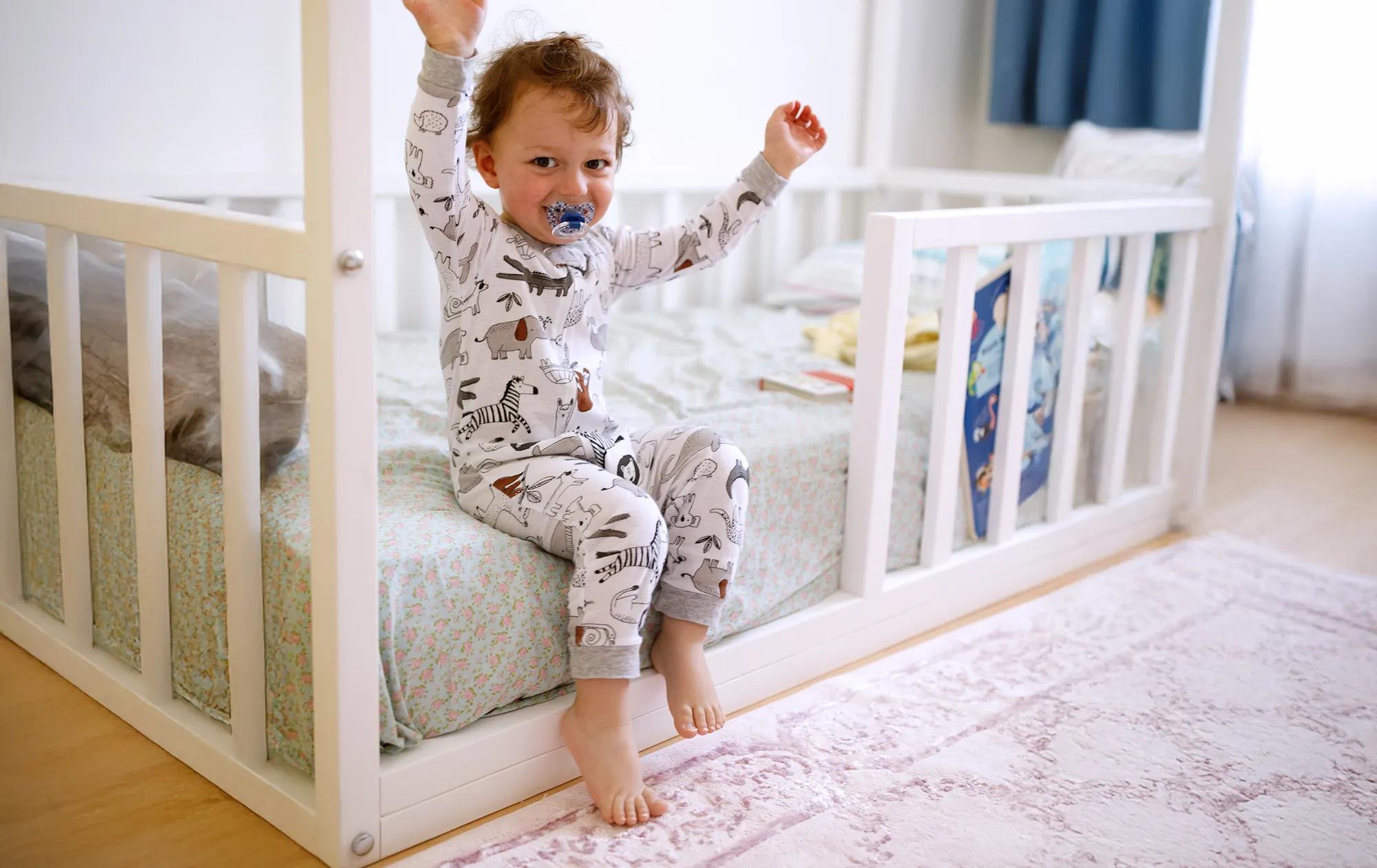
Credit: health.clevelandclinic.org
When To Transition
Knowing when to move your child to a toddler bed is important. The right timing helps your child feel safe and comfortable. Transitioning too early or too late can cause stress. Watch your child’s behavior and physical signs. These clues show readiness for a new sleeping space.
Signs Your Child Is Ready
Your child may climb out of the crib often. This shows they want more freedom. They might express interest in a “big kid” bed. Look for the ability to follow simple rules. Staying in bed all night is a good sign. Also, notice if your child can get in and out safely.
Common Age Ranges
Most children switch to toddler beds between 18 months and 3 years. Some need more time and stay in cribs longer. Each child grows at their own pace. Use age as a general guide, not a strict rule. Comfort and safety matter most during this change.
Choosing The Right Bed
Choosing the right bed for a toddler is an important step for parents. Toddlers need comfort and safety as they transition from a crib. The right bed helps them feel secure and promotes good sleep habits. Understanding the types of toddler beds and the safety features to look for can guide parents in making the best choice.
Types Of Toddler Beds
Toddler beds come in several styles to fit different needs. The most common is the low-to-the-ground bed frame. It helps toddlers get in and out easily. Some beds come with rails to prevent falls. Convertible beds change from cribs to toddler beds. These save money and space. There are also themed beds with fun designs. These can make bedtime more exciting for children.
Safety Features To Look For
Safety is the top priority when choosing a toddler bed. Look for sturdy frames made from strong materials. The bed should have smooth edges to avoid injuries. Side rails help stop toddlers from rolling out. Make sure the mattress fits snugly to prevent gaps. Avoid beds with sharp corners or loose parts. Check for non-toxic paint and finishes. These keep your child safe from harmful chemicals.
Making The Move Smooth
Moving a child to a toddler bed is a big step. It can bring many changes for both the child and the parents. A smooth transition makes this change easier and less stressful. Careful planning and patience help your child feel safe and happy in their new bed.
Preparing Your Child
Talk to your child about the new bed before the change. Show pictures or read stories about toddler beds. Let them touch and explore the bed first. Explain that it is their very own bed now. Praise them for being brave and growing up. Small rewards can encourage them to try the new bed.
Setting Up The Bedroom
Make the bedroom cozy and inviting. Use soft lighting to create a calm space. Place favorite toys or blankets near the bed. Keep the room tidy to avoid distractions. Ensure the bed is safe with guardrails if needed. A good sleep environment helps the child feel secure and ready to rest.
Credit: www.candokiddo.com
Sleep Tips For Toddlers
Toddlers need good sleep for their growth and mood. Sleep tips help parents make bedtime smooth and calm. Proper sleep habits also help toddlers feel safe and happy.
Parents can use simple steps to create a peaceful sleep environment. These tips support toddlers as they adjust to their new toddler bed.
Establishing A Routine
Set a consistent bedtime and wake-up time every day. A fixed routine helps the toddler know what to expect. Include quiet activities like reading or soft music before bed. Avoid screens and loud play an hour before sleep. Keep the bedroom dark and cool to promote rest. Consistency makes falling asleep easier and faster.
Dealing With Nighttime Fears
Night fears are normal for toddlers. Reassure your child with calm words and hugs. Use a nightlight to keep the room softly lit. Create a “safe space” with favorite toys or blankets. Avoid scary stories or movies before bedtime. Teach your child deep breathing or gentle touch to feel safe. Patience and comfort help reduce fear over time.
Common Challenges
Moving a child to a toddler bed brings new experiences. Parents often face common challenges during this transition. Understanding these challenges helps in making the change smoother and safer for the child.
Bedtime Resistance
Many toddlers resist bedtime after switching to a toddler bed. The freedom to get up can make it hard to stay in bed. Some children test limits to see what they can do. They may call out or ask for extra stories. Sticking to a calm, firm routine helps reduce resistance. Consistent bedtime habits make the child feel secure.
Safety Concerns
Safety becomes a bigger focus with a toddler bed. The child can easily climb out and wander around. Parents worry about falls or accidents during the night. Using guardrails can prevent rolling off the bed. Placing the bed away from windows and sharp objects is wise. A safe sleep space gives parents peace of mind.

Credit: raisingchildren.net.au
Expert Advice
Choosing the right time for a child to sleep in a toddler bed can be tricky. Experts offer clear advice to help parents make the best choice. This section shares trusted insights from doctors and parents. It focuses on practical tips and safe transitions.
Pediatrician Recommendations
Pediatricians suggest moving a child to a toddler bed between 18 months and 3 years. This range fits most children’s growth and safety needs. They watch for signs like climbing out of the crib. Safety is key. The bed should have guardrails to prevent falls.
Doctors stress a stable bedtime routine. This helps children feel secure in their new bed. Consistency in sleep schedules supports better rest. Pediatricians also advise checking the child’s readiness. Physical and emotional readiness vary by child.
Parenting Insights
Parents notice their children show interest in bigger beds around age 2. Some children feel excited about the change. Others may be nervous and need time to adjust. Many parents recommend involving kids in choosing bedding. This makes the transition fun and personal.
Parents also share that patience is important. Some toddlers take weeks to sleep well in a new bed. Comfort items like favorite blankets help ease fears. Keeping the toddler bed in the same room at first can help too. Listening to the child’s feelings is important.
Frequently Asked Questions
At What Age Should A Child Start Using A Toddler Bed?
Most children transition to a toddler bed between 18 months and 3 years old. This change often happens when they outgrow a crib or start climbing out.
How To Know If A Child Is Ready For A Toddler Bed?
Signs include climbing out of the crib, showing interest in a bigger bed, or potty training progress. Safety and comfort are key readiness indicators.
What Are The Benefits Of A Toddler Bed?
Toddler beds provide safety rails, easier access, and a sense of independence. They help children adjust smoothly from crib to regular bed.
When Should A Child Stop Using A Toddler Bed?
Typically, kids switch to a twin or regular bed between ages 5 and 7, depending on their size and comfort needs.
Conclusion
Choosing the right age for a toddler bed helps your child feel safe. Most kids move between 18 months and 3 years old. Watch for signs like climbing out of the crib or showing interest in a bigger bed. A toddler bed gives freedom but keeps safety in mind.
This change supports better sleep and growing independence. Trust your child’s pace and comfort to decide the perfect time. Every child is unique, so stay patient and observant. A smooth transition makes bedtime easier for both of you.