Are you wondering when the right time is for your toddler to move from a crib to a bed? This is a big step for both you and your little one.
Making the switch too early or too late can cause sleep problems, safety concerns, or even stress for your child. But don’t worry—you’re not alone, and the answer isn’t one-size-fits-all. You’ll discover clear signs to watch for, expert tips to make the transition smooth, and how to know exactly when your toddler is ready.
Keep reading to find out how to make this important change easy and safe for your family.

Credit: annainthehouse.com
When Toddlers Typically Transition
Moving from a crib to a bed is a big step for toddlers and parents. The right time varies for each child. Parents often wonder about the best age to make this change. Understanding typical ages helps prepare for a smooth transition.
Some toddlers move to a bed earlier, while others stay in a crib longer. Watching your child’s growth and behavior gives clues. Safety and comfort matter most in this decision.
Common Age Range
Most toddlers switch to a bed between 18 months and 3 years. Many children move around their second birthday. Some start as early as 18 months, especially if they climb out of the crib. Others wait until age 3 or older.
Each child grows at their own pace. The common age range shows when many parents feel ready. This helps set expectations but does not set strict rules.
Developmental Readiness
Look for signs your toddler is ready to leave the crib. Climbing out often means it is time to change. Toddlers who understand simple instructions also adjust better.
Being able to follow bedtime routines helps with the switch. Some toddlers show fear or resistance to new beds. Patience and gentle guidance ease their fears.
Check if your child can stay in bed all night. This shows they can handle the new sleeping space. Taking these steps makes the move safer and less stressful.
Signs Your Toddler Is Ready
Moving your toddler from a crib to a bed is a big step. Not all toddlers are ready at the same time. Watch for signs that show your child is prepared. These signs help make the transition smooth and safe.
Look at your toddler’s body, actions, and sleep habits. They give clues about the right moment to change their sleeping space.
Physical Clues
Your toddler may outgrow the crib physically. They might climb out of the crib easily. This shows they need a bed for safety reasons. Check if they seem too tall or cramped in the crib. These are clear physical signs to switch.
Behavioral Indicators
Notice your toddler’s behavior around the crib. Do they try to get out often? Do they resist bedtime or feel trapped? These actions suggest they want more freedom. Showing interest in a “big kid” bed is another sign. They may ask for a bed like older siblings.
Sleep Patterns
Changes in sleep can hint at readiness. Your toddler may wake up more at night. They might have trouble falling asleep in the crib. Restlessness or waking up early can also mean they need a bed. A bed may help them feel more comfortable and sleep better.
Benefits Of Moving To A Bed
Moving a toddler from a crib to a bed is a big step. It brings many benefits for both the child and the parents. This change can make sleep more comfortable, help the child grow independent, and improve safety in the room.
Improved Comfort
Beds offer more space for toddlers to stretch and move during sleep. This extra room helps them sleep better and feel more relaxed. Soft mattresses and pillows can be added to increase comfort. A cozy bed can make bedtime more inviting and peaceful for your child.
Increased Independence
A bed lets toddlers get in and out on their own. This freedom builds confidence and self-help skills. Children learn to make choices about sleep time and rest. It also encourages a sense of responsibility for their own space and routine.
Safety Considerations
Choosing the right bed ensures your toddler stays safe at night. Low beds reduce the risk of injury from falls. Bed rails can prevent rolling off during sleep. Make sure the room is child-proofed to avoid accidents while moving around.
Challenges To Expect
Moving a toddler from a crib to a bed can be a big step for both parents and children. Expect some challenges during this change. Toddlers may react in different ways as they adjust to their new sleeping space. Understanding these challenges helps you prepare and handle them better.
Resistance To Change
Toddlers often resist leaving their familiar crib. They may feel scared or unsure about the new bed. This can lead to crying or refusal to sleep in the bed. Patience and gentle encouragement work best to ease this resistance.
Nighttime Wandering
After the move, toddlers might wander around the room at night. They may explore or come to parents’ rooms. Setting clear boundaries and using safety gates can help keep toddlers safe during this phase.
Adjusting Sleep Routines
Changing from crib to bed can affect sleep patterns. Toddlers might wake up more often or take longer to fall asleep. Keeping a consistent bedtime routine helps toddlers feel secure and sleep better.
Expert Tips For A Smooth Transition
Moving a toddler from a crib to a bed can be a big change. It may feel hard for both parents and toddlers. Experts say the key is to make this change calm and positive. A smooth transition helps your child feel safe and happy at bedtime. Here are some tips to guide you.
Involving Your Toddler
Let your toddler help choose their new bed or bedding. This gives them a sense of control. Talk about the bed as a fun new place to sleep. Use simple words to explain the change. Praise your child for trying the new bed. Make bedtime a team effort. This keeps your toddler excited and less scared.
Creating A Cozy Sleep Space
Make the new bed comfortable and inviting. Use soft blankets and favorite stuffed animals. Keep the room quiet and dim at bedtime. Avoid bright lights or loud noises. A calm room helps your toddler relax. Add night lights if your child feels afraid of the dark. A cozy space makes the new bed feel safe.
Establishing Consistent Bedtime Routines
Keep bedtime routines the same as before. Bath time, story reading, and cuddles help your toddler feel calm. Start the routine at the same time every night. This builds a sense of security and predictability. Stick to routines even if your toddler resists the new bed. Consistency helps your child adjust to change smoothly.
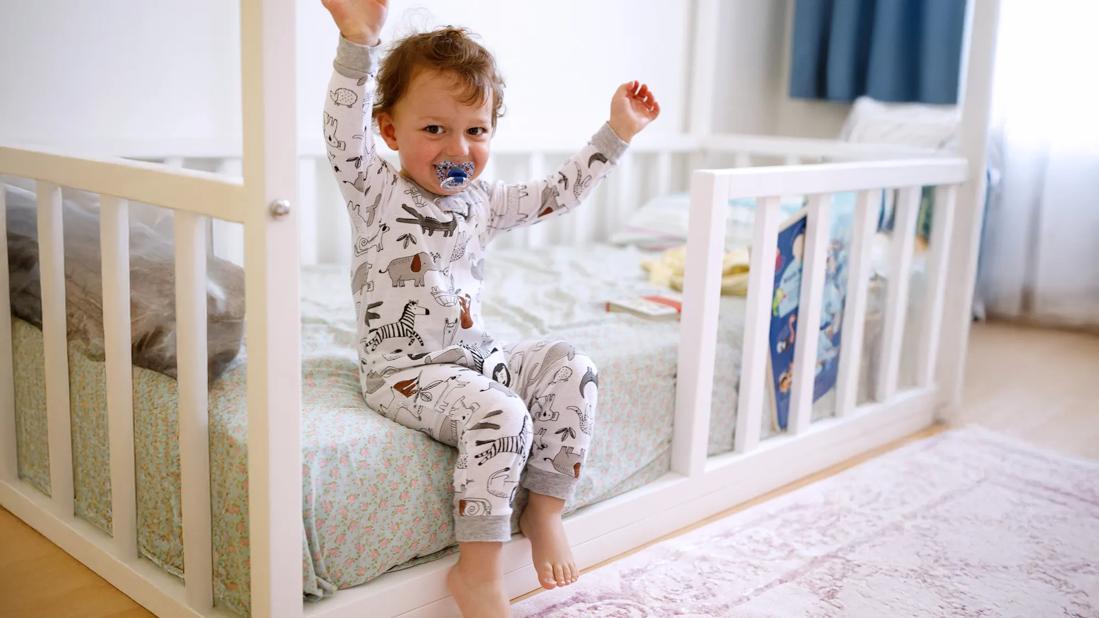
Credit: health.clevelandclinic.org
Safety Measures For Toddler Beds
Safety is the top priority when moving a toddler to a bed. A safe bed helps your child sleep well and prevents accidents. Taking simple safety steps can protect your toddler during this change. Focus on the right bed, secure the area, and stop falls.
Choosing The Right Bed
Pick a bed made for toddlers, not adults. It should be low to the ground. This makes it easy for your child to get in and out. Look for beds with guardrails on the sides. These keep your toddler from rolling off. Avoid beds with sharp edges or small parts.
Securing The Sleep Area
Keep the room safe around the bed. Remove toys or furniture that may cause injury. Use outlet covers on electrical sockets. Make sure windows have locks or guards. Keep cords from blinds or curtains out of reach. Clear the floor around the bed to avoid trips.
Preventing Falls
Falls can cause serious harm to toddlers. Use bed rails that are sturdy and fit well. Place a soft rug or carpet beside the bed. This cushions a fall if it happens. Teach your child to stay in bed at night. Check the bed’s stability often and tighten screws if needed.
When To Delay The Move
Deciding the right time for a toddler to move to a bed is not always clear. Some children adjust quickly, while others need more time in their crib. Delaying the move can be the best choice to ensure your child feels safe and comfortable. Recognizing signs that your toddler is not ready helps avoid stress for both of you.
Signs To Wait
Your toddler may show signs that they need more time in the crib. Frequent waking at night can mean they feel insecure in a new bed. If your child often tries to climb out of the crib, it might be unsafe to move them. Some toddlers may cry or resist bedtime more than usual. These behaviors suggest your child is not ready for a bed yet.
Watch for changes in mood or behavior. If your toddler seems anxious or clingy, it might be better to wait. Their body and mind need to be ready for this big step. Patience helps your child feel more confident and secure.
Alternatives To A Bed
Consider alternatives before moving your toddler to a bed. A toddler crib with a removable side can give a sense of freedom while staying safe. A floor mattress or a small toddler cot can be a good middle step. These options offer more space without the risk of falling.
Using a bed rail with a toddler bed can prevent falls. Let your child get used to the new sleeping space slowly. These alternatives help your toddler adjust at their own pace. Safety and comfort are the top priorities during this transition.

Credit: busytoddler.com
Frequently Asked Questions
When Is The Best Age To Move A Toddler To A Bed?
Most toddlers transition between 18 months and 3 years. This timing depends on the child’s readiness and safety concerns. Signs include climbing out of the crib or expressing interest in a bed. Always ensure the new sleeping environment is secure and comfortable.
How To Know If My Toddler Is Ready For A Bed?
Look for signs like climbing out of the crib, showing independence, or sleeping through the night. Your toddler might also express curiosity about a bed. Readiness varies, so observe your child’s behavior to decide the right moment to switch.
What Are Safety Tips For Toddlers Moving To A Bed?
Use bed rails to prevent falls and keep the room childproofed. Remove sharp objects and secure windows. Place the bed low to the floor for easy access. Always supervise initially to ensure your toddler adjusts safely to the new bed.
Should Toddlers Nap In A Bed Or Crib?
Toddlers can nap in a bed once they transition from a crib. Consistency helps with sleep routines. A bed offers more space and independence but ensure it is safe and comfortable for daytime rest.
Conclusion
Choosing the right time for a toddler to move to a bed depends on many factors. Watch for signs like climbing out of the crib or wanting more space. Safety matters most. Make the new bed cozy and familiar. Every child grows at their own pace.
Trust your instincts as a parent. A smooth transition helps your toddler feel safe and happy. Keep bedtime routines steady and calm. Moving to a bed is a big step but can be simple and positive.