Are you wondering when it’s the right time to move your toddler from a crib to a bed? This decision can feel tricky because you want to keep your little one safe and comfortable.
But knowing the best age to make the switch can help you avoid restless nights and ease the transition for both of you. You’ll discover clear signs to look for and expert tips to make this change smooth and stress-free.
Keep reading to find out exactly when and how to put your toddler in a bed with confidence.
Credit: health.clevelandclinic.org
Signs Your Toddler Is Ready
Knowing the right time to move your toddler to a bed can be tricky. Watch for clear signs that show your child is ready. These signs help ensure a smooth and safe transition. Pay close attention to your toddler’s growth, habits, and safety needs.
Physical Development Indicators
Your toddler should be able to climb in and out of bed safely. Look for steady walking and climbing skills. Strong motor skills reduce the risk of falls. Also, notice if your child can stay dry during naps or overnight. This shows bladder control, which is a good sign.
Behavioral Clues
Your child might start showing interest in a big kid bed. They may ask to sleep in a bed instead of a crib. Watch for signs of climbing out of the crib. This behavior means your toddler might be ready to switch. A toddler who resists naps in the crib may also be ready.
Safety Considerations

Credit: annainthehouse.com
Ideal Age Range For Transition
Choosing the right time to move your toddler from a crib to a bed matters. This change affects sleep quality and safety. Parents often wonder about the best age for this transition. Knowing typical age ranges helps plan this step smoothly.
Common Age Milestones
Most toddlers move to a bed between 18 months and 3 years old. Many children switch closer to 2 years old. This age fits many families’ routines and growth stages. Some toddlers start earlier due to outgrowing their crib. Others stay longer because they feel secure in the crib.
Variations Among Children
Every child grows at a different pace. Some toddlers climb out of the crib early, needing a bed sooner. Others may resist change and prefer the crib longer. Safety is a key reason to move a child to a bed. Parents should watch for signs like climbing or asking for a bed. The child’s comfort and readiness guide the decision.
Choosing The Right Bed
Choosing the right bed for your toddler is important for a good night’s sleep. It affects their comfort and safety. The right bed helps your child feel secure and happy. It also supports their growing body and new habits.
Parents should consider different bed types and safety features. These help find the best fit for your toddler’s needs.
Types Of Toddler Beds
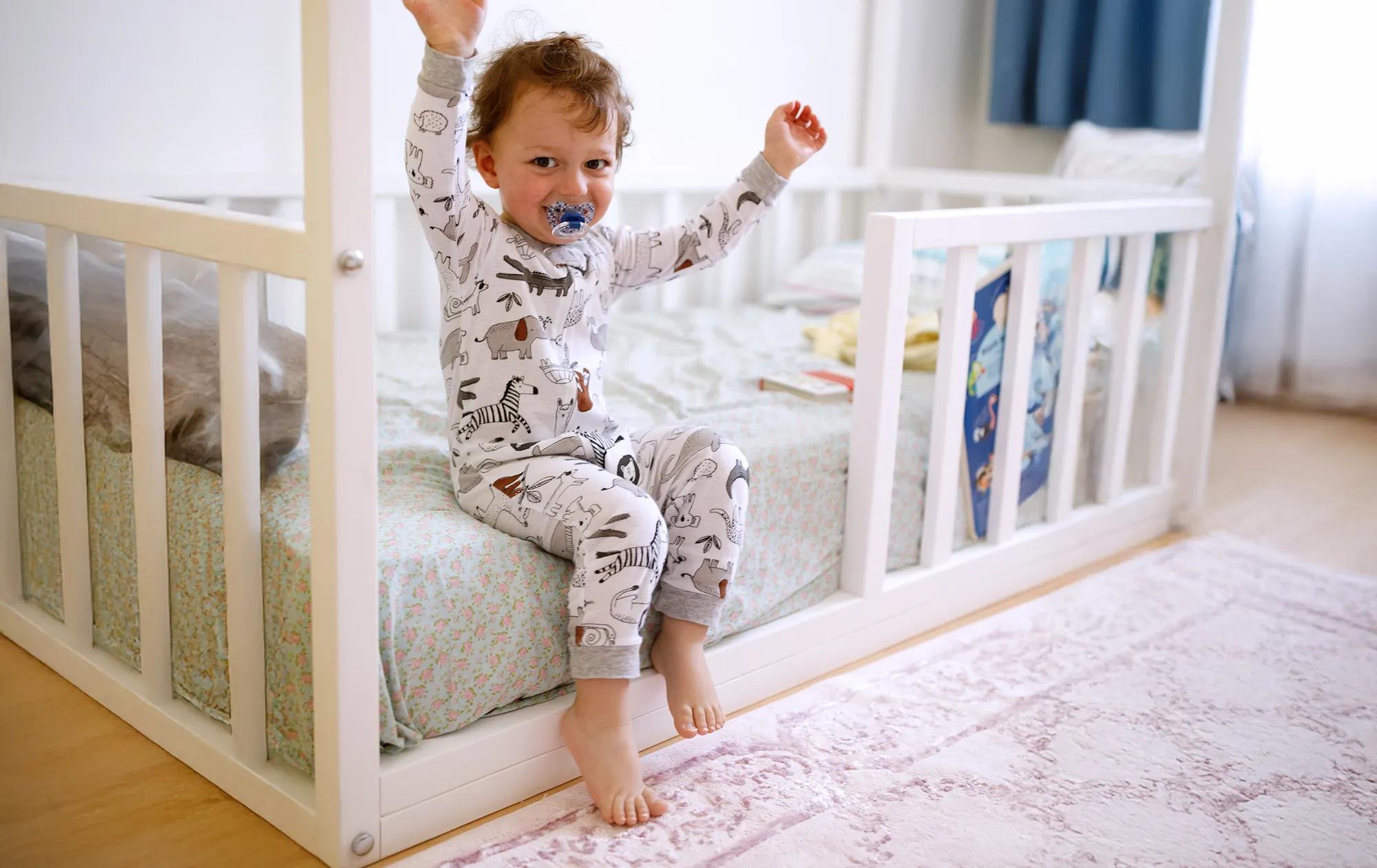
Toddler beds come in many styles. The most common is the low-to-the-ground bed. It makes it easy for toddlers to get in and out. Some beds have rails to keep children from falling out. Convertible beds change from crib to bed. They save money and grow with your child. Another option is a floor bed, which sits directly on the floor. This helps children learn to move safely.
Safety Features To Look For
Safety is the top priority when choosing a toddler bed. Look for rounded corners to prevent injuries. Make sure the bed has strong rails or guardrails. Check that materials are non-toxic and free of harmful chemicals. The bed should be sturdy and stable to avoid tipping. Avoid beds with small parts that can be swallowed. A mattress that fits snugly stops gaps where children can get stuck.
Preparing Your Toddler
Preparing your toddler for the transition to a bed takes time and care. Toddlers need a safe, calm space to feel secure. Parents can help by setting up a good sleep environment and a steady bedtime routine. These steps make bedtime easier and help your child adjust smoothly.
Creating A Comfortable Sleep Environment
Choose a quiet room with soft lighting. Use a mattress that is firm and fits the bed frame well. Add familiar blankets or stuffed animals for comfort. Keep the room at a cool, comfortable temperature. Remove any sharp or hard objects nearby. A cozy, safe space helps your toddler relax and sleep better.
Establishing A Bedtime Routine
Start the routine at the same time every night. Use calming activities like reading a story or singing softly. Avoid screens or loud noises before bed. Keep the routine short and simple to hold your toddler’s attention. Consistency helps your child know what to expect. This predictability makes falling asleep easier and faster.
Handling Challenges
Moving a toddler to a bed brings many new challenges. Parents often face struggles at bedtime and during the night. Understanding common issues helps make the transition smoother. Patience and clear routines play a big role in success.
Dealing With Bedtime Resistance
Toddlers may resist going to bed in a new bed. They want to stay up or play more. Set a calm and consistent bedtime routine. Use gentle but firm words to guide your child. Reading a short story or singing a lullaby helps. Avoid screens and bright lights before sleep. Praise your toddler when they follow the routine well.
Addressing Nighttime Fears
Nighttime fears often increase with the new bed. Dark rooms and strange shadows can scare toddlers. Use a nightlight to keep the room dim but not dark. Talk about fears calmly and listen carefully. Offer a favorite toy or blanket for comfort. Reassure your child that they are safe and loved. Avoid making fears seem bigger by reacting strongly.
Expert Advice And Tips
Choosing the right time to move a toddler from a crib to a bed can be confusing. Expert advice helps parents make safe and comfortable choices. This section shares trusted tips from pediatricians and practical parenting strategies to ease this transition.
Pediatrician Recommendations
Pediatricians suggest moving toddlers to a bed between 18 months and 3 years. The child should be able to climb out of the crib safely. This helps prevent falls and injuries. Some toddlers may need longer in a crib for security. Watch for signs like climbing or asking for a bed. Safety is the top priority in this step.
Doctors also advise using toddler beds with guardrails. This prevents children from rolling out at night. A firm mattress is best to support growing bones. Avoid soft bedding that can cause suffocation risks. Regularly check the sleep area for hazards.
Parenting Strategies
Parents can prepare toddlers by talking about the new bed. Show excitement to make the change fun. Let the child pick bedding or stuffed toys to bring comfort. Keep bedtime routines familiar to provide security. Consistency helps toddlers adjust faster.
Use night lights for children afraid of the dark. Stay calm during night wakings and guide the child back to bed. Praise the toddler for staying in the bed all night. Patience is key; some children take weeks to adjust fully.

Credit: www.candokiddo.com
Frequently Asked Questions
At What Age Can Toddlers Safely Transition To A Bed?
Toddlers can safely move to a bed between 18 months and 3 years. It depends on their size, mobility, and readiness. Always ensure the bed has safety rails to prevent falls.
How Do I Know My Toddler Is Ready For A Bed?
Signs include climbing out of the crib, showing interest in a bed, and following simple instructions. Readiness varies, so observe your toddler’s behavior and comfort level before transitioning.
What Type Of Bed Is Best For Toddlers?
A toddler bed with guardrails is ideal for safety and comfort. It’s the right size for small children and helps ease the transition from crib to a regular bed.
Should I Wait For My Toddler To Ask For A Bed?
Not necessarily. It’s best to transition when the child shows physical readiness or safety concerns arise, like climbing out of the crib.
Conclusion
Choosing the right age to move your toddler to a bed takes patience. Watch your child’s readiness signs closely. Safety matters most—use guardrails and a low bed. Every child grows at their own pace. Trust your instincts and keep comfort in mind.
This change can bring independence and new routines. Remember, there is no perfect age for all. Stay calm, supportive, and consistent during this shift. Your toddler will adjust well with your care and time.