Are you thinking about adding a console table to your space but unsure what size will fit best? Knowing the right dimensions of console tables can make all the difference in how your room looks and feels.
Whether you want to place it in your hallway, behind your sofa, or in your living room, getting the size just right helps you avoid clutter and keeps everything balanced. You’ll discover the key measurements you need to consider so your console table not only fits perfectly but also enhances your home’s style and function.
Keep reading to find out how to choose the ideal console table size for your space.
Common Console Table Sizes
Console tables come in various sizes to fit different spaces and needs. Knowing the common dimensions helps choose the right table. This guide covers the standard height, width, and depth of console tables.
Standard Height Range
Most console tables stand between 28 and 32 inches tall. This height fits well behind sofas or along hallways. It allows easy access to items placed on top. The height also matches common chair and sofa heights for convenience.
Typical Width Measurements
Console table widths usually range from 30 to 60 inches. Smaller tables suit tight spaces or narrow walls. Larger widths offer more surface area for decor or storage. Choose width based on available wall space and room layout.
Average Depth Dimensions
Depth is often between 12 and 18 inches. This size prevents the table from sticking out too far. It keeps walkways clear and maintains room flow. Narrower depths work well in small spaces without crowding.
Size Variations By Style
Console tables come in many sizes to fit different spaces and needs. Their size changes depending on the style and purpose. Knowing these size variations helps you pick the right table for your home.
Narrow Console Tables
Narrow console tables are slim and space-saving. They usually measure about 12 to 18 inches deep. These tables fit well in tight hallways or small rooms. They offer surface space without crowding the area.
Wide Console Tables
Wide console tables provide more surface area. Their depth ranges from 20 to 30 inches or more. These tables suit larger rooms or open spaces. They can hold decorative items, lamps, or even storage baskets underneath.
Tall Console Tables
Tall console tables stand higher than standard tables. Their height is often 36 to 42 inches or taller. These tables work well for entryways or behind sofas. The extra height makes them easy to use for display or storage.
Choosing The Right Size For Your Space
Choosing the right size for your console table is key to creating a balanced and useful space. The table should fit well without crowding the room. It needs to serve its purpose while adding style. Here are some tips to help pick the perfect size.
Measuring Your Room
Start by measuring the area where you want the console table. Note the length, width, and height of the space. Leave enough room for walking and other furniture. A good rule is to keep at least 30 inches of clear space around the table. This helps avoid a cramped look and allows easy movement.
Balancing Proportion And Function
Choose a table size that matches your room’s scale. A large table can overpower a small space. A tiny table may look lost in a big room. Think about what you will use the table for. Will it hold decorations, keys, or lamps? Make sure the table’s height and width fit these needs. A well-proportioned table looks natural and works well.
Considerations For Small Spaces
In small rooms, pick slim and narrow console tables. These take up less floor space but still offer storage. Look for tables with shelves or drawers to keep things tidy. Avoid tables that stick out too far. Keep the design simple to keep the room feeling open. Small tables can make small spaces feel larger and neat.
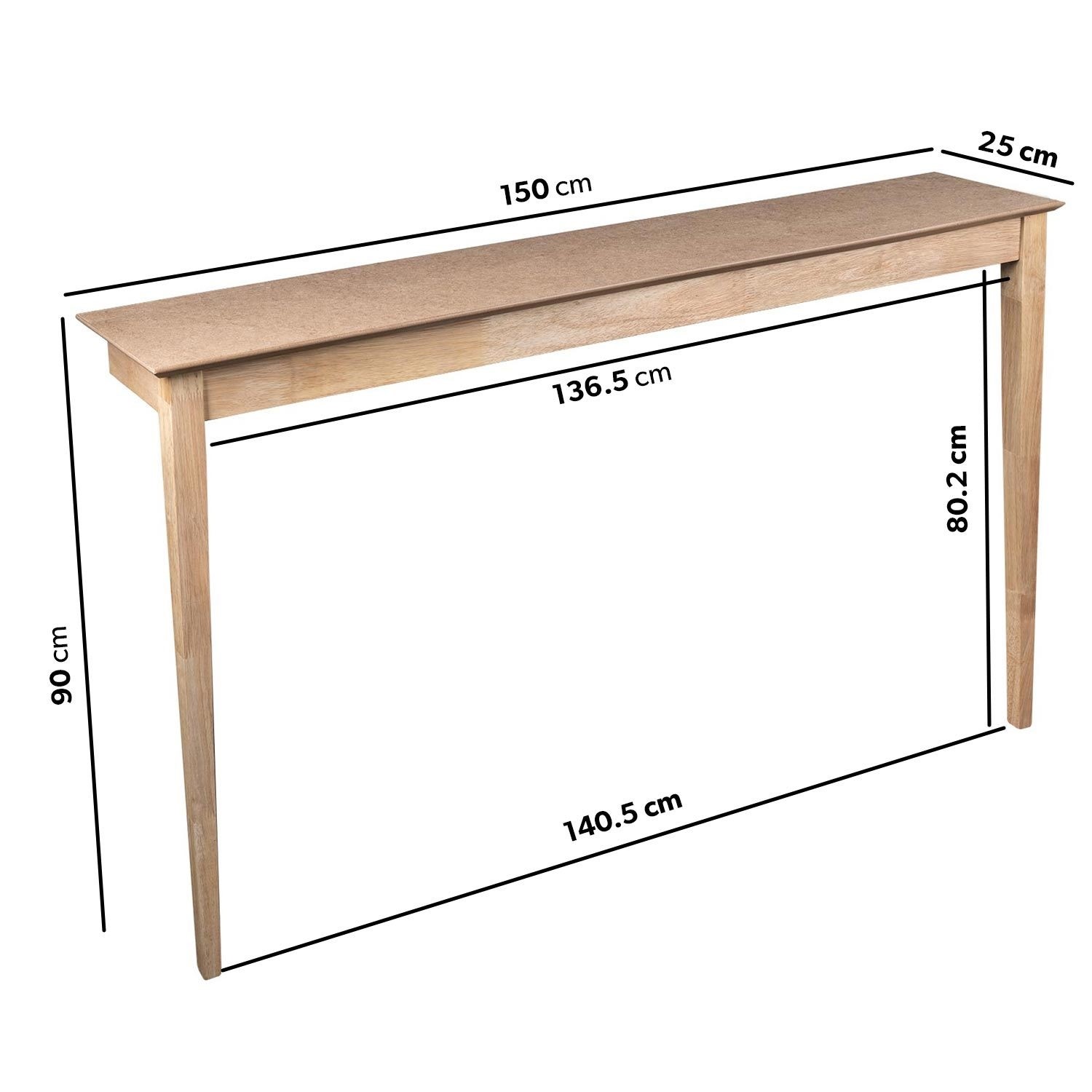
Credit: furniture123.co.uk
Console Tables For Different Uses
Console tables fit many spaces and purposes in a home. Their size and shape depend on where you place them and how you use them. Choosing the right dimensions makes your space look neat and balanced. Here is a guide to common uses and sizes for console tables.
Entryway Console Tables
Entryway console tables are usually narrow and long. They often measure about 30 to 36 inches in height. The width can range from 24 to 48 inches. These tables hold keys, mail, and small decor. They fit well behind a door or along a wall.
Living Room Console Tables
In the living room, console tables often serve as sofa backs or display surfaces. They tend to be taller, around 28 to 32 inches high. The length varies but usually matches the sofa length. Depth is typically 12 to 18 inches to avoid crowding the space.
Hallway Console Tables
Hallway console tables are slim to fit narrow spaces. Their height is usually between 30 and 34 inches. Width can be as small as 20 inches or longer if space allows. Depth is best kept under 12 inches for easy movement.
Custom Console Table Dimensions
Custom console table dimensions allow you to fit a table perfectly into your space. You get to choose the exact height, width, and depth. This flexibility helps in making the best use of your room. You avoid the problem of a table that is too big or too small. Custom tables also match your style and needs better than standard sizes.
Benefits Of Custom Sizing
Custom sizing gives you control over the table’s size and shape. It helps the table fit well in narrow hallways or small living rooms. You can choose a height that suits your comfort. It also allows for unique designs that store your items better. Custom tables often look more special and personal.
Popular Custom Size Options
Many people choose custom widths from 30 to 60 inches. Depths often range between 10 and 20 inches. Heights usually vary from 28 to 36 inches. Some want taller tables to stand by while others prefer lower ones for decoration. You can also customize drawer sizes or shelf space for better storage.

Credit: www.amazon.com
Materials And Their Impact On Size
The material of a console table affects its size and design. Different materials have different weights and strengths. This changes how big or small a table can be. Some materials allow for thinner legs and sleek shapes. Others need thick parts to stay strong.
Choosing the right material helps match the table to your space. It also affects the table’s durability and style. Here are some common materials and how they impact console table sizes.
Wood Console Tables
Wood is a popular choice for console tables. It is strong and can support large sizes. Thick wooden tables feel sturdy and solid. They often have wide tops and thick legs. This makes them heavier and takes more space.
Wood can also be carved into slim designs. These tables look light but still hold weight. Wood comes in many types, like oak or pine. Each type has a different strength and thickness. This changes the table’s overall size and look.
Metal Console Tables
Metal tables are strong but usually lighter than wood. Thin metal legs can support heavy tops. This allows for narrow and tall tables. Metal frames can be slim yet very stable. These tables often look modern and sleek.
Metal can be shaped into many designs. It can create open and airy tables. The size depends on the metal thickness and frame style. Metal tables can fit small or large spaces well.
Glass Console Tables
Glass tops add elegance and openness to a console table. Glass is fragile but supported by strong frames. The frame material affects the table’s size and shape. Glass tables often have thin metal or wood legs.
Glass tables usually have smaller tops than wood. This keeps them light and balanced. The size depends on the frame strength and glass thickness. Glass tables suit small rooms or places needing lightness.
Tips For Measuring Console Tables
Measuring console tables correctly is key to picking the right size for your space. The right measurements help avoid buying a table that is too big or too small. Simple tools and careful steps make measuring easy and accurate. Follow these tips to get the best results.
Tools You Need
Start with a tape measure or a ruler. A notepad and pen help record measurements. A level tool checks if the surface is flat. Use a helper for better accuracy with large tables. Make sure your tools are easy to read and in good condition.
Measuring Height, Width, And Depth
Measure height from the floor to the table’s top edge. Measure width from one side to the other. Depth is the distance from front to back. Take measurements at multiple points to find the widest, tallest, and deepest parts. Write down each number clearly.
Avoiding Common Mistakes
Do not guess measurements or rely on memory. Always measure twice to confirm numbers. Check for obstacles like moldings or vents that affect fit. Avoid measuring only the floor space; consider clearance around the table. Use consistent units, like inches or centimeters, throughout.

Credit: www.dimensions.com
Frequently Asked Questions
What Is The Standard Height Of Console Tables?
Console tables typically range from 28 to 36 inches in height. This height fits well behind sofas or against walls for easy access. It complements most seating arrangements and room layouts, providing a functional and aesthetic balance.
What Are The Common Widths Of Console Tables?
Common console table widths range between 30 and 60 inches. Narrower tables fit tight spaces, while wider ones offer more surface area. Choosing the right width depends on your room size and intended use.
How Deep Are Most Console Tables?
Console tables usually have a depth of 12 to 18 inches. This shallow depth allows placement in hallways or narrow spaces without crowding. It provides enough surface for decor or essentials without overwhelming the area.
Can Console Table Dimensions Vary By Style?
Yes, console table dimensions vary by style and design. Traditional styles may be bulkier, while modern designs lean toward sleek, compact sizes. Consider the style to ensure the table fits your space and decor.
Conclusion
Console tables come in many sizes to fit different spaces. Knowing the right dimensions helps you choose well. Most tables stand about 28 to 36 inches tall. Width and depth vary based on use and room size. Measure your space before buying to avoid mistakes.
A good fit makes your room look neat and balanced. Small tables suit narrow halls; bigger ones work in large rooms. Choosing the right size makes your home feel more comfortable and stylish. Keep these points in mind for your next console table purchase.
