Are you thinking about getting a toddler bed but unsure if it will fit perfectly in your child’s room? Knowing the exact dimensions of an average-sized toddler bed can save you time, money, and frustration.
You want a bed that offers comfort and safety without overwhelming the space. You’ll discover the typical measurements of toddler beds and learn how to choose the right size for your little one’s needs. Keep reading to make a smart, confident decision for your child’s sleep space.
Toddler Bed Basics
Toddler beds serve as a bridge between cribs and regular beds. They offer a safe and cozy space for young children. These beds help kids feel more independent while still providing comfort. Knowing their size and features helps parents choose the right one.
Understanding toddler beds is important for safety and comfort. The right bed fits the child’s size and age. It also matches the child’s growing needs. Let’s explore what makes a toddler bed and who should use it.
What Makes A Toddler Bed
Toddler beds are smaller than standard beds. They usually use a crib mattress or a similar size. Low frames help children climb in and out easily. Side rails prevent falls during sleep. These beds focus on safety and comfort.
The materials used are often sturdy wood or metal. The design is simple and child-friendly. No sharp edges or hard corners. These features keep toddlers safe and secure.
Age Range For Toddler Beds
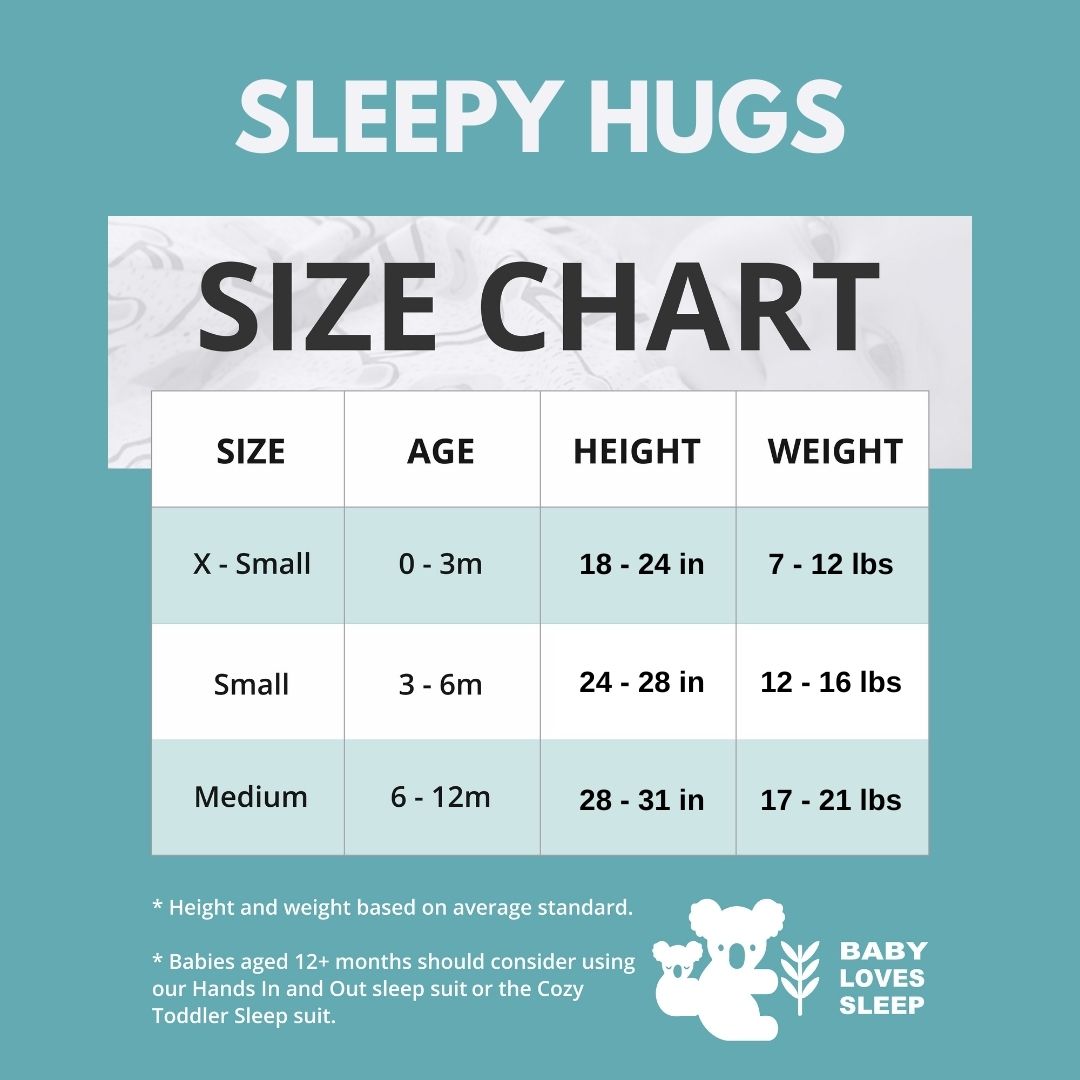
Toddler beds suit children from about 18 months to 5 years. This stage follows the crib period and comes before a twin bed. Most kids start around age 2 to 3. The bed size fits their smaller body and growing needs.
Parents usually switch when toddlers can climb out of the crib. This prevents accidents and offers more space. By age 5, many children move to a regular bed. Toddler beds bridge this important growth period.
Credit: babylovessleepco.com
Standard Toddler Bed Dimensions
Choosing the right toddler bed starts with knowing its dimensions. Standard toddler beds are designed to fit most children comfortably. They offer enough space for movement but remain cozy and safe. Understanding the size helps parents plan bedroom space and buy suitable bedding.
Length And Width Measurements
The typical length of a toddler bed is about 52 inches. This length suits toddlers aged 1.5 to 5 years. The width usually measures around 28 inches. These dimensions match standard crib mattresses. This design helps parents reuse mattresses easily.
Height And Safety Rails
The bed height is low to the ground, usually around 10 to 14 inches. This height makes it easy for toddlers to climb in and out. Safety rails run along the sides, usually about 5 inches high. They prevent toddlers from rolling out while sleeping. These features keep children safe and comfortable.
Comparing Toddler Beds To Cribs And Twin Beds
Choosing the right size toddler bed depends on several important factors. These factors help ensure the bed fits your child’s needs and the room’s space. Understanding these points makes selecting the best bed easier.
Child’s Size And Growth
The size of your child plays a big role in bed choice. Toddlers grow fast, so the bed must fit their current height and allow room to grow. A bed too small will feel cramped, while a bed too big may feel unsafe or uncomfortable. Measure your child’s height and consider how much they will grow in the next year. This helps pick a bed that lasts longer and offers comfort.
Room Space Considerations
Room size limits the bed options available. Measure the bedroom area before buying a bed. Think about space for toys, furniture, and walking paths. A large bed in a small room can block movement and make the room feel crowded. Use compact beds for smaller spaces or beds with built-in storage to save space. Proper planning keeps the room comfortable and safe for your child.
Factors Influencing Bed Size
Toddler beds come in different sizes to fit various spaces and needs. Knowing the size helps choose the best bed for your child. Some beds take up more room, while others save space and are easy to move. Understanding these types makes picking the right bed simpler and smarter.
The size affects comfort and safety. It also affects where you can place the bed in your home. Here are the common types of toddler beds by size.
Standard Size Beds
Standard toddler beds usually measure about 28 inches wide and 52 inches long. This size fits most toddler mattresses. It offers enough space for toddlers to sleep comfortably. These beds often have safety rails to prevent falls. They fit well in most bedrooms and are easy to decorate around.
Standard beds give toddlers room to grow for a year or two. They are a good choice for kids who move a lot in their sleep. These beds feel similar to a twin bed but smaller and safer for toddlers.
Compact And Portable Options
Compact toddler beds are smaller than standard beds. They measure around 24 inches wide and 42 inches long. These beds fit well in small rooms or tight spaces. They are also lighter and easier to move from room to room.
Portable toddler beds often fold or come with carrying bags. They are perfect for travel or visits to grandparents. These beds provide a safe, familiar place to sleep anywhere. Though smaller, they still keep toddlers comfortable and secure.
Types Of Toddler Beds By Size
Choosing the right mattress for a toddler bed is important for your child’s sleep and safety. A mattress that fits well supports good rest and comfort. It also keeps your child safe while sleeping. Toddlers need a mattress that matches their bed size perfectly. This section helps you understand how to pick the best mattress for an average toddler bed.
Matching Mattress To Bed Size
Toddler beds usually fit a mattress size of 28 by 52 inches. This size is smaller than a twin mattress but bigger than a crib mattress. Using a mattress that fits the bed frame stops gaps where your child could get stuck. It also keeps the mattress from moving around too much. Always check the mattress size before buying. A mattress too big or small can cause discomfort or safety risks.
Safety And Comfort Features
Choose a mattress with firm support to keep your toddler safe. Soft mattresses can cause suffocation risks. Look for mattresses with hypoallergenic materials to reduce allergies. Breathable covers help your child stay cool during sleep. Easy-to-clean surfaces are helpful for quick messes. Ensure the mattress meets safety standards for toddlers. These features improve comfort and protect your child’s health.

Credit: www.compuformas.com
Choosing The Right Mattress
Custom and specialty toddler beds offer a fresh take on traditional sleeping spaces. These beds come in different shapes, sizes, and styles. They suit unique room layouts or specific child needs. Parents often choose them to fit special themes or to save space. These beds can make bedtime more fun and personal.
Unique Dimensions
Custom toddler beds do not follow standard sizes. Their lengths and widths vary widely. Some are shorter or longer than average beds. Widths can be narrow for small rooms or wider for extra comfort. Specialty beds might have extra height for storage underneath. Shapes can include round or irregular forms. These dimensions help fit specific spaces or design choices.
Benefits And Drawbacks
Custom beds offer a perfect fit for your room. They match your child’s style and preferences closely. Many provide extra features like built-in shelves or drawers. These beds can grow with your child, lasting longer. On the downside, custom beds cost more than standard ones. They might take longer to build or deliver. Repairs can be harder because parts are unique. Some designs might not suit every child’s needs.
Custom And Specialty Toddler Beds
Measuring your toddler’s bed space is very important before buying a bed. It helps to make sure the bed fits well and is safe. Proper measurement also saves money by avoiding wrong purchases. Follow these simple tips to get the correct size for your toddler’s bed space.
Tools Needed
Use a tape measure for accurate length and width. A pencil and paper help to write down the numbers. A level tool can check if the floor is even. These simple tools make measuring easier and more precise.
Step-by-step Measurement
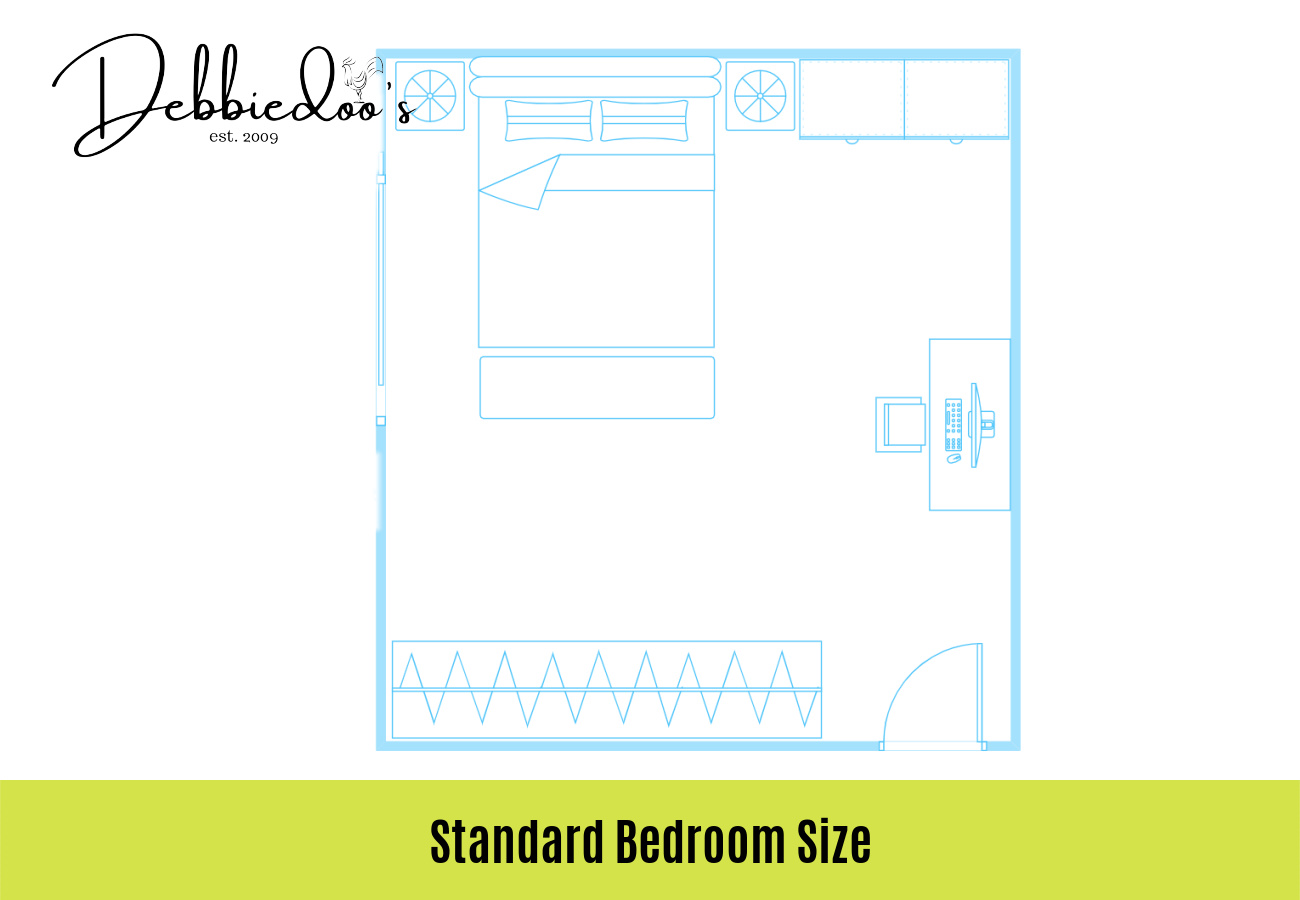
Start by clearing the area where the bed will go. Measure the length from one wall to the other. Write down the number. Measure the width across the room or space. Note this number too. Check for any obstacles like doors or heaters. Subtract their space from your measurements. Measure the height if you want to check for bed frames or shelves. Double-check all numbers for accuracy before buying the bed.
Credit: www.debbie-debbiedoos.com
Frequently Asked Questions
What Are The Standard Dimensions Of A Toddler Bed?
Averaged sized toddler beds typically measure 28 inches wide and 52 inches long. These dimensions suit most toddlers aged 1. 5 to 5 years. They provide enough space for comfort and safety during sleep.
How Does A Toddler Bed Size Compare To A Crib?
Toddler beds are usually smaller than twin beds but bigger than cribs. Cribs measure about 28 by 52 inches. Toddler beds often use the same mattress size as cribs for easy transition.
Can A Toddler Bed Fit In Small Rooms?
Yes, toddler beds are compact and ideal for small rooms. Their dimensions allow placement in tight spaces without sacrificing comfort. This makes them perfect for shared or limited bedrooms.
Are Toddler Bed Dimensions Standardized Worldwide?
While toddler bed sizes vary slightly, 28 by 52 inches is common globally. Regional differences exist but are minimal. Always check specific product dimensions before purchase to ensure fit.
Conclusion
Toddler beds usually measure about 52 inches long and 28 inches wide. This size fits most toddlers comfortably and safely. Knowing these dimensions helps parents choose the right bed. It also ensures the mattress and bedding fit well. A good fit makes sleep safer and more restful.
Keep these measurements in mind when shopping for toddler beds. It makes the process easier and faster. Now, picking the perfect bed feels simple and clear.