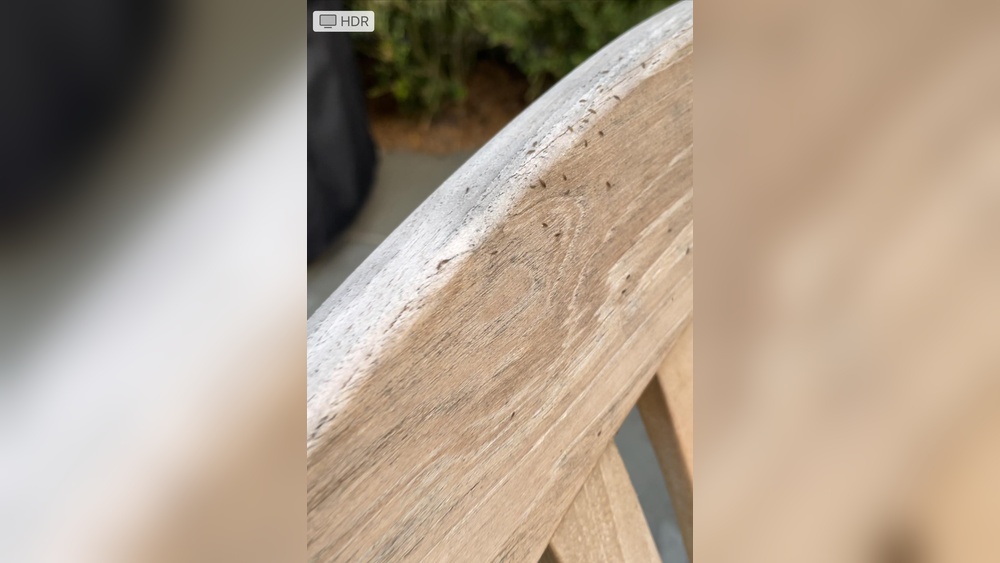
Have you noticed tiny translucent bugs crawling on your outdoor furniture? These little creatures might seem harmless at first, but they can quickly become a nuisance.
You might wonder what they are, where they come from, and if they could harm your furniture or your family. Understanding these bugs is the first step to keeping your outdoor space clean and comfortable. Keep reading to discover what these tiny translucent bugs really are and how you can deal with them effectively.

Credit: www.reddit.com
Common Tiny Translucent Bugs
Outdoor furniture often hosts tiny translucent bugs. These small insects can be hard to spot but may cause damage or discomfort. Knowing the common types helps in identifying and managing them quickly.
Aphids
Aphids are small, soft-bodied insects. They often appear green or translucent. These bugs feed on plant sap near outdoor furniture. They can cause plants to weaken and leaves to curl.
Springtails
Springtails are tiny bugs that jump when disturbed. They thrive in damp areas around furniture. These insects feed on decaying organic matter. They usually do not harm plants or furniture.
Spider Mites
Spider mites are very small and almost see-through. They spin fine webs on plant leaves close to furniture. These pests suck plant juices, causing yellow or brown spots. Heavy infestations can weaken plants significantly.
Whiteflies
Whiteflies are tiny, white, and translucent bugs. They gather in large groups on plant undersides near furniture. Whiteflies feed by sucking plant sap. They can cause leaves to yellow and drop early.
Why Bugs Appear On Outdoor Furniture
Bugs often appear on outdoor furniture for several simple reasons. Understanding these reasons helps keep your space clean and bug-free. Tiny translucent bugs are common visitors. They find your furniture a good place to stay or feed.
Attracted By Moisture
Moisture draws many bugs to outdoor furniture. Dew, rain, or spills make surfaces damp. Bugs need water to live. Wet areas become their gathering spots. Furniture that stays wet longer invites more bugs. Dry furniture usually has fewer bugs around.
Nearby Plants And Soil
Plants and soil close to furniture attract bugs. Bugs live in dirt and on leaves. They move from plants to furniture easily. Gardens near patios increase bug visits. Soil holds eggs and bug larvae. Furniture near gardens sees more bug activity.
Shelter And Warmth
Outdoor furniture offers shelter and warmth to bugs. Bugs hide in cracks and under cushions. Warm surfaces attract bugs, especially in cool weather. Furniture protects them from wind and rain. These spots become safe homes for tiny bugs.
Identifying Bug Characteristics
Identifying the tiny translucent bugs on outdoor furniture helps control and prevent them. Understanding their features guides you to the right treatment. Each bug has unique traits like size, color, and how it moves.
Size And Shape
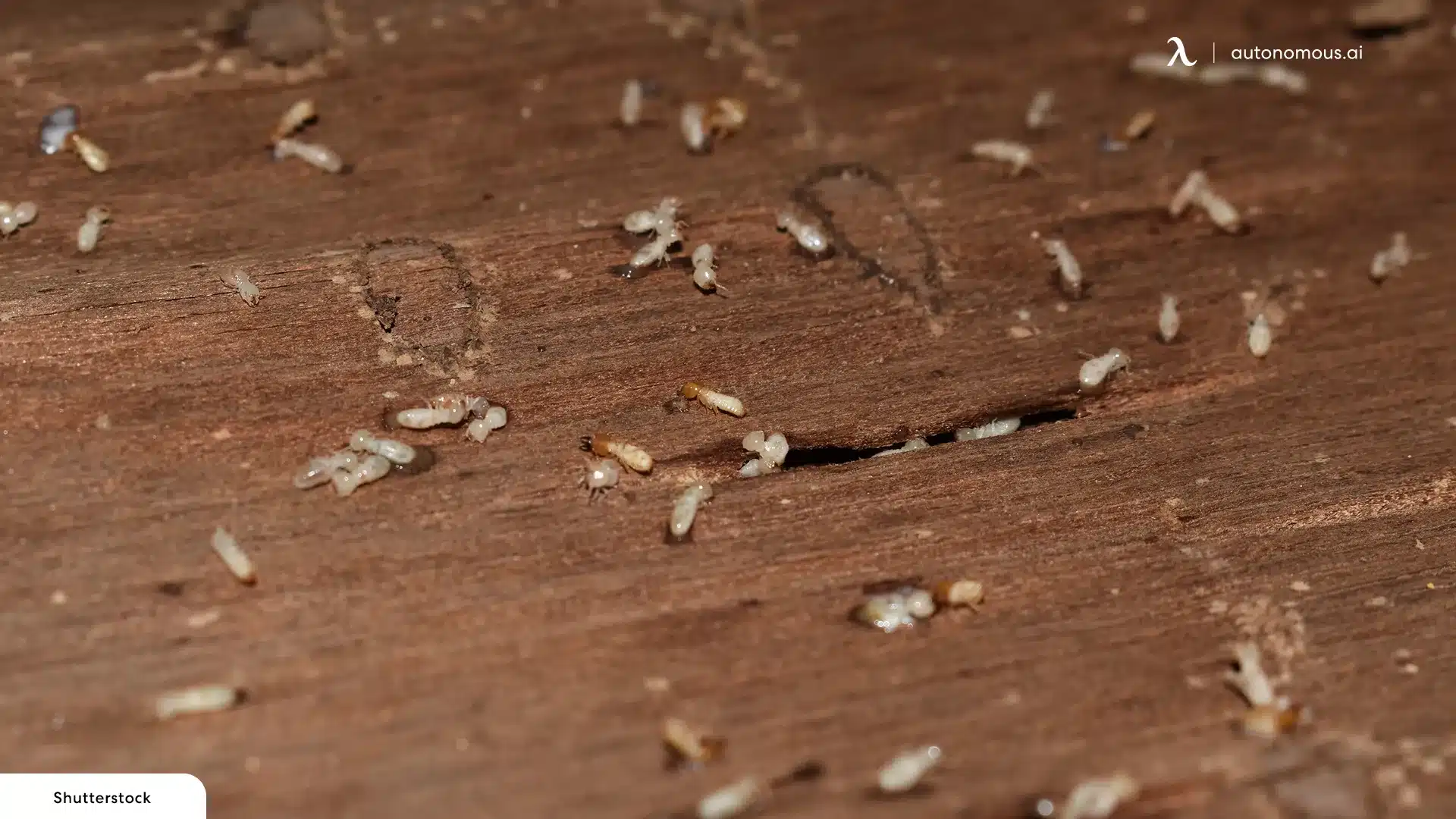
These bugs are very small, often less than a few millimeters. Many look oval or round. Some may appear flat, while others seem slightly raised. Their tiny size makes them hard to spot at first.
Color And Transparency
Most of these bugs are pale or clear, giving a translucent look. They may shine slightly in sunlight. Some have a whitish or light gray color. This helps them blend with outdoor furniture surfaces.
Movement Patterns
Watch how the bugs move to identify them. Some crawl slowly and steadily. Others jump or flutter short distances. Movement can be random or follow a path along cracks or edges.
Risks Posed By These Bugs
Tiny translucent bugs on outdoor furniture can cause more problems than they seem. These small insects pose risks that affect your furniture, health, and nearby plants. Understanding these risks helps protect your home and garden.
Damage To Furniture
These bugs can damage wood, fabric, and paint on outdoor furniture. They may feed on wood or leave sticky residue. This residue attracts dirt and mold, causing stains and decay. Over time, the furniture may weaken and lose its look.
Health Concerns
Some tiny bugs bite or irritate the skin. Their bites cause itching, redness, or allergic reactions. They can also carry germs that spread diseases. This makes outdoor spaces less safe for family and guests.
Impact On Nearby Plants
The bugs often move from furniture to plants nearby. They feed on plant sap, weakening the plants. This causes leaves to yellow and fall off. Plants may stop growing and become more vulnerable to disease.
Natural Ways To Eliminate Bugs
Natural ways to eliminate tiny translucent bugs on outdoor furniture protect your space safely. These methods avoid harsh chemicals that can harm plants, pets, and people. Using gentle, eco-friendly options keeps your furniture clean and bug-free. Try these simple, natural solutions to control pests effectively.
Using Insecticidal Soap
Insecticidal soap is a safe, natural option to kill bugs. It works by breaking down the bug’s outer layer. Spray the soap on affected furniture and plants. Repeat every few days for best results. It removes bugs without leaving harmful residues behind.
Essential Oils And Sprays
Essential oils like peppermint, lavender, and eucalyptus repel bugs naturally. Mix a few drops with water in a spray bottle. Spray the mixture on your outdoor furniture. These oils create a scent bugs dislike. They also leave a fresh smell for you to enjoy.
Encouraging Beneficial Insects
Beneficial insects eat tiny bugs and keep their numbers low. Ladybugs, lacewings, and spiders are helpful predators. Plant flowers and herbs that attract these insects near your furniture. This natural balance reduces pests without chemicals. It supports a healthy outdoor environment.

Credit: www.castlery.com
Preventing Future Infestations
Preventing tiny translucent bugs from invading outdoor furniture takes effort. These pests thrive in certain conditions. Keeping them away means changing those conditions. Small steps help stop infestations before they start. Consistent care and smart choices protect your space.
Regular Cleaning Tips
Clean outdoor furniture often. Use a mild soap and water mix. Wipe all surfaces thoroughly. Pay attention to crevices and joints. Remove dirt and food crumbs that attract bugs. Rinse with clean water and dry fully. Regular cleaning breaks the bug life cycle.
Furniture Placement Strategies
Place furniture away from dense plants. Avoid spots with poor air flow or shade. Sunlight and breeze reduce bug presence. Keep furniture off the ground if possible. Use furniture covers when not in use. These steps make your furniture less inviting to bugs.
Controlling Nearby Vegetation
Trim plants and bushes near furniture. Clear fallen leaves and debris regularly. Avoid planting flowers that attract bugs too close. Maintain a clean, open space around seating areas. Proper yard care lowers bug populations near your furniture.
When To Use Chemical Treatments
Chemical treatments can help control tiny translucent bugs on outdoor furniture. Use them only when bugs cause damage or spread quickly. Sometimes, cleaning and natural remedies work well. Chemicals should be a last step after other methods fail. Choosing the right product and using it safely matters a lot.
Safe Pesticide Options
Choose pesticides labeled safe for outdoor use. Look for products with low toxicity. Pyrethrin and neem oil often work well. Avoid harsh chemicals that harm pets or plants. Organic sprays can control bugs without strong toxins. Always read the label before buying or using any pesticide.
Application Guidelines
Apply pesticides on dry, calm days to avoid drift. Spray under furniture and in cracks where bugs hide. Use the recommended amount to avoid waste or harm. Wear gloves and protective clothes during application. Keep children and pets away until spray dries completely. Repeat treatment only if bugs return after a week.
Environmental Considerations
Protect nearby plants and water sources from chemicals. Avoid spraying near ponds, streams, or rain gutters. Dispose of leftover pesticides safely, following local rules. Choose products that break down quickly in nature. Using too much can harm beneficial insects like bees. Careful use keeps your garden safe and healthy.
Credit: mrtimbers.com
Frequently Asked Questions
What Are Tiny Translucent Bugs On Outdoor Furniture?
Tiny translucent bugs on outdoor furniture are often aphids or spider mites. They feed on plant sap and can cluster on surfaces. These bugs thrive in humid environments and may cause damage if left untreated.
Are These Translucent Bugs Harmful To Furniture?
No, these tiny translucent bugs do not harm the furniture itself. They mostly feed on nearby plants and use furniture surfaces to rest or hide. However, they can be a nuisance and attract predators like ants.
How To Get Rid Of Tiny Translucent Bugs Outside?
To remove tiny translucent bugs, clean furniture regularly with soapy water. Use insecticidal soap or neem oil to control infestations. Ensure good air circulation and reduce moisture to prevent their return.
Why Do Translucent Bugs Appear On Outdoor Furniture?
Translucent bugs appear on outdoor furniture due to nearby plants or damp conditions. They seek shelter and food sources, especially in humid or shaded areas. Outdoor furniture near gardens is more prone to these bugs.
Conclusion
Tiny translucent bugs on outdoor furniture can be annoying pests. They often gather in warm, shady places. Regular cleaning helps keep them away. Using natural sprays can reduce their numbers safely. Check your furniture often to catch bugs early. Keeping the area dry also stops bugs from settling.
Understanding these bugs helps you protect your outdoor space. Simple steps make a big difference over time. Stay patient and consistent for best results. Your furniture will stay clean and bug-free.