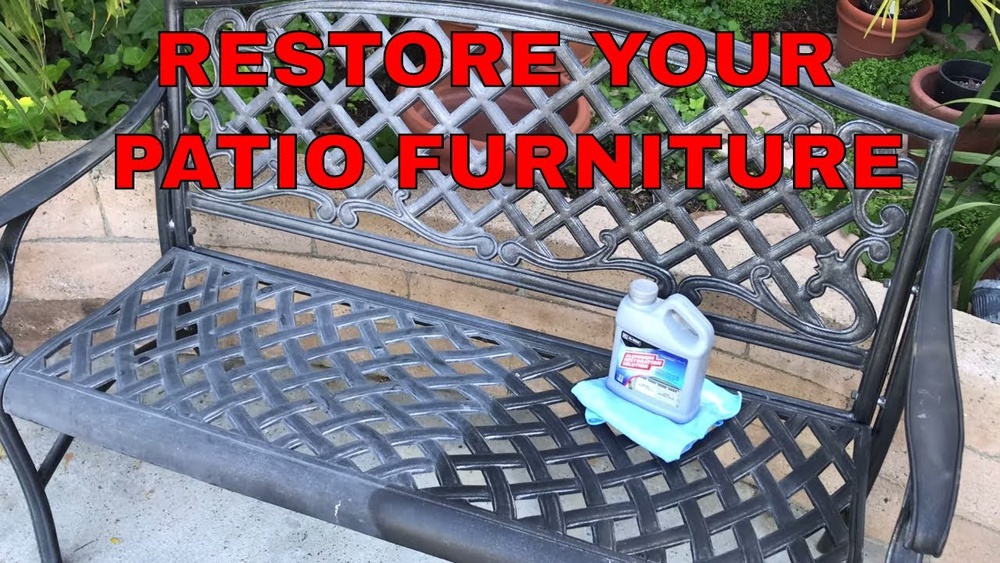
Your outdoor wood furniture adds charm and comfort to your space, but it faces constant exposure to sun, rain, and changing seasons. Without proper care, it can quickly lose its beauty and durability.
So, what do you condition outdoor wood furniture with to keep it looking great and lasting longer? This guide will help you discover simple, effective ways to protect your investment. Keep reading to learn how to bring out the best in your wood furniture and enjoy it for years to come.

Credit: www.youtube.com
Choosing The Right Conditioner
Choosing the right conditioner is key to keeping outdoor wood furniture in great shape. Wood exposed to sun, rain, and wind needs special care. The right product protects and nourishes the wood. It stops cracking, fading, and drying out. Picking the best conditioner depends on the wood type and the weather where you live. Understanding your options helps you make the best choice.
Types Of Wood Conditioners
Wood conditioners come in several types. Oil-based conditioners soak deep into the wood. They protect from moisture and bring out natural colors. Water-based conditioners dry faster and clean up with water. They are less smelly and safer to use indoors. Wax-based conditioners create a thin layer on top. This layer shields the wood from water and dirt. Each type has pros and cons. Choose one that suits your wood and climate.
Factors To Consider For Outdoor Use
Outdoor wood faces harsh weather. Sunlight can bleach and weaken wood fibers. Rain causes swelling and rot. Cold can make wood brittle. A good conditioner must protect against these elements. Look for water resistance and UV protection. The conditioner should also allow the wood to breathe. Thick, sticky products may trap moisture inside. That can cause damage. Pick a product designed for outdoor use. Check if it matches your wood type and local climate.

Credit: www.furnituremaxi.com
Preparing Wood Furniture
Preparing outdoor wood furniture is the first step to keep it strong and beautiful. This process helps the wood absorb the conditioner well. It also removes dirt and old finishes that can block the treatment.
Proper preparation ensures the conditioner lasts longer and protects better. It saves your furniture from weather damage and keeps it looking fresh. The key steps are cleaning, sanding, and fixing any damage.
Cleaning And Sanding
Start by cleaning the furniture to remove dust, dirt, and old stains. Use a mild soap and water solution. Scrub gently with a soft brush or cloth. Rinse with clean water and let it dry completely.
After cleaning, sanding smooths the surface. Use fine-grit sandpaper to remove rough spots and old finishes. Sand in the direction of the wood grain. This step opens the wood pores for better conditioning.
Always wipe off dust after sanding. Use a damp cloth or tack cloth. Clean surfaces help the conditioner soak deeper and work better.
Repairing Damages
Check the furniture for cracks, splinters, or loose joints. Small cracks can let water inside and cause rot. Use wood filler to fix cracks and holes. Follow the product instructions carefully.
For loose joints or broken parts, apply wood glue or replace screws. Clamp glued parts until dry for a strong hold. Repairing damage extends furniture life and improves appearance.
Only apply conditioner to clean, dry, and smooth wood. Well-prepared furniture stays protected longer and looks great in any weather.
Application Techniques
Applying conditioner to outdoor wood furniture protects it from weather damage. Proper techniques help the wood absorb the conditioner evenly. This keeps the furniture looking fresh and extends its life. Follow simple steps to get the best results.
Tools And Materials Needed
- Clean cloths or rags
- Soft-bristle brush or paintbrush
- Wood conditioner or oil
- Sandpaper (medium grit)
- Gloves to protect your hands
- Bucket of water and mild soap
Step-by-step Application Process
- Clean the furniture with mild soap and water. Remove dirt and dust.
- Let the wood dry completely before starting.
- Lightly sand the surface to smooth rough spots.
- Wipe off sanding dust with a clean cloth.
- Put on gloves to protect your skin.
- Apply conditioner with a brush or cloth in long, even strokes.
- Work along the grain of the wood for better absorption.
- Allow the conditioner to soak in for 15-30 minutes.
- Wipe away excess conditioner with a dry cloth.
- Let the furniture dry fully before use or applying another coat.
Maintenance Tips
Maintaining outdoor wood furniture keeps it strong and beautiful. Proper care stops damage from sun, rain, and dirt. Conditioning wood adds protection and brings out its natural shine. Simple steps can make your furniture last for years.
Frequency Of Conditioning
Condition outdoor wood furniture at least twice a year. Early spring and late fall are good times. Check the wood often for dryness or cracks. If the wood looks dull or rough, it needs conditioning sooner. Regular care prevents wood from splitting and fading.
Seasonal Care Advice
In spring, clean the furniture with mild soap and water. Let it dry fully before applying conditioner. Summer sun can dry out wood fast. Use a conditioner with UV protection to keep color vibrant. Fall is perfect for deep conditioning. This helps the wood survive winter moisture and cold. Cover furniture during heavy rain or snow to avoid damage.
Common Mistakes To Avoid
Conditioning outdoor wood furniture is important. It keeps wood safe and looking good. Many people make mistakes that harm their furniture. Avoid these common errors to keep wood strong and beautiful.
Over-conditioning Risks
Applying too much conditioner can cause problems. Wood may become sticky or soft. This attracts dirt and dust quickly. The wood might not dry well, causing mold or mildew. Use the conditioner as the instructions say. Less is often better than more.
Ignoring Weather Protection
Conditioner alone does not protect wood from weather. Sun, rain, and cold can still damage the furniture. Use covers or move furniture indoors during bad weather. Reapply conditioner regularly to keep wood safe. This helps wood last longer and look fresh.
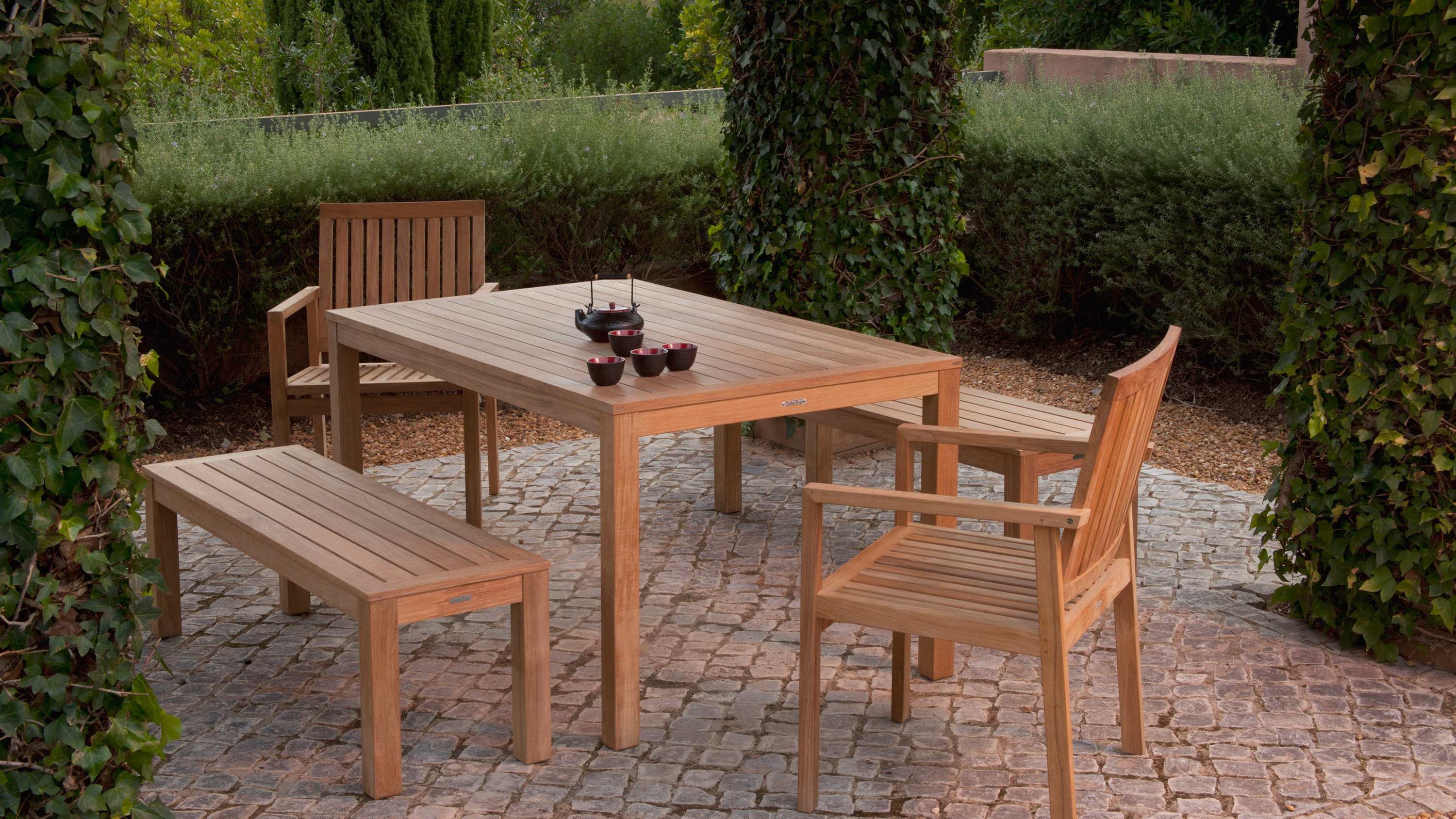
Credit: www.gardeningetc.com
Recommended Products
Choosing the right products to condition outdoor wood furniture protects it from weather damage. It keeps the wood looking fresh and extends its life. The best products nourish the wood and prevent cracking or fading. Here, we explore top brands and the difference between natural and synthetic options.
Top Brands For Outdoor Wood Care
Brands like Thompson’s WaterSeal and Minwax offer trusted wood conditioners. These products soak into the wood, adding moisture and protection. They provide a layer against rain, sun, and dirt. Other popular brands include Penofin and Cabot. These choices work well for teak, cedar, and other common outdoor woods.
Many users prefer brands with easy application and long-lasting results. Some products come with UV protection to keep wood colors bright. Look for those with good reviews and clear instructions. Using a well-known brand helps ensure your furniture stays strong through the seasons.
Natural Vs Synthetic Options
Natural oils like linseed and tung oil deeply nourish wood fibers. They soak in well and bring out the wood’s natural grain. These oils are safe and eco-friendly. They require regular reapplication to maintain protection. Natural products often give a warm, rich finish that many prefer.
Synthetic conditioners contain chemical additives for stronger protection. They resist water, mold, and UV rays better than natural oils. Synthetic options usually last longer between applications. Some contain solvents, so proper ventilation is important during use. Choose based on your needs for maintenance and finish.
Frequently Asked Questions
What Is The Best Conditioner For Outdoor Wood Furniture?
The best conditioner for outdoor wood furniture is one that hydrates and protects. Look for products with natural oils like teak or linseed oil. These oils penetrate deeply, preventing drying and cracking. Choose conditioners designed specifically for outdoor use to ensure durability and weather resistance.
How Often Should I Condition Outdoor Wood Furniture?
Condition outdoor wood furniture every 6 to 12 months. Frequency depends on exposure to sun and rain. Regular conditioning keeps wood hydrated and prevents damage. Inspect furniture seasonally and apply conditioner when the wood looks dry or faded.
Can I Use Indoor Wood Conditioner Outside?
Indoor wood conditioners are not ideal for outdoor furniture. They lack UV protection and water resistance. Outdoor furniture needs conditioners that protect against weather elements. Always use products formulated for exterior wood to maintain longevity and appearance.
Should I Clean Wood Before Conditioning Outdoor Furniture?
Yes, always clean wood before conditioning outdoor furniture. Remove dirt, dust, and old finishes with a gentle cleaner. Cleaning ensures the conditioner penetrates well and works effectively. Dry the wood completely before applying any conditioner.
Conclusion
Conditioning outdoor wood furniture keeps it strong and beautiful longer. Use the right products to protect wood from sun and rain. Clean the furniture gently before applying any conditioner. Regular care prevents cracks and fading over time. Enjoy your outdoor space with well-maintained wood pieces.
Small efforts now save you from costly repairs later. Keep your furniture looking fresh season after season. Simple steps make a big difference in wood’s life. Your outdoor wood deserves this care to stay lovely and sturdy.