Is your bookshelf wobbling every time you walk by? You’re not alone.
A shaky bookshelf isn’t just annoying—it can put your favorite books and valuables at risk. But don’t worry, steadying your bookshelf is easier than you think. You’ll discover simple, effective ways to keep your bookshelf solid and safe. Keep reading, and you’ll learn exactly what you need to fix that wobble for good.
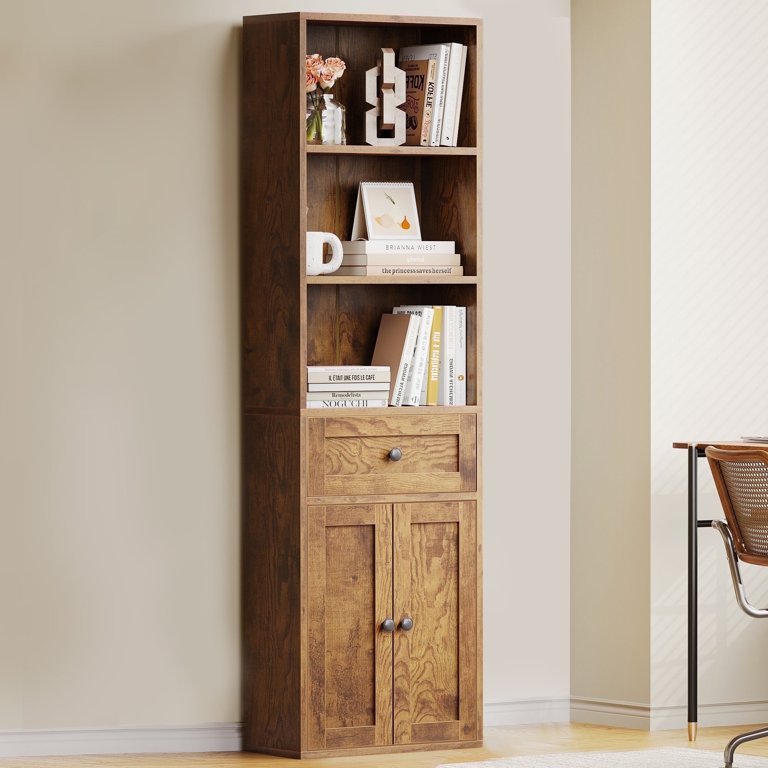
Credit: www.walmart.com
Common Causes Of Unstable Bookshelves
Bookshelves can become wobbly or unstable for several common reasons. Understanding these causes helps you fix the problem and keep your shelves safe. Stability depends on the floor, how much weight is on the shelves, assembly quality, and the materials used.
Uneven Floors
Uneven floors cause bookshelves to tilt or wobble. When one side stands higher or lower, the shelf cannot balance properly. This makes the shelf shake or lean, risking a fall. Using shims or adjusting the feet can help steady the shelf on uneven floors.
Overloading Shelves
Putting too many heavy books or objects on shelves makes them unstable. Shelves have weight limits. Exceeding these limits causes sagging or tipping. Distribute weight evenly and avoid stacking too much on one side to keep shelves steady.
Poor Assembly
Wrong or loose assembly causes instability. Missing screws or loose joints make shelves shaky. Following instructions carefully and tightening all bolts ensures a strong frame. Proper assembly keeps the bookshelf firm and safe.
Weak Materials
Using low-quality wood or thin boards leads to weak shelves. These materials bend or break under pressure. Strong, thick wood or metal frames provide better support. Choosing good materials extends the life and stability of your bookshelf.

Credit: tribesigns.com
Choosing The Right Location
Choosing the right location is key to steadying a bookshelf safely. A well-chosen spot prevents tipping and keeps the shelf stable over time. Consider the floor, the wall, and how people move around the room.
Avoid Sloped Surfaces
Do not place the bookshelf on uneven floors. Slopes make the shelf lean and wobble. Use a level to check the floor before setting the shelf down. If the floor is uneven, add small shims under the legs to balance it out.
Find A Solid Wall
Attach the bookshelf to a strong wall for extra support. Drywall alone may not hold the shelf well. Look for wall studs behind the drywall and use screws to fix the shelf to these studs. This helps prevent the shelf from falling forward.
Consider Room Traffic
Place the bookshelf where people walk less often. High-traffic areas can cause bumps that shake the shelf. Keep it away from doorways and paths. This reduces the chance of accidents and keeps the shelf steady.
Proper Assembly Techniques
Proper assembly techniques are key to steady and safe bookshelves. Correct steps create strong furniture that lasts long. Taking time and care during assembly prevents wobbling and accidents. Follow simple tips for a stable bookshelf.
Follow Instructions Carefully
Read the manual before starting. Each bookshelf has specific steps. Skip or mix steps can cause weak joints. Follow the order and details closely. Check each part matches the instructions. Taking this seriously builds a solid base.
Use The Right Tools
Use tools made for furniture assembly. Screwdrivers, hammers, and Allen wrenches are common. Using wrong tools can damage parts or strip screws. Proper tools help tighten connections well. Prepare tools before you begin to save time.
Tighten All Screws And Bolts
Loose screws make shelves unstable. Tighten every screw and bolt firmly. Avoid over-tightening to prevent cracking wood. Check all fasteners after assembly finishes. Regularly inspect and tighten to keep the bookshelf steady.
Reinforcement Options
Steadying a bookshelf is important for safety and stability. Several reinforcement options help secure your bookshelf to prevent tipping or wobbling. These options use simple tools and parts to keep shelves firm. Choose the right method based on your wall type and shelf design.
Wall Anchors And Brackets
Wall anchors and brackets attach the bookshelf to the wall. Anchors fit into drywall or plaster and hold screws tightly. Brackets connect the shelf frame to the wall for extra support. This option stops the shelf from moving forward or sideways. It is ideal for taller or heavier bookshelves.
Corner Braces
Corner braces are metal pieces fixed inside bookshelf corners. They strengthen the joints where shelves meet the frame. This reinforcement prevents the shelf from leaning or collapsing. Corner braces are simple to install and cost-effective. They work well for wooden or metal shelves.
L-brackets
L-brackets are shaped like the letter “L” and fasten shelves to walls or floors. One side attaches to the shelf, the other to the wall or floor. L-brackets provide strong, visible support. They hold shelves steady against pushing or pulling forces. Use L-brackets for both small and large bookshelves.
Adjusting For Uneven Floors
Uneven floors can make a bookshelf wobble and unstable. This problem can damage your books and make the shelf unsafe. Fixing this issue helps keep your shelf steady and strong. Small adjustments can make a big difference in stability.
Use Furniture Levelers
Furniture levelers are small devices that attach to the bottom of shelf legs. They allow you to adjust the height of each leg. This helps the shelf stand evenly on the floor. Levelers work well on floors with slight slopes or bumps. Install them by screwing or sticking them under each leg. Then, twist or slide them until the shelf feels steady.
Add Shims Or Pads
Shims are thin pieces of wood or plastic used to fill gaps. Place shims under the shorter legs of the bookshelf. This raises the leg and balances the shelf. You can also use rubber or felt pads. These pads prevent slipping and protect your floor. Cut shims or pads to fit the size needed. Check the shelf’s balance after adding them. Adjust the thickness to stop any wobbling.
Distributing Weight Evenly
Distributing weight evenly on a bookshelf is key to keeping it steady. Uneven weight can cause the shelf to tip or lean. Proper balance reduces stress on the shelves and frame. This simple step helps protect your books and furniture.
Place Heavy Items On Lower Shelves
Put the heaviest items on the bottom shelves. This lowers the center of gravity. A low center of gravity makes the bookshelf less likely to tip. Heavy books, boxes, or decor should stay near the floor. Keep lighter items higher to maintain balance.
Avoid Overloading One Side
Spread items across the width of the shelf. Do not pile too many things on one side. Uneven loads cause the shelf to lean or fall. Balance weight from left to right evenly. This keeps the bookshelf stable and safe for use.
Maintaining Stability Over Time
Keeping a bookshelf steady over time takes some care. Shelves can loosen or wobble as days pass. Small problems can grow if not fixed early. A steady shelf protects your books and space.
Regularly Check Fasteners
Fasteners hold the shelf parts together. Screws and bolts can become loose with time. Check them every few months. Tighten any loose screws you find. Use the right tools for a secure fit. This simple step keeps your shelf strong and safe.
Avoid Moving Fully Loaded Shelves
Heavy shelves are harder to move. Moving them while full can cause damage. It may loosen joints or break parts. Empty the shelf before moving it. Carry it carefully to avoid shaking. This prevents wear and keeps the shelf stable longer.

Credit: www.amazon.com
Frequently Asked Questions
What Tools Do I Need To Steady A Bookshelf?
To steady a bookshelf, you need a level, wall anchors, screws, and a drill. These tools ensure proper alignment and secure attachment to the wall, preventing tipping or wobbling.
How Can I Secure A Bookshelf To The Wall Safely?
Use wall anchors and brackets designed for your wall type. Attach the brackets to studs or use heavy-duty anchors to ensure the bookshelf stays stable and safe.
What Materials Help Prevent Bookshelf Wobbling?
Rubber pads or furniture coasters under bookshelf legs can reduce wobbling. Additionally, anchoring the bookshelf to the wall with brackets adds extra stability.
Can I Steady A Bookshelf Without Drilling Holes?
Yes, use heavy-duty adhesive strips or furniture straps. These options provide some stability but are less secure than wall anchors or brackets.
Conclusion
Steadying a bookshelf keeps it safe and strong for years. Use the right tools and materials to avoid accidents. Measure carefully and secure the shelf to the wall firmly. Check stability often to prevent wobbling or tipping. Taking small steps now saves big problems later.
A steady bookshelf holds your books and treasures with ease. Keep your space neat and your shelves steady. Simple fixes make a big difference in home safety.