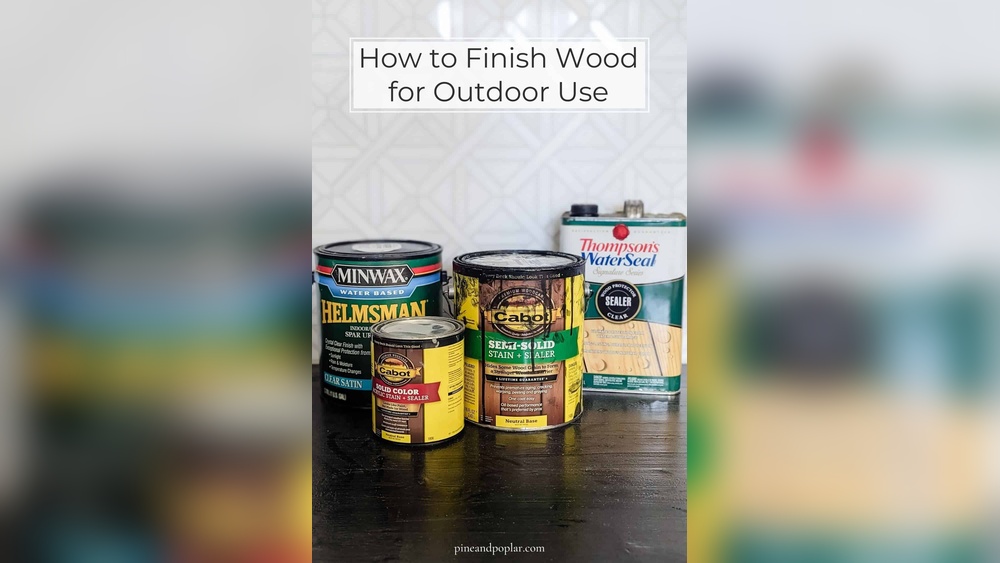
Your outdoor furniture is more than just a place to sit—it’s an investment that adds charm and comfort to your space. But have you ever wondered what you should put on your wooden furniture to keep it looking great year after year?
Without the right protection, wood can crack, fade, or rot under sun, rain, and changing seasons. You want to enjoy your outdoor pieces without worrying about damage. You’ll discover simple, effective ways to protect your wood furniture and keep it strong and beautiful for seasons to come.
Keep reading to find out how to give your outdoor wood the care it truly deserves.

Credit: pineandpoplar.com
Choosing The Right Wood Finish
Choosing the right wood finish is key to protecting outdoor furniture. Wood faces sun, rain, and changing temperatures. Finishes help keep wood strong and looking good. The right finish stops water from soaking in. It also slows down wood cracking and fading. Understanding different finishes helps pick the best one for your wood.
Oil-based Vs. Water-based Finishes
Oil-based finishes soak deep into wood. They bring out the wood’s natural color. These finishes last long and resist water well. But they can take longer to dry. Water-based finishes dry fast. They have less smell and clean up easily with water. These finishes keep wood looking fresh without darkening it much. Both types protect wood but suit different needs.
Varnishes And Sealers
Varnishes form a hard shell on wood’s surface. They protect from scratches and water damage. Sealers soak into wood to block moisture. Sealers keep wood from swelling or shrinking. Both help wood survive outdoor weather. Varnishes often shine and add color. Sealers keep wood natural and matte. Choose based on the look and protection level you want.
Paints And Stains
Paint covers wood fully with color. It hides wood grain but shields well. Paint lasts long and blocks sunlight. Stains soak into wood and show grain patterns. Stains come in many shades to match wood tones. They protect wood from water and sun damage. Paint and stains both help wood last outdoors. Pick paint for bold color, stain for natural beauty.
Preparing Wood For Protection
Preparing wood for protection is the first step to make outdoor furniture last longer. Proper preparation helps the wood absorb protective coatings evenly. It also removes dirt, old finishes, and damages that can harm the wood over time.
Cleaning And Sanding
Start by cleaning the wood surface to remove dust and grime. Use a soft brush or cloth with mild soap and water. Let the wood dry completely before sanding. Sanding smooths the wood and removes rough spots. Use medium-grit sandpaper to avoid damaging the wood. Always sand in the direction of the grain for the best finish.
Repairing Damages
Check the wood for cracks, holes, or loose parts. Fill small cracks with wood filler or putty. Larger cracks may need wood glue and clamps to hold pieces together. Replace broken parts if needed. Repairing damages prevents water and pests from entering the wood.
Removing Old Finishes
Remove any old paint, varnish, or sealant before applying new protection. Use a chemical stripper or sanding to strip off old finishes. This step helps the new coating stick better. Make sure to clean off all residues after stripping. A clean surface improves the wood’s protection and appearance.
Applying Protective Coatings
Applying protective coatings to outdoor wooden furniture helps keep it safe from weather damage. These coatings create a barrier that stops water, sun, and dirt from harming the wood. The right coating also keeps the wood looking fresh and new for a longer time.
Knowing how to apply these coatings correctly ensures the best protection. It involves a few simple steps, the right number of coats, and proper drying times. These details make a big difference in how well your furniture holds up outside.
Step-by-step Application
Start by cleaning the wood surface thoroughly. Remove dirt, dust, and old finishes using sandpaper or a soft brush. Apply the protective coating evenly with a brush or cloth. Work in the direction of the wood grain for smooth coverage. Allow each layer to dry before adding the next one.
Number Of Coats Needed
Most outdoor wood furniture needs two to three coats of protective finish. This ensures strong protection against moisture and UV rays. Applying fewer coats may leave the wood vulnerable. More coats can improve durability but avoid thick layers that peel easily.
Drying And Curing Times
Let each coat dry fully before applying the next. Drying times vary by product but usually take four to six hours. After the final coat, allow the furniture to cure for at least 24 to 48 hours. This curing time helps the coating harden and protect the wood better.
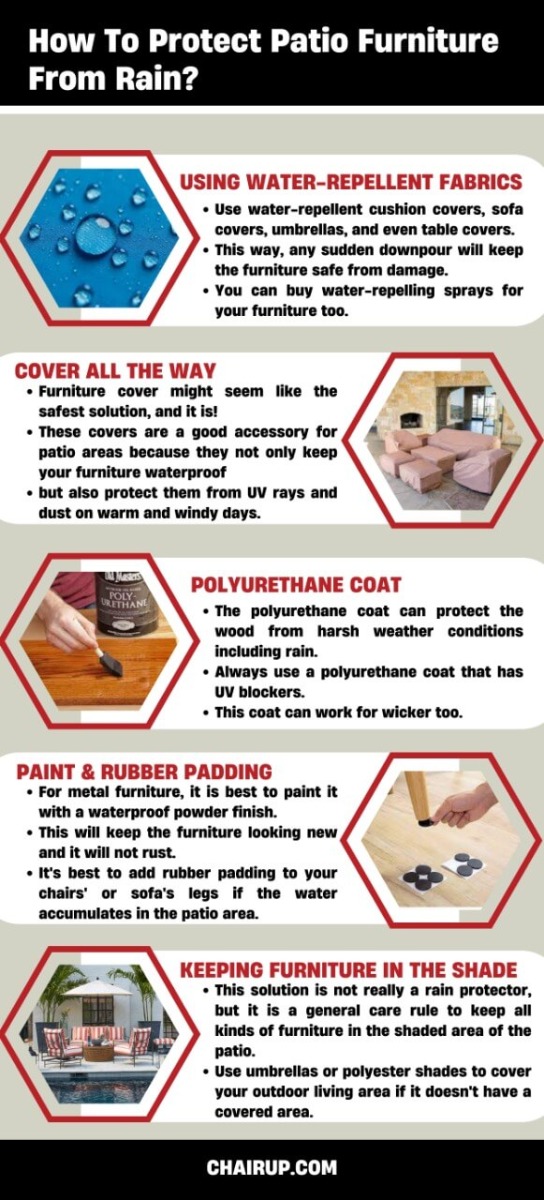
Credit: www.chairup.com
Natural Oils For Wood Protection
Natural oils protect outdoor wood furniture by soaking deep into the wood. They keep the wood from drying out and cracking. Oils also help water roll off the surface, which stops damage. Using natural oils is a simple way to keep wood looking fresh and strong.
Teak Oil Benefits
Teak oil is popular for outdoor wood. It works well on hardwoods like teak and mahogany. This oil penetrates deeply to protect against water and sun damage. Teak oil enhances the natural color of the wood. It also slows down the aging process of your furniture.
Linseed Oil Usage
Linseed oil comes from flax seeds and is easy to apply. It soaks into the wood and creates a shield against moisture. This oil makes wood look richer and darker. It takes longer to dry but gives strong protection. Linseed oil is good for older wood furniture.
Tung Oil Properties
Tung oil is a natural drying oil from tung tree nuts. It creates a hard, water-resistant finish. This oil keeps wood flexible and stops cracks. Tung oil is safe and non-toxic. It dries faster than linseed oil and provides durable protection.
Synthetic Sealers And Their Advantages
Synthetic sealers provide strong protection for outdoor wood furniture. They create a tough layer that shields wood from water, sun, and dirt. These sealers last longer than natural oils and dry faster. They keep wood looking fresh and help prevent cracks and warping. Here are some common types of synthetic sealers and their benefits.
Polyurethane
Polyurethane forms a hard, clear coat on wood surfaces. It resists scratches and stains well. This sealer protects wood from rain and sun damage. It works best on smooth furniture with little texture. Polyurethane is easy to clean and keeps wood shiny for months.
Spar Varnish
Spar varnish is flexible and made for outdoor use. It moves with the wood as it expands and contracts. This helps prevent cracking and peeling over time. Spar varnish blocks UV rays to reduce color fading. It also stops water from soaking into the wood.
Epoxy Coatings
Epoxy coatings create a thick, waterproof barrier. They are very durable and protect against harsh weather. Epoxy seals out moisture and prevents wood rot. This coating is perfect for furniture exposed to heavy rain or snow. It gives wood a glossy, smooth finish that lasts.
Maintenance Tips For Outdoor Wood Furniture
Maintaining outdoor wood furniture helps keep it strong and beautiful for years. Wood faces sun, rain, and dirt every day. Proper care stops damage and wear. Simple steps improve wood’s life and look.
Regular Cleaning
Clean wood furniture often. Use soft brushes or cloths to remove dust and dirt. Avoid harsh chemicals that hurt the wood. Mild soap and water work well. Let furniture dry fully before using or treating it.
Reapplication Intervals
Protective coatings wear off over time. Check your furniture every year. Reapply sealants or oils when the wood looks dry or faded. Regular reapplication keeps water and sun damage away. Follow product instructions for best results.
Protecting Against Weather
Cover furniture during heavy rain or snow. Use waterproof covers that allow air flow. Move wood pieces under shelter if possible. Avoid direct contact with wet ground. These steps prevent swelling, cracking, and mold growth.
Common Mistakes To Avoid
Protecting your outdoor wood furniture is key to keeping it strong and beautiful. Many people make mistakes that reduce the wood’s lifespan. Avoiding these errors ensures your furniture lasts longer and stays looking great.
Here are some common mistakes to avoid when applying protective products on wood furniture.
Using The Wrong Product
Not all products suit outdoor wood. Some sealers or paints block moisture poorly. Others may peel or crack under sun and rain. Choose products made for outdoor wood protection. Check if it repels water and resists UV rays.
Skipping Surface Preparation
Applying product on dirty or rough wood causes poor adhesion. Dirt, dust, and old finishes stop the product from sticking well. Always clean, sand, and dry the wood before applying. Smooth surfaces help the product last longer.
Applying In Poor Weather Conditions
Rain, high humidity, or extreme heat affect drying and curing. Products may wash off or dry unevenly. Choose dry, mild days for application. Check weather forecasts and avoid windy days to prevent dust settling on wet surfaces.
Additional Protection Methods
Protecting outdoor wooden furniture requires more than just one method. Using extra protection can help your furniture last longer. These additional steps keep wood safe from weather, sun, and dirt. Here are some ways to boost your wood’s defense.
Using Furniture Covers
Furniture covers block rain, dust, and dirt from reaching wood. Choose covers made from waterproof and breathable materials. Covers stop moisture from causing wood to rot or swell. They also shield furniture from bird droppings and tree sap. Use covers whenever furniture is not in use, especially during bad weather.
Storing Furniture Indoors
Moving wooden furniture indoors during cold or wet seasons protects it well. Indoor storage keeps furniture away from harsh sun and heavy rain. It prevents cracking and fading caused by extreme weather. Store pieces in a garage, shed, or basement. Clean and dry furniture before storing to avoid mold and mildew.
Applying Uv Protectants
UV protectants help block harmful sun rays that fade wood. Use products designed for outdoor wood furniture. These protectants form a clear shield on the surface. They reduce color loss and prevent drying or cracking. Apply protectants regularly, especially in sunny areas. This keeps furniture looking fresh and strong longer.
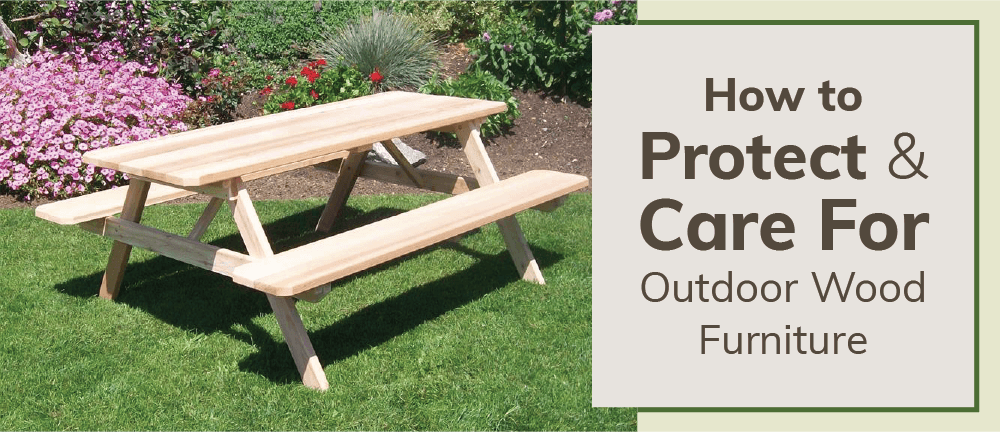
Credit: www.dutchcrafters.com
Frequently Asked Questions
What Is The Best Finish To Protect Outdoor Wood Furniture?
The best finish is a high-quality outdoor wood sealer or varnish. These protect against moisture, UV rays, and temperature changes, preserving the wood’s natural beauty and preventing cracking or fading.
Can I Use Oil To Protect Outdoor Wooden Furniture?
Yes, oils like teak or linseed oil penetrate wood to repel water. They nourish wood, enhance grain, and provide moderate protection but require regular reapplication for lasting effects.
How Often Should I Apply Protective Coatings On Wood Furniture?
Apply protective coatings at least once a year. More frequent applications may be needed in harsh climates to maintain protection against weather damage and prolong furniture life.
Are Waterproof Sprays Effective For Outdoor Wood Protection?
Waterproof sprays add a water-resistant layer but offer limited UV protection. They work best combined with sealers or oils to fully safeguard outdoor wood furniture.
Conclusion
Protecting wooden outdoor furniture is key for lasting beauty. Use sealants, oils, or varnishes to guard wood from weather. Regular care keeps furniture strong and looking fresh. Always clean before applying any protective coating. Choose products made for outdoor use to ensure durability.
Small efforts now save time and money later. Enjoy your furniture longer with simple, smart protection steps. Stay consistent and your wood will stay beautiful season after season.


