If you’ve noticed small red marks on your toddler’s skin and wonder what they might be, you’re not alone. Bed bug bites can be tricky to spot, especially on little ones who can’t tell you what’s bothering them.
Knowing what bed bug bites look like on a toddler can help you act fast, protect your child, and prevent the problem from getting worse. You’ll learn how to recognize these bites, what signs to watch for, and what steps to take next.
Keep reading to make sure your child stays safe and comfortable.
Credit: kidshealth.org
Identifying Bed Bug Bites On Toddlers
Identifying bed bug bites on toddlers can be tricky. Their skin reacts differently than adults. Toddlers may not say they are itchy or uncomfortable. Parents must watch closely for any unusual marks or redness. Recognizing the signs early helps to treat and prevent more bites.
Common Appearance Of Bites
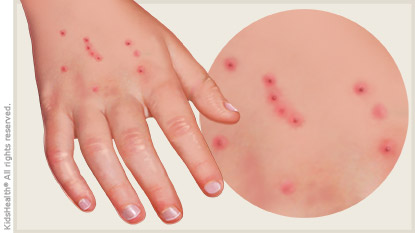
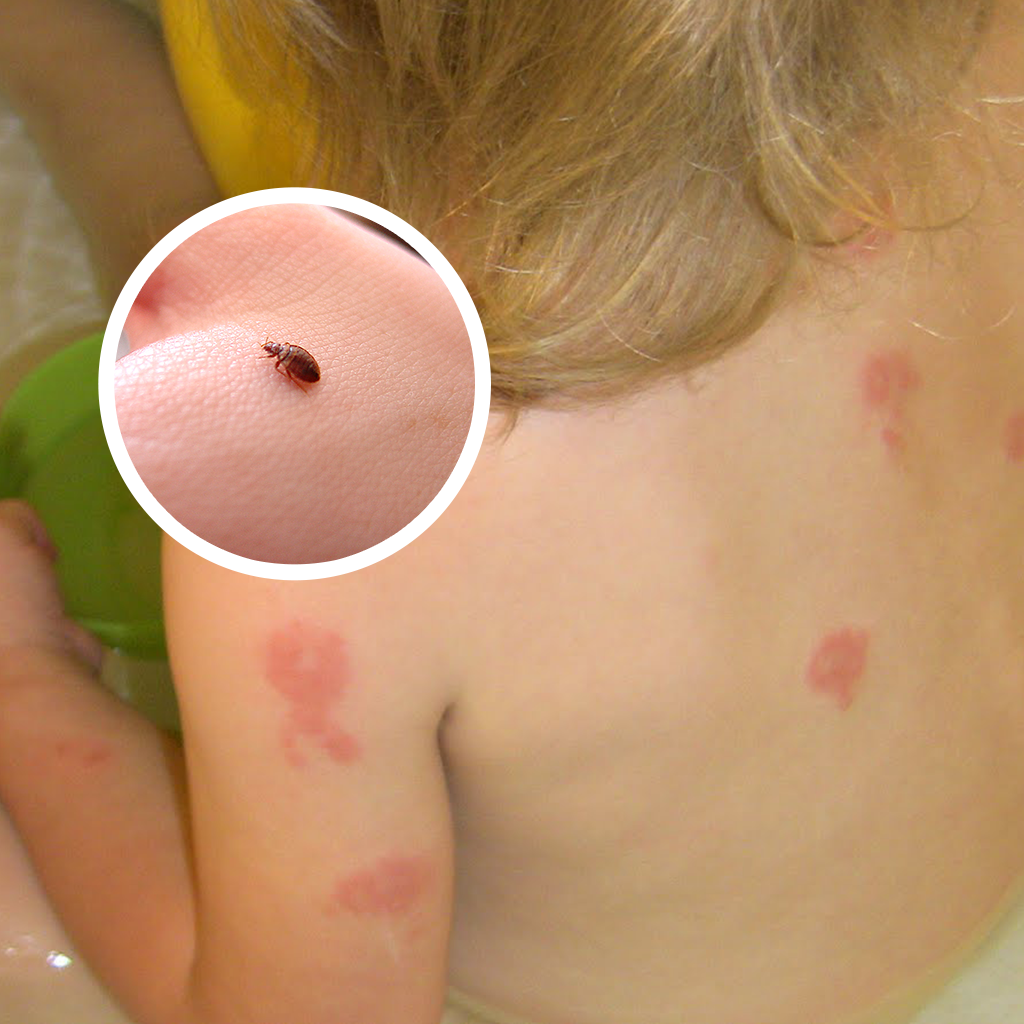
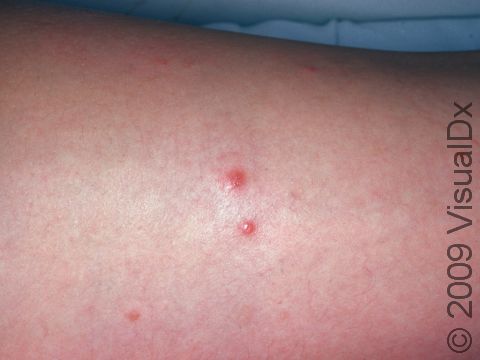
Bed bug bites usually look like small red bumps. They may have a darker red spot in the center. The skin around the bite can be swollen or raised. Bites often cause itching and discomfort. Toddlers might scratch the area, making it look worse.
Typical Bite Patterns
Bites often appear in a line or cluster. This pattern happens because bed bugs feed multiple times along the skin. The bites may be close together or spaced evenly. Look for three or more bites in a small area. This helps distinguish bed bug bites from other insect bites.
Areas Most Affected
Toddlers’ exposed skin is most affected by bed bug bites. Common spots include the face, neck, arms, and hands. Bites can also appear on the legs and feet. Areas not covered by clothes are more vulnerable. Checking these spots regularly can catch bites early.
Credit: bedbugsos.ca
Symptoms To Watch For
Recognizing the symptoms of bed bug bites on a toddler is important. Young children may not describe their feelings well. Parents must watch for clear signs on the skin and in behavior. Early detection can help reduce discomfort and prevent further bites.
Redness And Swelling
Bed bug bites often cause red spots on a toddler’s skin. These spots may look like small bumps or welts. Swelling around the bite is common. The skin may feel warm to the touch. Redness and swelling usually appear in clusters or lines.
Itching And Discomfort
Toddlers with bed bug bites tend to scratch the affected areas. Itching can be intense and cause restlessness. The child may cry or seem irritable due to discomfort. Scratching can sometimes lead to skin infections. Keeping nails short helps prevent damage from scratching.
Possible Allergic Reactions
Some toddlers may develop allergic reactions to bed bug bites. This can cause larger, raised bumps or blisters. The skin may become very red and inflamed. In rare cases, breathing difficulties or swelling of the face may occur. Immediate medical attention is necessary for severe reactions.
Differentiating Bed Bug Bites From Other Irritations
Bed bug bites on toddlers can look like other common skin irritations. Parents often confuse them with mosquito bites, chickenpox, or eczema. Knowing how to tell these apart helps in proper care and treatment. Each irritation has unique signs and symptoms. This section breaks down the differences clearly.
Bites Vs. Mosquito Bites
Bed bug bites usually appear in a line or cluster. Mosquito bites are often single, random spots. Bed bug bites cause red, itchy bumps with a darker center. Mosquito bites are raised, puffy, and may swell quickly. Bed bugs bite mostly on exposed skin during sleep. Mosquitoes bite any exposed area, day or night.
Bites Vs. Chickenpox
Chickenpox starts with small red spots that turn into fluid-filled blisters. Bed bug bites stay as small, flat or raised red bumps. Chickenpox causes a widespread rash all over the body. Bed bug bites focus on areas exposed during sleep. Chickenpox usually comes with fever and tiredness. Bed bug bites do not cause fever or sickness.
Bites Vs. Eczema
Eczema shows as dry, scaly, and itchy patches of skin. Bed bug bites are more like sudden red bumps. Eczema often appears on hands, face, and folds of skin. Bed bug bites tend to be on exposed skin parts. Eczema can last for weeks or months. Bed bug bites usually heal in a few days.
Immediate Care For Toddler’s Bed Bug Bites
Immediate care for toddler’s bed bug bites is very important. The bites can cause discomfort and irritation. Quick action helps reduce itching and prevent infection. Parents should know the right steps to take right away.
Cleaning The Affected Area
Start by gently washing the bites with mild soap and water. This removes dirt and germs from the skin. Use lukewarm water to avoid more irritation. Pat the skin dry with a soft towel. Do not rub, as this can worsen the bite.
Soothing Itching And Redness
Apply a cool compress to the bites to reduce swelling. This also helps calm the itching. Use a clean cloth dipped in cold water. Avoid scratching to prevent skin damage. Over-the-counter creams with hydrocortisone can ease redness and itching. Always follow the product instructions carefully.
When To Seek Medical Help
Seek medical care if the bites look infected. Signs include increased redness, swelling, or pus. If your toddler develops a fever or feels very uncomfortable, see a doctor. Also, get help if the itching worsens or spreads quickly. Medical advice ensures proper treatment and relief.
Preventing Bed Bug Infestations
Preventing bed bug infestations is key to keeping toddlers safe and comfortable. These tiny pests hide well and can spread quickly. Taking simple steps can protect your child’s sleeping area. It reduces the chance of bites and skin irritation.
Inspecting Sleeping Areas
Check your toddler’s bed regularly for signs of bed bugs. Look at mattress seams, bed frames, and headboards. Small reddish-brown spots or tiny bugs may appear. Early detection helps stop an infestation before it grows. Use a flashlight to see in dark corners and crevices.
Washing And Drying Bedding
Wash your toddler’s sheets, blankets, and pillowcases often. Use hot water to kill any bed bugs or eggs. Dry bedding on the highest heat setting for at least 30 minutes. Heat destroys bed bugs and prevents them from spreading. Clean bedding also keeps the bed fresh and healthy.
Using Protective Covers
Cover mattresses and pillows with special bed bug-proof encasements. These covers trap bugs inside and stop new ones from entering. They also make it easier to spot bed bugs on the surface. Choose covers that fit tightly and are made of durable material. This adds a strong layer of defense for your toddler’s bed.
Effective Bed Bug Treatment Options
Effective bed bug treatment options are essential to protect toddlers from bites and irritation. Bed bugs multiply fast and hide well, so quick action is important. Choosing the right treatment helps remove bugs safely and prevents bites from returning. Several methods exist, each with pros and cons. Parents must find the safest and most effective solution for their child’s health.
Professional Pest Control Services
Pest control experts use special tools and chemicals to remove bed bugs. They know how to find hiding spots and treat the whole home. This method is fast and usually very effective. Professionals also offer follow-up visits to ensure bugs are gone. It is a good choice for severe infestations or if home methods fail.
Home Remedies And Their Effectiveness
Some home remedies include vacuuming, washing bedding in hot water, and using natural sprays. These can reduce bed bugs but may not fully remove them. Home treatments work best for small problems or as a first step. They are safer but less powerful than professional services. Patience and repeated effort are often needed.
Safety Considerations For Toddlers
Toddlers have sensitive skin and breathe differently than adults. Avoid harsh chemicals or sprays that can harm them. Use treatments in well-ventilated areas and keep toddlers away during application. Choose child-safe products and always follow label instructions. Protecting toddlers from bites and treatment risks is the top priority.
Credit: skinsight.com
Frequently Asked Questions
What Do Bed Bug Bites Look Like On Toddlers?
Bed bug bites on toddlers usually appear as small, red, itchy bumps. They often form in clusters or lines. The bites may swell and cause discomfort, especially on exposed skin like arms and legs.
How To Differentiate Bed Bug Bites From Mosquito Bites On Toddlers?
Bed bug bites often appear in a linear pattern, while mosquito bites are random. Bed bug bites itch intensely and may cause swelling. Mosquito bites typically have a single, raised bump without a pattern.
Can Bed Bug Bites Cause Allergic Reactions In Toddlers?
Yes, toddlers can have allergic reactions to bed bug bites. Symptoms may include severe itching, swelling, and redness. In rare cases, blisters or hives may develop, requiring medical attention.
How Soon Do Bed Bug Bites Show On Toddlers?
Bed bug bites usually appear within a few hours to a day after exposure. However, some toddlers may take several days to show visible bite marks. The reaction time varies based on individual sensitivity.
Conclusion
Bed bug bites on toddlers usually appear as small, red bumps. They often cause itching and discomfort. These bites may show up in lines or clusters on the skin. It’s important to check your child’s skin regularly. Early detection helps stop the bugs from spreading.
Keep your home clean and inspect bedding often. If bites worsen or cause trouble, see a doctor fast. Knowing what bed bug bites look like protects your child’s health. Stay alert and act quickly for the best care.