
When you think about your living room, what comes to mind? Is it a cozy spot to relax after a long day, a place to entertain friends, or a space where your family gathers?
Whatever your vision, the right furniture can transform your living room into the perfect blend of comfort and style. But how do you choose what furniture should be in your living room to make it both functional and inviting? You’ll discover the essential pieces that every living room needs, plus smart tips to arrange them for flow and harmony.
Keep reading to unlock the secrets of creating a living room that feels just right for you.
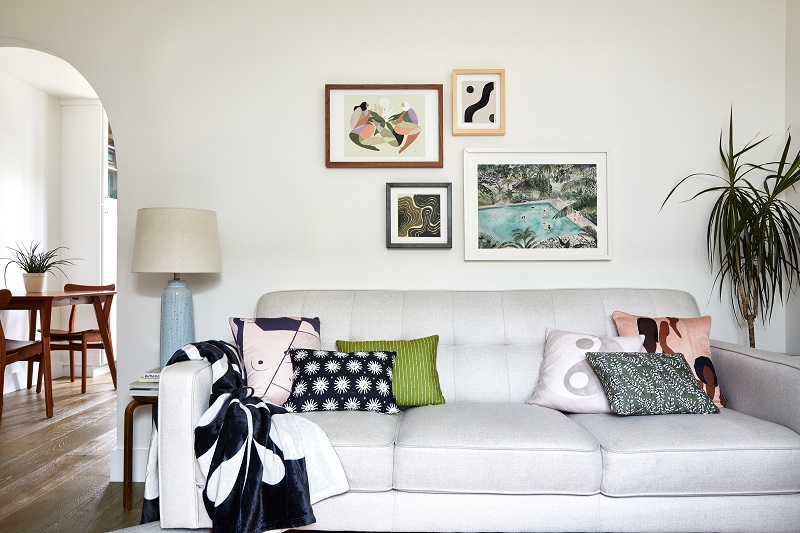
Credit: blog.society6.com
Key Seating Options
Choosing the right seating is essential for a living room. Seating shapes the room’s comfort and style. It invites guests to relax and creates a welcoming atmosphere. Each seating type serves a unique purpose. Mixing different options boosts both function and visual appeal.
Sofa And Sectional Choices
The sofa is the main seating piece in any living room. Sofas come in various sizes and styles to fit your space. Sectionals offer more seating and can define the room’s layout. Pick a sofa or sectional that matches your room’s size and style. Look for durable fabrics and comfortable cushions. The right sofa anchors the whole room and invites people to sit down.
Accent Chairs And Recliners
Accent chairs add extra seating and a splash of personality. They come in many colors and shapes to complement your sofa. Recliners focus on comfort and relaxation. They are perfect for reading or watching TV. Place chairs where they encourage conversation or fill empty corners. These seats make your living room versatile and cozy.
Ottomans And Poufs
Ottomans and poufs serve multiple uses in a living room. Use them as footrests, extra seats, or small tables. They add softness and can introduce new textures or colors. Ottomans with storage help keep the room tidy. Poufs are lightweight and easy to move around. These pieces complete the seating area with style and function.
Tables For Function And Style
Tables play a key role in living rooms, blending function with style. They provide surfaces for daily use and enhance the room’s look. Choosing the right tables can improve comfort and add character to your space.
Coffee Tables
Coffee tables sit at the center of the seating area. They hold drinks, snacks, books, and decor items. Choose a size that fits your sofa and leaves enough walking space. Materials like wood, glass, or metal offer different styles. A well-chosen coffee table anchors the room and adds convenience.
End And Side Tables
End and side tables stand beside chairs or sofas. They give easy access to lamps, remotes, or drinks. Small but useful, these tables fill empty corners and balance the furniture layout. Pick tables that match your main pieces and room size. Rounded or square shapes work well to suit different styles.
Console And Occasional Tables
Console tables fit along walls or behind sofas. They provide extra surface space without crowding the room. Use them for keys, photos, or decorative objects. Occasional tables are flexible and can move around as needed. These tables combine practicality with style, helping keep your living room tidy and inviting.
Storage Solutions
Storage solutions play a vital role in a living room’s design. They keep the space tidy and organized. Choosing the right furniture with storage helps manage clutter easily. It also adds style and functionality to the room. Smart storage options make the living room more inviting and practical.
Bookshelves
Bookshelves are perfect for storing books and displaying decor. They create a focal point and add personality to the room. Open shelves allow easy access to favorite reads and collectibles. Closed bookshelves help hide clutter and keep the space neat. Tall or low, bookshelves fit various room sizes and styles. They also provide vertical storage, saving floor space.
Media Consoles And Tv Stands
Media consoles and TV stands organize electronics and media devices. They keep cords and cables out of sight for a clean look. Many come with drawers, cabinets, or shelves for extra storage. This furniture supports the TV while storing remotes, DVDs, and gaming gear. Choose a style that matches your room’s decor. Proper media furniture balances functionality with aesthetics.
Lighting Essentials
Lighting plays a key role in any living room. It sets the mood and makes the space comfortable. Good lighting also highlights furniture and decor. Choosing the right types of lights is important for both function and style.
Floor Lamps
Floor lamps add height and style to the room. They work well next to sofas or chairs for reading. Choose a design that fits your room’s theme. Adjustable floor lamps offer flexible lighting where you need it most.
Table Lamps
Table lamps bring soft, focused light to side tables or consoles. They create cozy corners and add warmth. Pick lamps with shades that diffuse light gently. Table lamps are perfect for relaxing or working in the living room.
Layered Lighting Tips
Layering light means combining different types of lighting. Use floor lamps, table lamps, and ceiling lights together. This approach balances brightness and shadows. It also allows you to change the mood easily. Start with ambient light, add task lights, then finish with accent lights.
Textiles And Soft Furnishings
Textiles and soft furnishings shape the comfort and style of a living room. These elements bring warmth, texture, and color to the space. They also help define zones and soften hard surfaces. Choosing the right textiles creates a cozy and inviting atmosphere for family and guests.
Area Rugs
Area rugs anchor the furniture and add softness underfoot. They help define seating areas in open or large rooms. Choose rugs that match your room’s color scheme and furniture style. Natural fibers like wool offer durability and comfort. Rugs with bold patterns can serve as a focal point in a neutral room.
Curtains And Blinds
Curtains and blinds control light and privacy in the living room. Light, airy curtains soften windows and brighten the space. Heavier drapes provide insulation and a formal look. Blinds offer a clean, modern option with adjustable light control. Select fabrics and colors that complement your wall paint and furniture.
Throw Pillows And Blankets
Throw pillows add color and comfort to sofas and chairs. Mix different sizes, shapes, and textures for visual interest. Blankets or throws provide warmth and a layered look. They are easy to change with the seasons or trends. Soft textiles invite relaxation and make the living room feel lived-in.
Decorative Accents
Decorative accents bring life and personality to a living room. They transform plain spaces into inviting places. These accents include art, plants, and personal items that reflect your style. Small touches create a cozy and welcoming atmosphere. They also balance the room’s furniture and colors. Choosing the right decorations can make the living room feel complete and harmonious.
Wall Art And Mirrors
Wall art adds color and interest to empty walls. Paintings, prints, or photographs can show your taste and style. Mirrors are practical and decorative. They reflect light, making the room look bigger and brighter. Choose frames that match your furniture for a unified look. Arrange wall art in groups to create a gallery effect. Large mirrors can serve as a focal point above a sofa or fireplace.
Plants And Greenery
Plants bring freshness and natural beauty indoors. They improve air quality and add a calming vibe. Use a mix of tall floor plants and small potted ones on shelves or tables. Greenery softens hard furniture edges and adds texture. Choose low-maintenance plants if you have a busy lifestyle. Succulents, ferns, and snake plants are good options. Place plants near windows for sunlight and healthy growth.
Personal Accessories
Personal accessories tell your story and add warmth. Display items like books, candles, vases, and souvenirs. Use trays or bowls to organize small objects neatly. Family photos in simple frames add a personal touch. Choose colors and styles that complement the room’s decor. Rotate accessories seasonally to keep the space fresh. These small details make your living room feel like home.
Arranging Furniture
Arranging furniture in a living room shapes how the space feels and works. Proper arrangement creates comfort and makes the room inviting. It also helps use the space wisely and highlights the best features. Below are key points to consider when placing furniture.
Creating A Focal Point
The focal point draws attention and sets the room’s tone. It can be a fireplace, a large window, or a TV. Arrange the main seating, like the sofa, facing this spot. Other furniture should support the focus without blocking it. This makes the room feel connected and purposeful.
Maintaining Flow And Balance
Flow means easy movement through the room. Avoid placing furniture in paths where people walk. Keep enough space between pieces for comfort. Balance means spreading furniture evenly. Mix large and small items to avoid crowding one side. This keeps the room feeling calm and stable.
Scale And Proportion
Choose furniture that fits the room size. Large pieces can overwhelm a small room. Small furniture can look lost in a big space. Match furniture size with room size for harmony. Keep proportions comfortable for sitting and walking. This ensures the living room feels right and works well.
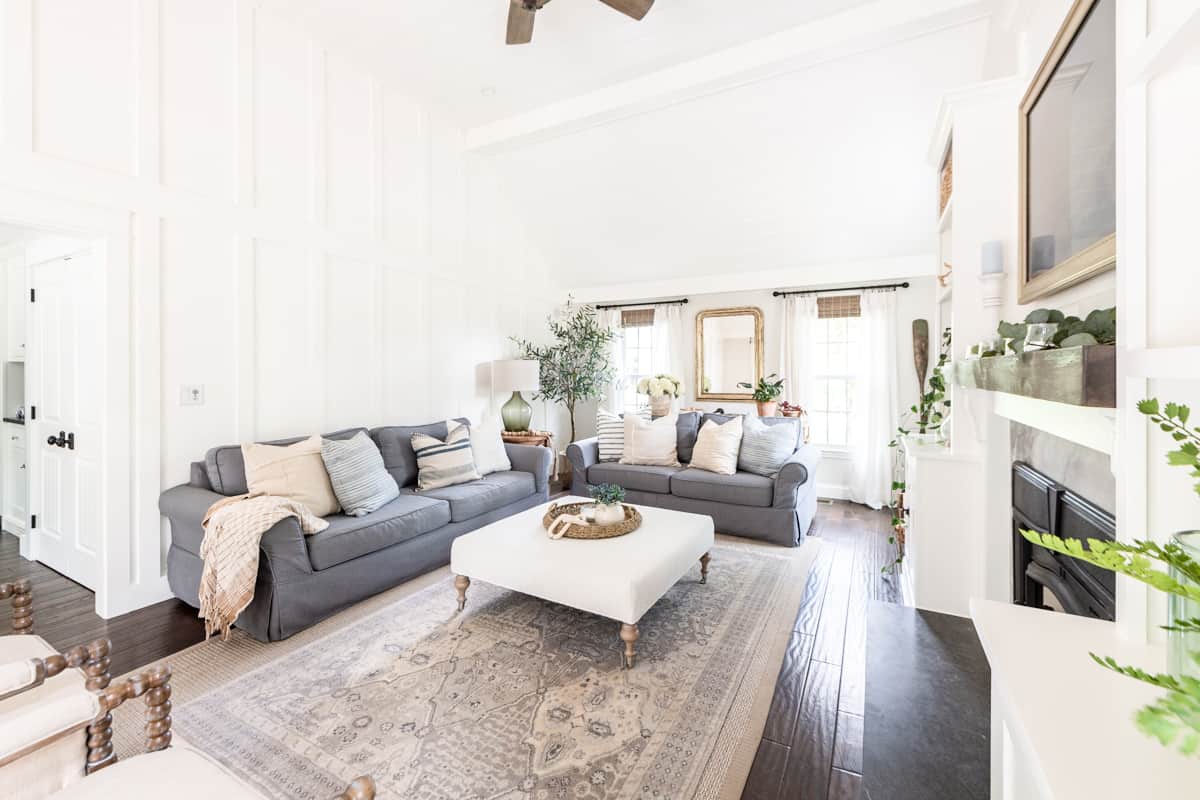
Credit: www.ninahendrick.com
Practical Considerations
Choosing the right furniture for your living room needs more than style. Practical needs matter most. The room should be comfortable and easy to use every day. Thinking about space, movement, and purpose helps pick the best pieces.
These practical points make the room work well. They help avoid clutter and keep the space inviting. Let’s explore key factors that guide smart furniture choices.
Measuring Your Space
Start by measuring your living room carefully. Know the length, width, and height of the area. Write down door and window positions. This prevents buying furniture that does not fit.
Measure larger items like sofas and tables before buying. Consider the size of rugs and lighting too. Small rooms need compact furniture. Large rooms can hold bigger pieces comfortably.
Traffic Patterns
Think about how people move inside the room. Paths should be clear and easy to walk through. Avoid placing furniture where it blocks doors or walkways.
Keep at least two feet of space for walking around furniture. Arrange seating to face each other or the focal point. This makes the room feel open and welcoming.
Multi-function Rooms
Many living rooms serve more than one purpose. They might be a place to watch TV, work, or play. Choose furniture that fits these different needs.
Look for pieces with storage, like ottomans or coffee tables with shelves. Folding chairs or desks can save space. This keeps the room tidy and useful for everyone.
:max_bytes(150000):strip_icc()/rules-for-arranging-furniture-2213418-01-0ce5fc6a876342d693cef4e11367d098.jpg)
Credit: www.thespruce.com
Frequently Asked Questions
What Is The 2/3 Rule For Living Rooms?
The 2/3 rule for living rooms suggests filling about two-thirds of the space with furniture. This balance avoids overcrowding and keeps the room functional and comfortable.
What Are The Four Rules In Furniture Arrangement?
The four rules of furniture arrangement include ensuring functionality and traffic flow, creating a focal point, maintaining balance and symmetry, and using proper proportion and scale.
What Is The 3-5-7 Rule In Decorating?
The 3-5-7 rule in decorating suggests using 3 large, 5 medium, and 7 small items for balanced decor. It creates visual interest and harmony in any space.
What Is The 3 4 5 Rule In Interior Design?
The 3-4-5 rule in interior design guides furniture arrangement by using 3 pieces on one side, 4 on the opposite, and 5 total pieces for balance and flow. It helps create harmonious, functional living spaces with proper proportion and visual interest.
Conclusion
A well-furnished living room blends comfort with style. Choose essential pieces like a sofa, coffee table, and TV stand. Add accent chairs and ottomans for extra seating and character. Use rugs and lamps to create a cozy, inviting space. Keep furniture sizes balanced to fit your room well.
Thoughtful arrangement improves flow and usability. Personal touches, such as artwork and decor, make the room feel like home. A comfortable living room invites relaxation and good company.