
Your bedroom should be a personal haven—a place where comfort meets style and every piece of furniture serves a purpose. But deciding what furniture to put in a bedroom can feel overwhelming.
Do you know which items will make your space both functional and inviting? Are you struggling to balance comfort with style without cluttering the room? This guide will help you choose the right furniture, arrange it perfectly, and create a bedroom that feels spacious, cozy, and truly yours.
Keep reading to discover simple yet powerful tips that transform your bedroom into the relaxing retreat you deserve.
Key Bedroom Furniture
Key bedroom furniture shapes the room’s comfort and style. Each piece serves a purpose and creates a cozy atmosphere. Choosing the right furniture helps keep the space organized and relaxing. Focus on essentials to make the room functional and inviting.
Start with the bed, add storage options, and include seating for comfort. Nightstands complete the setup and bring balance to the design. Every item plays a role in making the bedroom a personal retreat.
Choosing The Bed
The bed is the bedroom’s centerpiece. Pick a size that fits your room and needs. A queen or king bed offers space but needs room to move around. Consider a bed frame with storage for extra space-saving. Choose a comfortable mattress to improve sleep quality. The bed’s style sets the tone for the entire room.
Nightstands And Their Role
Nightstands provide easy access to essentials. Use them for lamps, books, or a glass of water. Choose nightstands with drawers for hidden storage. Matching nightstands on both sides of the bed add symmetry. Keep them at a height that aligns with the mattress for comfort.
Dressers And Storage
Dressers store clothes and keep the room tidy. Select a dresser with enough drawers for your wardrobe. Tall dressers save floor space in small rooms. Opt for styles that match your bed and nightstands. Use the top surface for decor or extra storage baskets.
Seating Options
Seating adds comfort and function to the bedroom. A small chair or bench at the foot of the bed works well. Seating helps with dressing or relaxing without using the bed. Choose compact seats to avoid crowding the space. Pick fabrics and colors that complement the room’s style.

Credit: petalwoodinteriors.co.uk
Furniture Placement Tips
Placing furniture in a bedroom affects comfort and style. Thoughtful arrangement makes the space feel open and inviting. Start by focusing on how each piece fits together. Use these tips to create a balanced and functional bedroom layout.
Positioning The Bed
The bed is the room’s centerpiece. Place it against the longest wall for a natural focal point. Avoid placing the bed directly under a window to reduce drafts and light disruption. Keep the bed away from the door’s direct line to create a sense of privacy. Centering the bed allows space on each side for movement and other furniture.
Balancing Large And Small Pieces
Start by placing larger furniture like dressers or wardrobes first. Balance one large item with another of similar size or visual weight. If the bed is against a wall on one side, add a dresser or desk on the opposite side. Use smaller pieces like nightstands or stools to fill empty spots without crowding. This balance helps the room feel organized and calm.
Creating Clear Pathways
Clear pathways allow easy movement around the room. Leave at least two feet of space between furniture pieces. Avoid blocking doors, windows, or closets with bulky items. Pathways improve safety and make the room feel larger. Plan furniture placement to keep the flow natural and comfortable.
Using Symmetry For Calm
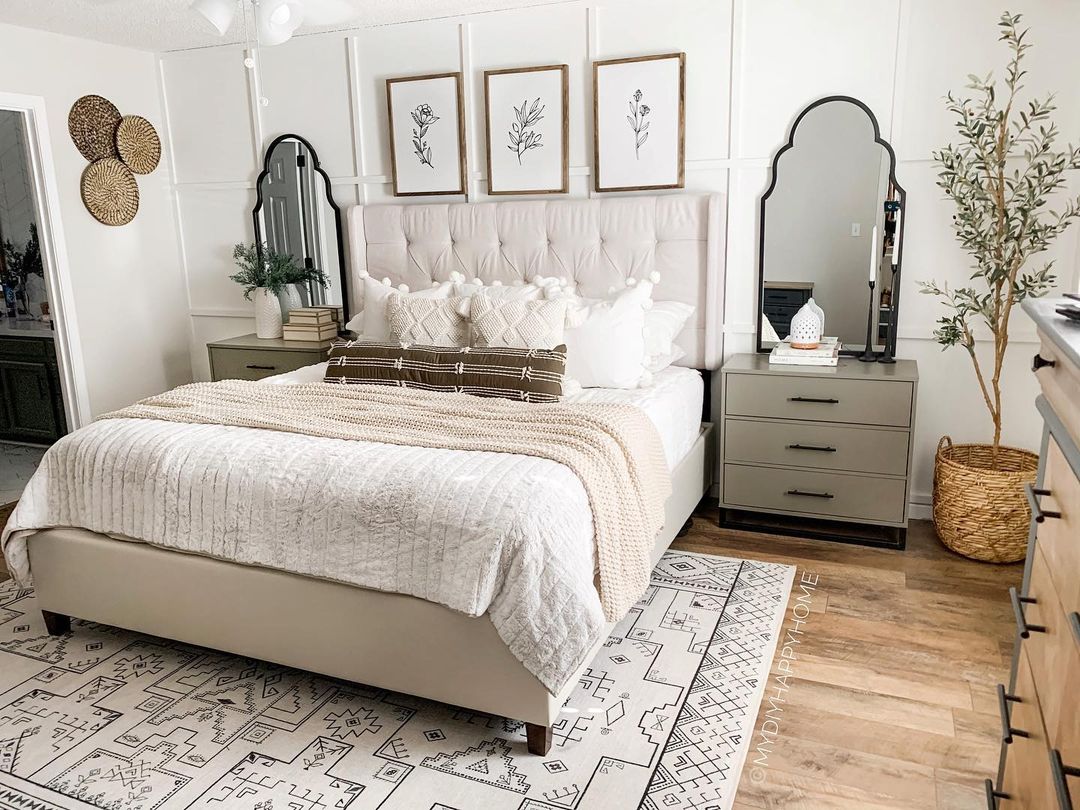
Symmetry brings balance and peace to a bedroom. Use matching nightstands and lamps on both sides of the bed. Symmetrical arrangements create a pleasing and restful look. Even if furniture pieces differ slightly, keep their size and shape similar. This approach helps the bedroom feel orderly and inviting.
Maximizing Small Spaces
Small bedrooms need smart furniture choices to feel bigger and stay organized. Choosing the right pieces helps save space and keeps the room comfortable. Here are some tips to make the most of a small bedroom.
Multi-functional Furniture
Furniture that serves more than one purpose works best in small spaces. A bed with drawers underneath provides extra storage. A fold-out desk can double as a vanity or workspace. Choose pieces that combine seating and storage, like an ottoman with a hidden compartment.
Vertical Storage Solutions
Use the walls to free up floor space. Tall shelves hold books, decor, and clothes. Hooks and pegboards organize accessories and bags. Floating shelves keep items off the floor and make the room feel open. Vertical storage keeps clutter at bay and adds style.
Minimalist Approach
Less is more in a small bedroom. Keep only essential furniture to avoid crowding. Choose simple designs with clean lines. Light colors and uncluttered surfaces create a calm atmosphere. A minimalist style helps the room look larger and more peaceful.
Credit: www.extraspace.com
Lighting And Ambiance
Lighting shapes the mood and feel of a bedroom. It can create a cozy, restful space or a bright, energizing one. Choosing the right lighting helps improve comfort and style. It also makes the room more functional for different activities.
Bedside Lighting Choices
Bedside lamps add warmth and convenience. They offer soft light for reading or relaxing. Choose lamps with adjustable brightness to suit your needs. Small lamps with fabric shades spread light gently. Look for designs that match your bedroom’s style. Lamps with built-in USB ports add extra function.
Wall-mounted Fixtures
Wall-mounted lights save space and add charm. They free up nightstand room for other items. Swing-arm sconces offer flexible lighting angles. Fixed sconces give a steady glow and highlight room features. Choose fixtures with dimmers for better control. Wall lights near the bed create a calm, inviting vibe.
Soft Lighting Tips
Use warm bulbs to make the room feel cozy. Avoid harsh, bright lights that disrupt relaxation. Layer different light sources for balance and depth. Add fairy lights or LED strips for a gentle glow. Use lampshades to soften direct light. Dimmer switches help adjust light intensity easily.
Avoiding Common Mistakes
A well-furnished bedroom creates comfort and restfulness. Avoiding common mistakes improves the room’s function and style. Small errors can make the space feel cramped or chaotic. Careful choices help the bedroom feel calm and inviting.
Overcrowding With Furniture
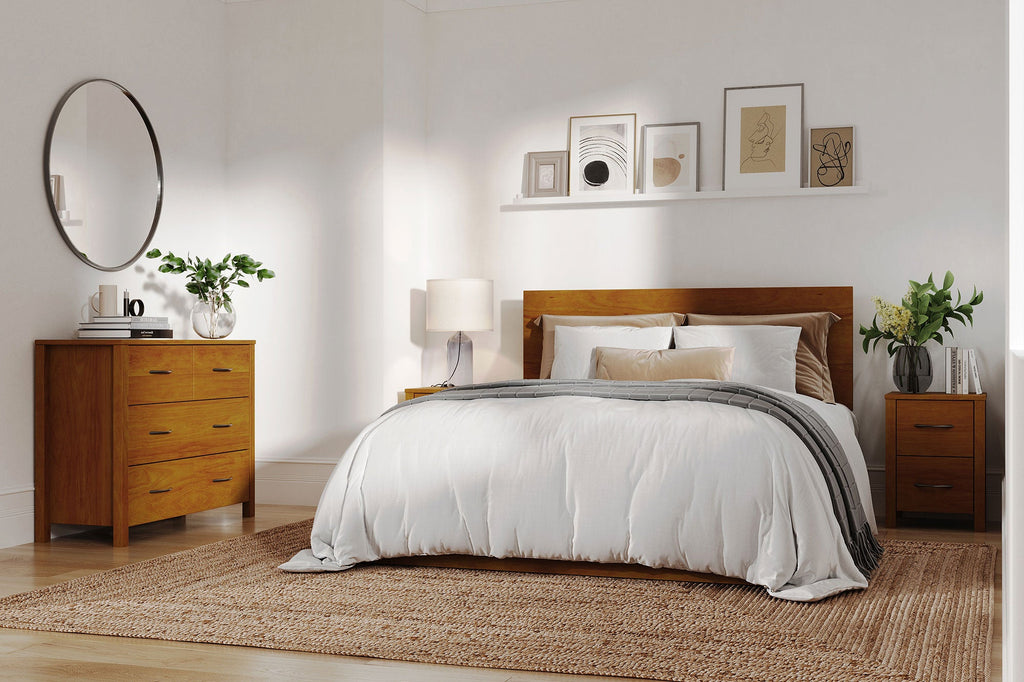
Too many pieces can crowd the bedroom quickly. Leave enough space to move freely around the bed. Choose essential furniture only. Large items should not block windows or doors. Open space makes the room feel bigger and more relaxing.
Harsh Lighting Effects
Bright, harsh lights can ruin the bedroom’s calm atmosphere. Use soft, warm lighting instead. Lamps with dimmers are a good choice. Avoid overhead lights that shine directly in your eyes. Balanced lighting helps create a cozy mood for rest.
Clutter And Visual Distractions
Clutter distracts and stresses the mind. Keep surfaces clear and use storage solutions. Choose furniture with built-in storage to hide items. Limit decorative items to a few favorites. A tidy room feels peaceful and helps you relax better.
Credit: coastwoodfurniture.co.nz
Frequently Asked Questions
How To Layout Furniture In A Bedroom?
Place the bed as the focal point on the longest wall, avoiding direct alignment with the door. Arrange larger furniture around it, ensuring clear pathways. Add smaller items like nightstands for balance. Use multi-functional furniture to maximize space and keep the room clutter-free.
What Makes A Bedroom Look Tacky?
A bedroom looks tacky with cluttered furniture, mismatched decor, harsh colors, poor lighting, and lack of balance or style consistency.
What Are The Essential Bedroom Furniture Pieces?
Essential bedroom furniture includes a bed, nightstands, a dresser, and a wardrobe. Add a mirror and lighting for function and style.
What Should Every Master Bedroom Have?
Every master bedroom should have a comfortable bed, nightstands, adequate lighting, storage solutions, and a seating area for relaxation.
Conclusion
Choosing the right furniture shapes your bedroom’s comfort and style. Start with the bed as the main focus, then add pieces that fit your space well. Keep pathways clear to make the room feel open and easy to move around.
Use simple, useful items to avoid clutter and keep the room peaceful. Balance larger furniture with smaller pieces to create harmony. Thoughtful furniture placement can turn your bedroom into a cozy, functional retreat you enjoy every day.