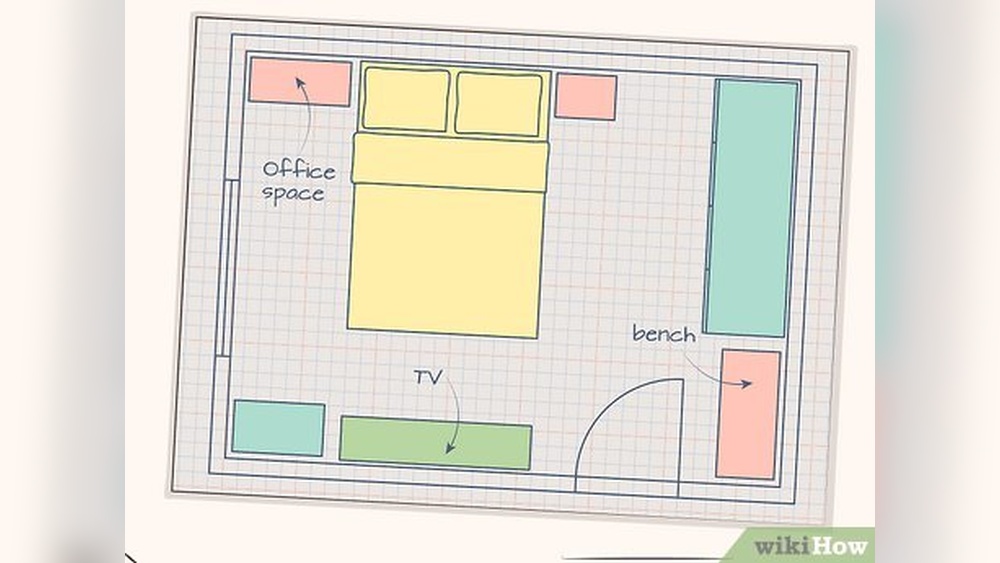
Struggling to fit all your bedroom essentials into a small space without it feeling cramped? You’re not alone.
Arranging furniture in a small bedroom can be tricky, but with the right approach, you can create a room that feels open, functional, and cozy—all at the same time. Imagine waking up every day in a bedroom that not only fits your bed and storage but also flows smoothly and looks inviting.
You’ll discover simple, smart strategies to arrange your furniture so your small bedroom feels bigger and works better for you. Ready to transform your space? Let’s dive in.
Bed Placement
The bed is the largest and most important piece in a small bedroom. Its placement affects the room’s flow and space. Careful positioning helps the room feel open and functional.
Choosing where to place the bed depends on the room’s shape and size. There are simple ways to arrange it that save space and improve comfort.
Longest Wall Positioning
Position the bed against the longest wall to create a balanced look. This placement allows more open floor space for movement. It also makes the room feel wider and less cramped.
Center the bed on the wall to avoid blocking windows or doors. Keep enough space on each side for small nightstands or walking paths.
Corner Placement
Placing the bed in a corner frees up more floor space in the center. This setup works well in very small rooms or irregular shapes. It creates a cozy sleeping nook.
Use the open wall sides for storage or shelves. This arrangement helps keep the room organized and tidy.
Slim Bed Frames
Choose a bed frame with a slim profile to make the room feel larger. Thin frames take up less visual space and allow more floor area. Low-profile frames add a modern, airy look.
Metal or simple wooden frames work well in small rooms. Avoid bulky or heavy designs that crowd the space.
Nightstand Options
Choosing the right nightstand in a small bedroom can save space and keep the room organized. Nightstands hold essentials like lamps, books, and phones. In a small room, bulky furniture makes the space feel crowded. Select nightstand options that are compact but functional. Wall-mounted and slim designs work well. Here are some smart nightstand ideas for small bedrooms.
Wall-mounted Nightstands
Wall-mounted nightstands attach directly to the wall. They free up floor space under the nightstand. This design makes cleaning easier and the room look larger. These nightstands often have a small shelf or drawer. They provide enough room for a lamp and a few items. Choose simple designs to keep the look neat and open.
Floating Shelves
Floating shelves offer a minimalist alternative to traditional nightstands. They mount on the wall beside the bed. These shelves hold small items like phones or books. Floating shelves take up very little space. They keep essentials close without crowding the floor. Pick shelves with built-in cable holes for charging devices.
Thin Desk Alternatives
Thin desks can double as nightstands in small rooms. Look for desks with narrow depths around 12 to 16 inches. These provide surface space for lamps and personal items. Some have drawers or shelves for extra storage. This option works well if you need a workspace too. Position the desk close to the bed to maximize function.
Vertical Space Use
Using vertical space smartly is key in small bedrooms. It frees up floor area and keeps things organized. Vertical storage draws the eye upward, making the room feel bigger. Clever use of height helps avoid clutter and creates a clean look. Here are some simple ways to use vertical space effectively.
Wall-mounted Shelves
Wall-mounted shelves save floor space by holding books and decor. Install them above the bed or desk to keep essentials handy. Open shelves add lightness and prevent the room from feeling boxed in. Use floating shelves to display plants or photos without crowding surfaces.
Tall Narrow Furniture
Tall, slim furniture fits well in tight corners. Bookcases, dressers, or wardrobes with a narrow base use less floor space. This style offers plenty of storage while keeping the room open. Choose pieces that reach close to the ceiling for maximum vertical use.
Mirrors To Enhance Height
Mirrors reflect light and create the illusion of height. Hang a tall mirror vertically to make walls appear taller. Position mirrors across from windows to boost natural light. This simple trick adds depth and openness to small bedrooms.

Credit: www.wikihow.com
Multi-purpose Furniture
Under-bed storage offers a smart solution to save space in a small bedroom. It uses the empty space beneath your bed to keep items organized and out of sight. This method helps reduce clutter and makes the room feel larger. By choosing the right storage options, you can maximize every inch of your room efficiently.
Storage Containers
Storage containers designed for under-bed use are thin and easy to slide in and out. Clear plastic bins allow you to see contents without opening them. Choose containers with wheels for smooth access. Label each box for quick identification. Use these bins to store off-season clothes, extra bedding, or books. This keeps items dust-free and neatly stored away.
Shoe Organization
Under-bed shoe organizers keep footwear tidy and easy to find. Soft fabric organizers with compartments prevent shoes from getting damaged. Transparent shoe boxes also protect and display your shoes. Storing shoes under the bed frees up closet or floor space. This method helps maintain a clean and organized bedroom environment.
Under-bed Storage
Lighting plays a key role in arranging bedroom furniture in a small room. It affects how spacious and cozy the room feels. Good lighting can open up the space and highlight your furniture’s best features. Using smart lighting strategies helps balance function and style in tight areas.
Maximize Natural Light
Natural light makes a small room look larger and more inviting. Keep windows clear of heavy curtains or blinds. Use sheer or light-colored window treatments to let sunlight flow inside. Position your bed or desk near the window to benefit from daylight. Mirrors can reflect natural light to brighten dark corners.
Layered Lighting
Layered lighting adds depth and flexibility to small bedrooms. Combine ambient, task, and accent lighting for a balanced look. Use ceiling lights or flush mounts for general illumination. Add table lamps or wall sconces for reading or work areas. Accent lights highlight artwork or decorative items. This method avoids harsh shadows and creates a warm atmosphere.

Credit: www.youtube.com
Furniture Selection
Traffic flow is key when arranging furniture in a small bedroom. It affects how easy it is to move around without bumping into things. Good traffic flow makes a room feel more open and comfortable. It also helps you use the space better.
Clear Pathways
Keep walking paths clear and wide enough to move easily. Avoid placing furniture in spots where people must squeeze through. Leave at least two feet of space between furniture pieces. This space allows smooth movement and prevents accidents. Arrange furniture so doors and windows open fully without hitting anything.
Avoid Overcrowding
Do not fill every inch of the room with furniture. Too many items make the space look smaller and cluttered. Choose only essential pieces and place them thoughtfully. Use vertical storage to free floor space. Empty areas improve flow and give the room a lighter feel.

Credit: www.youtube.com
Frequently Asked Questions
What Is The Best Way To Arrange Furniture In A Small Bedroom?
Place the bed against the longest wall or corner to save space. Use vertical storage like wall shelves and tall dressers. Choose multifunctional furniture with built-in storage. Keep nightstands small or wall-mounted. Declutter and select light, slim pieces to maintain open flow.
What Is The 2/3 Rule Furniture?
The 2/3 rule in furniture means filling about two-thirds of a room with furniture, leaving one-third open for space. This balance improves flow, prevents clutter, and creates a comfortable, functional living area. It guides optimal furniture placement for aesthetic and practical room design.
What Is The Biggest Mistake In Placement Of Furniture?
The biggest mistake in furniture placement is blocking natural pathways and overcrowding the space, which disrupts flow and usability.
Is There An App That Helps You Rearrange Furniture?
Yes, apps like Roomstyler, Planner 5D, and MagicPlan help you rearrange furniture easily with drag-and-drop features.
Conclusion
Arranging furniture in a small bedroom takes smart planning. Start with placing the bed where it fits best. Use vertical space with shelves and tall furniture. Choose multi-purpose pieces to save floor room. Keep the layout simple for easy movement.
A well-arranged room feels bigger and cozy. Small spaces can be stylish and functional. Try different setups until it feels just right. This way, your small bedroom becomes a comfortable retreat.
