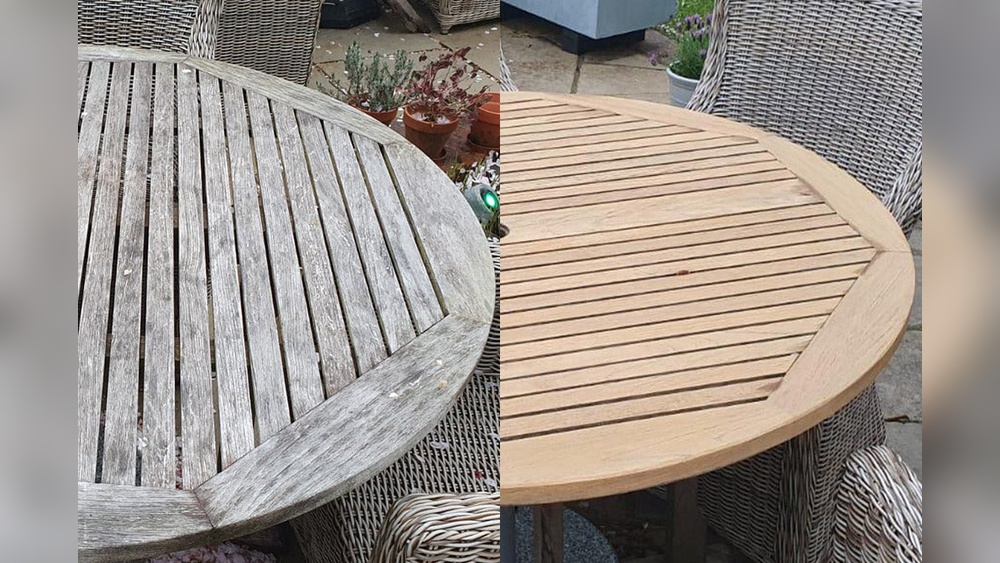
If you want your teak outdoor furniture to look smooth, fresh, and well-maintained, choosing the right grit sandpaper is key. Using the wrong grit can leave scratches or damage the wood’s natural beauty.
But don’t worry—this guide will help you pick the perfect grit sandpaper to restore and protect your teak furniture. By the end, you’ll know exactly how to get that flawless finish you’re aiming for. Keep reading to discover the simple secrets to making your teak furniture shine like new.
Credit: simplifythechaos.com
Teak Furniture And Sanding Basics
Teak outdoor furniture is popular for its beauty and strength. It can last many years with proper care. Sanding is a key part of this care. It helps keep the wood smooth and ready for oil or finish. Sanding also removes old layers and dirt. Understanding how to sand teak furniture is important for good results.
Why Sand Teak Outdoor Furniture
Sanding teak furniture removes rough spots and splinters. It smooths the surface for a better look and feel. Sanding also helps to remove old oil and stains. This lets new oil soak into the wood. Without sanding, the finish may not stick well. Regular sanding keeps teak furniture looking fresh and clean.
Types Of Sandpaper Grits
Sandpaper comes in different grits. The grit number shows how rough or smooth the paper is. Low numbers like 60 or 80 grit are rough. They remove old finish or deep scratches. Medium grits like 120 or 150 are for smoothing the wood. High grits like 220 or 320 finish the surface finely. Start with rough grit and finish with fine grit for best results.
Choosing The Right Grit For Teak
Choosing the right grit sandpaper for teak outdoor furniture is important for a smooth and lasting finish. Teak wood is dense and oily, so sanding helps prepare the surface well. Using the correct grit level makes sanding easier and avoids damage.
Different grits serve different purposes. Coarse grits remove old finishes and rough spots. Medium grits smooth the surface evenly. Fine grits give the final polish and prepare for sealing.
Coarse Grit For Rough Surfaces
Start with coarse grit sandpaper around 60 to 80 grit. It removes dirt, stains, and old varnish quickly. Coarse grit shapes rough patches and deep scratches on teak. Use it carefully to avoid scratching the wood too much.
Medium Grit For Smoothing
Next, switch to medium grit sandpaper, usually 120 to 150 grit. This level smooths out the roughness left by coarse grit. It evens the teak surface without removing too much wood. Medium grit preps teak for a better finish.
Fine Grit For Finishing Touches
Finish with fine grit sandpaper, about 220 to 320 grit. It removes tiny scratches and dust from previous sanding. Fine grit gives teak a soft, polished feel. This grit is perfect before applying oils or sealers.
Step-by-step Sanding Process
Sanding teak outdoor furniture is key to keeping it smooth and beautiful. The process removes old finishes and smooths rough spots. This step-by-step guide shows how to sand teak furniture correctly. Follow each part carefully for the best results.
Preparing The Furniture
Start by moving the furniture to a dry, shaded spot. Clean off dirt and dust with a soft brush or cloth. Remove cushions and any removable parts. Cover plants or nearby items to protect them from dust. Check for nails or screws sticking out and fix them. Prepare your sandpaper: begin with medium grit, like 120 grit.
Sanding Techniques
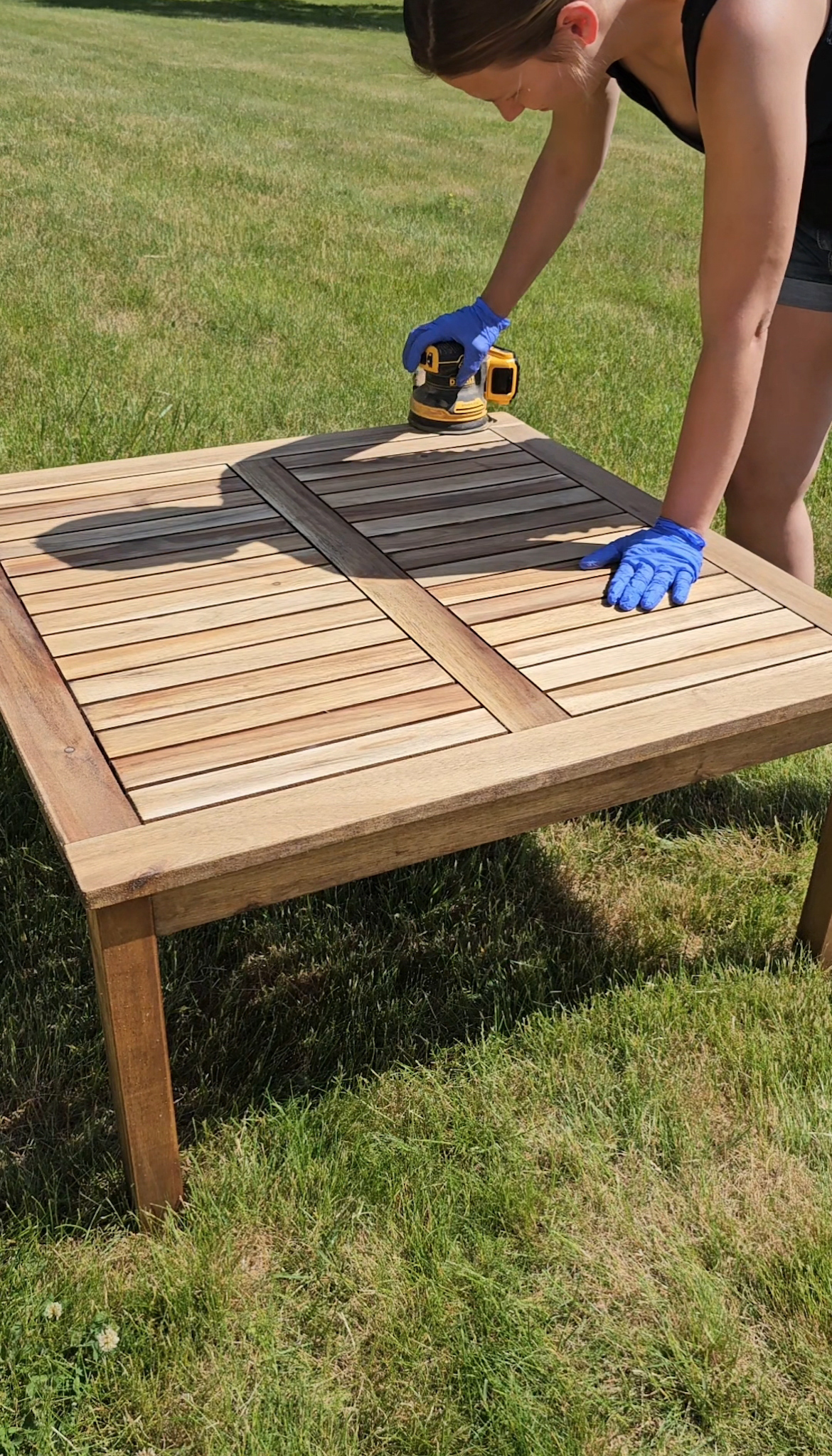
Always sand in the direction of the wood grain. Use even, gentle strokes to avoid scratches. Start with medium grit sandpaper to remove old finish and rough areas. After that, switch to finer grit sandpaper, around 220 grit, to smooth the surface. Use a sanding block or a power sander for flat surfaces. For corners and curves, hand sanding works best. Take breaks to check your progress and avoid over-sanding.
Cleaning After Sanding
Remove dust with a soft brush or vacuum cleaner. Wipe the furniture with a damp cloth to pick up fine dust. Let the furniture dry completely before applying any finish. Clean your sandpaper and tools for future use. Proper cleaning ensures better finish adhesion and a smooth look.
Credit: www.luxushomeandgarden.com
Tips For Long-lasting Teak Finish
Teak outdoor furniture looks beautiful and lasts longer with proper care. Keeping its finish fresh protects the wood from weather and wear. Simple steps help maintain its natural charm and strength. Follow these tips for a long-lasting teak finish that stays smooth and rich.
Sealing And Oiling
Sealing teak stops moisture from soaking into the wood. Use a good teak sealer after sanding with fine grit sandpaper. This creates a barrier against rain and sun. Oiling teak keeps the wood nourished and glowing. Apply teak oil evenly with a soft cloth. Let it soak in for about 15 minutes before wiping off extra oil. Repeat oiling every few months for best results.
Maintenance Tips
Clean teak furniture regularly with mild soap and water. Avoid harsh chemicals that can damage the wood. Use a soft brush to remove dirt and dust. Sand rough spots lightly with fine grit sandpaper before sealing or oiling. Cover furniture during heavy rain or winter. Store indoors if possible to prevent damage. Check for cracks or splinters and fix them early. These small efforts keep teak furniture strong and beautiful for years.
Common Sanding Mistakes To Avoid
Sanding teak outdoor furniture is a delicate task. Mistakes can damage the wood or ruin its natural beauty. Avoiding common sanding errors saves time and effort. It also keeps the wood smooth and ready for finishing. Below are key mistakes to watch out for during sanding.
Using The Wrong Grit Sandpaper
Choosing the wrong grit sandpaper harms teak wood. Coarse grit scratches deeply. Fine grit may not remove old finish or rough spots well. Start with medium grit, like 120, then move to finer grit, like 220. This approach balances efficiency and smoothness.
Sanding Too Aggressively
Pressing hard damages the teak surface. It creates uneven spots and deep scratches. Use light, even strokes instead. Let the sandpaper do the work. Gentle sanding protects the wood grain and keeps the surface smooth.
Skipping Grit Steps
Jumping from coarse to fine grit leaves scratches behind. These scratches show through the finish. Sand gradually through grit sizes. This process ensures a flawless, smooth surface. Patience leads to better results.
Sanding Against The Grain
Sanding across the grain causes visible marks. Always sand in the wood’s grain direction. It helps keep the surface clean and smooth. This method prevents damage and improves the final look.
Not Cleaning Between Sanding
Dust and debris build-up clogs sandpaper quickly. Dirty sandpaper scratches the wood. Clean the surface often with a brush or cloth. This keeps sanding effective and the teak free of scratches.

Credit: www.atlantateak.com
Frequently Asked Questions
What Grit Sandpaper Is Best For Teak Furniture?
Use 120 to 150 grit sandpaper for teak furniture. It smooths the surface without damaging the wood. For rough areas, start with 80 grit and finish with 150 grit for a fine finish.
Can I Use Coarse Grit On Teak Outdoor Furniture?
Coarse grit (below 80) can damage teak wood. It removes old finishes but may leave scratches. Always finish with finer grit to restore smoothness and protect the wood.
How Often Should I Sand Teak Outdoor Furniture?
Sanding teak furniture is recommended every 1 to 2 years. This removes dirt and old oils, keeping the wood smooth and ready for refinishing or oiling.
Is Sanding Necessary Before Oiling Teak Furniture?
Yes, sanding is crucial before oiling teak. It opens wood pores for better oil absorption, enhancing protection and appearance. Use fine grit (120-150) for best results.
Conclusion
Choosing the right grit sandpaper helps keep teak furniture smooth and strong. Start with coarse grit to remove old finishes or rough spots. Then, use finer grit to make the surface soft and ready for oil or varnish. Taking time to sand properly protects the wood from damage and weather.
This simple step keeps your outdoor teak looking great for years. Remember, gentle sanding works best to avoid scratches. Keep your furniture fresh and ready for relaxing days outside.