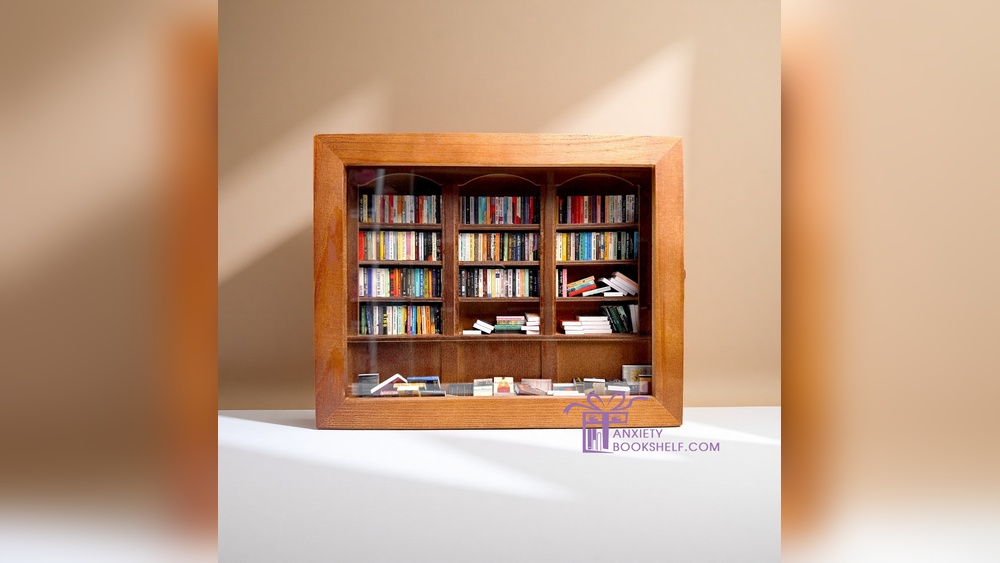
Have you ever felt overwhelmed by anxiety and wished there was a simple way to find comfort and guidance? Imagine having a special collection of books tailored just for you—books that help you understand your feelings and offer practical tools to cope.
That’s exactly what an anxiety bookshelf is all about. It’s more than just a pile of books; it’s your personal toolkit for managing stress and reclaiming calm. Keep reading to discover how creating your own anxiety bookshelf can empower you and transform the way you face everyday challenges.
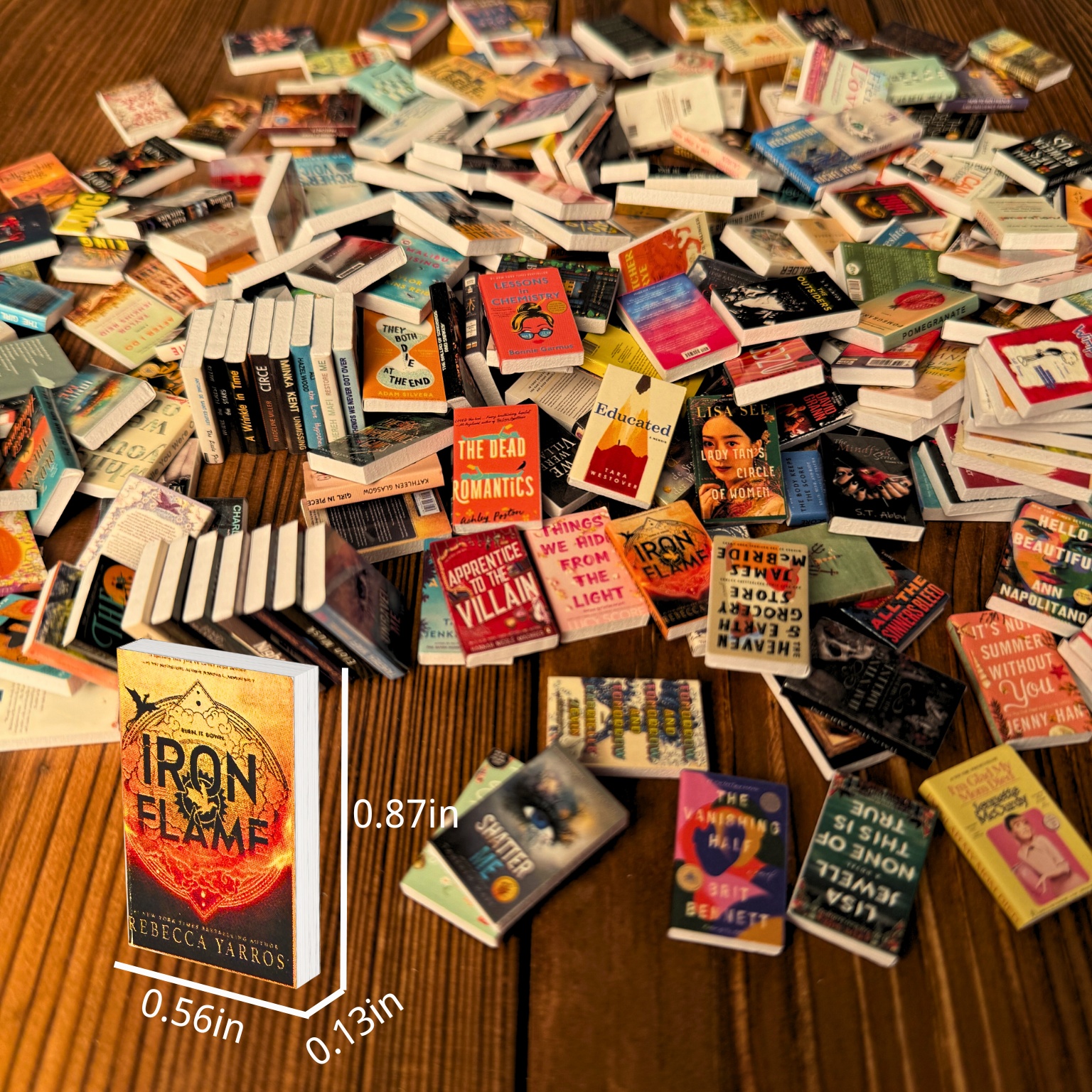
Credit: www.anxietybookshelf.com
Anxiety Bookshelf Basics
An anxiety bookshelf is a collection of books chosen to help manage feelings of anxiety. It offers a calm place to find support and guidance. These books provide understanding, comfort, and practical advice. Building an anxiety bookshelf can be a simple step toward better mental health.
Purpose Of An Anxiety Bookshelf
The main goal of an anxiety bookshelf is to provide easy access to helpful resources. It acts as a tool for learning about anxiety and coping methods. People use these books to feel less alone and gain new ideas to handle stress. It supports self-care and personal growth over time.
How Books Help Manage Anxiety
Books give clear information about anxiety and its effects. They explain feelings and thoughts in a simple way. Reading can calm the mind and lower stress levels. Stories and advice in books offer hope and practical tips. Books create a quiet space for reflection and healing.
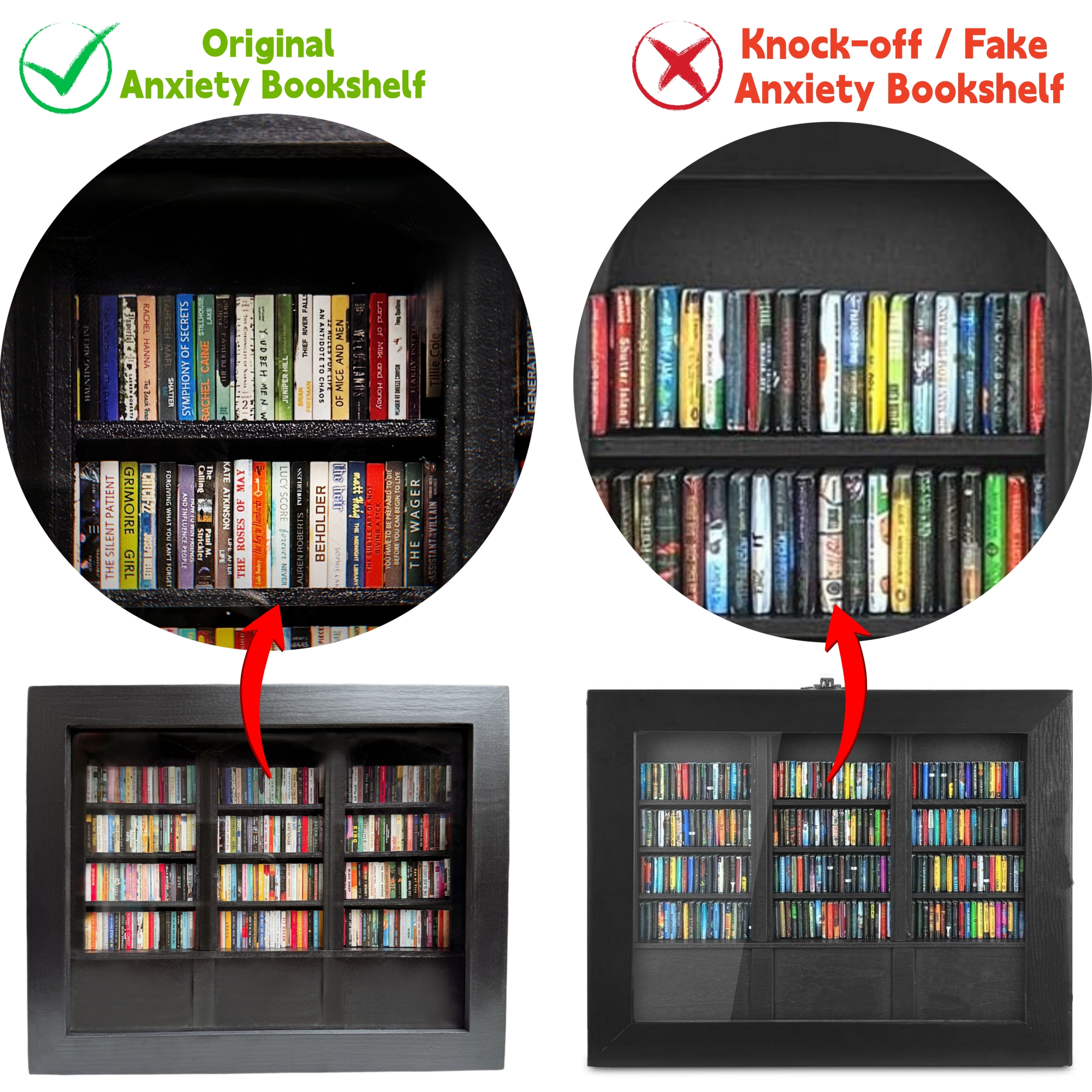
Credit: www.anxietybookshelf.com
Top Books For Calm
Books about calm help people find peace and reduce stress. These books teach simple ways to handle anxiety. They offer tools to relax and feel better every day. Many readers feel more in control after reading them.
Here are some top books for calm, sorted by type. Each group helps in different ways. Pick the style that feels right for you.
Mindfulness And Meditation Guides
Mindfulness books teach how to focus on the present moment. They show easy meditation steps to calm the mind. These guides help reduce worry and bring peace. Readers learn to breathe deeply and stay grounded.
Popular titles explain how small daily habits can change your mood. They make mindfulness simple for beginners and experts alike.
Cognitive Behavioral Therapy Titles
CBT books focus on changing negative thoughts. They teach ways to challenge anxious feelings. These books provide exercises to change the way you think. Readers learn to spot harmful thoughts and replace them with positive ones.
Many CBT books include worksheets and practical tips. They help build mental strength and calm anxiety over time.
Self-help And Personal Growth
Self-help books offer advice on building confidence and resilience. They encourage readers to set goals and face fears. These books inspire positive changes and better self-care habits. Readers find new ways to handle stress and grow emotionally.
They often share stories and simple actions anyone can try. This makes calm feel more achievable every day.
Books For Clarity And Focus
Books for clarity and focus help calm the busy mind. They teach simple ways to stay present and clear. These books guide readers through techniques that reduce noise and stress. This makes it easier to think clearly and act calmly.
Stress Reduction Techniques
Stress reduction books offer practical steps to lower tension. They explain breathing exercises and relaxation methods. These techniques help slow down the heart rate and ease tight muscles. Readers learn how to pause and reset their minds during tough moments.
Simple habits, like mindful breathing and stretching, are easy to practice daily. These small changes can bring big relief from constant stress. Books in this category often include guided exercises and tips for quieting the mind.
Building Emotional Resilience
Books on emotional resilience teach how to cope with challenges. They show ways to stay strong during hard times. Readers discover how to understand their feelings without fear or judgment. This helps build confidence and inner peace.
These books often include stories and examples that inspire hope. They encourage readers to face difficulties with a calm and clear mind. Learning emotional resilience supports better focus and mental clarity every day.
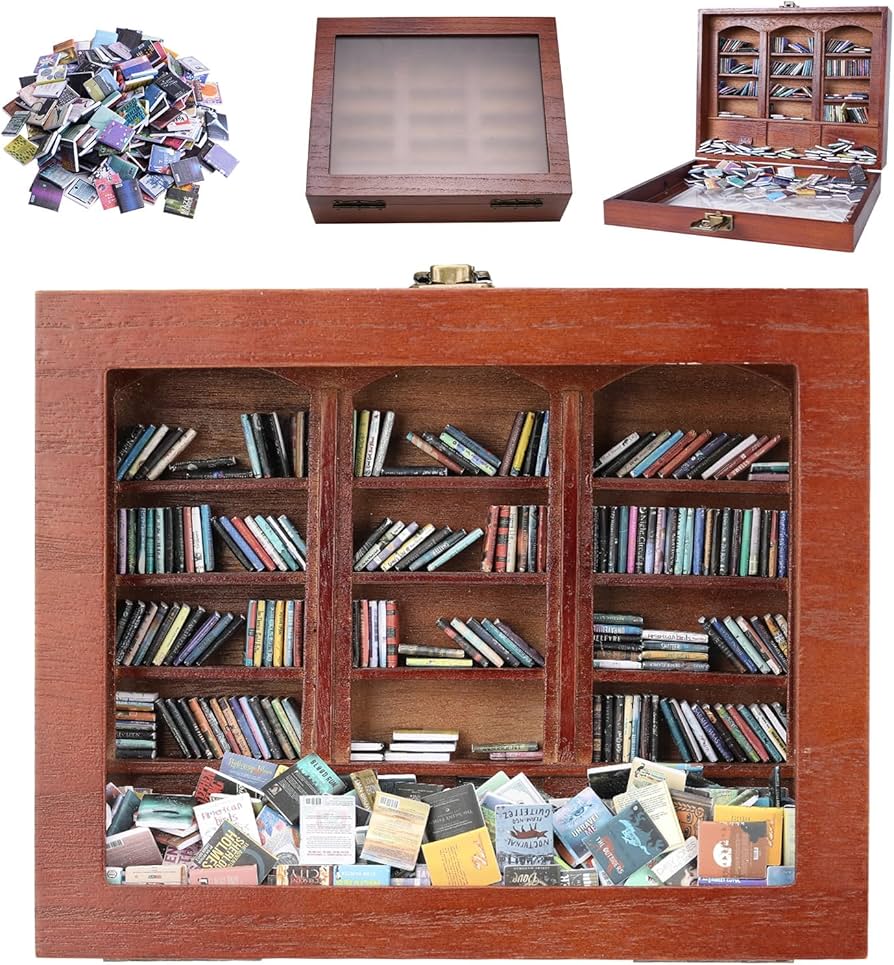
Credit: www.amazon.com
Choosing The Right Books
Choosing the right books for your anxiety bookshelf is important. The right book can offer comfort, advice, and new ways to cope. Each person’s experience with anxiety is unique. Finding books that fit your personal needs helps you get the most from your reading.
Matching Books To Your Needs
Start by thinking about what you want from a book. Do you want practical tips, stories, or scientific explanations? Some books focus on mindfulness and relaxation. Others explain the brain and anxiety’s causes. Pick books that speak to your situation and feelings. It is okay to try different styles. Reading a variety helps you find what works best for you.
Evaluating Author Credibility
Check who wrote the book. Good authors often have experience in psychology or mental health. Look for authors with training or personal experience with anxiety. Check if the book is recommended by experts or trusted sources. Reliable authors provide accurate and helpful information. Avoid books that make unrealistic promises or quick fixes. Trustworthy books guide you gently, not pushy or scary.
Using Your Anxiety Bookshelf Effectively
Using your anxiety bookshelf effectively can help you manage stress better. Books offer guidance, comfort, and new ways to think. To get the most from your collection, you need a plan. This plan helps you read regularly and apply what you learn. It also works best when combined with other support methods.
Creating A Reading Routine
Set a specific time each day to read your anxiety books. This could be morning, afternoon, or before bed. Keep the sessions short, about 10 to 20 minutes. This keeps reading from feeling like a chore. Choose a quiet place where you feel safe and relaxed. Avoid distractions like phones or TV during reading time. Consistency helps build a habit and improves understanding. Write notes or highlight parts that feel important. This makes it easier to remember and use later.
Combining Books With Other Therapies
Books work well alongside other therapies for anxiety. Talk therapy, medication, or meditation can add more support. Use the books to better understand your feelings and therapy goals. Share insights from your reading with your therapist. This can make your sessions more focused and helpful. Practice exercises or techniques from books outside therapy. This strengthens your coping skills daily. Mixing reading with other methods creates a stronger, balanced approach to anxiety.
Digital Vs Print Anxiety Books
Anxiety books come in two main forms: digital and print. Each type offers unique experiences for readers seeking comfort and knowledge. Choosing between them depends on personal preference and lifestyle. Both formats can support mental health well.
Benefits Of E-books
E-books are easy to carry anywhere. You can store many anxiety books on one device. This saves space and weight. Adjusting font size helps readers with eye strain. Night mode reduces blue light for better sleep. Instant downloads mean no waiting time. Search functions allow quick topic finding. Some apps include notes and highlights. E-books often cost less than print books.
Advantages Of Physical Copies
Physical books offer a tactile experience. Holding a book feels comforting for many people. The smell and texture can soothe anxiety. No screen time reduces eye fatigue. Sharing or gifting physical books feels more personal. Reading print books removes digital distractions. It is easier to flip pages back and forth. Some find better focus with physical copies. Collecting books creates a calming, peaceful space.
Frequently Asked Questions
What Is An Anxiety Bookshelf?
An Anxiety Bookshelf is a curated collection of books focused on understanding and managing anxiety. It includes self-help guides, psychology insights, and personal stories. This collection aims to educate and support those dealing with anxiety, providing tools for coping and improving mental health.
Why Create An Anxiety Bookshelf At Home?
Creating an Anxiety Bookshelf at home offers easy access to valuable resources. It encourages regular reading and learning about anxiety management. This personal library supports mental wellness by providing practical strategies and emotional comfort whenever needed.
Which Books Belong On An Anxiety Bookshelf?
Books on an Anxiety Bookshelf typically cover anxiety symptoms, coping techniques, and mindfulness. Recommended titles include cognitive-behavioral therapy guides, meditation manuals, and inspiring memoirs. These books help readers understand anxiety and develop effective ways to reduce stress.
How Can An Anxiety Bookshelf Help With Stress?
An Anxiety Bookshelf provides knowledge and tools to manage stress effectively. Reading calming techniques and therapy methods promotes relaxation and resilience. It empowers individuals to recognize anxiety triggers and apply practical solutions for better mental health.
Conclusion
An anxiety bookshelf offers helpful tools for managing stress and worry. It holds books that explain feelings clearly and gently. These books guide readers through understanding anxiety better. They provide simple steps to feel calmer every day. A good anxiety bookshelf supports mental health and growth.
Everyone can benefit from reading and learning this way. Keep your shelf updated with new helpful titles. Small steps in reading can lead to big changes. Your anxiety bookshelf becomes a quiet friend in tough times.