Are you thinking about adding a bunk bed to your home but unsure if it will fit your space? Knowing the average height of a bunk bed can help you make the best choice for comfort and safety.
Whether it’s for your child’s room, a guest space, or a shared bedroom, understanding this key detail ensures you avoid surprises like hitting your head or feeling cramped. Keep reading to discover what the typical bunk bed height is and how it can impact your room setup.
This simple knowledge could save you time, money, and frustration.

Credit: www.ikea.com
Standard Bunk Bed Heights
Bunk beds save space and add fun to any room. Knowing their height helps you plan your space well. Standard bunk bed heights vary but usually stay within a common range. This section explains typical heights and factors that change them.
Typical Dimensions
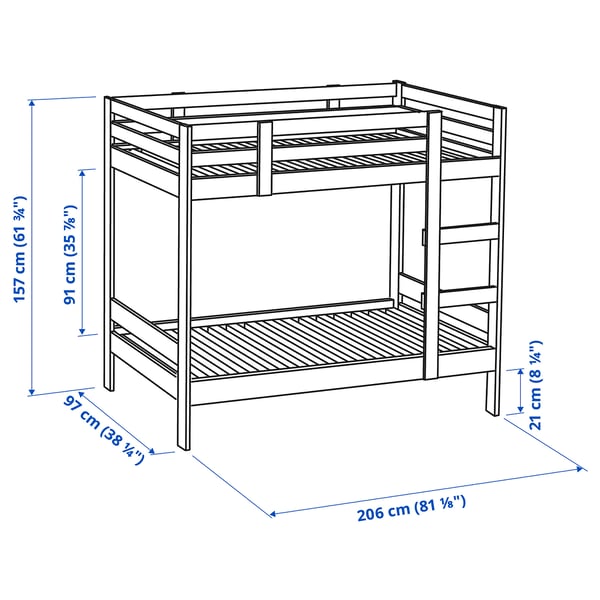
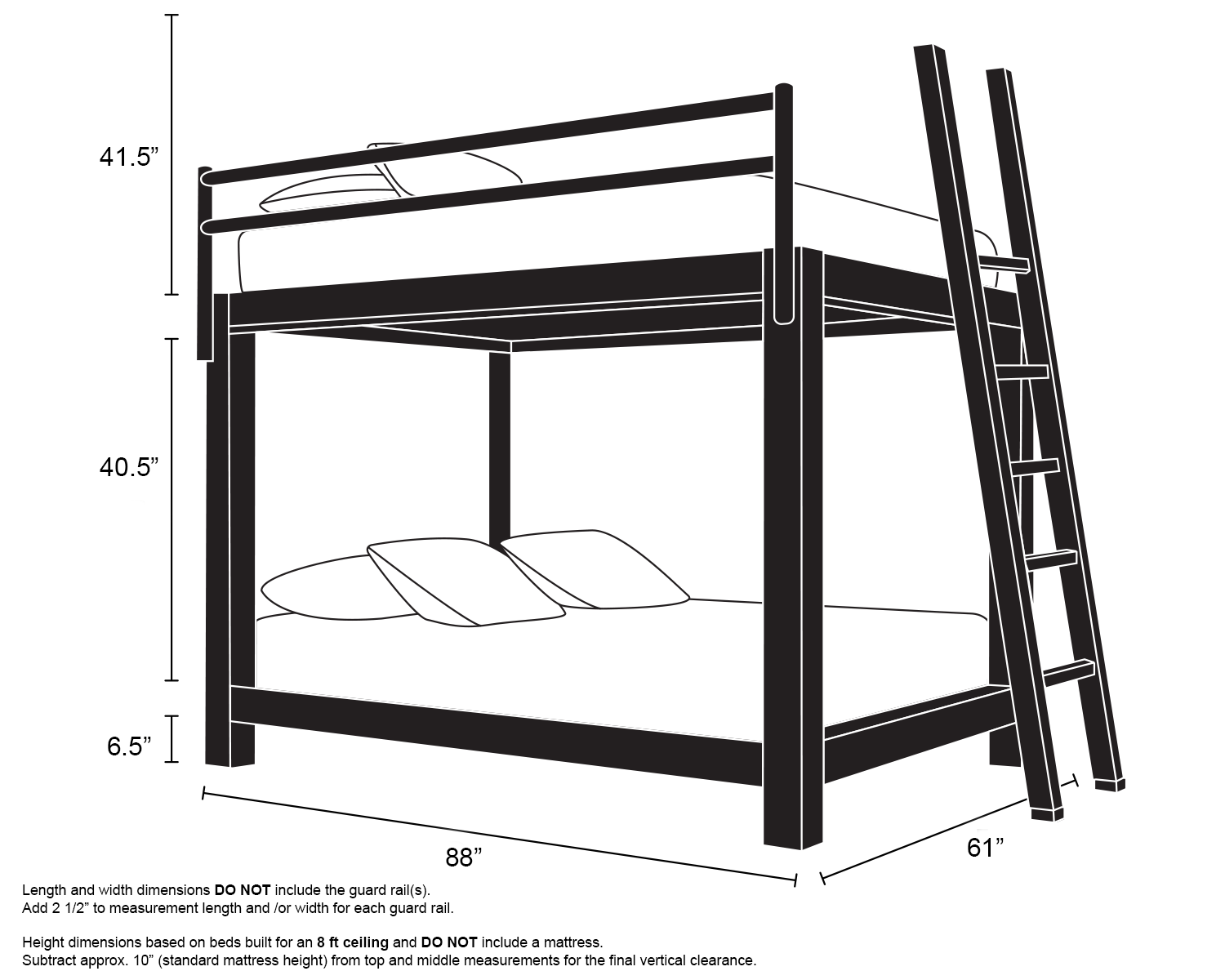
The average height of a standard bunk bed is about 60 to 65 inches. This height fits most room ceilings comfortably. It allows enough space for the top bunk sleeper to sit up safely. The space under the bottom bunk is usually around 7 to 10 inches.
Variations By Design
Different bunk bed styles change the height. Loft beds with desks below are taller than regular bunk beds. Twin-over-full bunk beds may also be higher to fit a larger bottom mattress. Some designs include guardrails or ladders that add extra height.
Impact Of Mattress Thickness
Mattress thickness affects the total bunk bed height. Thicker mattresses raise the top bunk closer to the ceiling. Thin mattresses keep the bed lower and safer for kids. It is important to choose mattress thickness that fits the bed frame well.
Factors Affecting Bunk Bed Height
The height of a bunk bed depends on several important factors. These factors help choose the right bunk bed for safety and comfort. Understanding them ensures the bed fits well in the room and suits the users.
Ceiling Clearance
Ceiling clearance is the space between the top of the bunk bed and the ceiling. A good clearance prevents hitting the head when sitting up. Most rooms need at least two feet of clearance above the top bunk. Low ceilings may require shorter bunk beds or loft beds.
Age And User Height
The age and height of the users affect bunk bed height. Kids need shorter beds with guardrails for safety. Adults or taller children require taller beds with more headroom. The top bunk should have enough space for sitting and moving comfortably.
Room Size And Layout
Room size limits the bunk bed height and style. Small rooms may need compact or low-profile bunk beds. The bed must fit without blocking doors or windows. The layout also affects how easy it is to climb and use the bed safely.
Types Of Bunk Beds By Height
Bunk beds come in different heights to fit various needs and spaces. Choosing the right height matters for comfort and safety. Some bunk beds are low to the ground, while others reach high up. Understanding the types by height helps pick the best fit for your room.
Low Profile Bunks
Low profile bunk beds are close to the floor. They usually stand around 4 to 5 feet tall. These beds suit small rooms or younger children. The low height makes climbing easier and safer. They also fit well under sloped ceilings or lofts.
Standard Height Bunks
Standard height bunk beds measure about 5.5 to 6.5 feet tall. This is the most common size for bunk beds. They provide enough space for two beds stacked comfortably. These beds fit most rooms with normal ceiling height. They balance space-saving and ease of use well.
Loft And High Bunks
Loft and high bunk beds stand taller than 6.5 feet. Loft beds have a raised top bed with space underneath. This space can be used for desks or storage. High bunks often need rooms with higher ceilings. They offer more room underneath but require careful climbing safety.
Credit: www.ikea.com
Safety Considerations
Safety is the top priority with bunk beds. These beds have a higher structure, which can pose risks. Knowing safety factors helps keep children safe and comfortable. This section explains the key safety points to consider.
Guardrails And Headroom
Guardrails stop children from falling out of the top bunk. They should cover the full length of the bed. The rails must be high enough for protection but not block the view. Headroom is the space between the top bunk and the ceiling. Enough headroom prevents bumps and makes climbing easier.
Ladder Placement
The ladder should be easy to reach and climb. It must be sturdy and fixed to the bed frame. A ladder with wide steps offers more safety. Avoid ladders that are too steep or slippery. Place the ladder where it does not block room space or doors.
Weight Limits
Every bunk bed has a weight limit. This limit includes the mattress and the person’s weight. Exceeding the limit can cause the bed to break. Check the manufacturer’s weight guidelines before use. Use beds designed for the age and size of the sleeper.
Customizing Bunk Bed Height
Customizing bunk bed height helps fit rooms better. It also makes beds safer and more comfortable. Different spaces need different heights. Kids, teens, or adults use bunk beds too. Adjusting height can give more headroom or save space. Many ways exist to change bunk bed height.
Adjustable Frames
Adjustable frames allow easy height changes. Some bunk beds come with frames you can move. You can raise or lower the top bed. This keeps the bed stable and safe. Adjustable frames fit many room sizes. They give flexibility as kids grow.
Diy Modifications
DIY modifications let you change height yourself. Adding or removing bed slats can help. Changing ladder position may also adjust height. Use strong materials to keep the bed safe. Measure carefully before making changes. DIY work saves money and customizes well.
Professional Custom Builds
Professional custom builds create perfect bunk beds. Experts design beds to fit exact room size. They ensure strong and safe construction. Custom builds can include special height needs. This option is best for unique rooms. Professionals use quality materials and tools.
Choosing The Right Height For Your Needs
Choosing the right height for your bunk bed is important for safety and comfort. The height affects how easy it is to climb, how much space you save, and how the bed fits your room. Understanding different needs helps pick the best option.
Children Vs Adults
Bunk beds for children are usually lower to keep them safe. A lower height reduces the risk of falls. For adults, higher beds give more room underneath. Adults need strong, stable beds with enough headspace.
Space Optimization
Choosing the right height helps save space in small rooms. Taller bunk beds allow for desks or storage underneath. Lower beds fit better in rooms with low ceilings. Measure your room height before choosing.
Future Flexibility
Think about how the bed might be used later. Adjustable or modular beds grow with your family. A bed that can change height offers more options. This helps avoid buying a new bed soon.
Credit: adultbunkbeds.com
Frequently Asked Questions
What Is The Average Height Of A Standard Bunk Bed?
The average height of a standard bunk bed ranges from 5. 5 to 6 feet. This measurement allows enough space for an adult to sit up comfortably on the bottom bunk. Heights vary depending on the design and manufacturer.
How Much Space Is Needed Above A Bunk Bed?
Typically, at least 33 to 36 inches of clearance is recommended between the top bunk mattress and the ceiling. This ensures enough headroom for the person sleeping on the top bunk to sit up safely and comfortably.
Are Bunk Beds Suitable For Low Ceiling Rooms?
Bunk beds can fit low ceiling rooms if they are designed with a lower height. Loft beds or low-profile bunk beds are ideal options, providing extra floor space without causing headroom issues.
What Height Is Safe For Children’s Bunk Beds?
Children’s bunk beds usually have a height of about 5 to 5. 5 feet. This ensures safety and comfort, while guardrails and secure ladders minimize the risk of falls. Always check manufacturer guidelines for safety standards.
Conclusion
Bunk beds usually range from 5 to 6 feet tall. This height fits most rooms and keeps kids safe. Knowing the average height helps with room planning. It also guides you in choosing the right bed. Always measure your room before buying a bunk bed.
Safety and comfort matter the most. A good bunk bed gives space and fun for kids. Keep these points in mind for a smart choice.