Are you planning to buy or build a bookshelf but unsure about the right depth to choose? Getting the depth of a standard bookshelf just right can make a huge difference in how your books fit and how your space looks.
Too shallow, and your favorite novels might stick out awkwardly. Too deep, and you could lose valuable room in your home. You’ll discover exactly what the standard bookshelf depth is and why it matters for your collection and your space.
Keep reading to make sure your bookshelf is perfect for your needs.

Credit: www.dimensions.com
Standard Bookshelf Depths
Bookshelves come in many sizes, but depth is a key factor. Depth affects how many books fit on a shelf. It also influences the shelf’s overall look and use.
Choosing the right depth depends on what you want to store. Different books and items need different depths. Understanding common depths helps you pick the best shelf for your space.
Common Depth Measurements
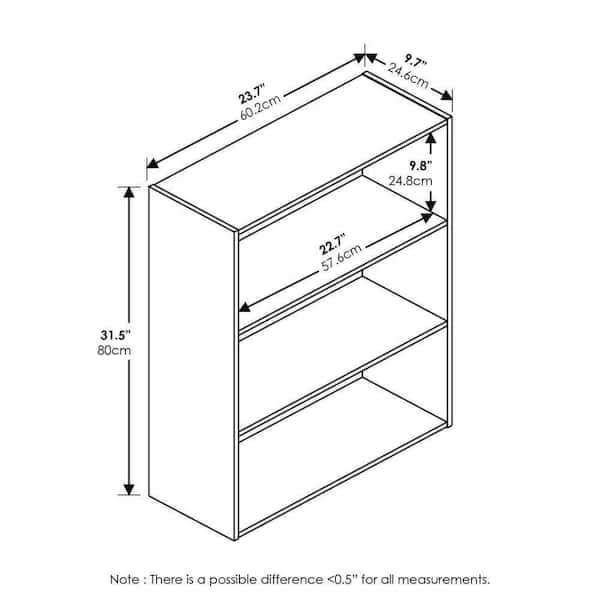
Most standard bookshelves have a depth between 10 and 12 inches. This size fits most paperbacks and standard hardcovers well. It also gives enough space for the book’s spine and some extra room.
Shallow shelves around 6 to 8 inches deep work for small books or decorative items. Deeper shelves, 14 inches or more, hold larger books or boxes. These sizes suit oversized art books or storage bins.
Variations By Bookshelf Type
Wall-mounted shelves tend to be shallower to save space. They usually measure 6 to 8 inches deep. This depth keeps the shelf light and less bulky on the wall.
Freestanding bookshelves vary more in depth. Traditional models often stick to 10 to 12 inches. However, some units go deeper for extra storage or special uses. Corner shelves and cube shelves also have unique depths based on design.
Credit: www.homedepot.com
Factors Influencing Bookshelf Depth
The depth of a bookshelf depends on several key factors. These factors help decide the right size for storing your books comfortably. It also affects how well the bookshelf fits in your room. Understanding these elements helps you choose the best bookshelf depth for your needs.
Book Sizes And Storage Needs
Books come in many sizes. Some are thin paperbacks. Others are large, heavy volumes. Deeper shelves hold bigger books safely. Shallow shelves work well for small books. Think about the types of books you own. This guides the depth needed to store them properly.
Room Space And Placement
Room size limits shelf depth. Narrow spaces call for slim shelves. Wide rooms allow deeper options. Placement matters too. A shelf near a walkway needs less depth. This keeps the path clear and safe. Choose depth that fits your room shape and use.
Shelf Material And Construction
Thicker materials take more space. Solid wood shelves may need extra depth for strength. Lightweight materials allow for thinner shelves. Strong construction supports heavier books. The shelf’s design influences its depth and durability. Match material and depth for the best balance.
Depth Recommendations By Book Type
Choosing the right depth for your bookshelf depends on the type of books you want to store. Different books have different sizes and shapes. Matching shelf depth with book type helps keep your collection neat and accessible. It also protects your books from damage and makes the shelf look balanced.
Novels And Paperbacks
Novels and paperbacks usually fit well on shelves with a depth of 6 to 8 inches. Most paperbacks are slim and easy to stack. A shallow shelf keeps these books upright and easy to grab. It saves space and looks tidy on walls or in small rooms.
Large Art And Coffee Table Books
Large art and coffee table books need deeper shelves. A depth of 12 to 15 inches works best. These books are often wider and heavier than novels. Deeper shelves give enough room to store them flat or standing. This prevents the covers from bending or warping.
Textbooks And Reference Volumes
Textbooks and reference volumes tend to be thick and tall. A shelf depth of 10 to 12 inches is ideal. This size supports the weight of heavy books. It also allows easy access to frequently used volumes. Sturdy shelves with proper depth keep these books safe and organized.
Customizing Bookshelf Depth
Customizing bookshelf depth lets you tailor storage to your needs. Depth affects the type and size of items you can store. A deeper shelf holds large books or decor. A shallow shelf fits small paperbacks or photo frames. Choose depth based on your room space and what you want to keep. Adjusting depth helps create a balanced look and practical use.
Adjustable Shelves
Adjustable shelves offer flexibility in storage. You can change shelf height and sometimes depth. This helps fit books of different sizes. Adjustments prevent wasted space. Some models allow moving shelves forward or backward. This feature makes your bookshelf more useful over time. It adapts as your collection grows or changes.
Built-in Vs Freestanding Options
Built-in bookshelves are fixed and often deeper. They use wall space efficiently and look neat. Depth can be customized during installation. Freestanding shelves come in standard depths and are easy to move. They suit renters or those who like to rearrange rooms. Choose built-in for a permanent solution. Pick freestanding for flexibility and portability.
Measuring And Planning Your Bookshelf
Measuring and planning your bookshelf is the first step to a perfect fit. Accurate measurements help avoid mistakes and wasted space. Planning helps you use the shelf efficiently for your books and items.
Take your time to measure carefully. Think about the space where the bookshelf will go. Consider the size and number of books you want to store. This way, your bookshelf will be both useful and neat.
Tools Needed For Accurate Measurement
Use a tape measure for precise length and width. A pencil and paper help note down your measurements. A level tool ensures shelves are straight and even. A ruler is useful for smaller details. These simple tools make measuring easier and more accurate.
Tips For Maximizing Storage Efficiency
Choose a bookshelf depth that fits your book sizes. Standard depth is usually 10 to 12 inches. Use adjustable shelves to fit different book heights. Store larger books on lower shelves for stability. Keep some space for decor or small items. This makes your bookshelf look tidy and organized.
Popular Bookshelf Depths In Retail
Bookshelves come in many depths, but some sizes appear most in stores. These popular depths suit many types of books and rooms. Understanding these sizes helps you choose the right shelf easily.
Retailers stock shelves that fit most book sizes and common spaces. This keeps options simple and practical for buyers. The depth of a bookshelf affects how books fit and how the shelf looks in a room.
Standard Depths In Stores
Most bookshelves in stores have depths between 10 and 12 inches. This range fits most paperback and hardcover books. A 10-inch depth holds standard novels and textbooks well. Twelve inches is common for larger books and decorative items.
Some shelves go as shallow as 8 inches. These work for small spaces or narrow books. Deeper shelves, around 14 to 16 inches, appear less often. They fit large art books or storage boxes. Choosing a standard depth makes your shelf more flexible for different uses.
Trends In Bookshelf Design
Modern designs often feature slimmer shelves for a cleaner look. Shallow shelves around 8 to 10 inches are popular for small apartments. Open-style shelves with less depth create a light, airy feel. Some designs mix depths to add visual interest.
Deeper shelves still appear in rustic or traditional styles. These allow stacking books two rows deep. Adjustable shelves are trending too. They let you change depth to fit various items. Overall, shelf depth balances style, function, and space.

Credit: www.dimensions.com
Frequently Asked Questions
What Is The Standard Depth Of A Bookshelf?
The standard bookshelf depth is usually 10 to 12 inches. This size fits most books comfortably and allows for stable shelving. It balances storage space with room efficiency, making it ideal for home and office use.
Why Is Bookshelf Depth Important?
Bookshelf depth determines the types of books it can hold securely. A shallow shelf may not support larger books, while a deep shelf wastes space. Correct depth ensures better organization and prevents books from falling.
Can Bookshelf Depth Vary By Book Type?
Yes, depth varies based on book size. Novels often fit in 8-10 inch deep shelves. Larger art or coffee table books require 12-15 inches. Choosing the right depth improves storage and accessibility.
How Does Depth Affect Bookshelf Stability?
Deeper shelves provide better weight distribution and stability. Shallow shelves risk tipping when loaded unevenly. Proper depth helps maintain shelf balance and protects books from damage.
Conclusion
A standard bookshelf depth usually ranges from 10 to 12 inches. This size fits most books and keeps shelves neat. Choosing the right depth helps store books without damage. It also makes your space look organized and clean. Remember, knowing the depth guides you in buying or building shelves.
Use this info to pick shelves that match your needs. Simple and practical.