Are you wondering how a console table is different from a sofa table? At first glance, they might look alike, but knowing the key differences can help you choose the perfect piece for your space.
Whether you want to add style, storage, or functionality, understanding these tables will make your decision easier. Keep reading to discover what sets them apart and find out which one fits your home best.

Credit: flowyline.com
Console Table Basics
A console table is a slim, narrow table designed to fit against a wall. It often sits in hallways, living rooms, or entryways. Console tables help organize small spaces and add style without taking much room. They can hold keys, lamps, or decorative items. Understanding the basics of console tables helps you choose the right one for your space.
Console tables come in many shapes and sizes. Their design focuses on both function and style. They usually have a simple structure and clean lines. This makes them versatile for many home decors.
Typical Dimensions
Console tables usually measure 28 to 36 inches in height. Their length ranges from 30 to 60 inches. Depth is often between 12 and 18 inches. This slim profile allows them to fit in narrow spaces easily.
Common Materials
Wood is the most popular material for console tables. It offers warmth and durability. Metal frames add a modern or industrial look. Glass tops bring a sleek and light feel. Some tables combine materials for a unique style.
Popular Styles
Traditional console tables have carved details and rich finishes. Modern styles focus on clean lines and minimal design. Rustic tables show natural wood and rough textures. Mid-century styles feature tapered legs and simple shapes.
Sofa Table Essentials
A sofa table is a narrow table placed behind a sofa or against a wall. It offers a spot for lamps, decor, or small storage. This table adds style and function to living rooms.
Understanding key features helps you pick the right sofa table. Consider size, shape, materials, and design. Each element affects how the table fits your space and style.
Size And Shape
Sofa tables are slim and long, usually narrower than console tables. Their height matches the back of the sofa for easy reach. Shapes include straight, curved, or with rounded edges.
Choose a size that fits behind the sofa without crowding. The length should span most of the sofa’s width. Small spaces call for compact tables or those with open legs.
Material Choices
Wood is the most common material for sofa tables. It brings warmth and natural beauty. Metal frames add a modern touch and offer strength. Glass tops create a light, airy feel.
Consider durability and style when picking materials. Some tables mix wood and metal for contrast. Choose finishes that match your room’s decor and resist wear.
Design Variations
Sofa tables come in many designs, from traditional to contemporary. Some have shelves or drawers for extra storage. Others focus on clean lines and minimalism.
Look for designs that fit your needs. Open designs keep the room feeling spacious. Decorative legs or details add character without bulk.
Placement And Function
Understanding the placement and function of console and sofa tables helps you use space well. Each table fits specific areas and serves different purposes. Knowing where to place them and how they work can improve your room’s look and feel.
Where To Position Console Tables
Console tables usually sit against a wall. You can place them in an entryway, hallway, or behind a sofa. They work well as a spot for keys, mail, or decorative items. Their narrow design makes them perfect for tight spaces.
Ideal Spots For Sofa Tables
Sofa tables go behind a sofa or couch. They create extra surface area for lamps, drinks, or books. These tables also help divide open spaces or add style to a living room. Their length fits well with the back of a sofa.
Functional Differences
Console tables focus on decoration and small storage. Sofa tables offer more surface space for daily use. Consoles often act as accent pieces, while sofa tables support living room activities. Each has a distinct role in your home.
Decor And Usage
Console tables and sofa tables both enhance room decor and offer useful functions. Each has unique styling and practical roles that suit different spaces. Understanding these differences helps in choosing the right table for your home.
Styling Console Tables
Console tables often stand against walls in entryways or hallways. They showcase decorative items like lamps, vases, or picture frames. Their narrow shape fits small spaces without crowding. Console tables create a welcoming look and add height to room decor.
Decorating Sofa Tables
Sofa tables sit behind couches, linking seating areas. They hold items like books, drinks, or small plants. Their length matches the sofa’s width, balancing the room’s design. Sofa tables also provide surface space without blocking walkways.
Practical Uses
Console tables serve as catch-all spots for keys or mail near doors. They can hold lighting to brighten dark corners. Sofa tables offer easy access to snacks or remotes while sitting. Both tables improve organization and add style to living spaces.
Choosing Between The Two
Choosing between a console and a sofa table depends on your room and needs. Both tables have unique features that fit different spaces and styles. Understanding these differences helps you pick the best option for your home.
Space Considerations
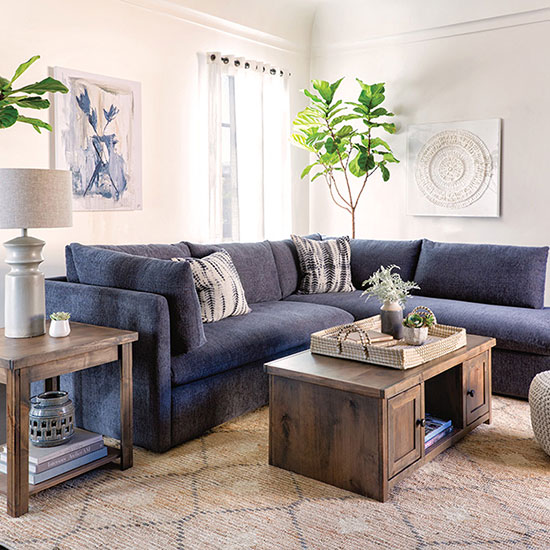
Console tables are usually narrow and tall. They fit well in small hallways or tight spaces. Sofa tables are longer and lower. They work best behind a sofa or along a large wall. Measure your space before choosing. This avoids buying a table that feels too big or small.
Purpose And Use
Console tables often serve as a display area for decorations or keys. They can also hold lamps or small items. Sofa tables offer more surface area. Use them to hold drinks, books, or remote controls. Consider what you want the table to do daily. This guides your choice between the two.
Aesthetic Preferences
Console tables come in many styles, from modern to classic. Their slim shape adds elegance to a room. Sofa tables tend to be more casual and practical. They create a cozy atmosphere behind a sofa. Pick a style that matches your room’s look. Think about the colors and materials you like.
Credit: www.livingspaces.com

Credit: wildfireinteriors.com
Frequently Asked Questions
What Is A Console Table Used For?
A console table is a narrow, decorative piece often placed against a wall. It holds decor, lamps, and small items in entryways or living rooms. It adds style and function without taking much space.
How Does A Sofa Table Differ From A Console?
A sofa table is designed to sit behind a sofa. It is usually longer and narrower than a console. Its primary function is to hold lamps, drinks, or decor while complementing the sofa.
Can A Console Table Be Used As A Sofa Table?
Yes, many consoles are versatile enough to be used as sofa tables. However, the size and height must fit well behind the sofa for comfort and style.
Which Table Is Better For Small Spaces?
Console tables are better suited for small spaces. They are narrow and fit easily in tight spots like hallways and entryways. Sofa tables need more room behind seating.
Conclusion
Console tables and sofa tables serve different purposes in your home. Console tables are narrow and often placed against walls. Sofa tables are longer and sit behind sofas. Both add style and function to rooms. Choose based on space and use.
Remember, understanding their differences helps you decorate better. Simple choices can change your room’s look. Keep these tips in mind when selecting your furniture. Your space will feel organized and inviting.