Choosing the right material for your outdoor furniture can make all the difference in how long it lasts and how great it looks. You want something that can handle sun, rain, and wind without losing its charm.
But with so many options out there, how do you know what’s best for your space? This guide will help you discover which materials are tough, stylish, and perfect for your outdoor setup. Keep reading, and you’ll soon find the perfect match that fits your needs and makes your outdoor area inviting year-round.
Credit: vevano.com
Durability Factors For Outdoor Furniture
Choosing the right material for outdoor furniture depends a lot on its durability. Furniture must stand up to sun, rain, wind, and other outdoor elements. Understanding durability factors helps pick materials that last longer and stay attractive.
Durability includes how well the furniture resists weather, how much care it needs, and how long it keeps its shape and look. These factors affect your comfort, cost, and satisfaction.
Weather Resistance
Good outdoor furniture materials resist water and sun damage. Rain can cause rust or rot. Sunlight can fade colors and weaken materials. Some materials like teak wood and aluminum handle weather well. Synthetic wicker also resists moisture and UV rays. Weather resistance prevents quick wear and keeps furniture usable.
Maintenance Needs
Low maintenance furniture saves time and effort. Materials like metal and plastic require little cleaning. Wood may need oil or sealant to stay strong. Some fabrics resist stains and dry fast. Easy maintenance means furniture looks good without much work. Choose based on how much care you can give.
Longevity And Wear
Durable furniture stays sturdy and comfortable for years. Strong materials resist dents, scratches, and cracks. Longevity depends on quality and how it handles outdoor stress. Regular care helps but good materials last longer naturally. Think about how long you want the furniture before buying.
Credit: www.kingliving.com
Top Materials For Outdoor Furniture
Choosing the right material for outdoor furniture is key for long-lasting use. Some materials resist weather better than others. This helps your furniture stay nice through sun, rain, and wind. Below are popular materials used for outdoor furniture. Each has good points to consider.
Teak Wood
Teak wood is strong and very durable. It handles rain and sun without warping. The wood has natural oils that protect it from decay. Over time, teak turns a soft silver color. It needs little maintenance to keep its beauty.
Aluminum
Aluminum is lightweight and does not rust. It is easy to move and clean. The metal can be painted any color. Aluminum furniture often has a modern look. It holds up well in many weather conditions.
Wicker And Rattan
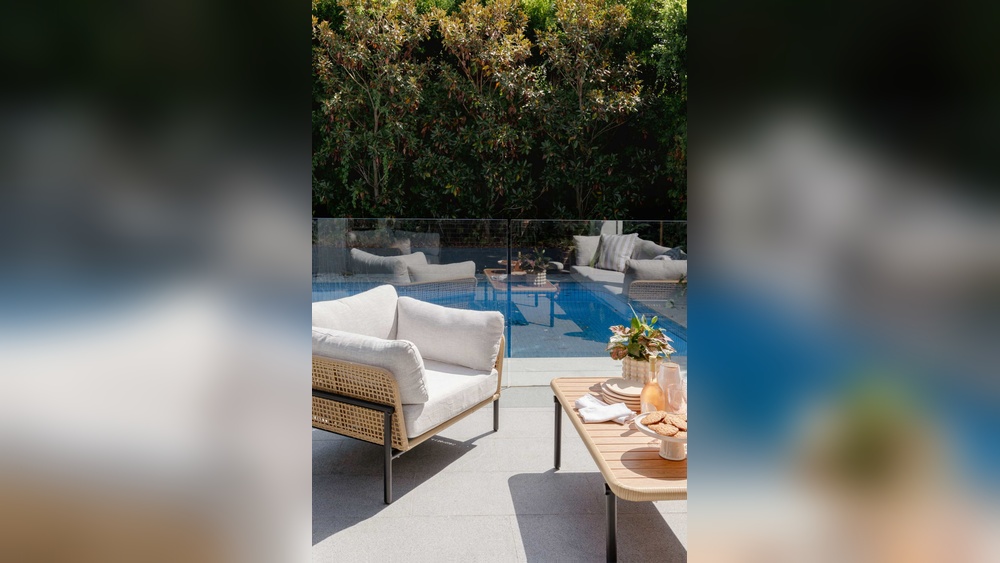
Wicker and rattan offer a natural, cozy style. Synthetic versions resist water and sun damage. They are light and easy to carry. These materials add warmth to outdoor spaces. Regular cleaning keeps them looking fresh.
Steel
Steel is very strong and stable. It can support heavy weight without bending. Steel furniture is heavy, so it stays put in wind. Powder-coated steel resists rust and scratches. It suits industrial and classic outdoor designs.
Plastic And Resin
Plastic and resin furniture is affordable and weatherproof. These materials do not absorb water or fade easily. They come in many shapes and colors. Plastic furniture is light and easy to store. Perfect for casual outdoor areas.
Concrete
Concrete furniture is solid and highly durable. It can last many years without damage. The material stays cool even in hot sun. Concrete gives a modern, sleek look. It is heavy and usually stays in one place.
Pros And Cons Of Each Material
Choosing the right material for outdoor furniture is important. Each material offers different benefits and drawbacks. Knowing these helps you pick the best fit for your space and needs. This section explains the pros and cons of common outdoor furniture materials.
Strength And Stability
Metal furniture is strong and lasts long. It can hold a lot of weight without bending. Wood offers solid stability but may weaken over time if not treated. Plastic furniture is less stable and can break under heavy load. Wicker is light but can lose strength in bad weather.
Weight And Portability
Plastic furniture is light and easy to move. Aluminum furniture is also lightweight but sturdy. Wood and metal pieces are heavier and harder to move around. Wicker furniture is usually light but can be bulky. Consider how often you want to move your furniture.
Cost Considerations
Plastic furniture is usually the cheapest option. Wood pieces can be expensive, especially hardwood. Metal furniture varies in price but often costs more than plastic. Wicker furniture tends to be mid-range but needs care, adding to costs over time.
Aesthetic Appeal
Wood gives a natural, warm look to any space. Metal can look modern and sleek. Plastic comes in many colors but may look cheap. Wicker offers a classic, cozy feel. Choose a style that fits your outdoor area and personal taste.
Maintenance Tips To Extend Life
Outdoor furniture faces many challenges from weather and use. Proper care keeps it looking good and lasting longer. Small efforts in maintenance protect your investment and save money over time.
Regular cleaning, protective treatments, and smart storage help extend the life of any outdoor furniture material. These steps prevent damage and preserve the furniture’s appearance.
Cleaning Techniques
Clean outdoor furniture often to remove dirt and grime. Use a soft brush or cloth to avoid scratches. Mild soap and water work well for most materials. Rinse thoroughly to remove soap residue. Avoid harsh chemicals that can damage finishes. Dry furniture completely to prevent mold and rust.
Protective Treatments
Apply protective coatings to shield furniture from sun and rain. Wood benefits from sealants or oils to keep moisture out. Metal furniture needs rust-resistant paint or sprays. Fabric cushions last longer with water-repellent sprays. Reapply treatments regularly as directed by the product label.
Storage Advice
Store furniture in a dry, covered place during harsh weather. Use furniture covers for extra protection. Lift furniture off wet ground to prevent water damage. Remove cushions and store them indoors to avoid mildew. Proper storage reduces wear and extends furniture life.
Choosing Material Based On Climate
Choosing the right material for outdoor furniture depends greatly on the climate. Different weather conditions affect materials in unique ways. Selecting a durable material helps furniture last longer and stay attractive. This guide explains the best choices for various climates.
Humid And Rainy Environments
High moisture can cause wood to rot or metal to rust. Teak is a strong wood that resists water well. Synthetic wicker made from resin also works great here. Avoid iron or untreated steel. These metals corrode fast in wet places.
Hot And Sunny Areas
Sun can fade colors and dry out some materials. Aluminum furniture is light and does not heat up much. Plastic and resin pieces resist sun damage too. Wood needs special finishes to protect it from UV rays. Choose materials that handle heat without cracking.
Cold And Snowy Regions
Freezing temperatures can crack or warp some materials. Metal frames with rust-proof coatings do well. Hardwood like cedar or redwood resists cold and moisture. Avoid plastic that becomes brittle in cold weather. Look for furniture designed to handle snow and ice.
Eco-friendly And Sustainable Options
Choosing eco-friendly and sustainable materials for outdoor furniture protects the planet. These options reduce waste and lower carbon footprints. They last long and need less maintenance. Sustainable furniture keeps your outdoor space green and healthy.
Recycled Materials
Recycled materials give new life to old products. Plastic, metal, and wood can be reused for furniture. This reduces landfill waste and saves resources. Recycled plastic furniture is durable and weather-resistant. Metal frames made from recycled steel also stand strong outdoors. These options help cut down on pollution and energy use.
Sustainable Wood Sources
Wood from sustainable sources comes from well-managed forests. These forests grow back quickly and support wildlife. Look for wood certified by groups like FSC or PEFC. Teak and eucalyptus are popular sustainable woods. They resist rot and insects naturally. Using certified wood helps preserve forests and reduces deforestation.
Low Environmental Impact Choices
Low environmental impact materials need less energy to produce. Bamboo grows fast and can be harvested every few years. It is strong and light, perfect for outdoor use. Aluminum furniture is recyclable and rust-resistant. Natural fibers like rattan and wicker come from renewable plants. These materials create stylish furniture that stays kind to Earth.
Credit: www.patioproductions.com
Frequently Asked Questions
What Materials Resist Outdoor Weather Best?
Teak, aluminum, and synthetic wicker resist weather well. They withstand rain, sun, and humidity without deteriorating quickly.
Is Wood Suitable For Outdoor Furniture?
Yes, certain woods like teak and cedar are ideal. They naturally resist rot and insects, lasting longer outdoors.
How Durable Is Metal For Outdoor Furniture?
Metal, especially aluminum and stainless steel, is very durable. It resists rust and can endure harsh outdoor conditions.
Are Synthetic Materials Good For Outdoor Furniture?
Synthetic materials like resin wicker are excellent. They are lightweight, weather-resistant, and require minimal maintenance.
Conclusion
Choosing the right material makes outdoor furniture last longer. Think about weather, comfort, and style. Wood offers warmth but needs care. Metal is strong and modern but can get hot. Plastic is light and easy to clean. Wicker gives a cozy look but watch for wear.
Match the material to your space and needs. Good choices mean more time enjoying outdoors. Simple decisions lead to happy, lasting furniture.