Choosing the right outdoor furniture isn’t just about style—it’s about finding materials that can handle sun, rain, and everything in between. You want pieces that look great and last long, without constant upkeep.
But what material is outdoor furniture made of, and which one fits your needs best? Understanding the options can save you time, money, and frustration. Keep reading to discover the key materials used in outdoor furniture and how they can make your outdoor space both beautiful and durable.
Popular Outdoor Furniture Materials
Outdoor furniture must handle sun, rain, and wind well. Different materials offer unique benefits for durability and style. Choosing the right material helps your furniture last longer and stay beautiful.
Wood Types For Outdoor Use
Wood is a classic choice for outdoor furniture. Teak is popular because it resists water and pests. Cedar is lightweight and has a natural scent that keeps bugs away. Pine is affordable but needs treatment to avoid damage. Wood gives a warm, natural look to any space.
Metal Options And Benefits
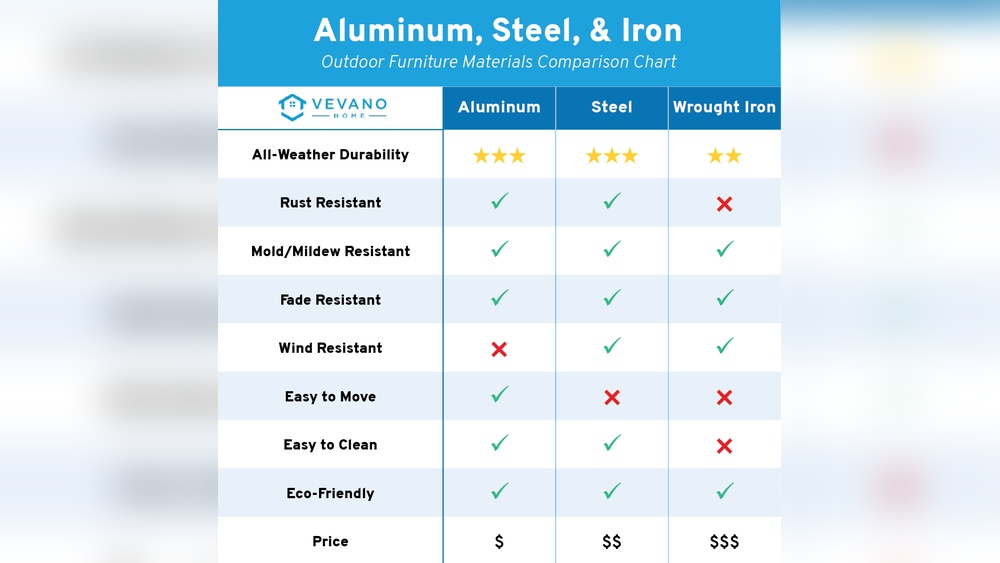
Metal furniture is strong and lasts for years. Aluminum is lightweight and does not rust. Steel is heavier and very sturdy but needs a protective coating. Wrought iron is durable but can get rusty without care. Metals suit modern and traditional outdoor styles.
Synthetic Materials Explained
Synthetic materials are designed to resist weather. Resin wicker looks like natural wicker but does not fade or break easily. Plastic furniture is lightweight and low maintenance. These materials dry quickly and require little care. They offer a budget-friendly option with good durability.
Natural Fibers In Outdoor Furniture
Natural fibers add a cozy, earthy feel. Rattan and wicker are made from plant materials. They look beautiful but need shelter from heavy rain. These fibers are lightweight and easy to move. Natural fibers work well in covered patios or shaded areas.
Advantages Of Wood Furniture
Wood furniture brings a natural charm to any outdoor space. It feels warm and inviting. Wood blends well with plants and outdoor settings. Many people choose wood for its timeless beauty. It also offers strength and comfort that lasts. Outdoor wood furniture can stand up to changing weather. With the right care, it stays beautiful for years.
Durability And Maintenance
Wood furniture can last a long time. Hardwoods like teak and cedar resist rot and insects. They handle sun and rain better than softwoods. Regular cleaning keeps dirt and mold away. Applying oil or sealant protects the wood. Scratches and dents can be sanded smoothly. A little care goes a long way in preserving wood.
Common Wood Finishes
Finishes protect wood from weather damage. Oils soak into the wood and keep it moist. Varnishes create a hard, shiny surface that repels water. Paint adds color and covers imperfections. Stains enhance the wood grain and add color. Choosing the right finish improves wood’s lifespan outdoors.
Best Wood Choices For Weather Resistance
Teak is famous for its high oil content and durability. Cedar naturally repels insects and resists rot. Redwood holds up well in wet climates. Acacia wood offers strength and a rich look. These woods stay strong and beautiful despite rain and sun. They need less maintenance than other types of wood.
Metal Furniture Characteristics
Metal furniture is popular for outdoor spaces. It offers strength and a modern look. Metal holds up well in many weather conditions. This makes it a smart choice for patios and gardens.
Different metals have unique qualities. Some are lightweight, while others provide extra strength. Understanding these traits helps you pick the right furniture for your needs.
Aluminum Features
Aluminum is light and easy to move. It does not rust, which is perfect for outdoors. Aluminum furniture often has a smooth finish. It resists dents and scratches. This metal stays cool under the sun, adding comfort.
Steel And Iron Durability
Steel and iron are strong and heavy metals. They offer solid support and long life. These metals can carry more weight without bending. Steel and iron furniture looks classic and elegant. They handle wind and rough weather well.
Rust Prevention Techniques
Rust can damage metal furniture over time. Coatings like paint or powder protect the surface. Regular cleaning helps stop rust from forming. Cover furniture when not in use. Using stainless steel also reduces rust problems.

Credit: www.amazon.com
Synthetic Material Benefits
Synthetic materials have become popular for outdoor furniture. They offer many benefits over natural materials. These materials are durable, easy to clean, and often cost less. They also resist weather damage well. This makes them ideal for outdoor use. Let’s explore the main types and benefits of synthetic materials.
Resin And Plastic Options
Resin and plastic are common in outdoor furniture. They are lightweight and easy to move. These materials do not rust or rot. Cleaning is simple with just soap and water. Resin can mimic the look of wood or stone. Plastic furniture often comes in many colors. These options suit various outdoor styles and budgets.
Wicker And Rattan Alternatives
Synthetic wicker and rattan look like natural fibers. They offer the same stylish, woven appearance. These materials resist fading and cracking. Unlike real rattan, synthetic types handle rain and sun well. They require little maintenance. This makes them perfect for patios and gardens. Their flexibility allows for creative designs.
Uv And Weather Resistance
Synthetic materials often include UV protection. This helps prevent colors from fading. They also resist moisture and temperature changes. This stops cracking and warping over time. Some materials repel stains and dirt. These features extend the life of outdoor furniture. Enjoy lasting beauty without much effort.
Natural Fiber Furniture Insights
Natural fiber furniture brings a warm, earthy feel to outdoor spaces. It uses materials grown from plants, making each piece unique. These fibers are strong and flexible, perfect for crafting beautiful furniture.
They blend well with nature and add texture to patios and gardens. Knowing the types of fibers and their care helps you choose the right furniture. Below are insights on popular natural fibers like cane and bamboo.
Cane And Bamboo Uses
Cane and bamboo are common in outdoor furniture. Cane is the outer layer of rattan plants. It is lightweight and easy to shape. Bamboo grows fast and is very sturdy. Both create chairs, tables, and loungers with a natural look.
They work well in casual and tropical-style settings. Bamboo frames often support cushions for comfort. Cane weaving adds decorative patterns and breathability.
Maintenance Tips
Keep natural fiber furniture clean by wiping with a damp cloth. Avoid soaking it with water. Use mild soap if dirt builds up. Dry the furniture quickly under shade to prevent mold.
Apply a protective coat of varnish or oil once a year. This keeps fibers from drying and cracking. Store furniture indoors or cover it during heavy rain and winter months.
Suitability For Different Climates
Cane and bamboo suit mild to warm climates best. Too much sun can fade the fibers. High humidity may cause mold growth. Dry climates can make fibers brittle without care.
In rainy areas, frequent drying is necessary to avoid damage. These materials work well on covered patios and shaded decks. They add natural charm but need gentle use outside.
Choosing The Right Material
Choosing the right material for outdoor furniture is important. It affects how long your furniture lasts and how comfortable it feels. The material also needs to suit your home’s style and the weather outside. Picking the best option helps you enjoy your outdoor space more.
Climate Considerations
Think about the weather where you live. Some materials handle rain and sun better than others. For wet climates, look for rust-resistant metals or plastic. In sunny places, choose materials that do not fade or crack easily. Wood works well in mild weather but needs care in harsh climates.
Style And Comfort Factors
Choose materials that match your outdoor decor style. Wicker and wood offer a natural look. Metal and plastic give a modern feel. Comfort matters too. Cushions on fabric or wicker chairs make sitting pleasant. Hard materials may need cushions for extra comfort.
Budget And Longevity
Set a budget before buying outdoor furniture. Some materials cost more but last longer. Aluminum and teak are durable but pricey. Plastic and resin furniture cost less but may wear out faster. Balance cost with how long you want the furniture to last.
Care And Maintenance Tips
Proper care and maintenance extend the life of outdoor furniture. Different materials need different cleaning and protection methods. Following simple tips keeps your furniture looking fresh and strong.
Cleaning Techniques By Material
Wood furniture needs gentle cleaning with mild soap and water. Avoid harsh chemicals that can damage wood. Use a soft brush to remove dirt and dust.
Metal furniture cleans well with a mixture of water and dish soap. Rinse thoroughly and dry to prevent rust. For rust spots, use fine sandpaper carefully.
Plastic and resin furniture are easy to clean with soap and water. Use a soft cloth to wipe down surfaces. Avoid abrasive cleaners to stop scratches.
Wicker and rattan require gentle dusting and occasional washing with mild soap. Use a soft brush to reach tight spaces. Let it dry completely to avoid mold.
Protective Treatments
Wood furniture benefits from applying sealants or oils yearly. These treatments protect against moisture and sun damage. Follow product instructions carefully for best results.
Metal furniture can be protected with rust-resistant sprays. Apply these treatments every season to keep metal strong. Check for any chips in paint and touch up promptly.
Plastic furniture often needs less protection but can benefit from UV protectant sprays. These sprays help prevent fading and cracking under the sun.
Wicker furniture should be treated with a clear varnish to protect fibers. This keeps it flexible and less likely to crack or break.
Storage Recommendations
Store outdoor furniture in a dry, covered area during harsh weather. This prevents damage from rain, snow, and sun. Use furniture covers for extra protection.
Wood furniture should be stored off the ground to avoid moisture buildup. Keep it in a well-ventilated space to prevent mold and mildew.
Metal furniture needs to be kept dry to avoid rust. Wipe it down before storage to remove any dirt or moisture.
Plastic and resin furniture can be stacked or stored easily but keep it away from direct sunlight. Prolonged sun exposure can weaken the material.

Credit: www.amazon.com
Credit: www.yellawood.com
Frequently Asked Questions
What Are The Most Common Materials For Outdoor Furniture?
Outdoor furniture is commonly made from wood, metal, plastic, and wicker. Each material offers unique durability and style. Wood provides a natural look but needs maintenance. Metal is strong and weather-resistant. Plastic is lightweight and affordable. Wicker offers a classic, elegant appearance.
Is Teak Wood Good For Outdoor Furniture?
Yes, teak is excellent for outdoor furniture. It is naturally resistant to water, insects, and decay. Teak requires minimal maintenance and withstands harsh weather well. Its durability and beautiful grain make it a popular choice for outdoor settings.
How Durable Is Aluminum Outdoor Furniture?
Aluminum outdoor furniture is highly durable and rust-resistant. It is lightweight yet strong, making it easy to move. Aluminum withstands various weather conditions and requires little maintenance. Its corrosion resistance ensures longevity, ideal for outdoor use.
Can Plastic Outdoor Furniture Withstand Extreme Weather?
Plastic outdoor furniture can endure moderate weather but may degrade in extreme conditions. UV rays can cause fading and brittleness over time. High-quality, UV-protected plastics last longer. They are budget-friendly and lightweight but less durable than metal or wood.
Conclusion
Outdoor furniture comes in many materials, each with its own strengths. Wood offers natural beauty but needs care. Metal is strong and lasts long but can get hot. Plastic is light and easy to clean but may fade. Wicker gives a cozy look but may wear out faster.
Choose materials based on your climate and how you use the furniture. Understanding these options helps you pick the best fit for your outdoor space. Enjoy your time outside with furniture that suits your needs.