Are you planning to add a bunk bed to your space but unsure about the right dimensions for the interior? Getting the size just right is more important than you might think.
It affects comfort, safety, and how well the bed fits into your room. You’ll discover exactly what measurements to consider so your bunk bed feels cozy and secure. Keep reading to make sure your next bunk bed is perfect for you and anyone who will use it.
Credit: everestkitchennc.com
Bunk Bed Basics
Bunk beds save space and add fun to bedrooms. They come in many styles and sizes. Knowing the basics helps you choose the right one. The dimensions inside a bunk bed affect comfort and safety. Understanding common types and materials guides your choice.
Common Types
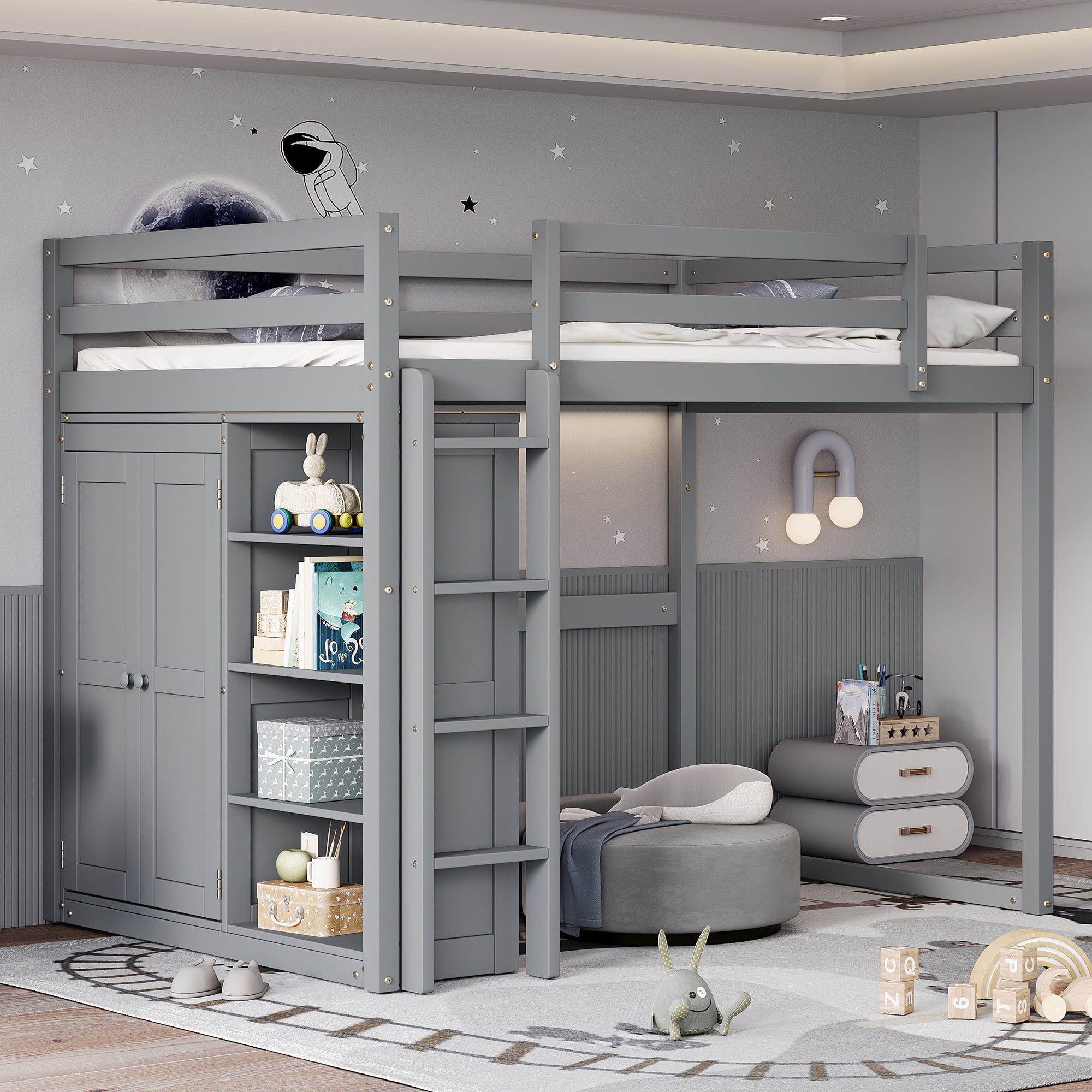
Standard bunk beds have one bed above the other. Twin-over-twin is the most common size. Twin-over-full offers more sleeping space on the bottom. Loft beds lift the top bed higher, freeing space below. Some models include desks or storage under the loft. Choose the type that fits your room and needs.
Material Choices
Wood is popular for its strength and warm look. Pine and oak are common wood types used. Metal bunk beds offer a modern and sleek design. Metal frames are often lighter and easy to move. Check that materials are sturdy and safe for children. Good materials ensure the bed lasts long and stays safe.
Standard Bunk Bed Dimensions
Standard bunk bed dimensions help ensure comfort and safety. These sizes fit most rooms and mattresses. Knowing the usual measurements guides you in choosing or building a bunk bed. It also avoids space problems and makes the bed practical.
Length And Width
The typical length of a bunk bed is about 75 inches. This fits a standard twin mattress perfectly. The width usually measures around 39 inches. This gives enough space for one person to sleep comfortably. Some bunk beds may be wider for extra comfort or special mattresses.
Height Considerations
The height of a bunk bed ranges from 50 to 65 inches. It depends on the design and space between beds. The space between the top and bottom bunk should be at least 33 inches. This allows a person to sit up without hitting their head. Total height must also fit the room’s ceiling height safely.
Interior Space Requirements
Understanding the interior space requirements of a bunk bed is important for comfort and safety. The right dimensions ensure a good night’s sleep and enough room to move. Careful planning helps avoid cramped spaces and potential injuries.
Sleeping Area
The sleeping area should fit a standard mattress size. Typical lengths range from 75 to 80 inches. Width usually falls between 30 and 42 inches. This space must allow the sleeper to lie flat without touching the sides. A tight fit can cause discomfort and limit movement.
Choose a mattress thickness of 6 to 8 inches. Thicker mattresses may reduce headroom. Keep the mattress snug to prevent gaps that could trap limbs.
Headroom And Clearance
Headroom inside a bunk bed must be enough to sit up comfortably. A minimum of 33 inches between the mattress top and the bed above is ideal. More space allows better movement and prevents bumps.
Clearance above the top bunk is also key. Allow at least 30 inches from mattress to ceiling. This prevents a cramped feeling and makes climbing easier. Proper headroom and clearance improve safety and comfort for all users.
Safety Dimensions
Safety is the top priority for bunk bed interiors. Proper dimensions reduce risks and prevent accidents. Every part of the bunk bed must follow safety rules to protect children.
Check the size of guardrails, ladder placement, and weight limits. These details keep the bed secure and comfortable. Small changes in size can make a big difference.
Guardrail Height
Guardrails stop children from falling out of the bed. The height should be at least 5 inches above the mattress top. This height creates a safe barrier during sleep.
Rails must be strong and cover the full length of the bed. Avoid large gaps to prevent children from slipping through. Rounded edges reduce injury risks.
Ladder Placement
The ladder should be easy to reach and steady to climb. Place it at the side or foot of the bunk bed. Avoid ladders that are too steep or narrow.
Steps must be wide enough to fit a child’s foot comfortably. Space between steps should be about 10 to 12 inches. Secure the ladder firmly to the bed frame.
Weight Limits
Weight limits keep the bunk bed stable and safe. Follow the manufacturer’s guidelines carefully. The top bunk usually holds less weight than the bottom bunk.
Do not allow more weight than recommended. Overloading can cause the bed to collapse. Check the bed structure regularly for wear and tear.
Customizing Dimensions
Customizing the dimensions of a bunk bed’s interior is key to comfort and safety. Every user needs different space depending on age and room size. Proper measurements make the bunk bed more useful and cozy.
For Kids
Kids need smaller spaces but enough room to move. A good width is about 38 inches. Length should be at least 75 inches to fit growing children. Height between the beds should be 30 to 33 inches. This gives enough headroom and prevents bumping.
For Adults
Adults need wider and longer beds. Width of 39 to 42 inches works well. Length should be 80 inches or more for taller adults. The space between top and bottom beds must be at least 33 inches. This allows comfortable sitting and changing positions.
Space-saving Designs
Small rooms need smart bunk bed sizes. Compact widths of 36 inches can fit tight spaces. Shorter lengths, around 72 inches, suit smaller bedrooms. Use vertical space by increasing height between beds to 36 inches. This keeps room open and functional.

Credit: lifetimekidsrooms.com
Additional Interior Features
Bunk beds do more than just save space. Their interiors can include extra features that add comfort and convenience. These features make bunk beds practical for small rooms and busy lifestyles.
Extra storage and work areas inside bunk beds help keep things organized. They also provide a cozy spot to study or relax. Choosing the right interior features depends on the room size and user needs.
Storage Options
Storage inside bunk beds helps keep bedrooms tidy. Drawers under the lower bunk hold clothes or toys. Shelves built into the frame store books or small items. Some beds have hanging pockets for accessories or gadgets. These features make use of unused space effectively.
Built-in Desks Or Shelves
Built-in desks add a quiet study area inside the bunk bed. They save room by combining sleeping and working space. Small shelves near the desk hold stationery and books. This setup encourages good study habits and keeps things close. It fits well in compact bedrooms.
Measuring Your Space
Measuring your space is the first step to choosing the right bunk bed. Accurate measurements help avoid fitting problems later. Take your time and be precise. Measure every part of the room that might affect the bed placement.
Understanding the room’s size and layout makes the buying process easier. It also ensures the bed fits comfortably without crowding the space.
Room Size
Measure the length and width of the room. Write down the numbers clearly. This helps you compare the bed size with available space. Leave extra space for walking around and other furniture. Small rooms need compact bunk beds to fit well.
Ceiling Height
Check the ceiling height before choosing a bunk bed. Most bunk beds need at least 7 feet of clearance. This allows enough headroom for the top bunk. Low ceilings can make the bed feel cramped and unsafe. Measure from floor to ceiling at different points.
Door And Window Placement
Note where doors and windows are located. Measure the distance from walls to door and window edges. Make sure the bunk bed does not block them. Consider how doors open and close. Windows should stay accessible for light and air. This keeps the room functional and safe.

Credit: us.amazon.com
Frequently Asked Questions
What Are Standard Bunk Bed Interior Dimensions?
Standard bunk bed interiors typically measure 39″ x 75″ for twin mattresses. This size ensures comfort for most users and fits common mattress sizes. Proper interior dimensions allow safe and spacious sleeping areas.
How Tall Should The Bunk Bed Interior Be?
The interior height between bunk beds should be at least 33 to 36 inches. This spacing provides enough headroom for sitting up comfortably and ensures safety. Adequate height prevents accidents and maximizes comfort.
What Width Is Ideal For Bunk Bed Interiors?
A width of 39 inches is ideal for twin-size bunk beds. This width accommodates standard mattresses and allows easy movement within the bed. Wider beds increase comfort but may require more room space.
How To Measure Bunk Bed Interior Dimensions Accurately?
Measure the mattress length, width, and space between top and bottom bunks. Use a tape measure for precise dimensions. Accurate measurement ensures the mattress fits well and the space is comfortable.
Conclusion
Choosing the right bunk bed interior size matters a lot. It ensures comfort and safety for users. Standard dimensions offer enough space without crowding the room. Always measure your space before buying or building. Small details like headroom and mattress size make a difference.
A well-sized bunk bed fits easily and feels cozy. Think about who will use it and their needs. This helps create a happy and practical sleeping area. Good planning leads to a better bunk bed experience.