Choosing the right bed size for your toddler can feel tricky. You want something comfortable, safe, and just the right fit for your child’s growing needs.
But what size is a toddler bed, exactly? If you’re wondering how to pick the perfect bed that gives your little one room to grow without taking up too much space, you’re in the right place. Keep reading, and you’ll discover everything you need to know to make the best choice for your child’s sleep—and your peace of mind.
Toddler Bed Dimensions
Toddler bed dimensions are important for choosing the right bed. These beds are smaller than regular beds. They fit toddlers who have outgrown cribs but still need a smaller bed. Knowing the sizes helps plan the room and buy the right mattress.
Standard Sizes
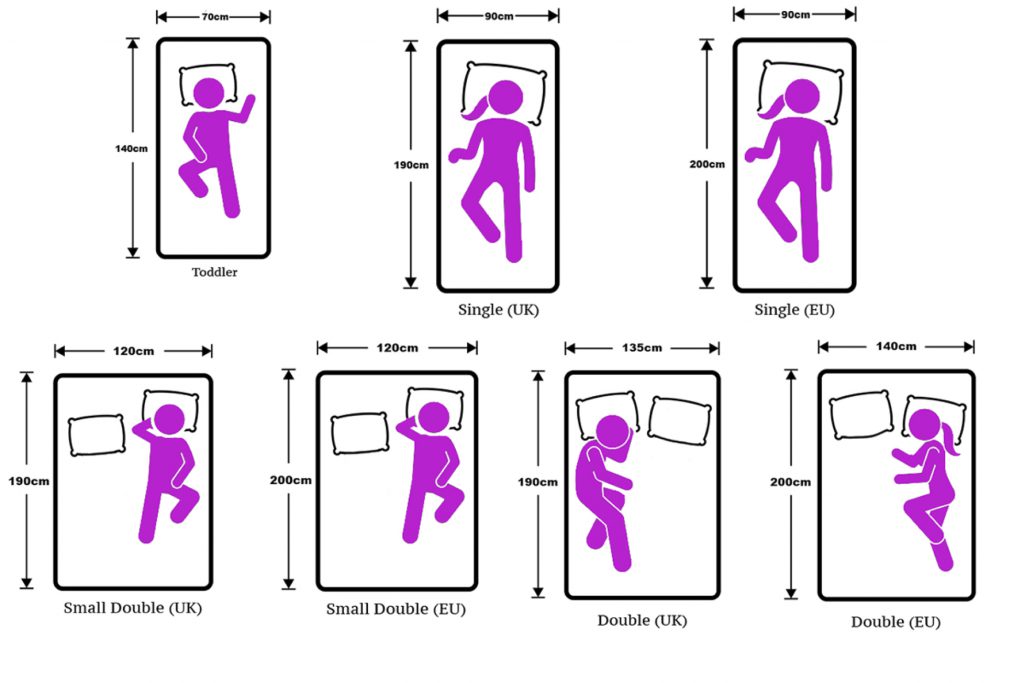
Most toddler beds measure about 28 inches wide and 52 inches long. This size fits a standard crib mattress. It is smaller than a twin bed but larger than a crib. The size suits toddlers aged 1.5 to 5 years. The bed is low to the ground for safety.
Variations By Brand
Some brands offer beds slightly larger or smaller. Sizes may vary by a few inches in length or width. Some beds have built-in rails or extra space for comfort. Check each brand’s specific measurements before buying. This avoids buying a mattress that does not fit.
Room Space Considerations
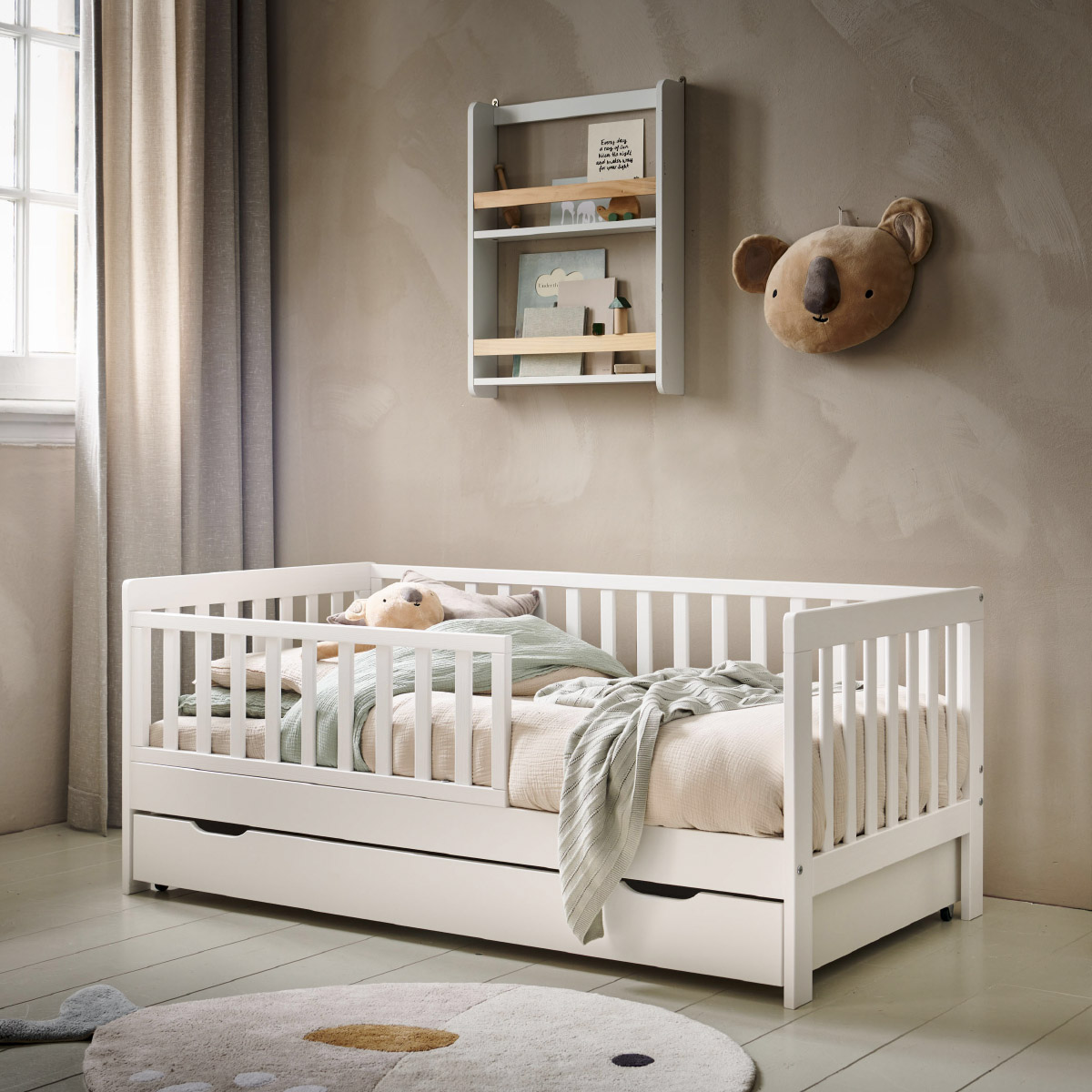
Measure the room before choosing a toddler bed. Leave space for other furniture and play areas. Think about walking space around the bed. A smaller bed fits better in tight spaces. Larger rooms allow for beds with storage or extra features.
Credit: www.petiteamelie.co.uk
Choosing The Right Size
Choosing the right size for a toddler bed is important for your child’s comfort and safety. The bed should fit your child well and allow room to grow. A proper size helps your child sleep better and feel secure in their new bed. Consider a few key points before making a choice.
Age And Growth Factors
Children grow fast in their toddler years. Most toddler beds fit children aged 1.5 to 5 years. Choose a bed that suits your child’s current size but also leaves some room to grow. A bed that is too small can feel cramped. A bed too large might be unsafe for younger toddlers. Keep your child’s height and growth rate in mind.
Child’s Sleeping Habits
Think about how your child sleeps. Do they move a lot during sleep? Do they like to cuddle toys or blankets? A restless sleeper may need a bit more space. If your child sleeps calmly, a standard toddler bed size works well. The goal is to give enough space to move without feeling lost in the bed.
Bed Frame Vs. Mattress Size
Bed frames and mattresses come in different sizes. The mattress should fit snugly inside the bed frame without gaps. Gaps can be dangerous for toddlers. Measure the bed frame before buying a mattress. Standard toddler mattress size is usually 28 inches by 52 inches. Ensure the mattress fits the frame perfectly for safety and comfort.
Types Of Toddler Beds
Toddler beds come in different styles and sizes. Choosing the right type helps your child feel comfortable and safe. Each bed style fits different rooms and needs. Understanding the options makes picking easier.
Convertible Beds
Convertible beds change as your child grows. They start as cribs and turn into toddler beds. Some convert further into twin beds for older kids. This type saves money and space. It suits families wanting long-term use.
Mini Beds
Mini beds are smaller than standard toddler beds. They fit in tight spaces and small bedrooms. These beds are easy to move and lighter to handle. Perfect for travel or daycare use. Mini beds still provide enough room for toddlers to sleep comfortably.
Themed Beds
Themed beds make bedtime fun and exciting. They come in shapes like cars, castles, or animals. These beds encourage imagination and make kids eager to sleep. Themed beds often include safety rails and low heights. They add personality to a child’s room.
Mattress Options For Toddler Beds
Choosing the right mattress for a toddler bed is important for your child’s comfort and safety. Toddler mattresses come in different types, firmness levels, and meet specific safety rules. These factors help ensure a good night’s sleep and a safe environment for your little one.
Material Choices
Toddler mattresses are made from foam, innerspring, or latex. Foam mattresses are light and easy to clean. Innerspring mattresses offer good support and durability. Latex mattresses are natural and resist dust mites. Each material has benefits for toddler comfort and hygiene.
Firmness Levels
Toddler mattresses should be firm but not too hard. A firm mattress helps support growing bones and prevents sinking. Too soft can cause discomfort or increase risk of suffocation. Choose a mattress with medium-firm support for safe and restful sleep.
Safety Standards
Mattresses must meet safety rules to protect toddlers. Look for certifications like CertiPUR-US or GREENGUARD Gold. These ensure no harmful chemicals or allergens are present. Fire retardant standards are also important for mattress safety. Always pick mattresses tested for toddler use.
Safety Tips For Toddler Beds
Choosing the right toddler bed is important for your child’s safety. Toddlers are curious and active. A safe bed helps prevent accidents and keeps them comfortable. Follow these safety tips to ensure your toddler’s bed is secure and child-friendly.
Guardrails And Bed Height
Guardrails stop your toddler from falling out of bed. Make sure they are sturdy and cover both sides. The bed height should be low to the floor. This reduces injury if your child falls out. A low bed also helps toddlers climb in and out easily.
Non-toxic Materials
Choose beds made of non-toxic materials. Paints and finishes should be free from harmful chemicals. Toddlers often chew on bed parts, so safe materials matter. Look for beds that meet safety standards and have no sharp edges.
Placement In The Room
Place the toddler bed away from windows and heaters. Avoid spots near cords or blinds. Keep the area clear of hard or sharp objects. This setup reduces risks of injury or strangulation. Make sure the room has enough space for safe movement.
Credit: www.cuckooland.com
Transitioning From Crib To Toddler Bed
Transitioning from a crib to a toddler bed is an important step for your child’s growth. It marks a new stage of independence and comfort. This change needs care and patience to make it positive for your little one. Understanding when and how to make this move helps your child feel safe and happy in their new bed.
Signs Your Child Is Ready
Your child may start climbing out of the crib. This can be a sign they need a bigger, safer space. They might also show interest in a bigger bed or talk about “grown-up” beds. Another sign is when they start asking to sleep in a bed like yours. Watch for these clues to know when to begin the transition.
Making The Move Smooth
Choose a toddler bed that fits your child’s size. Use familiar bedding and toys to create comfort. Let your child help pick the bed or bedding. Set a consistent bedtime routine to create security. Stay close during the first nights to offer reassurance. Praise your child for sleeping in their new bed.
Dealing With Resistance
Some children feel scared or unsure about the new bed. They might want to return to the crib. Stay calm and gentle. Listen to their worries and offer comfort. Use positive words to encourage them. Avoid forcing or rushing the change. Gradually increase time spent in the toddler bed each night.
Popular Toddler Bed Brands
Choosing the right toddler bed brand can make a big difference in comfort and safety. Popular brands offer a mix of styles, sizes, and prices. Parents trust these brands for quality and durability. Below are some well-known options to consider for your toddler’s bed.
Top Rated Options
Top rated toddler bed brands often have strong safety features. They use sturdy materials that last through years of use. Many come with guardrails and easy-to-clean surfaces. These brands have positive reviews from parents worldwide. They provide beds that fit standard toddler mattress sizes. Brands like Delta Children and Graco are highly recommended.
Budget-friendly Choices
Budget-friendly brands offer simple and functional beds. They focus on essential features without extra costs. These beds fit small rooms and grow with your child. Brands like Dream On Me and KidKraft provide affordable options. They balance price with decent quality and safety. Perfect for families who want value without sacrificing comfort.
Customizable Designs
Customizable toddler beds let parents add personal touches. These beds come in various colors and themes. Some brands allow changing headboards or adding storage. Pottery Barn Kids and Step2 offer such flexible designs. Custom options help match a child’s room décor. They make bedtime more fun and special for toddlers.

Credit: littlepartners.com
Frequently Asked Questions
What Are The Standard Dimensions Of A Toddler Bed?
A standard toddler bed measures approximately 28 inches wide by 52 inches long. This size fits most toddler mattresses and provides a safe, comfortable sleeping space for children aged 1. 5 to 5 years.
How Does Toddler Bed Size Compare To Crib Size?
Toddler beds are slightly smaller than twin beds but larger than cribs. They usually match crib mattress dimensions, making the transition smooth for toddlers leaving their crib.
What Mattress Size Fits A Toddler Bed?
A standard toddler bed mattress measures 28 by 52 inches. It’s the same size as a crib mattress, ensuring easy mattress reuse and a perfect fit.
When Should A Child Transition To A Toddler Bed?
Children typically switch to a toddler bed between 18 months and 3 years. This transition supports their growing independence and safety as they outgrow the crib.
Conclusion
Choosing the right toddler bed size helps your child sleep well. Standard toddler beds fit most rooms and grow with your child. Measure your space before buying to avoid tight fits. Remember, comfort and safety come first for happy naps.
A well-sized bed makes bedtime easier and more fun. Keep these tips in mind for a smooth transition. Your little one will appreciate a cozy, just-right bed. Sleep tight!