Are you planning to build a sturdy bunk bed but unsure what size plywood to use? Choosing the right plywood size is key to making a safe and durable bunk bed that lasts for years.
Using plywood that’s too thin or too small can lead to weak spots, while the right size ensures your bed can support weight comfortably. You’ll discover exactly what plywood size works best for bunk beds, so you can build with confidence and keep your loved ones safe.
Keep reading to find the perfect fit for your project.
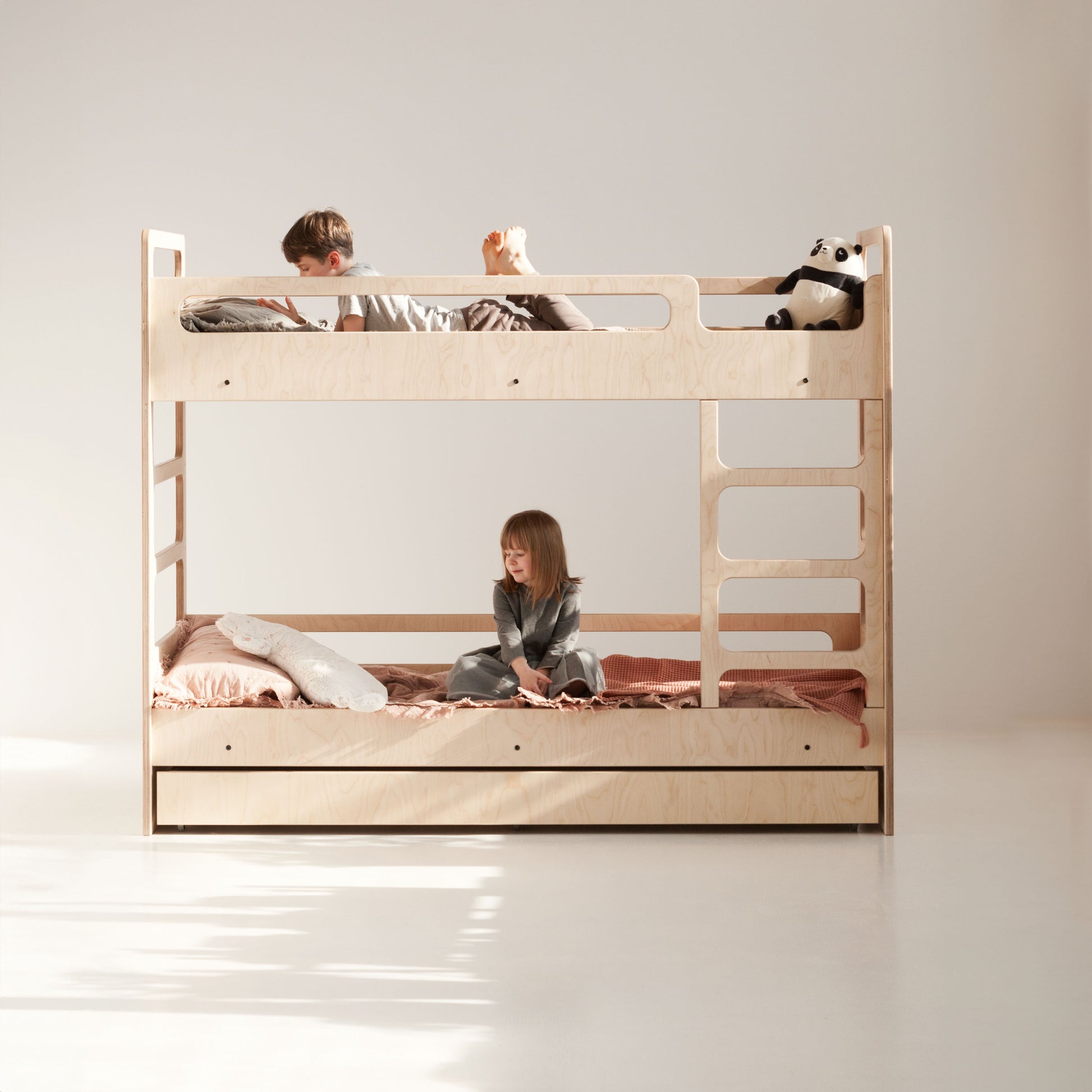
Credit: www.plywoodproject.com
Choosing The Right Plywood Thickness
Plywood is a popular choice for building bunk beds. It offers strength, stability, and looks good. Choosing the right type of plywood matters for safety and durability. Different plywood types fit different needs and budgets. Let’s explore the main types of plywood used for bunk beds.
Softwood Vs Hardwood
Softwood plywood comes from trees like pine or fir. It is lighter and easier to cut. Hardwood plywood uses trees like oak or maple. Hardwood is stronger and lasts longer. Hardwood plywood usually costs more but is very durable. Softwood plywood suits budget projects. Hardwood plywood is best for heavy use and safety.
Furniture Grade Plywood
Furniture grade plywood has a smooth, clean surface. It has fewer knots and defects. This plywood looks nicer and feels better to touch. It is perfect for visible parts of the bunk bed. This type also holds paint and finishes well. Furniture grade plywood is a smart choice for style and comfort.
Moisture Resistant Options
Moisture resistant plywood handles damp conditions well. It resists warping and swelling from water. This type works well in humid rooms or areas near bathrooms. Using moisture resistant plywood keeps the bunk bed strong over time. It adds extra protection against damage from spills or humidity.
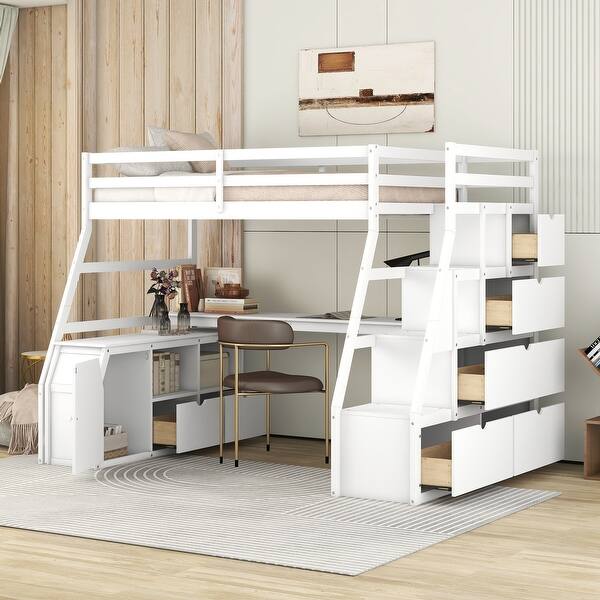
Credit: buybuybaby.bedbathandbeyond.com
Common Plywood Sizes For Bunk Beds
Measuring and cutting plywood correctly is key for a strong bunk bed. Precise cuts keep the wood pieces fitting well. This makes the bed safe and sturdy. Follow these tips to measure and cut plywood with care.
Measuring Bed Frame Accurately
Start by measuring the bed frame parts clearly. Use a tape measure for exact lengths and widths. Measure twice to avoid mistakes. Mark the plywood with a pencil for cutting lines. Check corners and edges for evenness. Accurate measurements prevent gaps and weak spots.
Tools For Precise Cutting
Choose the right tools for clean cuts. A circular saw or jigsaw works well for plywood. Use a straight edge or guide to keep cuts straight. Sharp blades make cutting easier and smoother. Sand edges after cutting to remove splinters. Proper tools save time and improve results.
Safety Precautions
Wear safety glasses to protect your eyes from dust and wood chips. Use ear protection if using loud power tools. Work in a well-ventilated space to avoid inhaling dust. Keep hands away from the blade while cutting. Secure plywood firmly before cutting to prevent slips. Safety keeps the project trouble-free.
Types Of Plywood For Bunk Beds
Finishing and maintenance are key to keeping your plywood bunk bed safe and strong. Proper care helps the bed last longer and look better. It also protects the wood from damage and wear. Follow simple steps to finish and maintain the plywood for the best results.
Sanding And Smoothing Edges
Start by sanding all plywood surfaces and edges. Use fine-grit sandpaper to remove rough spots and splinters. Smooth edges prevent injuries and improve the bed’s look. Take time to sand corners carefully. A well-sanded surface makes painting easier and helps the finish last longer.
Painting And Sealing
Choose paint or sealant made for wood. Paint adds color and protects the plywood from moisture. Sealant helps stop water and dust from damaging the wood. Apply at least two coats for better coverage. Let each coat dry fully before the next one. This step keeps the bunk bed safe and clean.
Regular Inspection And Repairs
Check the bunk bed often for damage or loose parts. Look for cracks, splinters, or peeling paint. Tighten screws and fix any broken pieces quickly. Regular care stops small problems from growing. A well-maintained bed stays sturdy and safe for years.
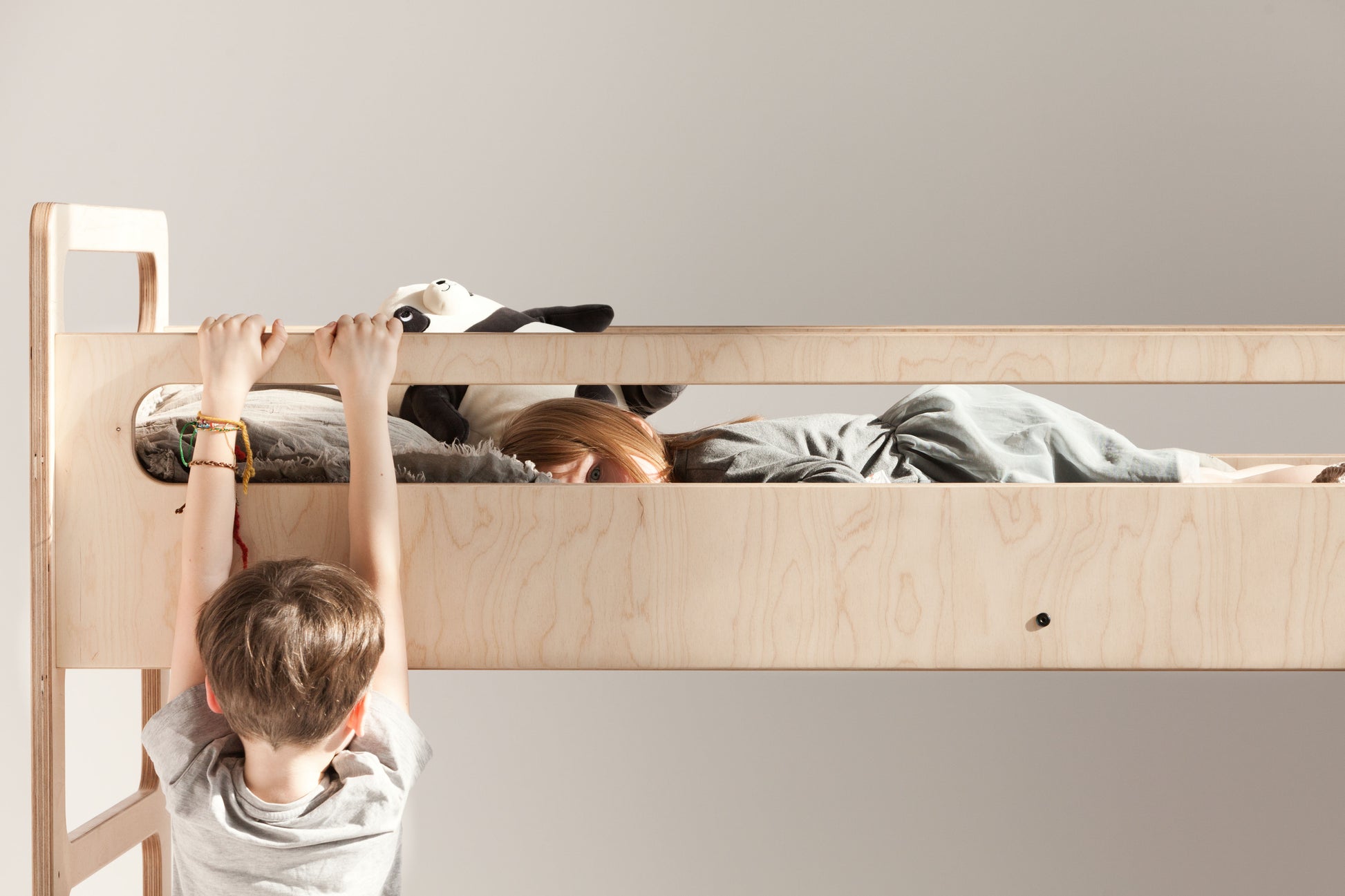
Credit: www.plywoodproject.com
Tips For Measuring And Cutting Plywood
Building a bunk bed requires careful budgeting, especially for plywood costs. Choosing the right size plywood affects both safety and price. Understanding cost factors helps stay within budget without sacrificing quality. This section breaks down key points about plywood expenses for bunk beds.
Price Differences By Thickness And Type
Thicker plywood sheets usually cost more. For bunk beds, 3/4 inch plywood is common and provides strong support. Thinner plywood costs less but may not hold weight well. Different plywood types, like hardwood or softwood, also affect prices. Hardwood plywood costs more but lasts longer. Softwood plywood is cheaper but less durable.
Where To Buy Quality Plywood
Local hardware stores offer convenient plywood choices. Home improvement centers often have better prices and a wider selection. Lumber yards provide higher-quality plywood but may charge more. Online suppliers can deliver plywood but include shipping fees. Always check for good reviews and product quality before buying.
Balancing Cost And Quality
Low cost plywood might save money but risk safety. High-quality plywood ensures strength and durability. Look for plywood with smooth surfaces and no cracks. Choose plywood that fits the bunk bed design and weight needs. Spend a bit more for plywood that lasts and keeps kids safe.
Frequently Asked Questions
What Size Plywood Is Best For Bunk Bed Frames?
The best plywood size for bunk bed frames is typically 3/4 inch thick. This thickness ensures strong support and durability. Standard plywood sheets measuring 4×8 feet can be cut to fit specific bed dimensions. Always choose high-quality plywood for safety and longevity.
How Thick Should Plywood Be For Bunk Bed Slats?
Plywood slats for bunk beds should be at least 3/4 inch thick. Thicker plywood provides better weight support and reduces the risk of bending. Proper thickness prevents mattress sagging and increases overall bed stability, ensuring safe use for children.
Can 1/2 Inch Plywood Be Used For Bunk Beds?
Using 1/2 inch plywood for bunk beds is not recommended. It is generally too thin and may not support weight adequately. Thicker plywood, such as 3/4 inch, is safer and more durable for structural components of bunk beds.
What Plywood Grade Is Suitable For Bunk Bed Construction?
A-grade or B-grade plywood is suitable for bunk bed construction. These grades have fewer knots and defects, providing better strength and appearance. Choose furniture-grade plywood to ensure safety and a smooth finish for your bunk bed.
Conclusion
Choosing the right plywood size ensures your bunk bed stays strong and safe. Most builders use 3/4 inch thick plywood for the frame and slats. Standard sheet sizes like 4×8 feet work well for cutting parts. Always measure carefully before buying to avoid waste.
Good plywood supports weight and lasts longer. This simple step makes your bunk bed sturdy and reliable. Keep these tips in mind for a smooth building process. Safe, strong, and comfortable bunk beds start with the right plywood size.