Choosing the right size slats for your kid’s bunk bed is more important than you might think. The slats not only support the mattress but also keep your child safe and comfortable every night.
If you pick slats that are too thin or spaced too far apart, the bed could become unstable or uncomfortable. But don’t worry—this guide will help you find the perfect slat size so your child can sleep soundly and you can rest easy.
Keep reading to discover exactly what you need to know before making your decision.

Credit: us.amazon.com
Choosing Slat Size
Choosing the right slat size for a kid’s bunk bed is important for safety and comfort. The slats support the mattress and the child’s weight. Too small or weak slats can break or cause discomfort. Too large slats may not fit properly and waste materials. Understanding the proper size helps build a sturdy bunk bed that lasts.
Standard Slat Dimensions
Most kid bunk beds use slats that are 2 to 3 inches wide. The thickness usually ranges from 0.5 to 0.75 inches. Length depends on the bed size but often matches the mattress width. Spaces between slats should be about 2 to 3 inches apart. This balance provides strong support without too much gap. Proper slat size keeps the mattress firm and safe.
Factors Affecting Slat Size
Weight capacity affects slat thickness and width. Heavier kids need thicker, wider slats for safety. The type of wood or material matters too. Hardwoods like oak need less thickness than softwoods like pine. Mattress type plays a role. Foam mattresses need closer slats to avoid sagging. Bed design can limit slat length and spacing. Measure carefully before choosing slats for your bunk bed.
Material Options
Choosing the right material for bunk bed slats is important for safety and comfort. The material affects the bed’s strength and how long it lasts. Kids need sturdy slats that hold weight well and do not bend easily. Two common materials for slats include wood and metal. Each has benefits and fits different needs.
Wood Types
Wood slats are popular for kid bunk beds. They offer natural strength and a warm look. Pine is a common choice because it is light and affordable. Hardwood like oak or maple is stronger and lasts longer. Wood slats should be smooth and free from cracks. Properly spaced wooden slats give good support and prevent mattress sagging.
Metal Slats
Metal slats provide excellent durability and support. Steel is the most used metal for bunk bed slats. Metal slats are thin but strong, holding weight without bending. They resist warping and are easy to clean. Metal slats often come with a powder-coated finish to avoid rust. These slats suit kids who need a sturdy bed that lasts for years.
Slat Spacing Importance
The spacing of slats in a kid’s bunk bed is very important. It affects both safety and comfort. Proper slat spacing helps the mattress stay firm and prevents accidents. Small spaces keep children safe from getting stuck or hurt. Good spacing also supports the weight of the mattress and the child. Understanding the right distance between slats can make a big difference in the bed’s durability and safety.
Safety Considerations
Slats that are too far apart can cause serious safety problems. A child’s limb might get caught between wide slats. This can lead to injuries or discomfort during sleep. Narrow slat spacing reduces this risk. It creates a stable surface that holds the mattress firmly. Choose slats with spacing of about 2 to 3 inches. This size helps avoid accidents and keeps the bed safe for kids.
Weight Support
Slat spacing also affects how well the bed supports weight. If slats are too far apart, the mattress may sag. This reduces comfort and can damage the mattress over time. Closer slats distribute weight evenly. They help the bed carry the child’s weight safely. For bunk beds, slats should be strong and placed close together. This ensures long-lasting support and prevents the bed from breaking.

Credit: www.lowes.com
Measuring For Your Bunk Bed
Measuring for your bunk bed is an important first step. It helps you find the right slat size for safety and comfort. Careful measurements ensure the bed frame and mattress fit well together. This prevents gaps or weak spots that can cause problems later.
Measure the space where the bunk bed will go. Then check the bed frame and mattress sizes. Accurate numbers make it easier to pick slats that support the mattress properly. Slats that are too far apart or too narrow can be unsafe.
Bed Frame Dimensions
Start by measuring the width and length of the bed frame. Use a tape measure for exact numbers. Measure inside the frame, from one side to the other. Also, measure the length between the head and foot of the bed. These numbers show the space your slats must cover.
Check the depth or thickness of the frame sides. This tells you how deep the slats can rest. Make sure slats fit inside the frame without sticking out. Proper fit keeps the bed sturdy and safe for kids.
Mattress Compatibility
Measure the mattress size exactly. Know the mattress width, length, and thickness. Slats should support the mattress evenly across its surface. This stops sagging and extends mattress life.
Match the slat length to the mattress width inside the frame. Slats that are too short won’t hold the mattress well. Also, check the mattress thickness to pick slats strong enough to hold its weight. Strong slats keep kids safe and comfortable while sleeping.
Installation Tips
Installing slats for a kid’s bunk bed needs care and attention. Proper installation ensures safety and comfort. It also extends the bed’s life. Follow these tips to install slats correctly and keep the bed sturdy.
Securing Slats
Place each slat evenly across the bed frame. Use screws or nails to fix them in place. Avoid loose slats to prevent accidents. Check that each slat fits snugly within the frame. Tighten all fasteners to keep slats stable.
Preventing Slat Movement
Add wood glue under slats before securing them. This stops slats from sliding or shifting. Use brackets on the sides for extra support. Check the slats regularly to ensure they stay in place. Secure slats help keep kids safe and comfortable.
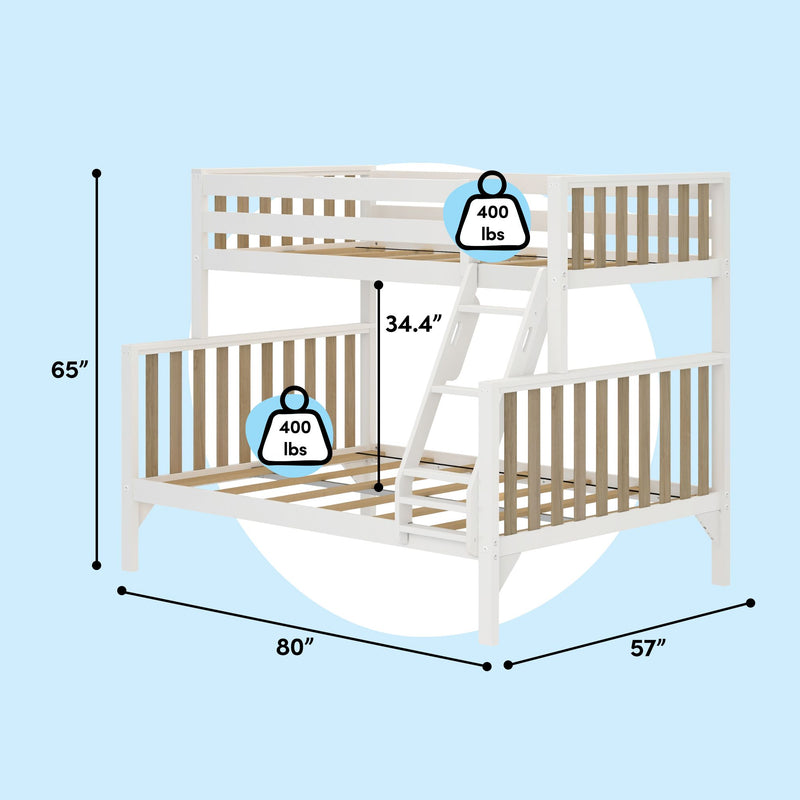
Credit: maxandlily.com
Maintenance And Replacement
Keeping kid bunk bed slats in good shape is important for safety and comfort. Regular checks help spot problems early. Proper care extends slat life and keeps the bed stable. Knowing when to replace slats avoids accidents and supports restful sleep.
Checking For Wear
Look for cracks, splits, or bends in the slats. Check if the wood feels weak or soft. Notice any loose or missing screws. Pay attention to squeaks or wobbling sounds. These signs mean the slats need attention soon.
When To Replace Slats
Replace slats if they show deep cracks or large splits. Swap out slats that bend under weight. Change slats that no longer fit securely in the frame. Replace damaged or rotten wood to keep the bed safe. Regular replacement keeps the bunk bed strong and reliable.
Frequently Asked Questions
What Slat Width Is Best For Kid Bunk Beds?
A slat width of 2 to 3 inches is ideal for kid bunk beds. This size offers strong support and ensures mattress stability. It prevents sagging and enhances safety for children while sleeping or playing.
How Far Apart Should Slats Be Spaced?
Slats should be spaced 2 to 3 inches apart. This spacing supports the mattress evenly and prevents it from slipping through gaps. It also maintains proper ventilation and enhances the bed’s durability and safety.
What Thickness Should Bunk Bed Slats Have?
Slats should be at least 3/4 inch thick for kid bunk beds. Thicker slats provide better strength and durability. This thickness ensures the bed can safely hold the mattress and the weight of children.
Can I Use Metal Slats For Kid Bunk Beds?
Yes, metal slats can be used if they are sturdy and spaced correctly. Metal slats offer excellent support and durability. Ensure they have no sharp edges to keep the bed safe for kids.
Conclusion
Choosing the right slat size keeps your kid’s bunk bed strong and safe. Thin slats may break under weight. Thick, sturdy slats offer better support and last longer. Space slats evenly to avoid gaps and ensure comfort. Always check the bed’s weight limit and slat recommendations.
Proper slat size helps your child sleep soundly every night. Simple steps lead to a safer sleeping space. A good choice today prevents problems tomorrow.