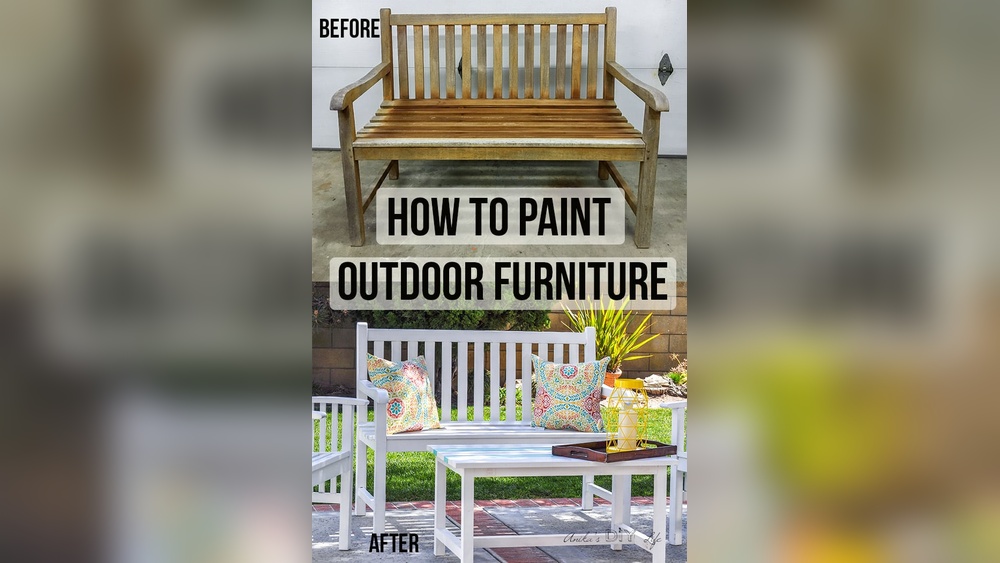
Your outdoor furniture deserves more than just a quick coat of paint. Finishing it the right way protects your investment and makes your space inviting all year round.
But with so many options, how do you choose the best finish for your wood or metal furniture? You’ll discover easy, effective ways to finish your outdoor furniture that keep it looking great and standing strong. Keep reading to find the perfect finish that suits your style and needs.
:max_bytes(150000):strip_icc()/280-Finishing-Outdoor-Projects-2000-e39d1c27f6334cf082054b38903f75cb.jpg)
Credit: www.woodmagazine.com
Types Of Outdoor Furniture Materials
Outdoor furniture comes in many materials. Each has its own look and care needs. Choosing the right finish depends on the material type. Understanding these materials helps in protecting and maintaining your furniture.
Wood Variants
Wood is a popular choice for outdoor furniture. Teak, cedar, and eucalyptus are common types. Teak lasts long without much treatment. Cedar resists insects and decay naturally. Eucalyptus offers a good balance of strength and cost. Wood needs sealing or oiling to prevent damage. Finishes protect wood from sun and rain. Proper care keeps wood looking fresh and strong.
Metal Options
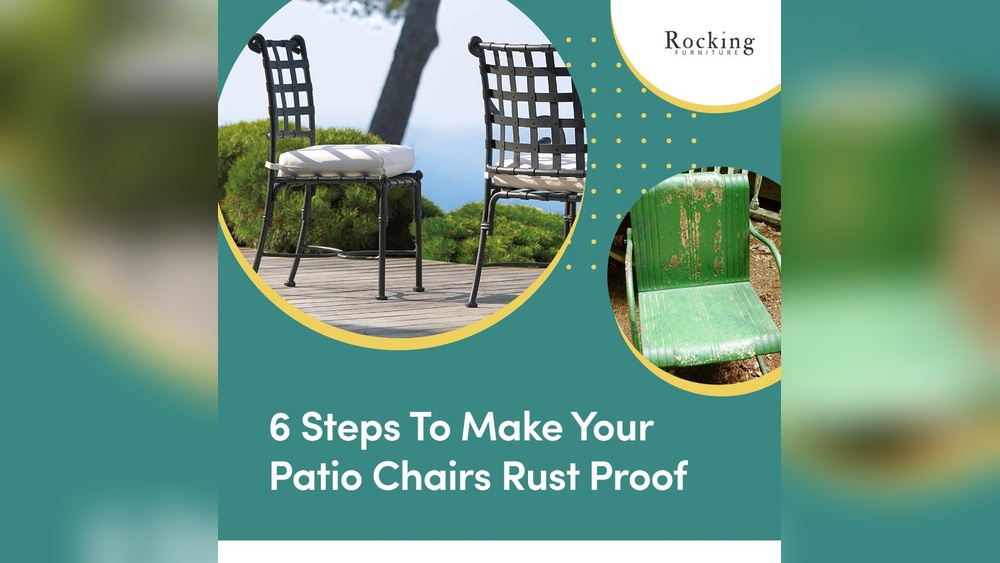
Metal furniture offers durability and style. Aluminum, wrought iron, and steel are typical metals used. Aluminum is light and resists rust well. Wrought iron is heavy and strong but can rust. Steel is sturdy but needs rust protection. Paint or powder coating helps metal resist weather. Regular touch-ups prevent rust spots and damage.
Plastic And Resin
Plastic and resin furniture is easy to maintain. It is lightweight, affordable, and weather-resistant. These materials do not rust or rot. Some types may fade under strong sun. Special UV-resistant finishes can protect color. Cleaning is simple with soap and water. They are good for casual, low-maintenance use.
Wicker And Rattan
Wicker and rattan provide a classic outdoor look. Natural rattan is beautiful but not very weatherproof. Synthetic wicker is made from resin for durability. Synthetic types resist moisture and sun damage. Natural rattan needs sealing to avoid cracking. Protective finishes extend the life of wicker furniture. Covering wicker in harsh weather helps it last longer.
Common Outdoor Furniture Finishes
Outdoor furniture needs protection from sun, rain, and wind. Finishing your furniture helps keep it strong and looking nice. Different finishes offer different looks and levels of protection. Choose the right finish for your wood type and outdoor conditions.
Paints
Paint covers the wood with a solid color. It hides imperfections and adds a fresh look. Paint protects wood from moisture and UV rays. Use outdoor paint designed for wood. Apply several thin coats for best results.
Stains
Stains soak into the wood and show the natural grain. They add color without hiding the wood texture. Stains protect against water and sunlight. Choose a stain with UV protection for longer life. Reapply stains every year or two.
Varnishes And Sealers
Varnishes create a hard, clear layer on wood. They protect against water and scratches. Sealers penetrate wood to block moisture from inside. Both finish types keep wood safe from the weather. Use marine varnish for very wet areas.
Oil Finishes
Oils soak deep into wood fibers. They keep wood flexible and prevent drying. Oil finishes enhance natural wood color and texture. Apply oils regularly to maintain protection. Use teak or linseed oil for outdoor furniture.
Factors Influencing Finish Choice
Choosing the right finish for outdoor furniture depends on several important factors. These factors protect the furniture and keep it looking good for a long time. Understanding these will help you pick the best finish for your needs. The main points to consider include weather resistance, UV protection, moisture barrier, and how the finish affects the furniture’s look.
Weather Resistance
Outdoor furniture faces rain, wind, and temperature changes daily. A good finish must resist these conditions. It should stop the wood or material from cracking or warping. Weather-resistant finishes help furniture last longer outside. Some finishes create a hard shell, while others soak into the material. Choose one that suits your climate and furniture type.
Uv Protection
Sunlight can fade and damage outdoor furniture. UV rays break down the finish and the material underneath. Finishes with UV protection keep colors bright and prevent fading. They also stop the wood from drying out and becoming brittle. Look for finishes labeled with UV blockers for the best protection.
Moisture Barrier
Moisture causes wood to swell and metal to rust. A finish that acts as a moisture barrier keeps water out. This barrier prevents mold and mildew growth too. Some finishes seal the surface tightly, while others allow the material to breathe. Pick a finish that balances protection with the furniture’s needs.
Aesthetic Preferences
The finish changes the look of your furniture. Some finishes make the wood shine, while others give a natural or matte look. Colors and tones can also vary. Choose a finish that matches your style and outdoor space. The right finish enhances the furniture’s beauty and fits your taste.
Preparation Before Finishing
Preparing outdoor furniture before finishing is a crucial step. It helps the finish stick better and last longer. Taking time to prepare ensures your furniture looks great and stays protected from weather.
Good preparation also prevents peeling, cracking, and other damage. Start by cleaning, sanding, and fixing any problems on the surface. These steps create a smooth base for the finish.
Cleaning And Sanding
First, clean the furniture well. Remove dirt, dust, and old finish. Use soap and water or a special cleaner for wood. Let the furniture dry completely before sanding.
Sanding smooths rough spots and removes old paint or finish. Use medium-grit sandpaper for this job. Sand in the direction of the wood grain. Wipe off dust with a damp cloth afterward.
Repairing Damages
Check the furniture for cracks, holes, or loose parts. Fill small cracks or holes with wood filler. Let it dry and sand it smooth. Tighten screws or replace broken parts to make the furniture sturdy.
Fixing damages before finishing helps protect the wood. It also makes the furniture safer and more comfortable to use.
Priming Surfaces
Priming helps the finish stick better and last longer. Use a primer suitable for outdoor wood. Apply a thin, even coat with a brush or roller. Let the primer dry fully before applying the final finish.
Priming also protects the wood from moisture and sun damage. It creates a strong base for paint or stain.
Applying Finishes Step-by-step
Applying finishes on outdoor furniture protects the wood and enhances its beauty. A proper finish helps your furniture last longer against weather elements. Follow these steps carefully for the best results.
Choosing The Right Tools
Select brushes or rollers designed for outdoor finishes. Natural bristle brushes work well with oil-based finishes. Synthetic brushes suit water-based finishes better. Use a clean, lint-free cloth for wiping excess finish. Have sandpaper handy to smooth the surface between coats.
Proper Application Techniques
Start by cleaning and sanding the furniture surface. Apply the finish in thin, even coats. Brush along the wood grain for smooth coverage. Avoid thick layers that take longer to dry. Wipe off any drips or excess finish quickly. Lightly sand between coats to improve adhesion.
Drying And Curing Times
Allow each coat to dry fully before applying the next one. Drying times vary by finish type and weather conditions. Warmer, dry weather speeds up drying. Let the final coat cure for several days before use. Proper curing ensures the finish is hard and protective.

Credit: lumbergrand.com
Maintenance Tips For Lasting Protection
Maintaining outdoor furniture keeps it safe from weather damage. Protection lasts longer with simple care steps. Clean, repair, and store furniture the right way. This helps your outdoor pieces look good for years.
Regular Cleaning
Clean furniture often to remove dirt and dust. Use a soft brush or cloth with mild soap. Avoid harsh chemicals that can damage finishes. Rinse with water and dry well to stop mold. Regular cleaning keeps surfaces smooth and strong.
Touch-ups And Reapplication
Check furniture for scratches or worn spots. Sand lightly before applying finish again. Use the same finish type to keep color uniform. Reapply finish every year or as needed. This seals wood and protects metal from rust.
Seasonal Storage Advice
Store furniture in a dry, covered place during winter. Use breathable covers to avoid moisture buildup. Remove cushions and store them inside to prevent mold. Proper storage reduces wear from cold and rain. Ready for spring, furniture stays fresh and sturdy.
Eco-friendly Finishing Options
Choosing the right finish for outdoor furniture protects it and keeps it looking good. Eco-friendly options help protect the environment while caring for your wood. These finishes use natural or low-toxicity ingredients. They keep your furniture safe without harmful chemicals. Explore some green ways to finish your outdoor furniture below.
Natural Oils And Waxes
Natural oils like linseed, tung, and teak oil soak into wood. They nourish and protect without sealing the surface tightly. Waxes add a soft shine and water resistance. Both options breathe with the wood, reducing cracks and splits. They are easy to apply and safe for the environment. These finishes highlight the wood’s natural beauty and texture.
Low-voc Products
Low-VOC (volatile organic compounds) finishes release fewer harmful gases. They improve air quality around your home. These products include stains, sealers, and paints made with fewer chemicals. They last long and resist weather damage well. Using low-VOC finishes lowers pollution and health risks. Perfect for outdoor furniture that needs strong protection.
Sustainable Practices
Choose finishes made from renewable resources or recycled materials. Buy from companies that use eco-friendly packaging. Apply finishes in thin layers to reduce waste. Dispose of leftover products safely to avoid environmental harm. Combining green products with smart use keeps your furniture and planet healthy. Simple steps make a big difference in outdoor care.

Credit: lumbergrand.com
Common Mistakes To Avoid
Finishing outdoor furniture is not just about choosing the right product. The process needs care and attention to detail. Avoiding common mistakes can save time and improve the look and life of your furniture. Here are key errors many make and how to avoid them.
Skipping Surface Prep
Surface preparation is the first step. Dirt, old finish, and rough spots reduce finish adhesion. Always clean and sand the furniture before applying any finish. Skipping this step can cause peeling and uneven coverage. Take time to prepare the surface well.
Overapplying Finish
Applying too much finish looks messy and causes problems. Thick layers take longer to dry and can crack or peel. Use thin, even coats and allow drying between layers. Multiple thin coats protect better than one thick coat.
Ignoring Weather Conditions
Weather affects how finish dries and lasts. High humidity or rain can ruin the finish. Extreme heat can cause it to dry too fast and crack. Choose a dry day with mild temperatures. Protect the furniture from wind and dust during drying.
Frequently Asked Questions
What Is The Best Finish For Outdoor Wood Furniture?
The best finish for outdoor wood furniture is a high-quality exterior varnish or spar urethane. These finishes protect against moisture, UV rays, and temperature changes, keeping the wood durable and looking great for years.
How Long Does Outdoor Furniture Finish Last?
Outdoor furniture finish typically lasts 1 to 3 years. Longevity depends on weather exposure and finish quality. Regular maintenance extends protection and appearance.
Can I Use Indoor Finish On Outdoor Furniture?
Indoor finishes are not suitable for outdoor furniture. They lack UV and moisture protection, leading to quick damage. Always choose finishes designed specifically for outdoor use.
Should I Sand Outdoor Furniture Before Finishing?
Yes, sanding outdoor furniture before finishing is essential. It smooths the surface and helps the finish adhere better. Use fine-grit sandpaper for best results.
Conclusion
Choosing the right finish protects your outdoor furniture well. It keeps wood safe from sun, rain, and dirt. Oil finishes bring out natural beauty and feel soft. Paint offers strong protection and many color options. Sealers add a clear shield without changing look.
Regular care helps your furniture last many seasons. Think about how you want your furniture to look. Then pick a finish that fits your style and needs. This simple step keeps your outdoor space inviting and fresh. Take time to finish right, and enjoy your furniture longer.