Your outdoor furniture is more than just a place to sit – it’s where you relax, entertain, and create memories. But how do you keep it looking great through sun, rain, and changing seasons?
Choosing the right products for your outdoor furniture can make all the difference. You’ll discover simple, effective ways to protect, clean, and maintain your outdoor pieces so they stay comfortable and beautiful year-round. Keep reading to find out exactly what to use on your outdoor furniture to make it last longer and look its best.
:max_bytes(150000):strip_icc()/patio-d112973-0616-e507b8582f9449f59d94a55dc216bdb1.jpg)
Credit: www.marthastewart.com
Choosing The Right Material
Choosing the right material for outdoor furniture is important. It affects durability, comfort, and style. Different materials perform better in various weather conditions. Some need more care, others less. Knowing the options helps pick furniture that lasts and looks good.
Wood Options For Outdoors
Wood is a classic choice for outdoor furniture. Teak is strong and resists water well. Cedar and redwood offer natural resistance to insects. Pine is cheaper but needs sealing to last. Wood feels warm and natural. It requires regular maintenance to stay smooth and protected.
Metal Furniture Types
Metal furniture is sturdy and modern. Aluminum is lightweight and does not rust. Steel is very strong but can rust if not painted. Wrought iron is heavy and decorative but needs rust protection. Metal works well in windy areas because it won’t blow away easily.
Plastic And Resin Choices
Plastic and resin furniture is affordable and low maintenance. It resists water and fading from the sun. Resin can mimic wood or wicker looks. These materials are easy to clean with soap and water. They are lightweight and easy to move around the yard.
Wicker And Rattan Varieties
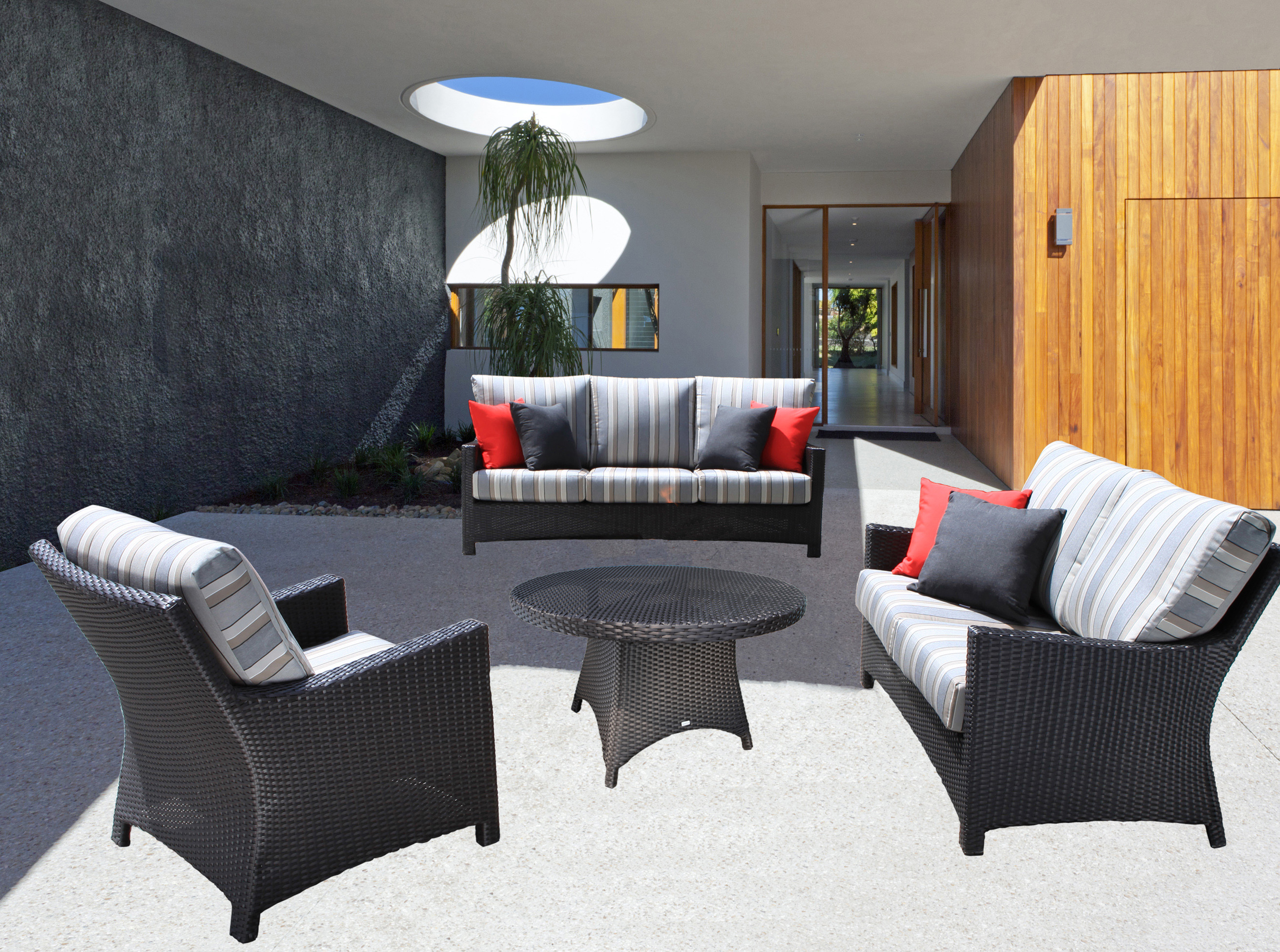
Wicker and rattan bring a cozy, natural look. Natural rattan is beautiful but breaks down in rain. Synthetic wicker is weather-resistant and lasts longer. It is light and easy to arrange. Synthetic options work well in humid or rainy climates.

Credit: armadillosun.com
Protective Finishes And Treatments
Outdoor furniture faces sun, rain, wind, and dirt every day. Protective finishes and treatments help keep it strong and looking good. They guard materials against damage and wear. Using the right protection extends your furniture’s life.
Sealants For Wood Furniture
Wood furniture needs sealants to stop water and moisture damage. Sealants create a clear, tough layer on wood surfaces. This layer prevents cracks and warping. Choose sealants made for outdoor use. Apply them regularly to keep wood safe.
Rust-resistant Coatings For Metal
Metal furniture can rust fast without protection. Rust-resistant coatings block moisture and air from reaching metal. These coatings include paints, sprays, and powders. They keep metal shiny and strong. Check for coatings that suit your metal type.
Uv Protection For Plastics
Plastic furniture fades and breaks down under strong sunlight. UV protection stops colors from fading and plastic from cracking. Some plastic finishes have built-in UV blockers. Use sprays or coatings designed for plastic surfaces. This keeps furniture looking new longer.
Waterproofing Techniques
Water can ruin all types of outdoor furniture. Waterproofing keeps water from soaking in. Use waterproof sprays or waxes for better protection. Cover joints and seams well to avoid leaks. Regular waterproofing helps furniture resist rain and spills.
Cleaning Methods For Outdoor Pieces
Outdoor furniture faces dirt, dust, and weather every day. Cleaning these pieces keeps them looking fresh and lasting longer. Proper cleaning methods prevent damage and maintain their beauty. Choose the right approach based on the material and dirt type. Safe and simple methods work best for regular care.
Gentle Cleaning Solutions
Use mild soap mixed with warm water for most outdoor furniture. A soft cloth or sponge helps avoid scratches. Avoid harsh chemicals that can damage the surface. Test cleaning solutions on a small area first. Rinse well with clean water to remove soap residues. Dry furniture with a towel to stop water spots.
Pressure Washing Tips
Pressure washing removes tough dirt and grime from sturdy furniture. Use low pressure to protect wood and delicate parts. Hold the nozzle at least 12 inches away from the surface. Move the spray steadily to avoid damage. Avoid using pressure washers on wicker or painted surfaces. Check the manufacturer’s advice before pressure washing.
Removing Mold And Mildew
Mold and mildew grow in damp outdoor spaces. Use a mix of water and white vinegar or baking soda paste. Scrub gently with a soft brush to lift mold. Rinse thoroughly to remove all cleaning residue. Sun-dry furniture to prevent mold from returning. Regular cleaning stops mold growth early.
Seasonal Maintenance Routines
Clean outdoor furniture at the start and end of each season. Remove leaves, dirt, and dust before storing or covering. Check for cracks, rust, or loose parts. Apply protective finishes like sealants or paint if needed. Store cushions and fabrics in dry places. Regular maintenance keeps furniture ready for use.
Cushions And Fabrics Care
Caring for cushions and fabrics on outdoor furniture keeps them fresh and inviting. These materials face sun, rain, dirt, and dust daily. Proper care extends their life and maintains comfort. Learn easy ways to protect and clean your outdoor textiles.
Choosing Weatherproof Fabrics
Select fabrics designed for outdoor use. Look for materials that resist water and mildew. Acrylic and polyester fabrics work well. They dry quickly and stay strong under sun exposure. Choose colors that hold up in bright light. This prevents fading and keeps cushions looking new.
Cleaning Outdoor Cushions
Clean cushions regularly to remove dirt and stains. Use mild soap and warm water with a soft brush or cloth. Avoid harsh chemicals that can damage fabric fibers. Rinse well to remove soap residue. Let cushions dry completely before using or storing them.
Storage Tips For Longevity
Store cushions in a dry, cool place during bad weather or winter. Use breathable storage bags or containers to prevent mold growth. Avoid plastic bags that trap moisture. Keeping cushions off the ground helps avoid dirt and pests. Proper storage keeps fabrics in good shape longer.
Preventing Fading And Damage
Place cushions in shaded areas to reduce sun damage. Rotate cushions often to wear evenly. Use fabric protectors designed for outdoor use to shield against stains and water. Check for tears or loose threads and fix them quickly. These steps keep fabrics vibrant and strong.
Diy Maintenance And Repairs
DIY maintenance and repairs keep outdoor furniture looking fresh and lasting longer. Small fixes prevent big problems. You save money and enjoy your furniture more. Basic tools and simple steps do most jobs.
Fixing Scratches And Chips
Scratches and chips make furniture look old fast. Use fine sandpaper to smooth rough spots. Clean the area before repairing. Apply wood filler or putty for deeper chips. Let it dry fully, then sand again. Finish with a protective sealant or paint.
Tightening Loose Joints
Loose joints cause wobbly furniture and can break parts. Check all screws and bolts regularly. Use a screwdriver or wrench to tighten them. Add wood glue for extra hold on wooden pieces. Clamp the joint until glue dries. This keeps furniture sturdy and safe.
Replacing Worn Parts
Parts like legs, slats, or screws wear out over time. Identify damaged pieces that need replacement. Buy matching parts from hardware stores or online. Remove old parts carefully with proper tools. Install new pieces firmly and test stability. This extends your furniture’s life.
Touch-up Paint And Stain
Paint and stain refresh old furniture and protect it from weather. Choose colors that match the original finish. Clean surface thoroughly before applying. Use a brush or cloth for even coverage. Let each coat dry before adding another. Regular touch-ups keep furniture vibrant and safe.
Credit: crushoutdoor.com
Seasonal Storage And Protection
Outdoor furniture needs care to last through the year. Seasonal storage and protection help keep your furniture safe. Proper steps protect it from weather damage. This saves money and keeps your furniture looking new.
Covering Furniture Properly
Use covers made from breathable materials. Avoid plastic covers that trap moisture. Secure covers tightly to stop wind from blowing them off. Check covers regularly for tears or holes. Clean furniture before covering to prevent mold growth.
Indoor Storage Options
Store furniture indoors if space allows. Garages, sheds, or basements work well. Keep furniture off cold, damp floors. Use pallets or shelves to raise items. Indoor storage protects against rain, snow, and sun damage.
Preparing Furniture For Winter
Clean furniture thoroughly before storing. Dry it completely to prevent mold. Remove cushions and store them inside. Apply protective oil or sealant to wooden pieces. Tighten loose screws and check for damage to fix later.
Springtime Revival Tips
Remove covers carefully to avoid dust spread. Clean furniture again to remove dirt or mildew. Check for any winter damage or rust spots. Apply fresh paint or sealant if needed. Add new cushions or accessories for a fresh look.
Frequently Asked Questions
What Materials Are Best For Outdoor Furniture Protection?
Use weather-resistant materials like teak oil, marine varnish, or outdoor sealants. These protect wood from moisture, sun damage, and wear. For metal, choose rust-proof paints or coatings to prevent corrosion. Always select products designed specifically for outdoor use to ensure durability and long-lasting furniture protection.
How Often Should I Treat Outdoor Wooden Furniture?
Treat wooden outdoor furniture at least twice a year. Apply sealants or oils before and after the rainy season. Regular maintenance prevents cracking, fading, and warping. This frequency keeps wood looking fresh and extends furniture lifespan in harsh weather conditions.
Can I Use Indoor Paint On Outdoor Furniture?
No, indoor paint is not suitable for outdoor furniture. Outdoor paint contains UV blockers and weatherproof ingredients. These protect furniture from sun, rain, and temperature changes. Using indoor paint outdoors leads to peeling, fading, and damage over time.
What Is The Best Way To Clean Outdoor Furniture?
Use mild soap and water with a soft brush or cloth. Avoid harsh chemicals that can damage finishes or fabrics. Rinse thoroughly and dry completely to prevent mold and mildew. Regular cleaning keeps furniture looking new and prolongs its life.
Conclusion
Choosing the right products protects your outdoor furniture well. Clean and treat wood, metal, or plastic to last longer. Regular care keeps furniture looking fresh and strong. Avoid harsh chemicals that can damage surfaces quickly. Simple maintenance saves money and effort over time.
Enjoy your outdoor space comfortably with well-kept furniture. Small steps make a big difference in durability. Keep your furniture ready for any weather change. Care today means beautiful furniture tomorrow.


